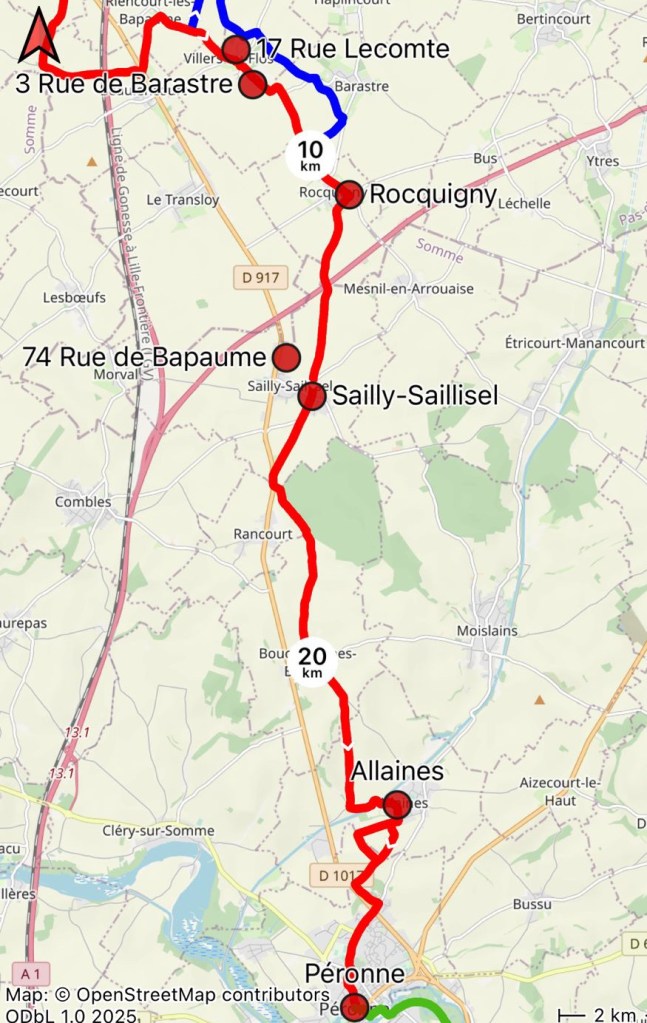
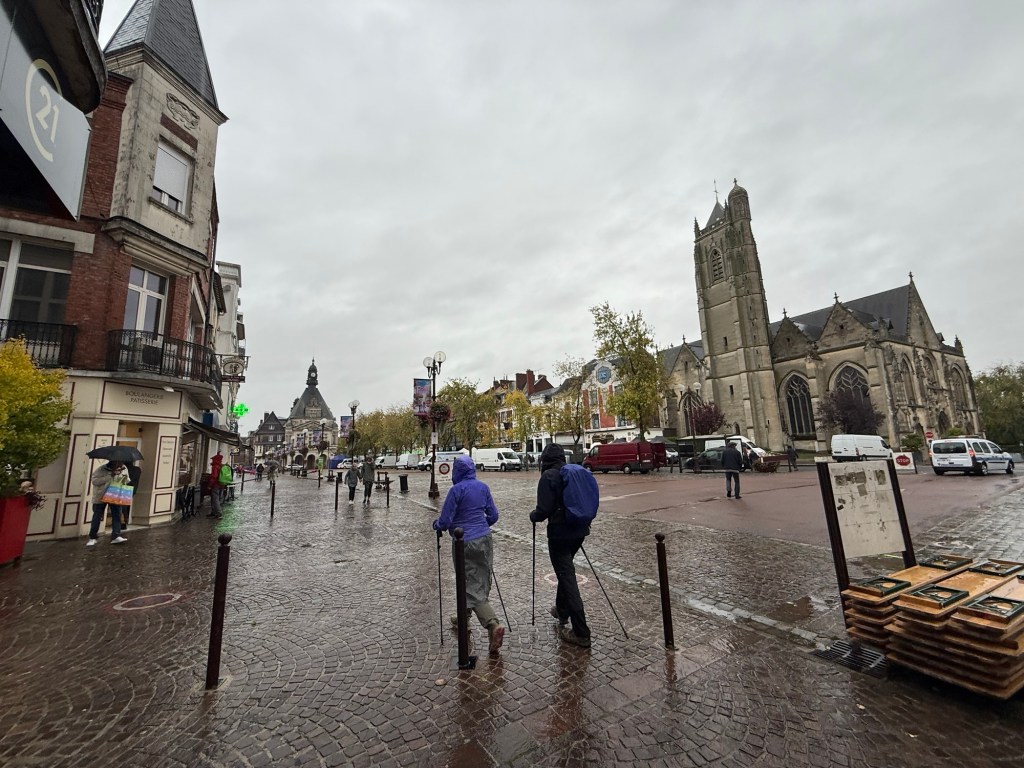
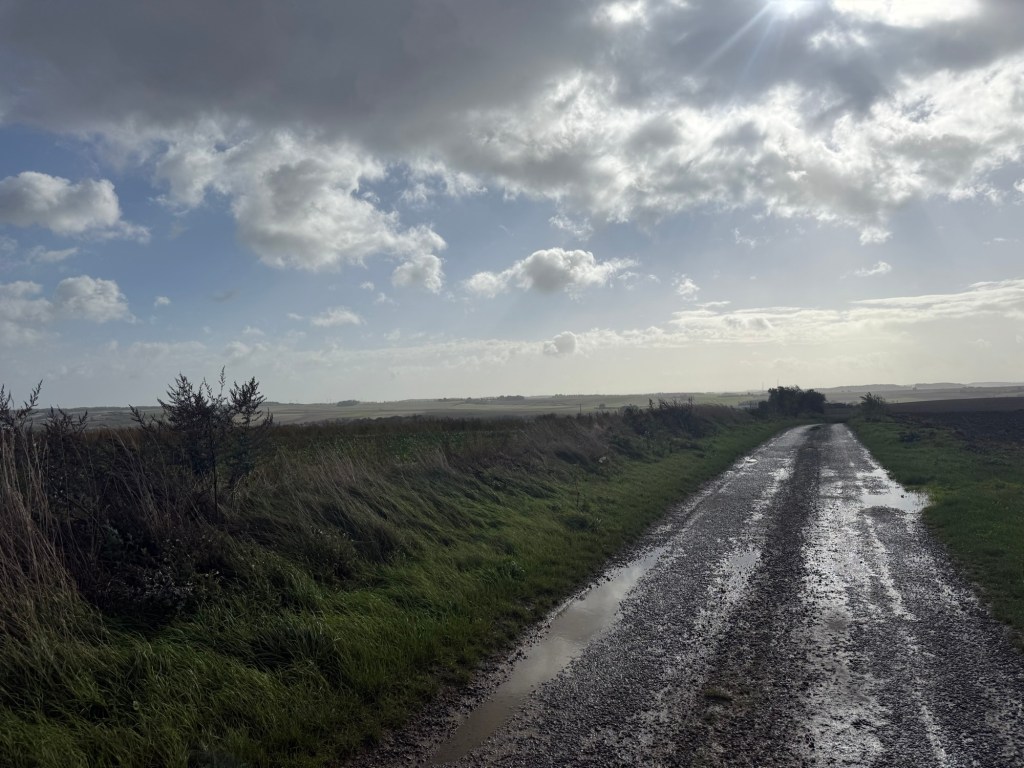
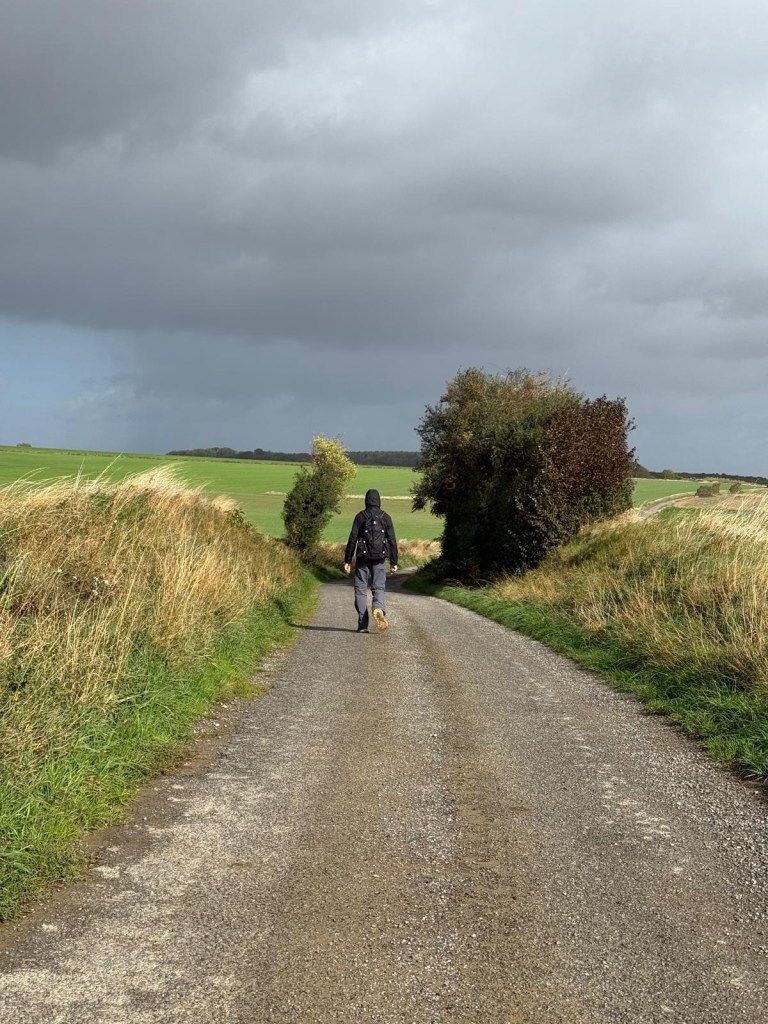
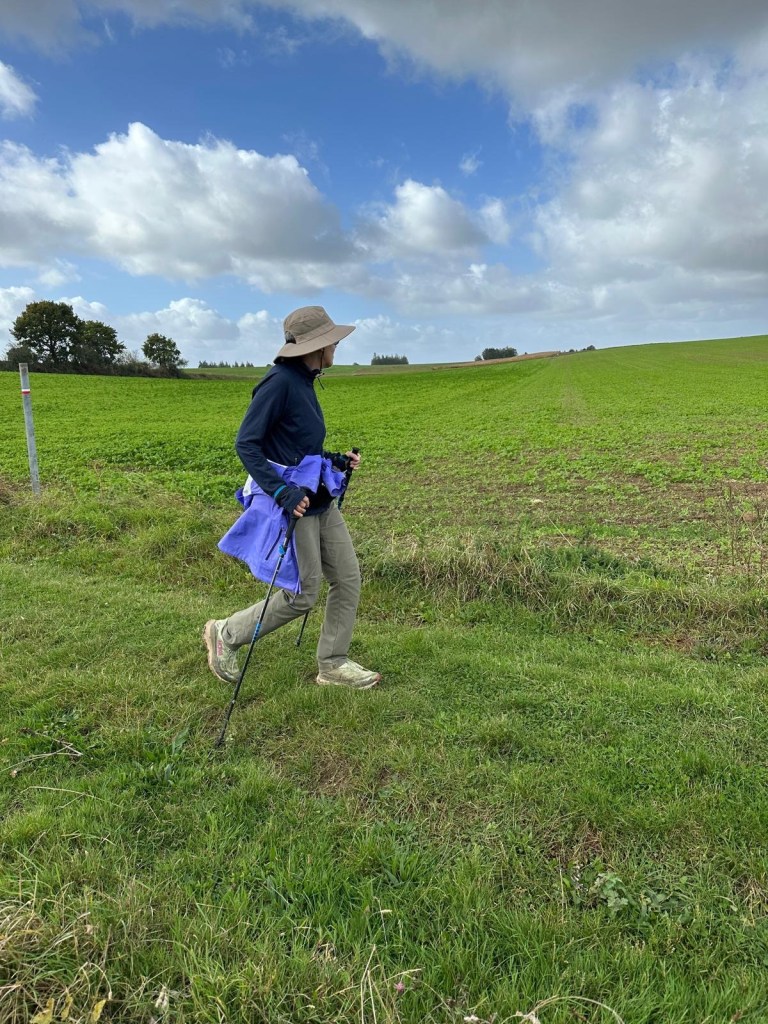
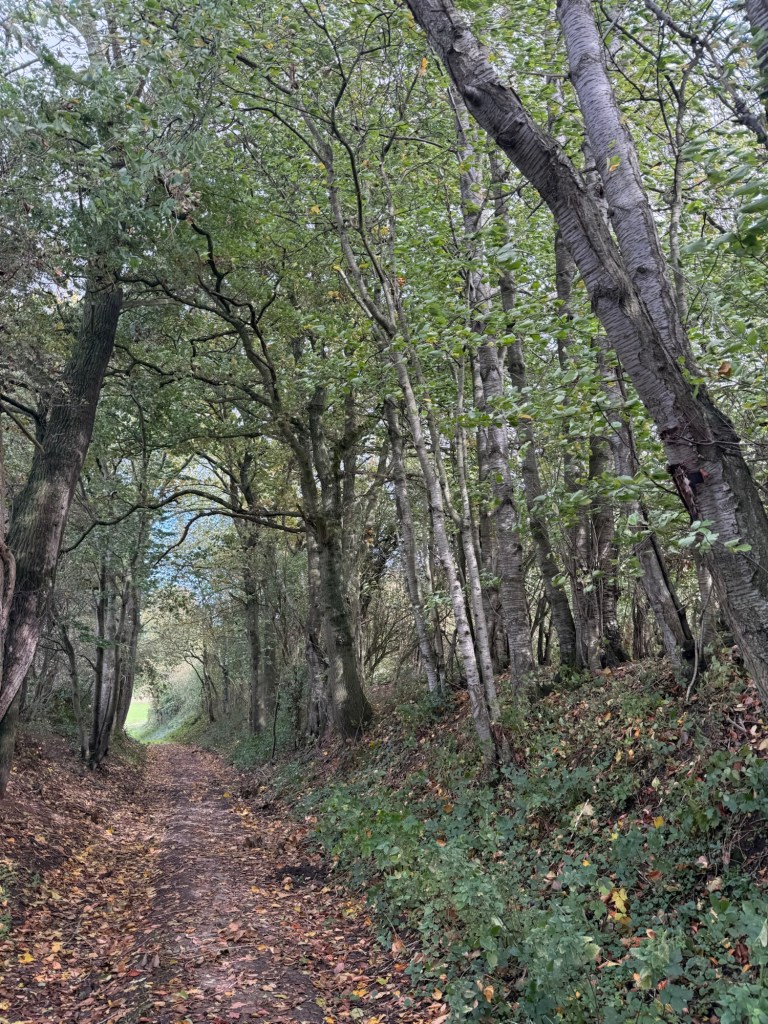
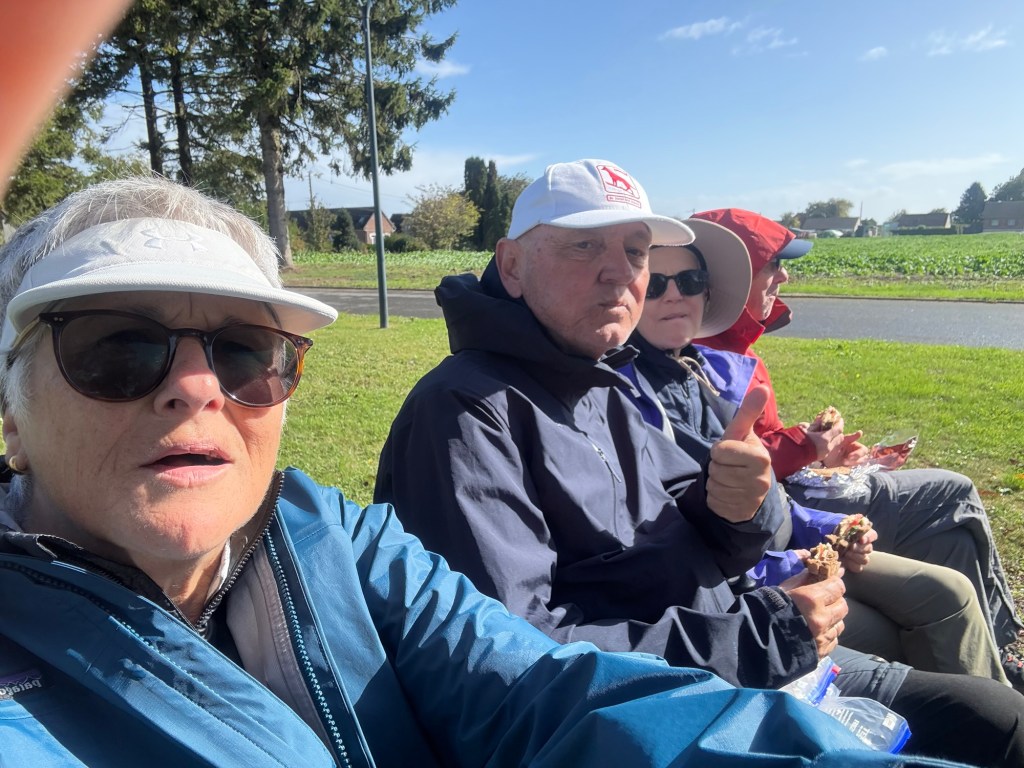
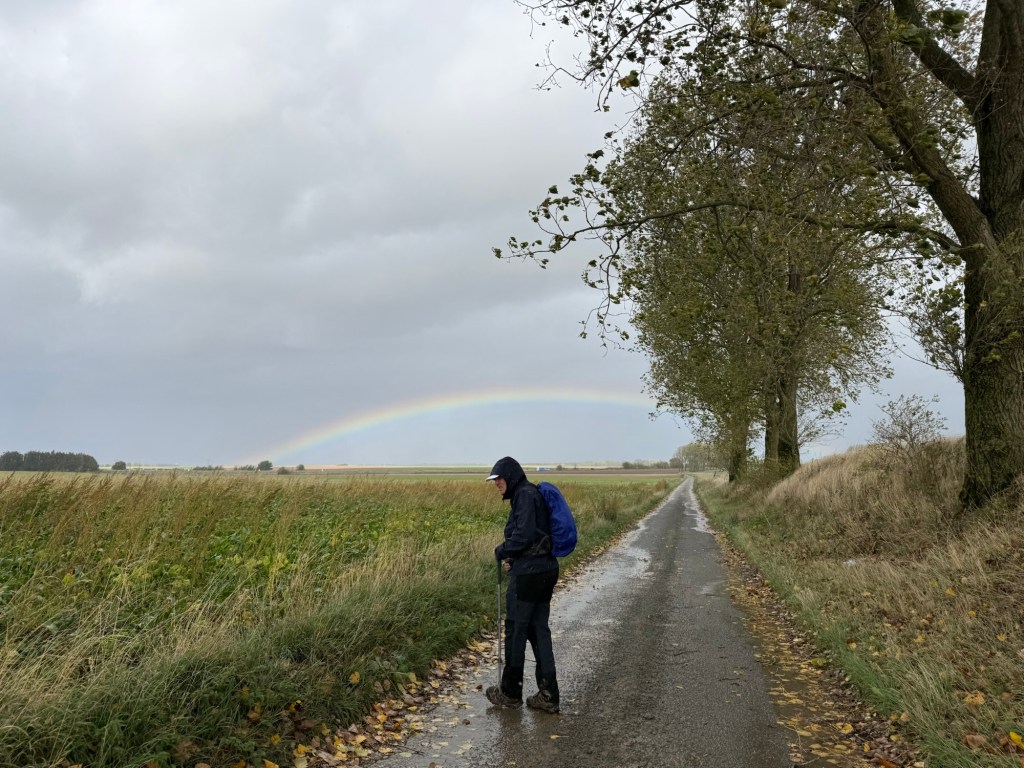
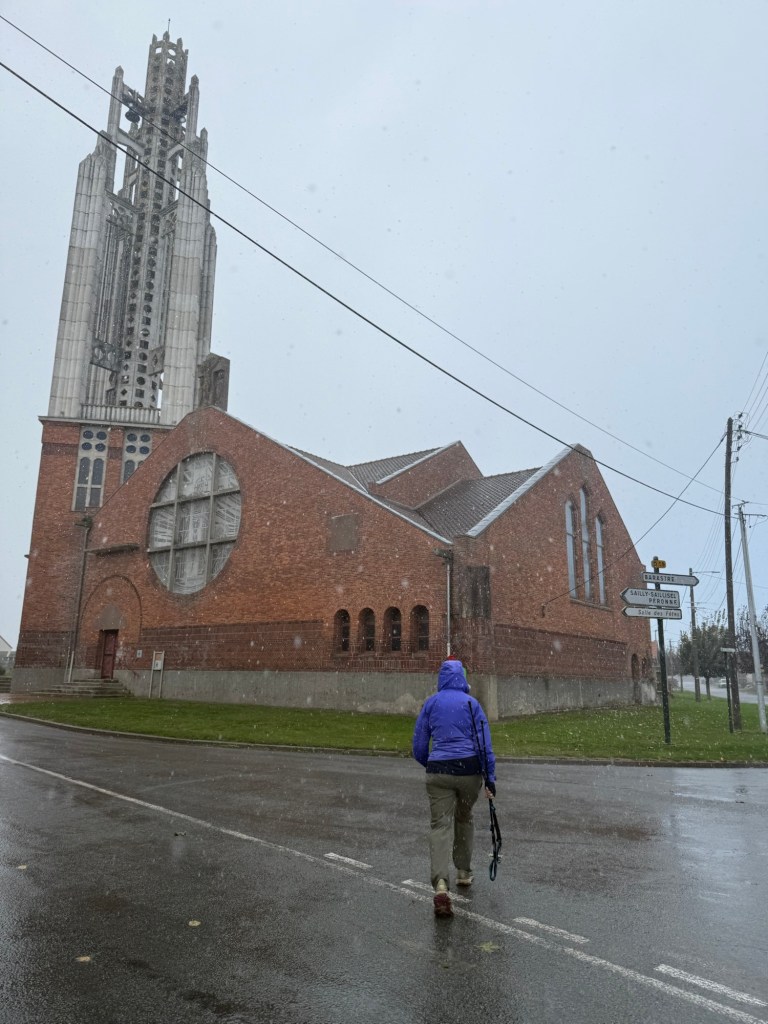
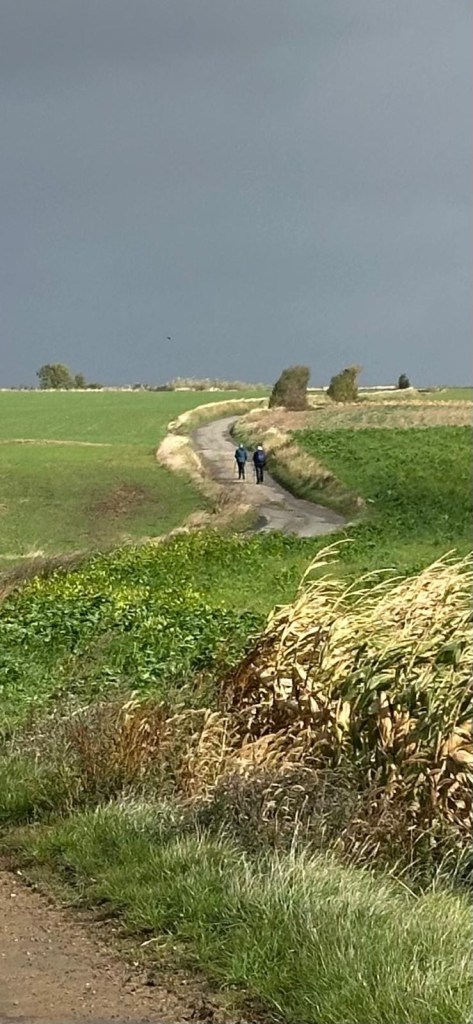
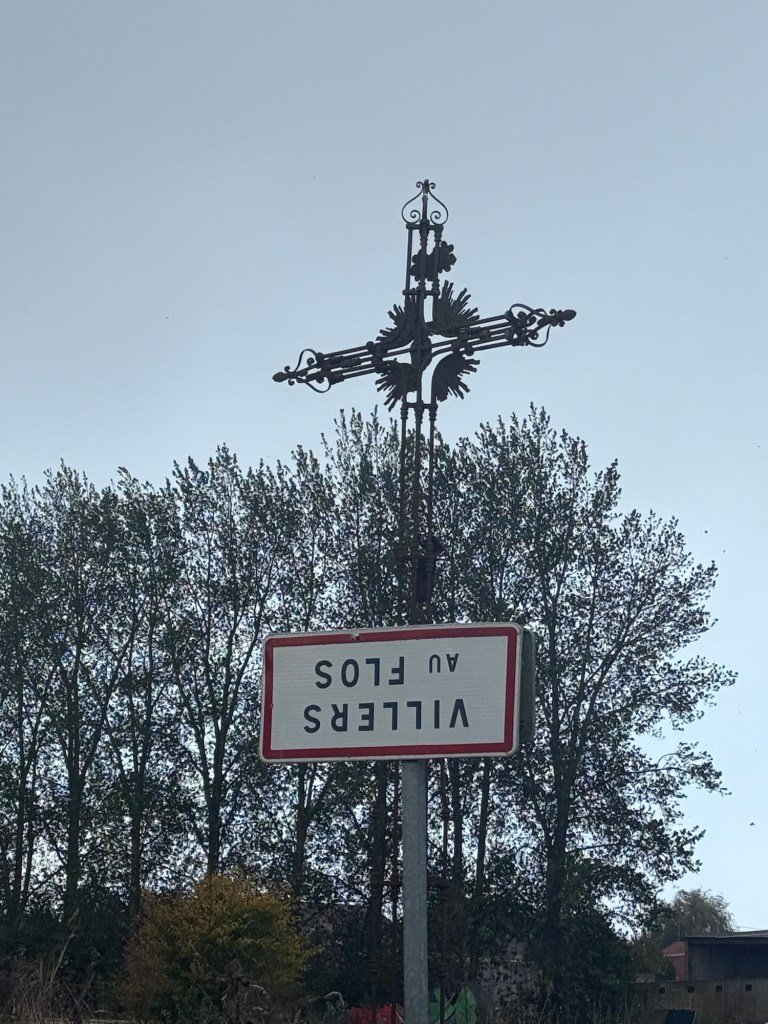
A transfer day today for us, we moved from Arras to Peronne and hiked backwards from Peronne to Villers au Flos to minimise driving. It was a tough day’s hiking with intermittent showers and very strong winds for most of the day.



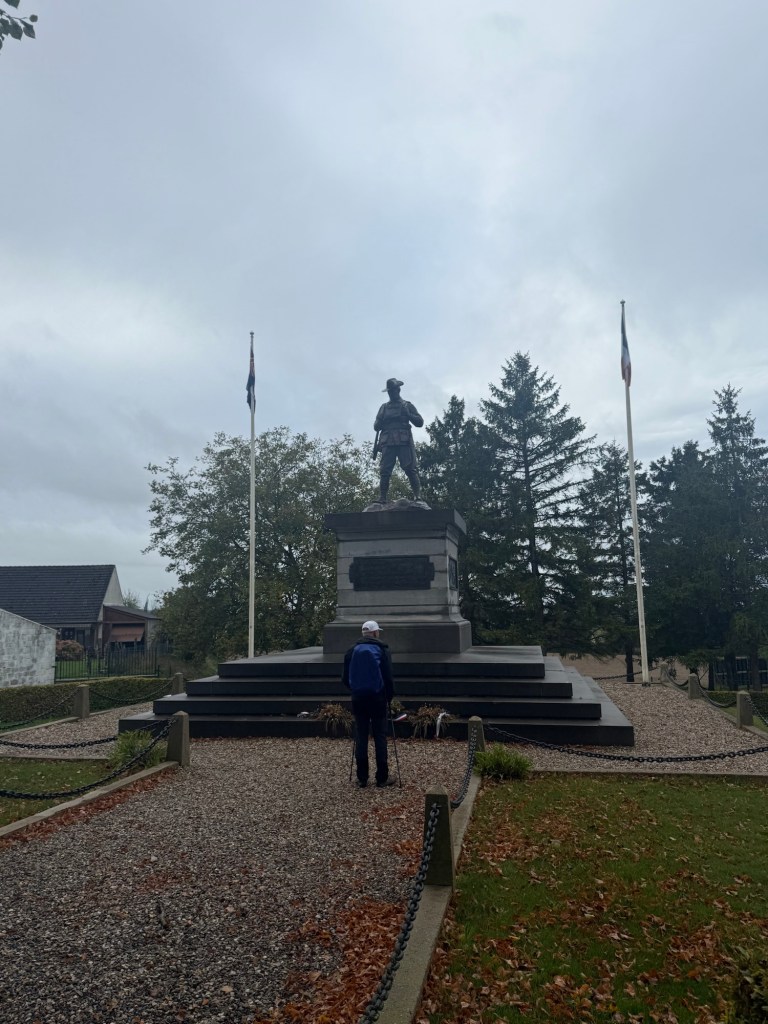
Information provided at the Memorial:
Mont St Quentin
31 August-1 September 1918
Some rated Mont St Quentin as the finest single feat of the war. The achievement surprised [Field Marshall Sir Douglas) Haig, amazed the German officer commanding Péronne, delighted the press and elated [Lieutenant General Sir John] Monash.
[Bill Gammage, Australian historian of the AIF)
By the end of August 1918 the men of the Australian Corps had been fighting almost continuously since the Battle of Amiens, which began just outside Villers-Bretonneaux on 8 August. They had advanced more than 25 kilometres against, at times, heavy German opposition and most infantry battalions were grossly under strength. Nevertheless, unwilling to let up the pressure on the Germans, Lieutenant General Sir John Monash, commander of the Australian Corps, decided to send his men against Mont St Quentin and the town of Péronne, the last remaining obstacles on this front between the British armies and the Hindenburg Line to the east.
Just after dawn on 31 August 1918, the Australian infantry attacked Mont St Quentin. To hide their deficiency in numbers the soldiers were ordered to ‘yell like a lot of bushrangers’! The Germans were taken completely by surprise and, despite their numbers, were driven from the hill. One German officer reported that it ‘had all happened like lightening and before we had fired a shot we were taken unawares. Later, however, the enemy recovered much lost ground and it took another day of heavy fighting before all enemy positions Mont St Quentin and in Péronne were in Australian hands.
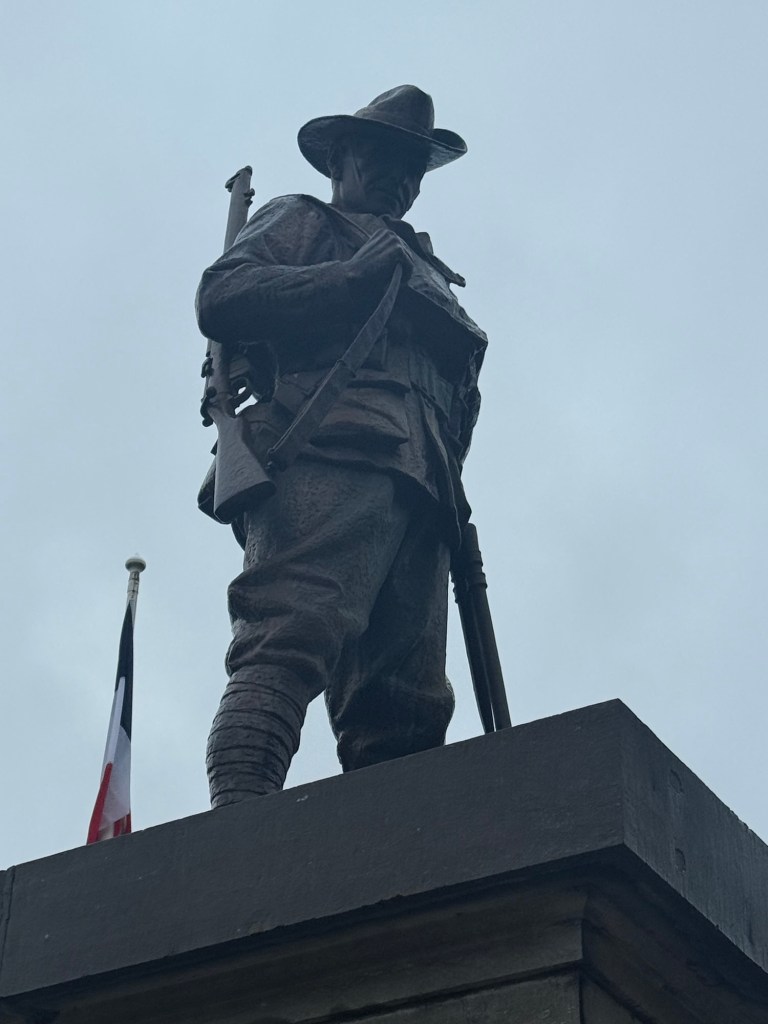
Second Division Memorial
The Second Australian Division
1914-1918
I am filled with admiration at the gallantry and the surpassing daring of the 2nd Division in winning this important fortress, and I congratulate them with all my heart.
[General Sir Henry Rawlinson, General Officer Commanding, 4th British Army, 1918]
The Second Division of the AIF (Australian Imperial Force) was formed in Egypt in July 1915. In late August, the division went to Gallipoli where it took part in operations north of the old Australian and New Zealand Army Corps (Anzac) position at Anzac Cove. The Second remained on duty at Anzac Cove until the evacuation of December 1915 and, in April 1916, soldiers of the division were the first Australians to enter the trenches of the Western Front south of Armentières. Thereafter the division fought between 1916 and 1918 in virtually all major Australian actions in France and Belgium. During the war the Second Division lost 12,588 dead, and more than 35,935 wounded.
After the war the Second Division built its memorial here at Mont St Quentin, Between 31 August and 1 September 1918, it captured a significant German stronghold on the hill beyond the memorial, overlooking the town of Péronne and the River Somme. The stronghold was central to the German position east of the Somme and its loss was crucial in obliging the Germans to fall back further east to the Hindenburg Line. The site was given to the Second Division by the Mayor and Council of Mont St Quentin and officially unveiled by Field Marshal Ferdinand Foch of France on 30 August 1925.
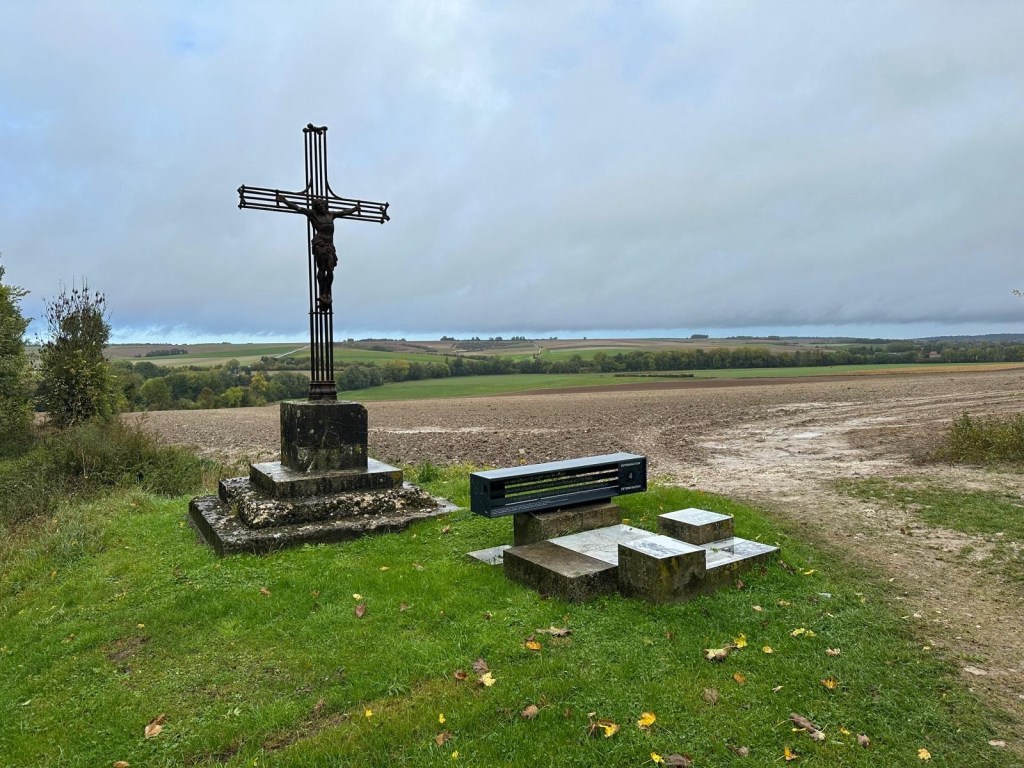
Faced with strong German resistance and exposed to fire from Bouchavesnes Ridge, the Australian soldiers suffered heavy losses as they advanced towards the summit of the mount.














 Morocco Food Tour
Looks like the sun came out!❤️
LikeLiked by 1 person