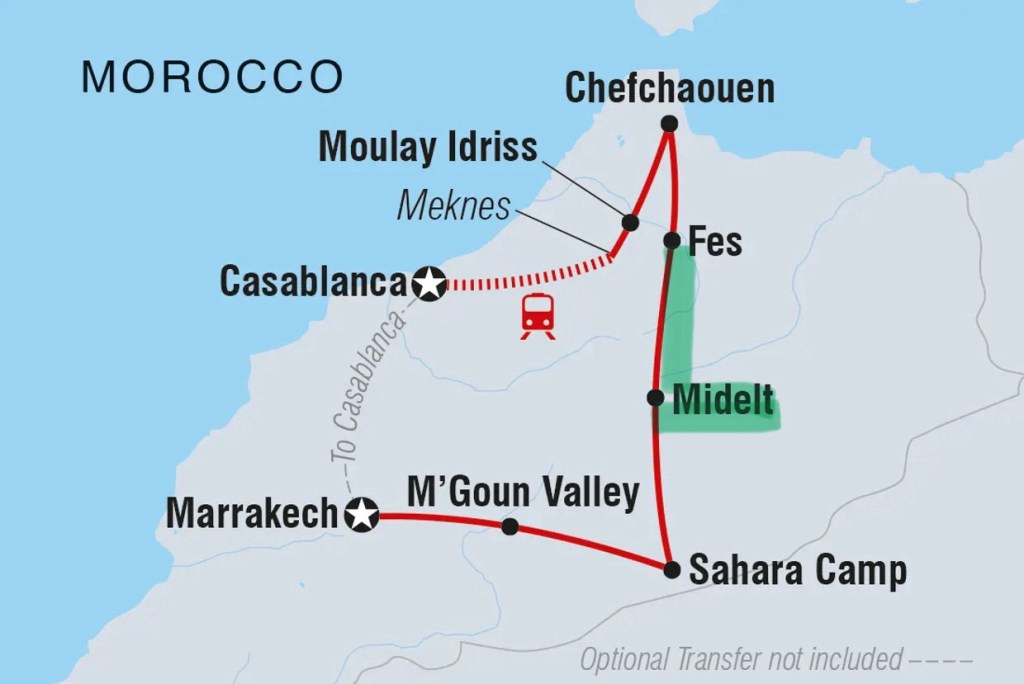
A day of mainly spent driving today, which I love but I think I’m one of few. We only spent about 4 hours in our van but Sarah had to take a taxi from Fes back to Casablanca airport to retrieve her (missing) luggage and then to Midelt … about 11 hours in a taxi!! Worth it to get her clothes though.
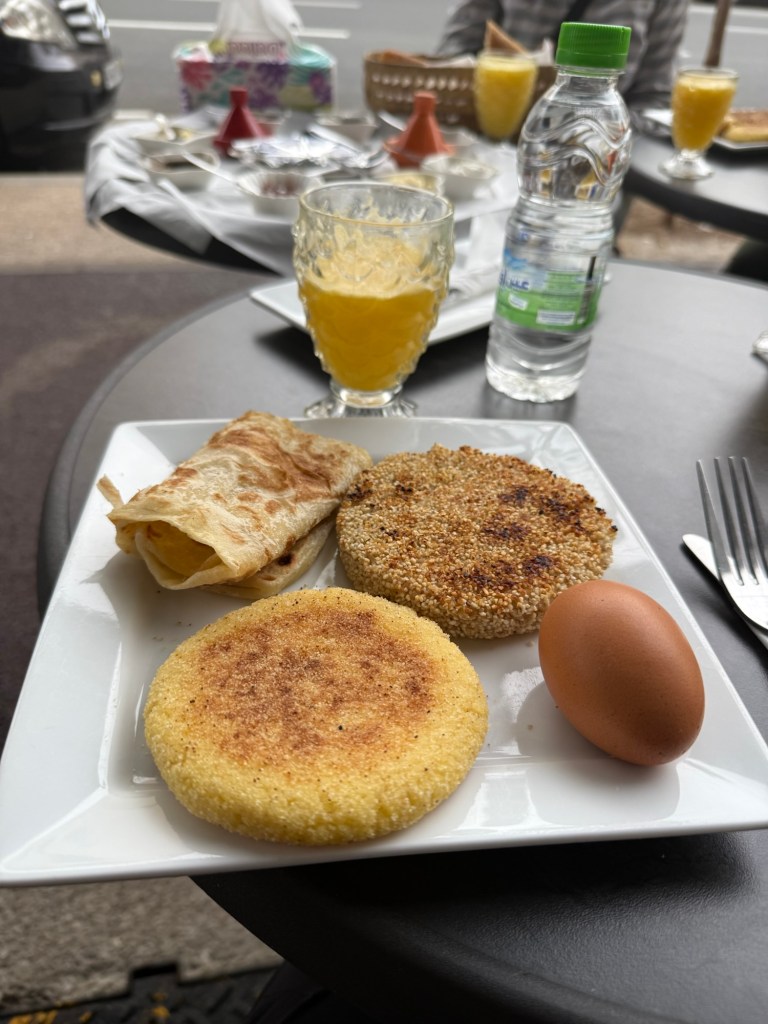
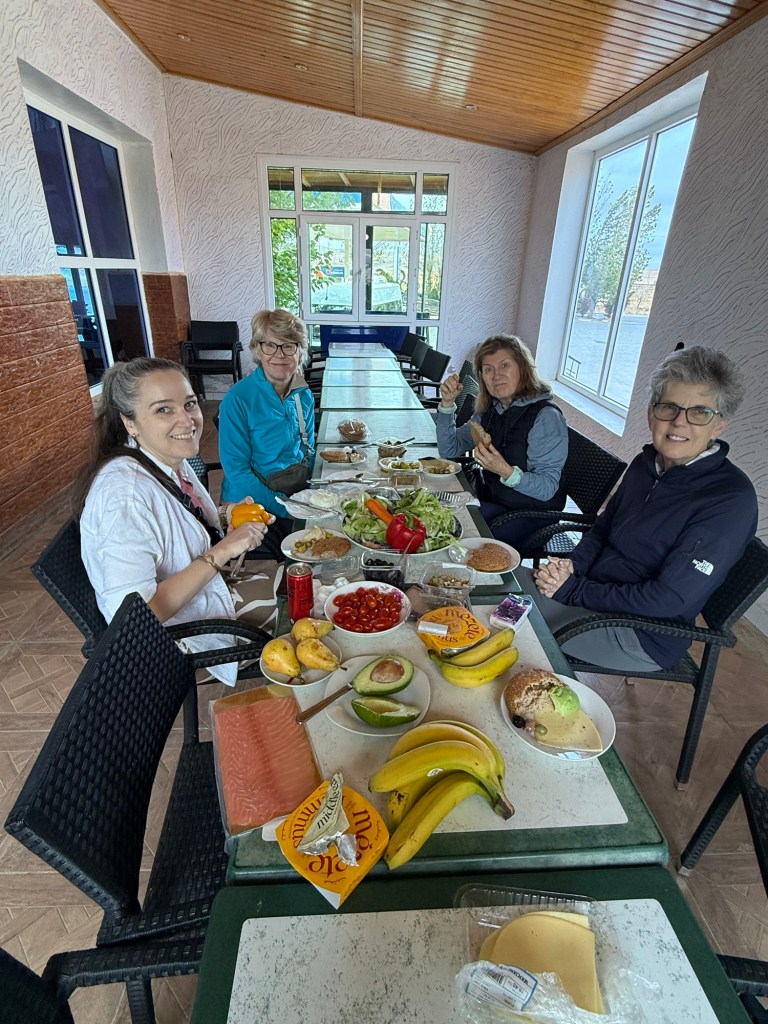
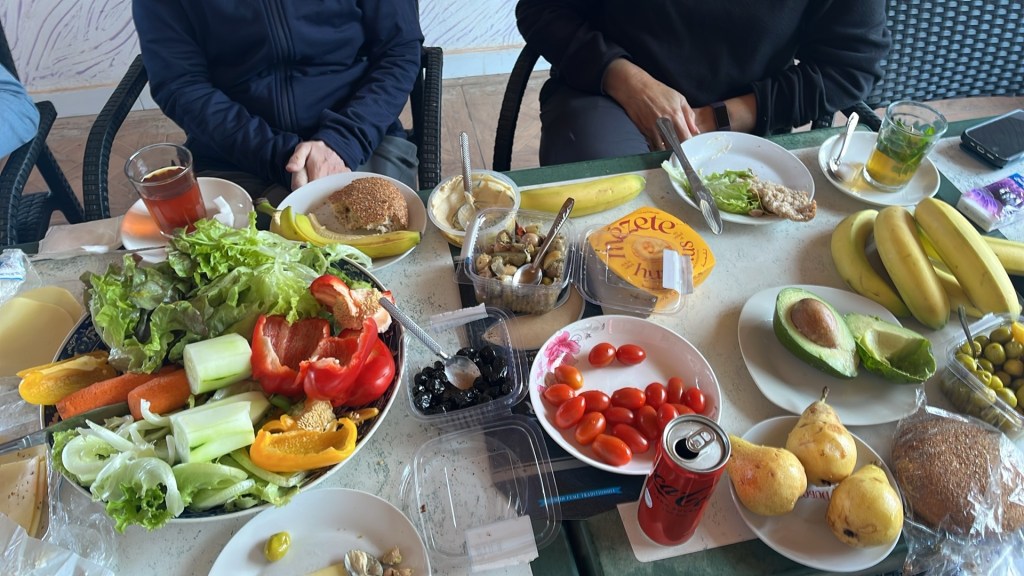
We all had a street breakfast at a cafe in Fes before Sarah went her way and we headed south to Midelt with a couple of break stops on the way including a picnic lunch.
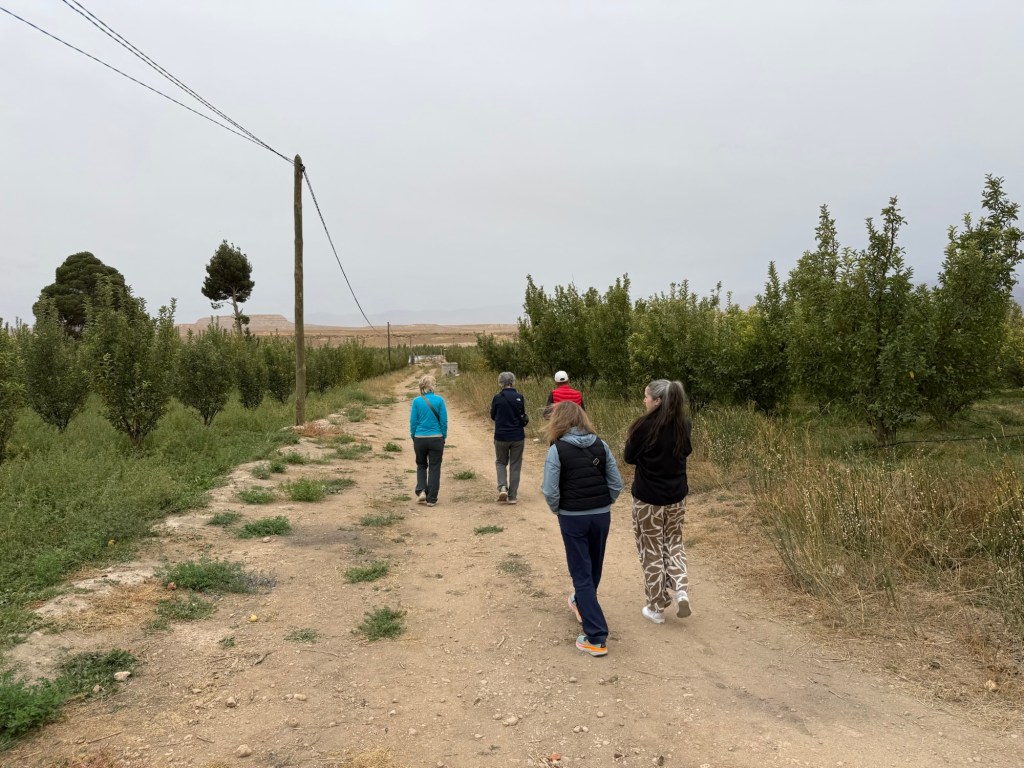
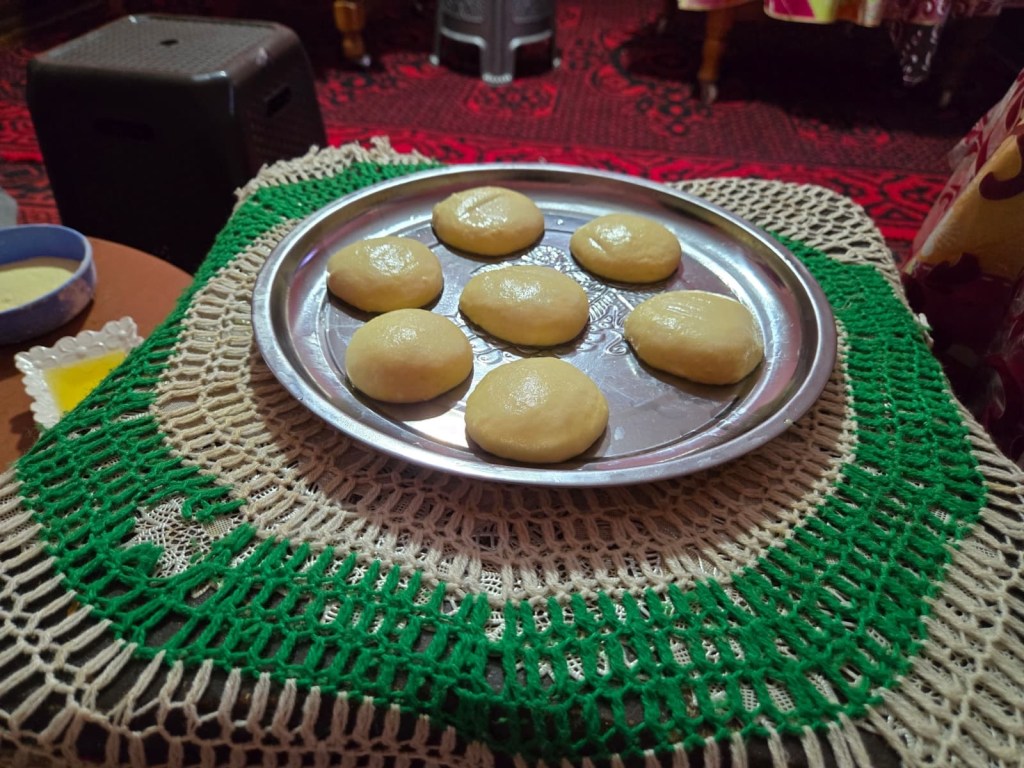
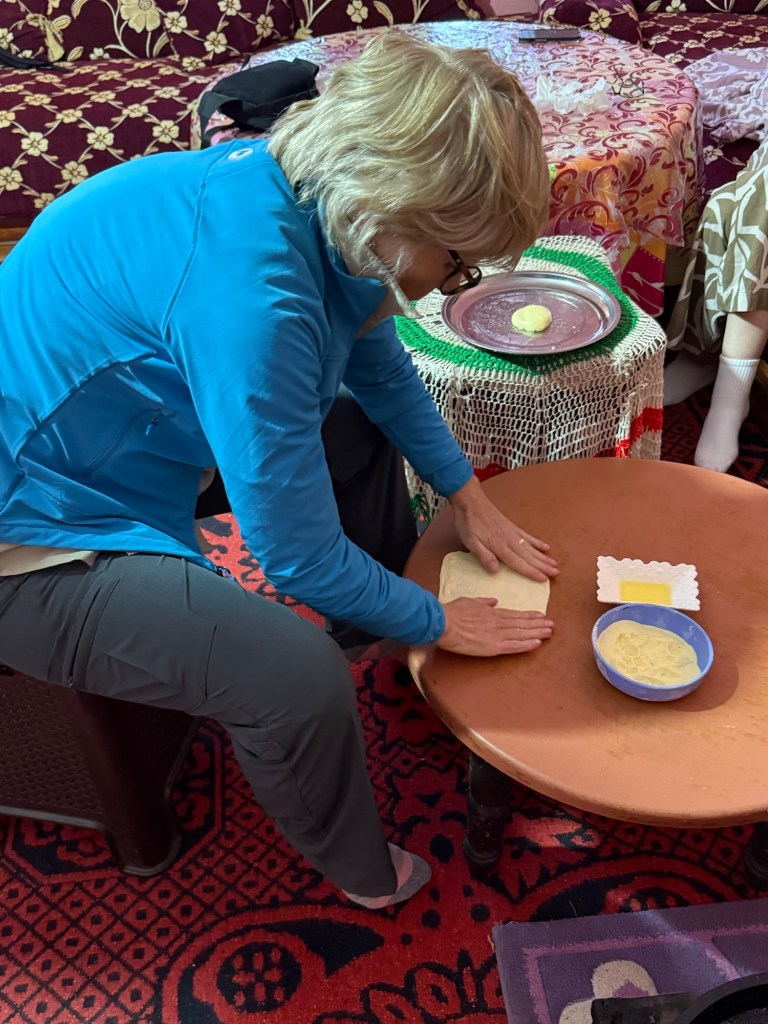
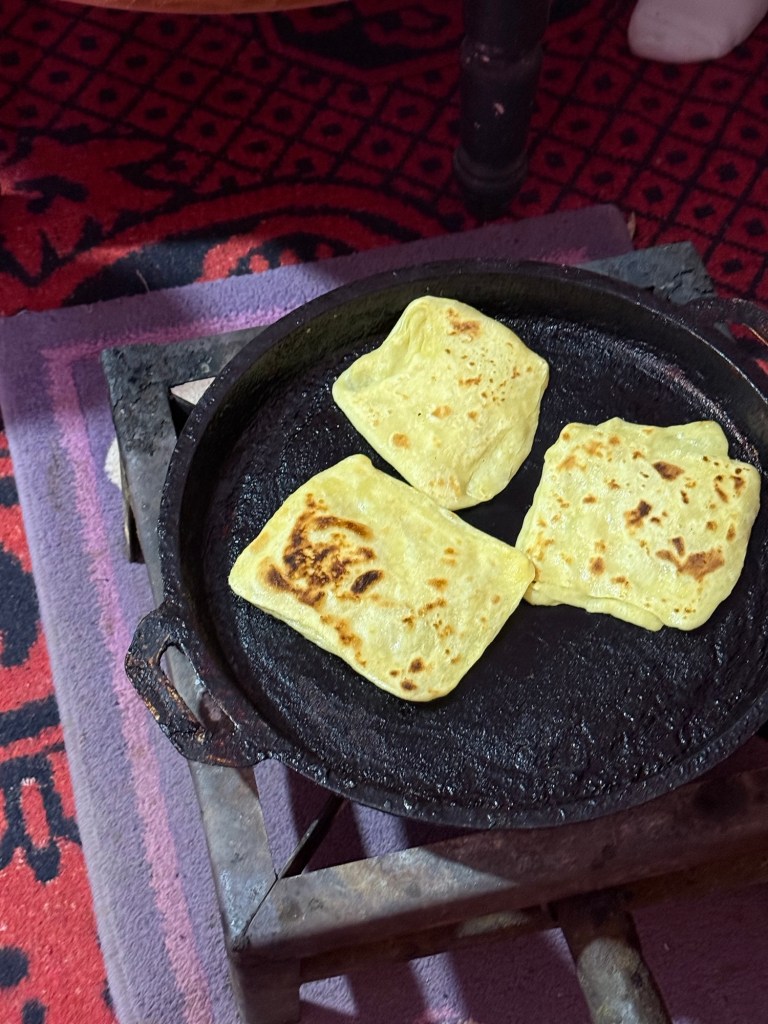
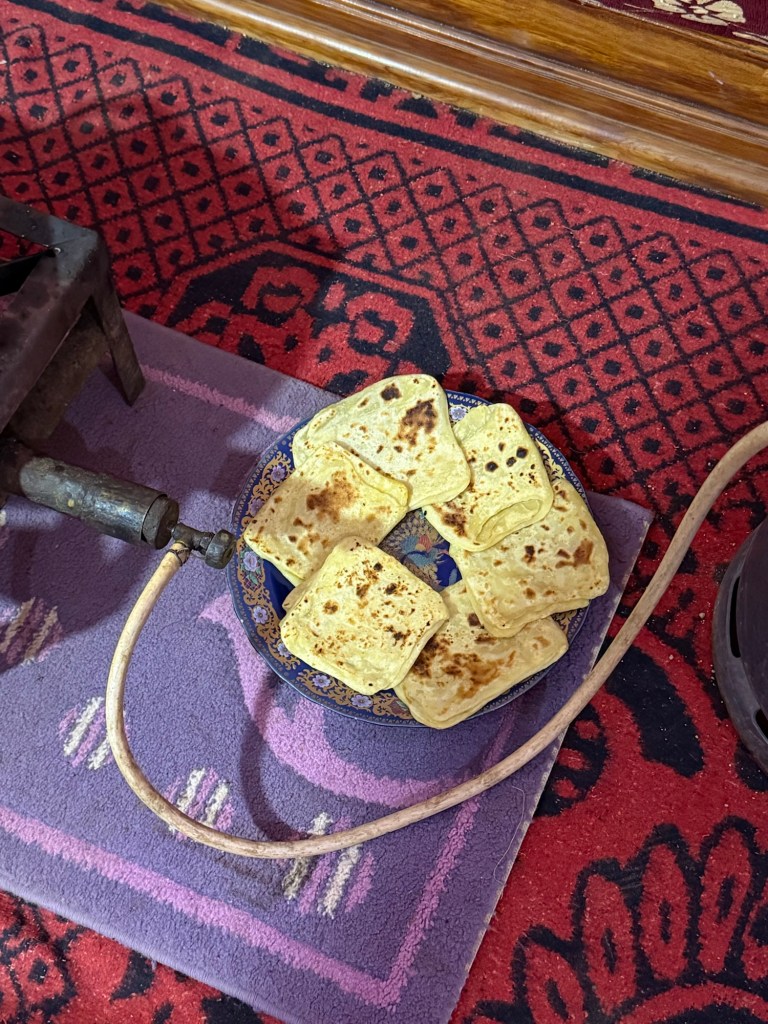
After arriving at our hotel (upgraded to a riad) we visited an apple farmer and his family, walked through his farm and village and then learned to make Moroccan pancakes.
Home to the hotel then dinner… with Sarah who made it back just in time.
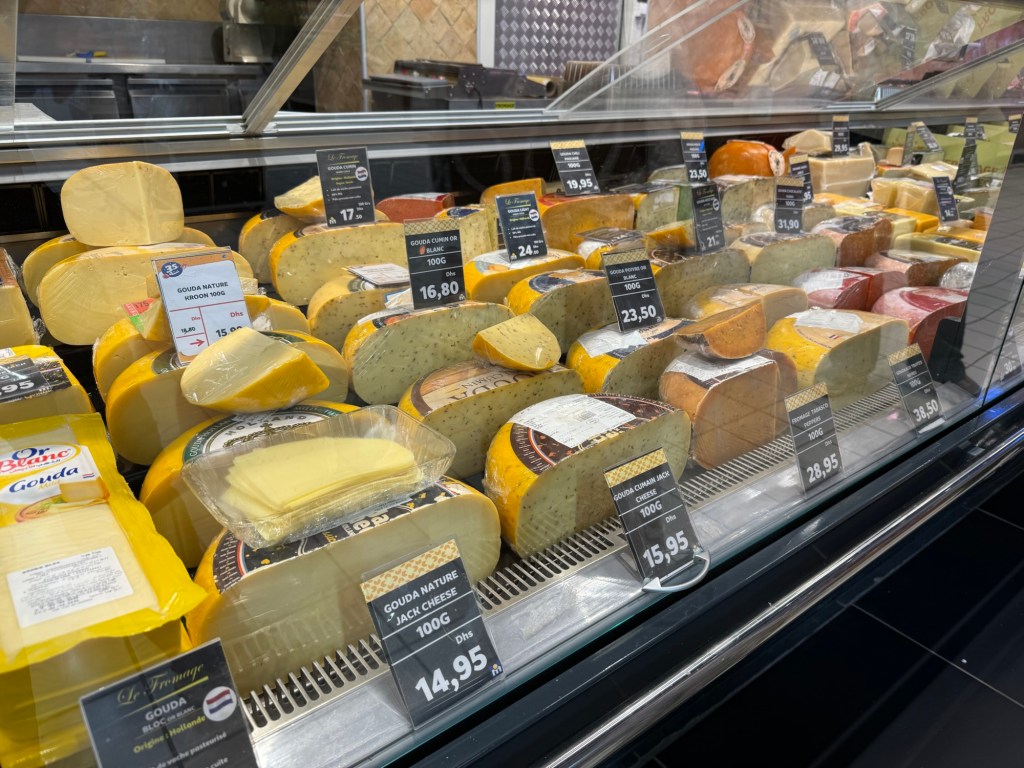
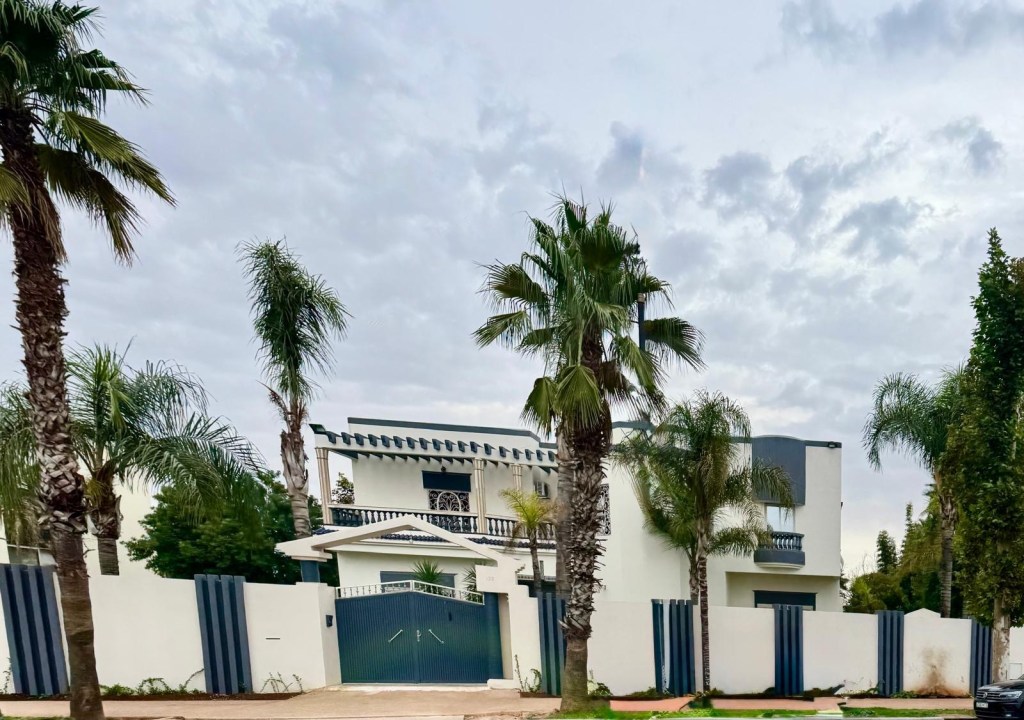
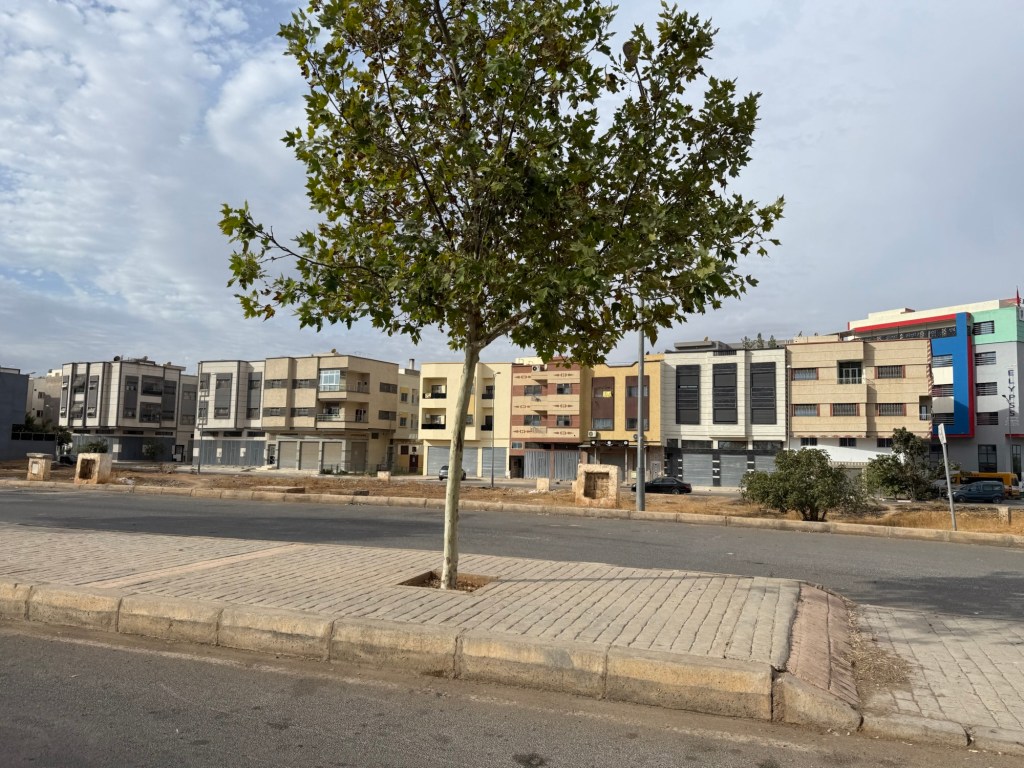
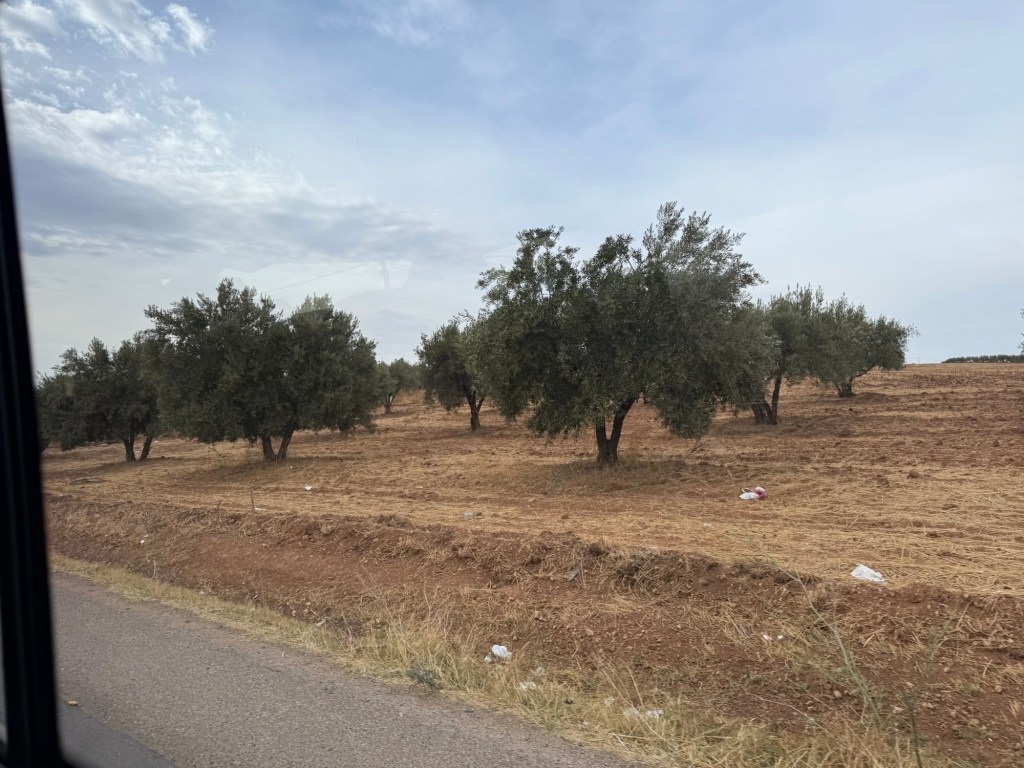
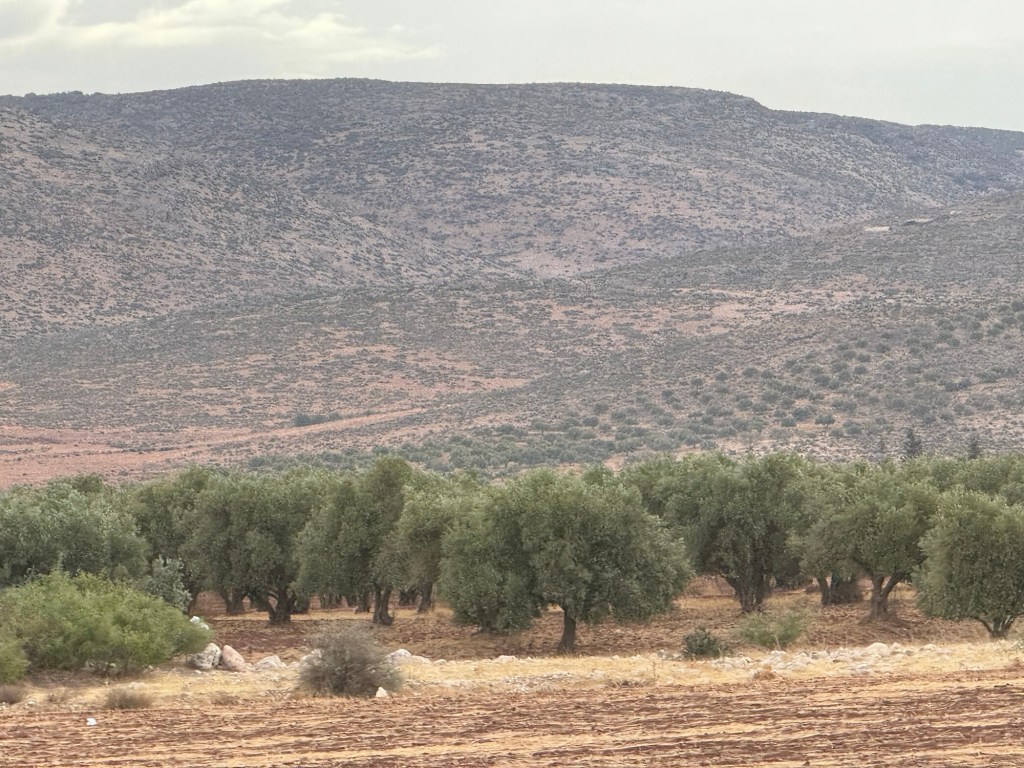
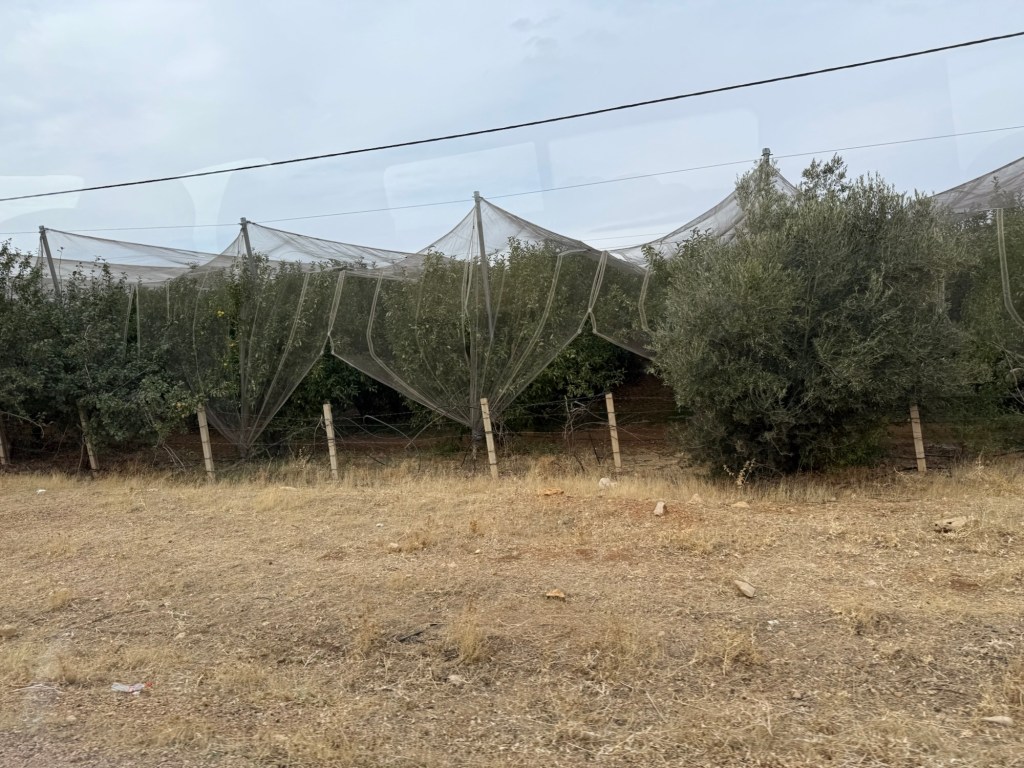
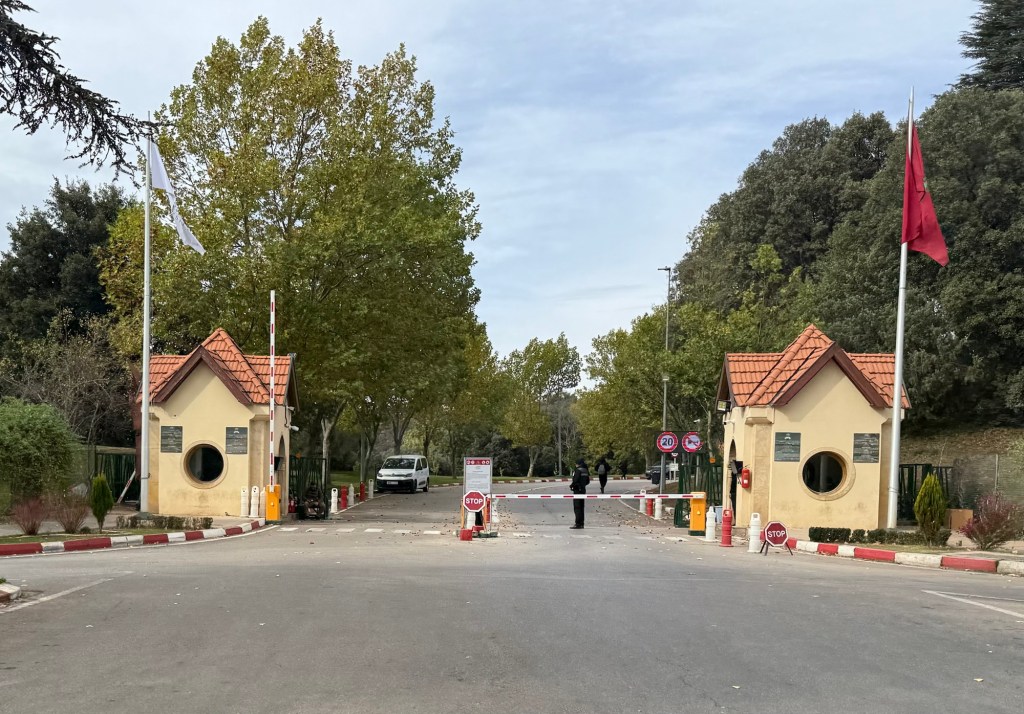
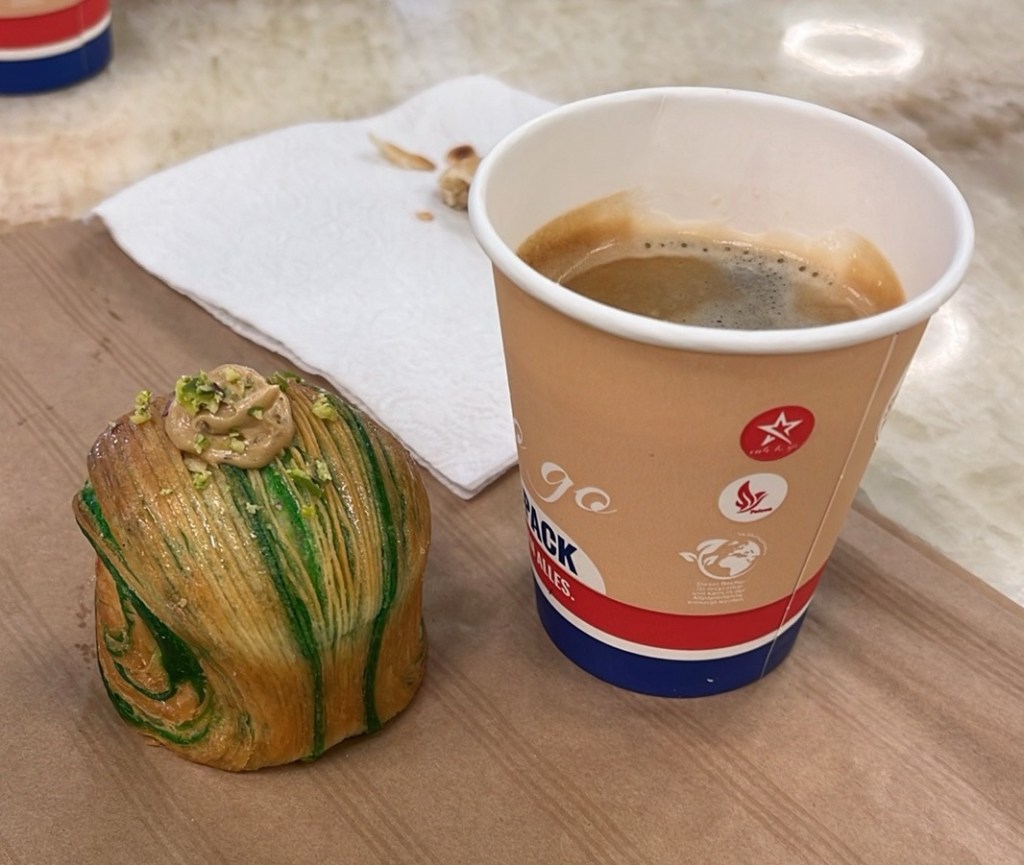
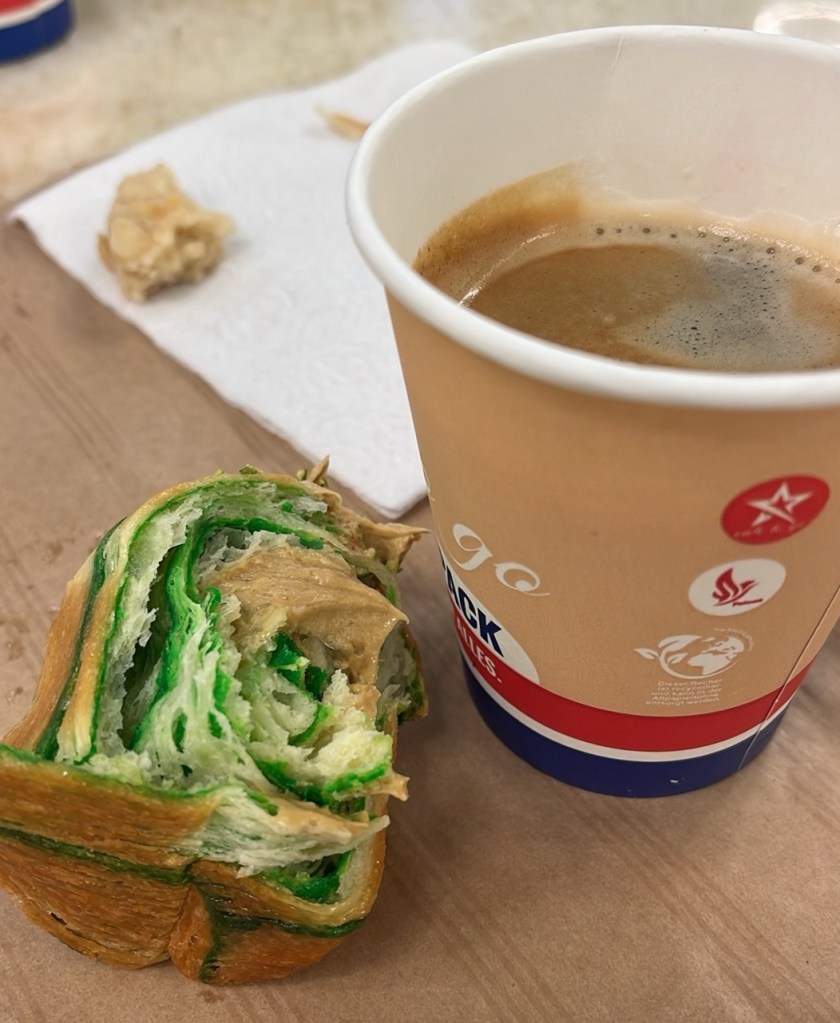
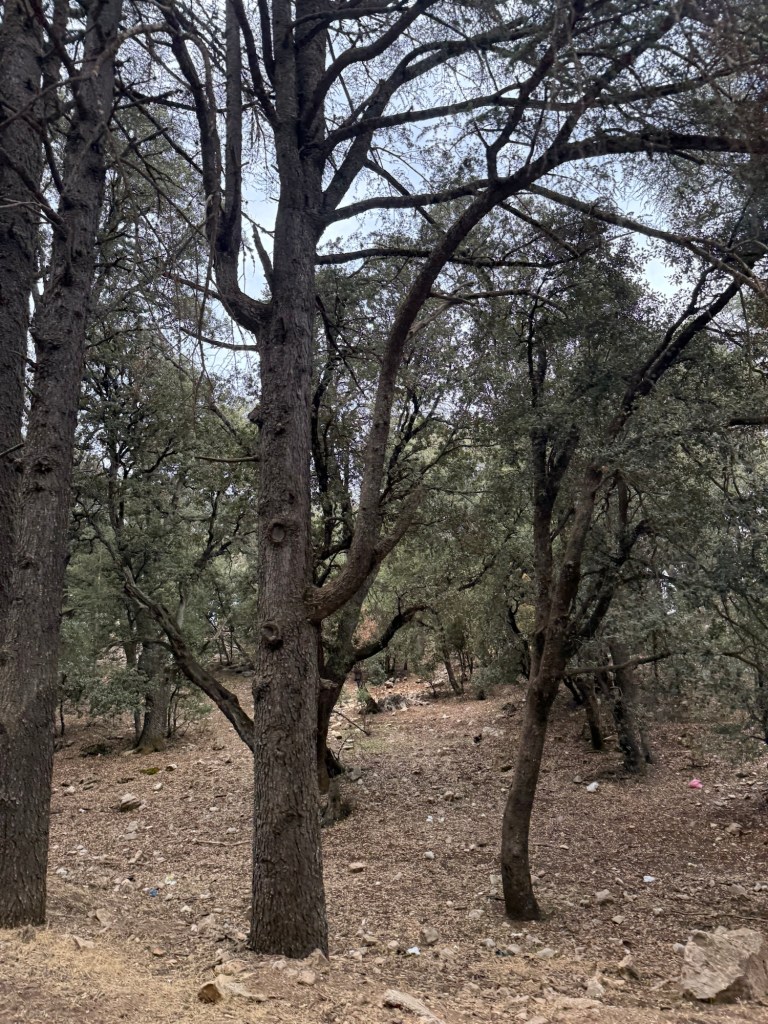
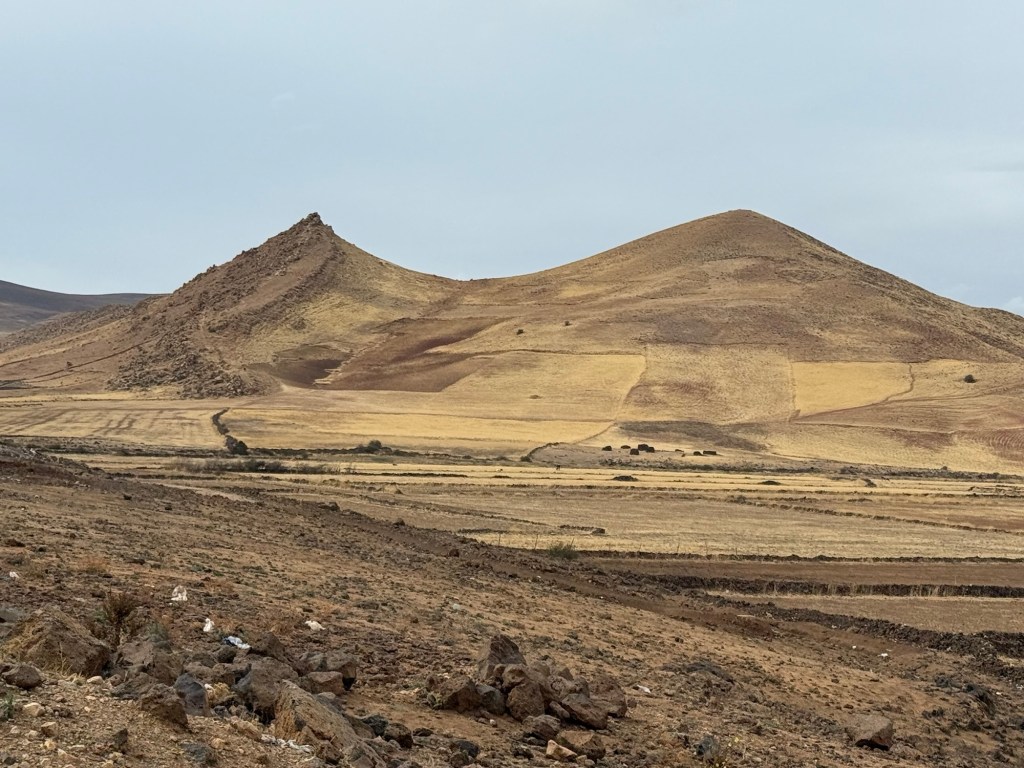
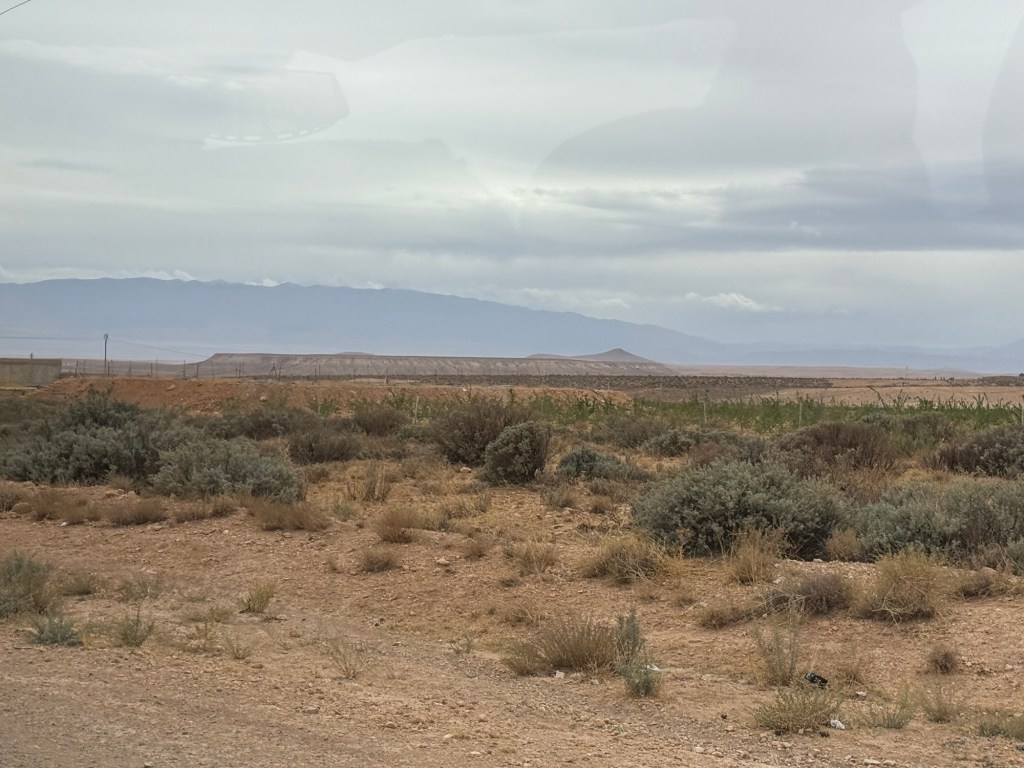
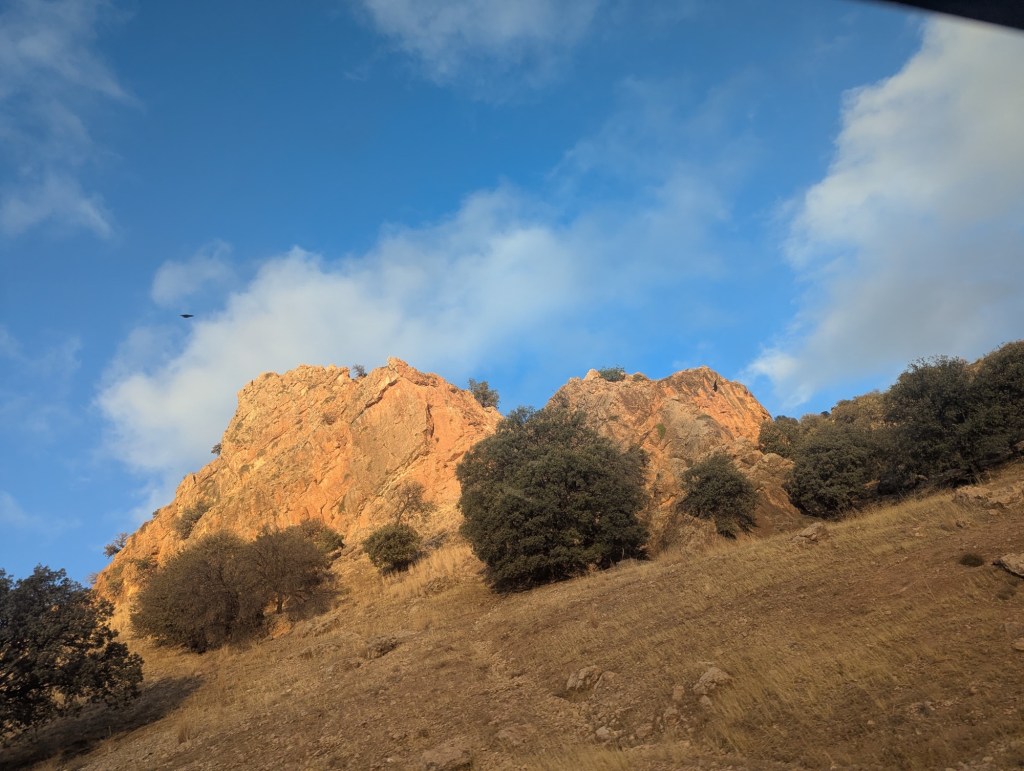
Street breakfast Inside the cafeShopping for our picnic… including black Gouda cheese with lemon (yum)Affluent housing as we left FesAnd lots of apartments Back into the countryside… olivesOlives, cherries and peaches grow on the plainsInto the Middle Atlas Mountains that reach up to 3600m and have snowfall in winter. Pine trees are planted to stop erosion on the hillsides. This area is the apple capital of Morocco, the trees are covered to protect them from hail.Al Akhawayn University School of Business Administration, a private university that is popular with many AfricansIfrane, (that means “caves” in Berber) is known as “Swiss Morocco” because it can receive up to 1m of winter snow and has ski runs. It is also popular in summer because it is cooler than the big cities and also with athletes for altitude training.Morning teaFilled with almond cream but the green disappointingly tasted of nothingCedar trees in the High Atlas rangeThere are a range of animals in this area including wild boar and partridge which are hunted (with a licence)
Youssef explained to us about why muslims don’t eat pork (or wild boar). Essentially muslims don’t eat any animal that eats another animal because it is believed to increase the bacteria in their systems and so makes it more dangerous to eat, especially in the times when refrigeration was not available.
Halal food is a description of the way in which the animal is slaughtered. To be halal they need to use a large sharp knife, face Mecca, kill quickly & painlessly and ensure all blood is drained out to prevent infection. Both practices have become part of religious/cultural norms that are borne out of health needs.
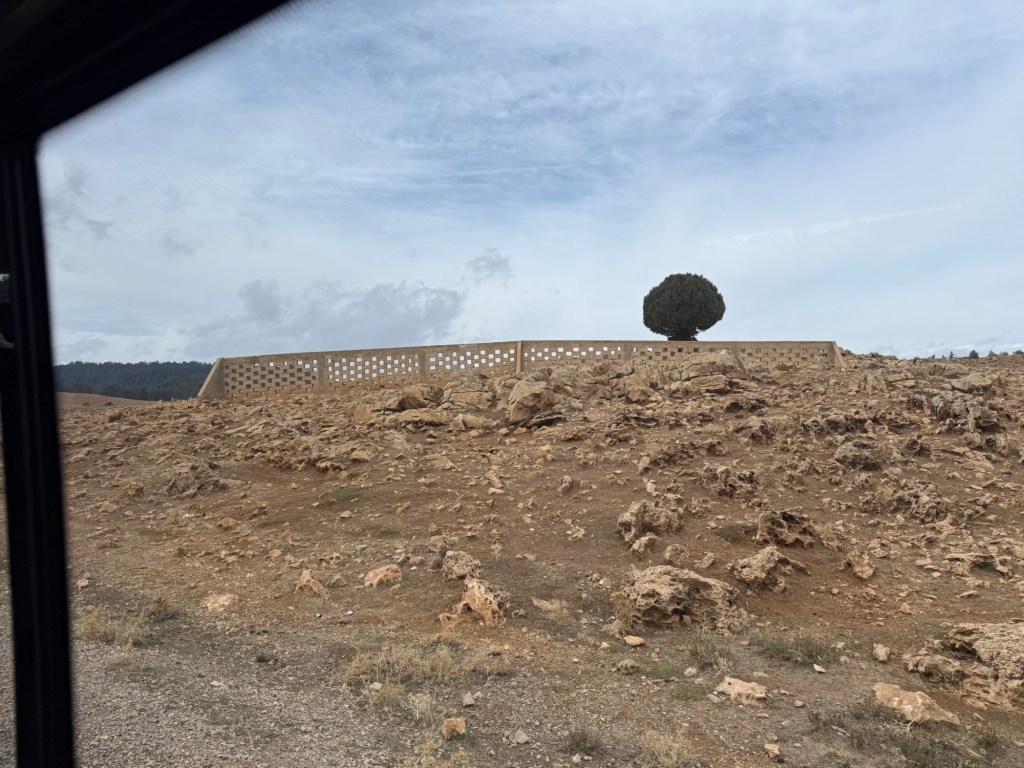
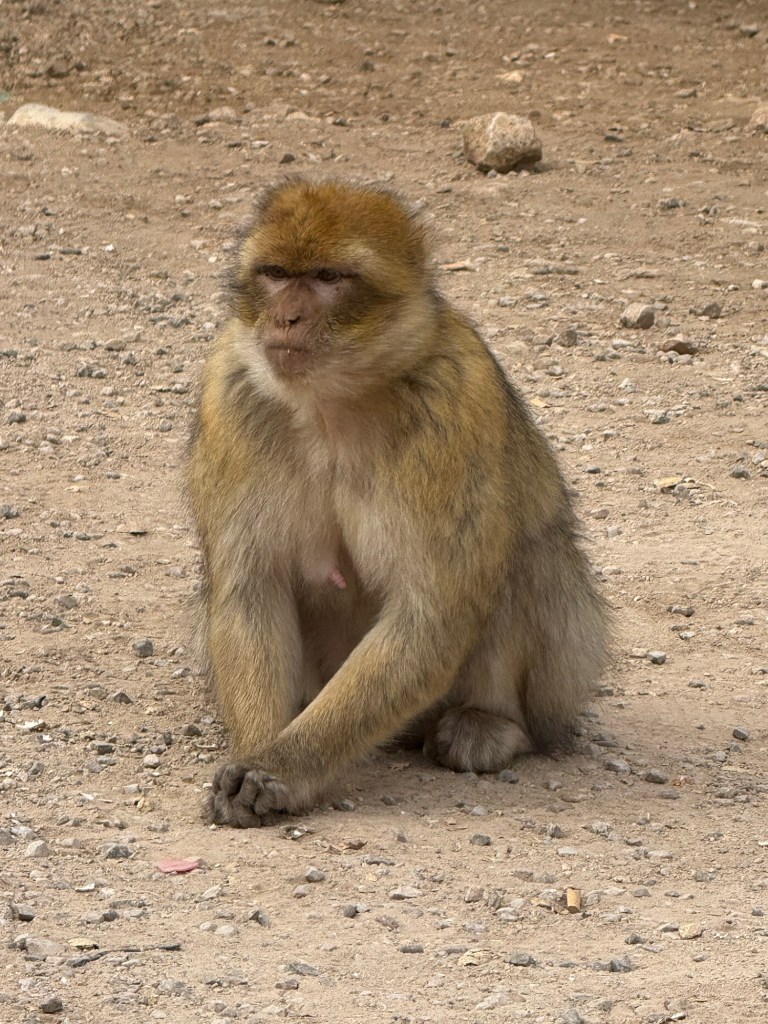
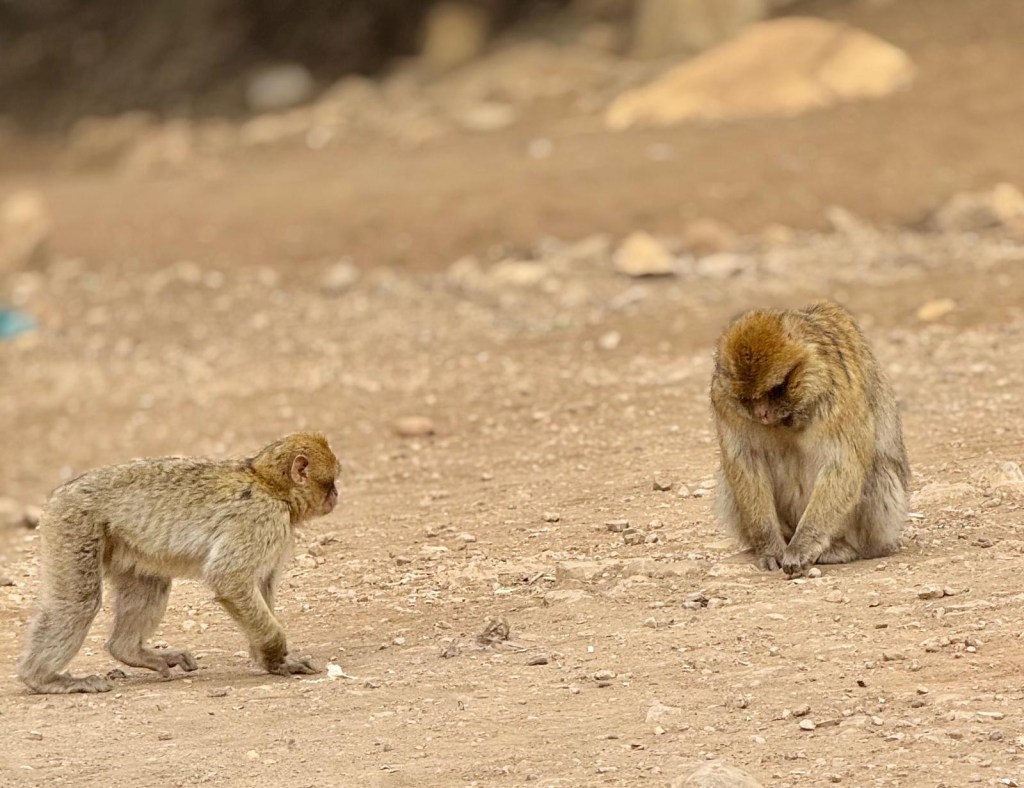
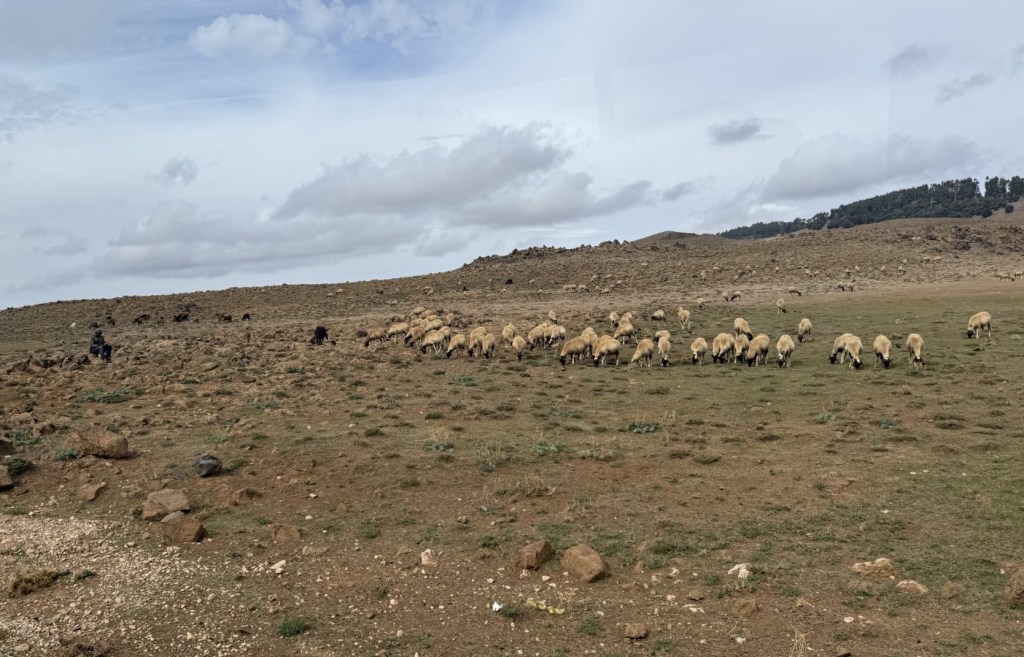
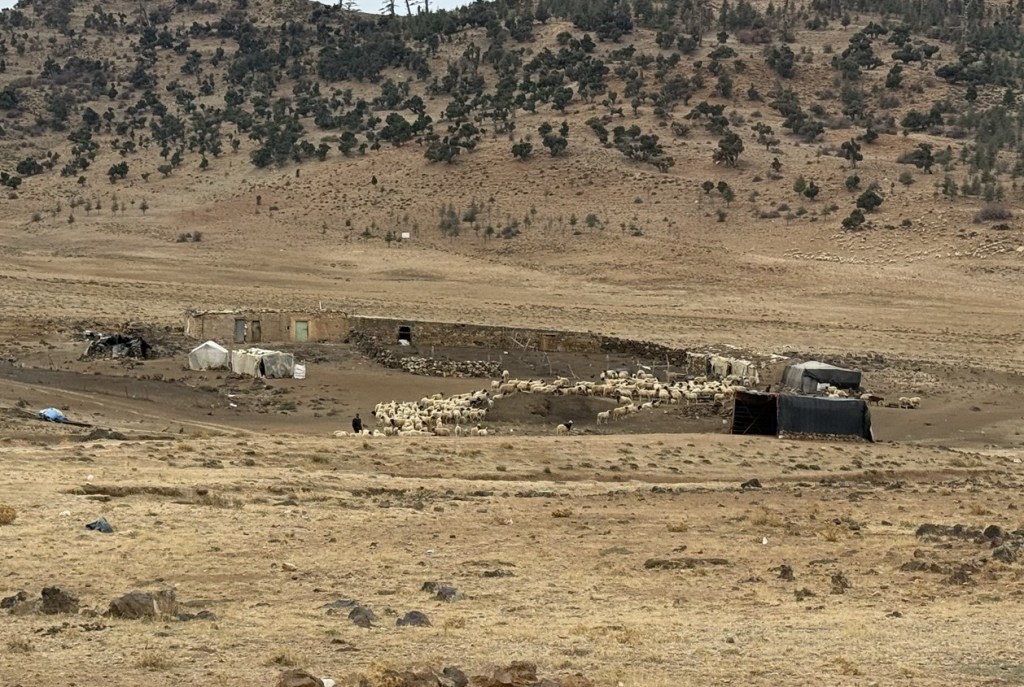
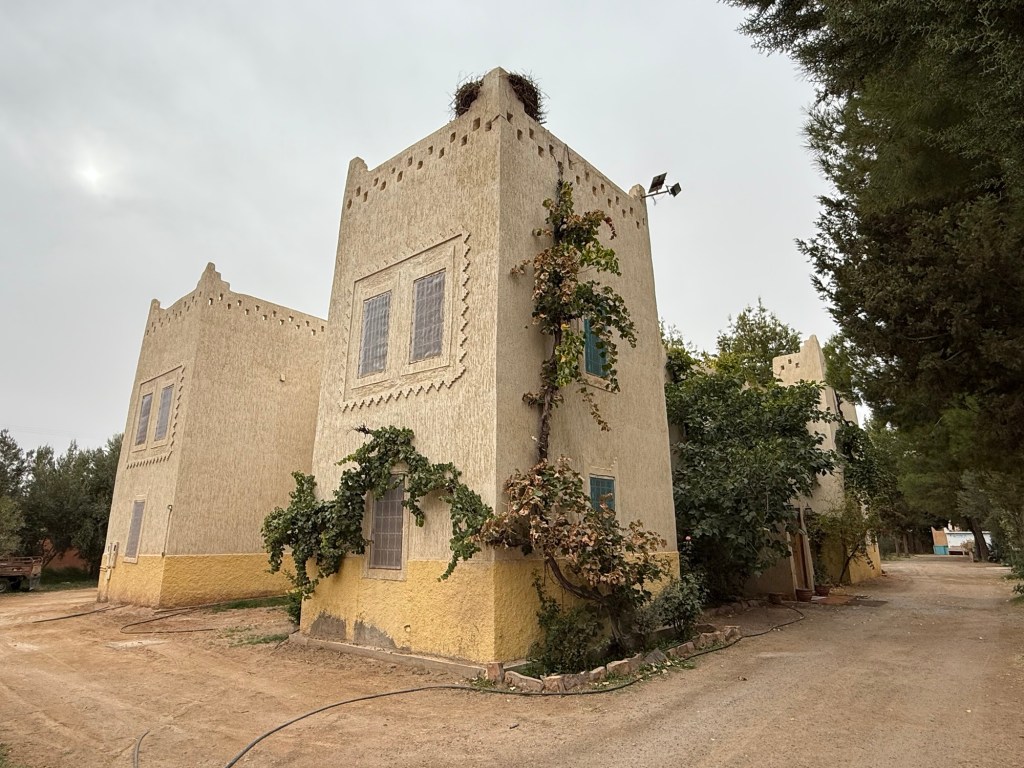
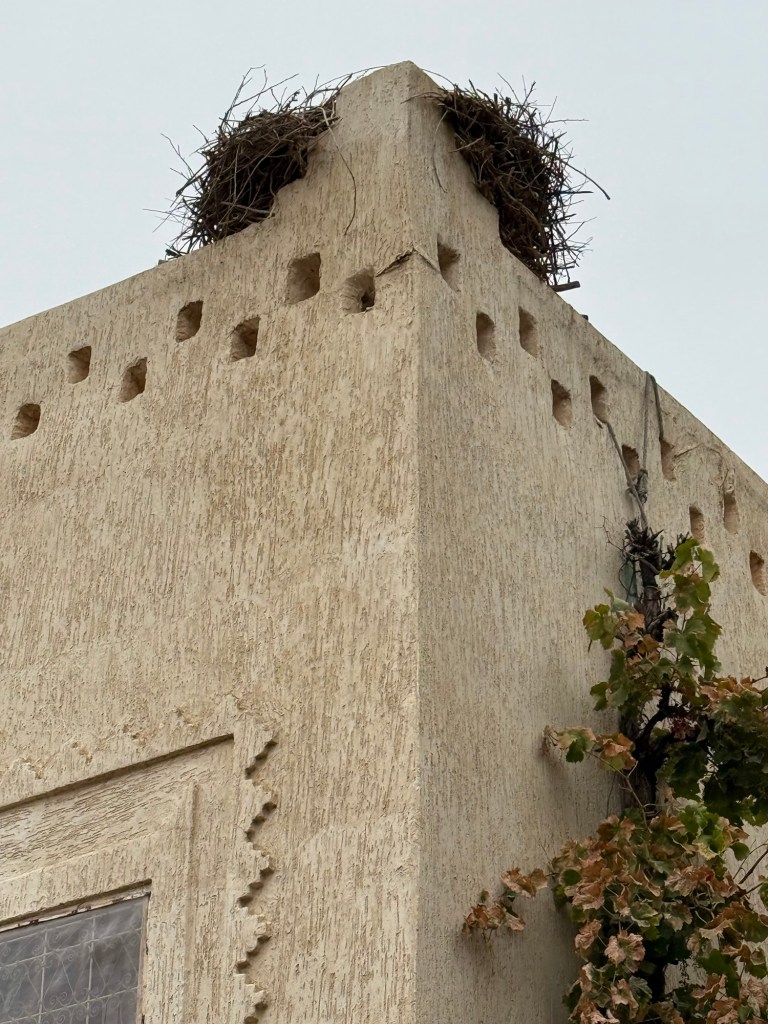
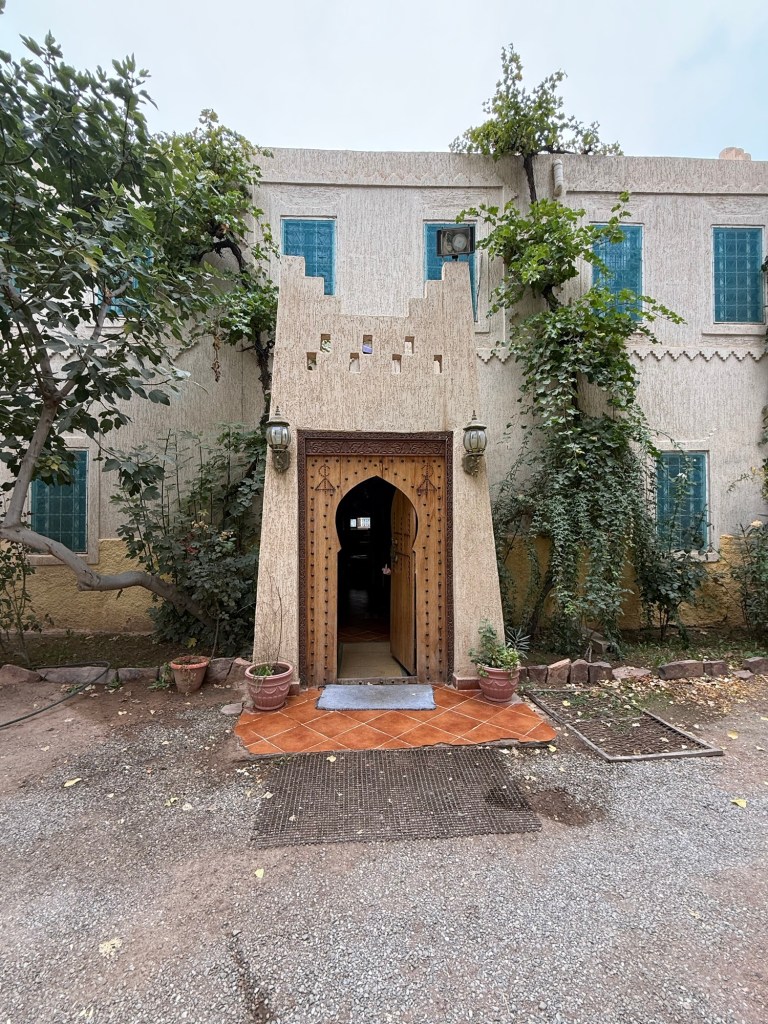
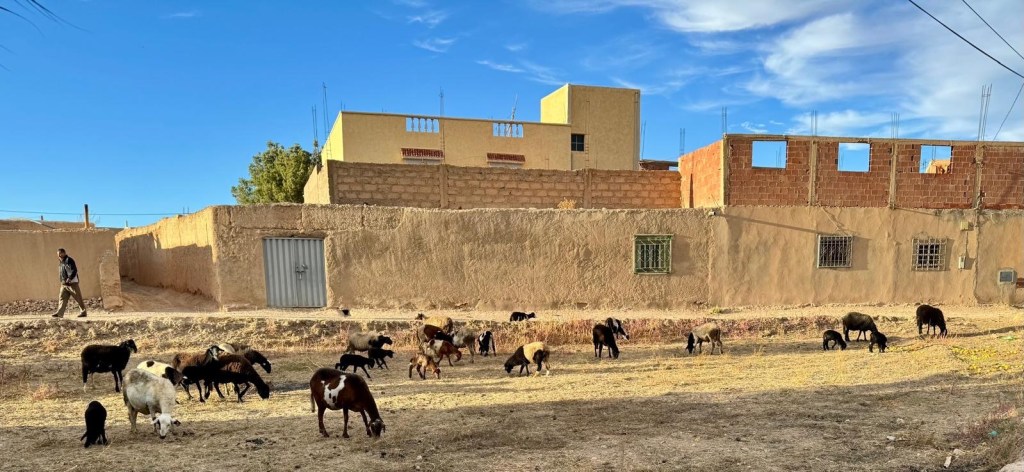
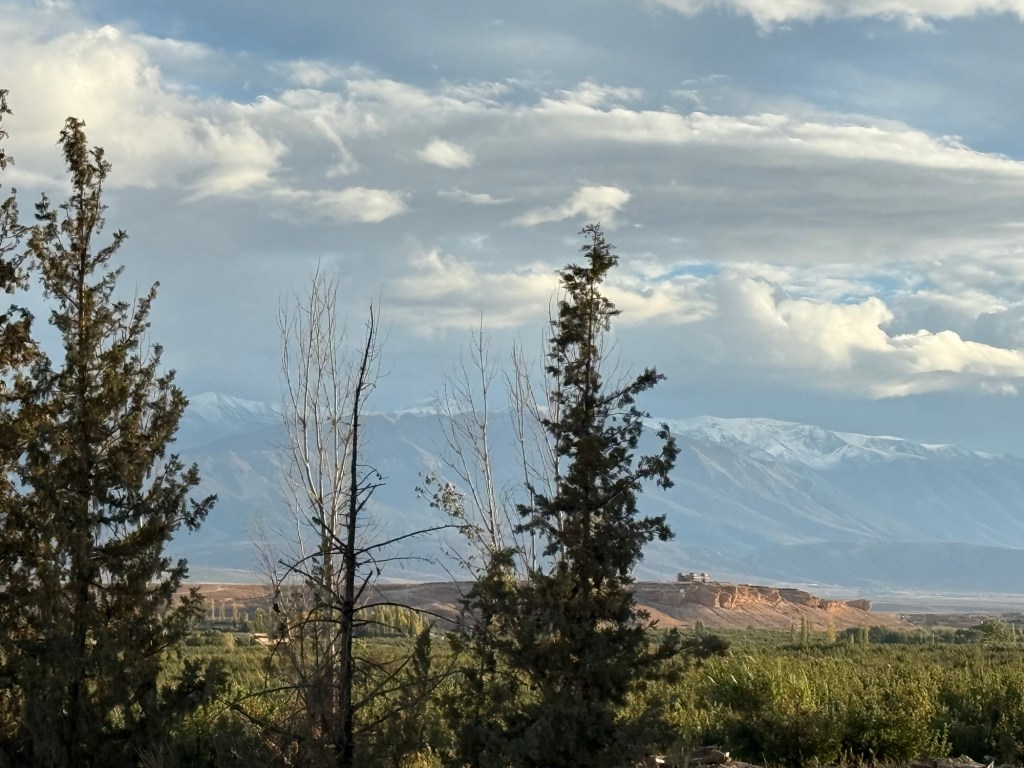
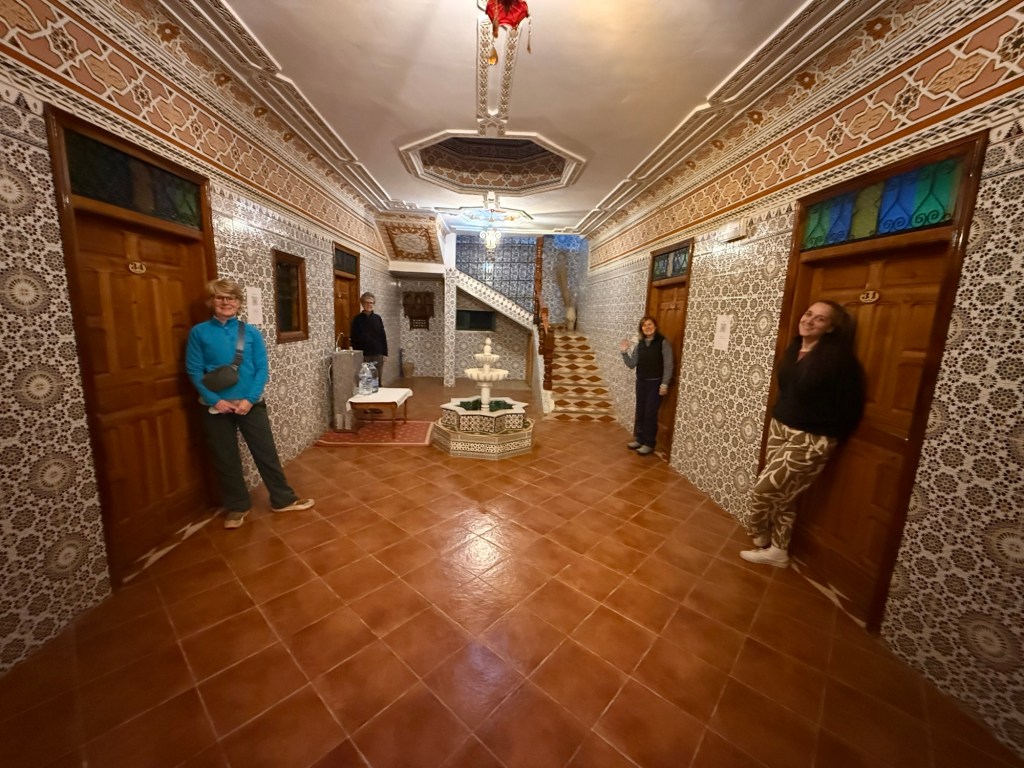
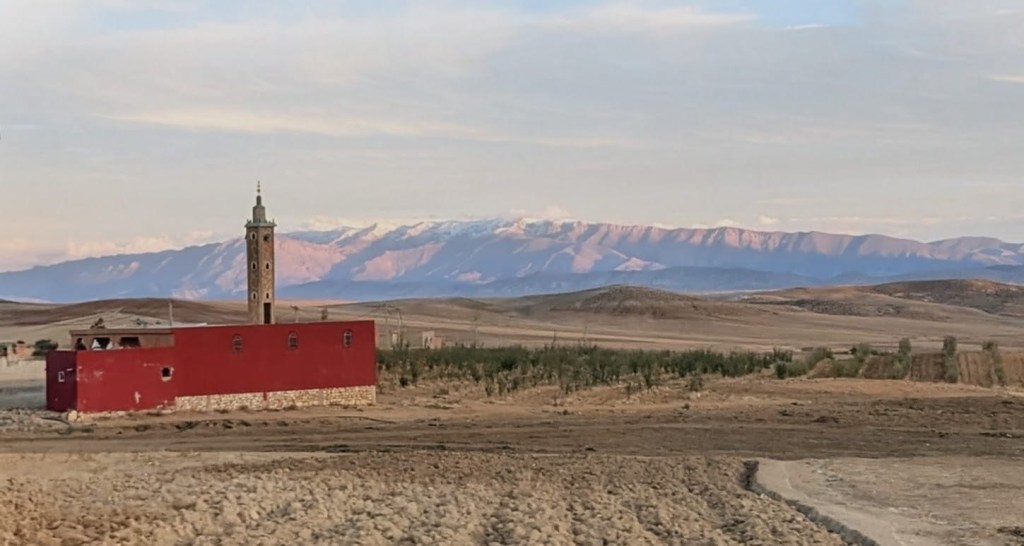
Barriers to protect the roads from snowMacaques/Barbary apes, indigenous to this area and the same as seen in GibraltarSahrawi nomads are shepherds who spend summer in the mountains and winter in the valleys. In the Middle East they are known as BedouinsNomads housingLunch picnic at a roadside cafeThere are three ranges in the Atlas Mountains – Middle Atlas that we saw this morning, High Atlas that we saw part of this afternoon and Anteatlas which is the lowest of the three.High Atlas in the distance Our riad (hotel) near MideltNote the stork’s nest We got upgraded from the hotel to the riad, a traditional Moroccan house or palace with an indoor garden and courtyard.In the hotel gardens
Off to the apple farm for a guided tour with Zaid.
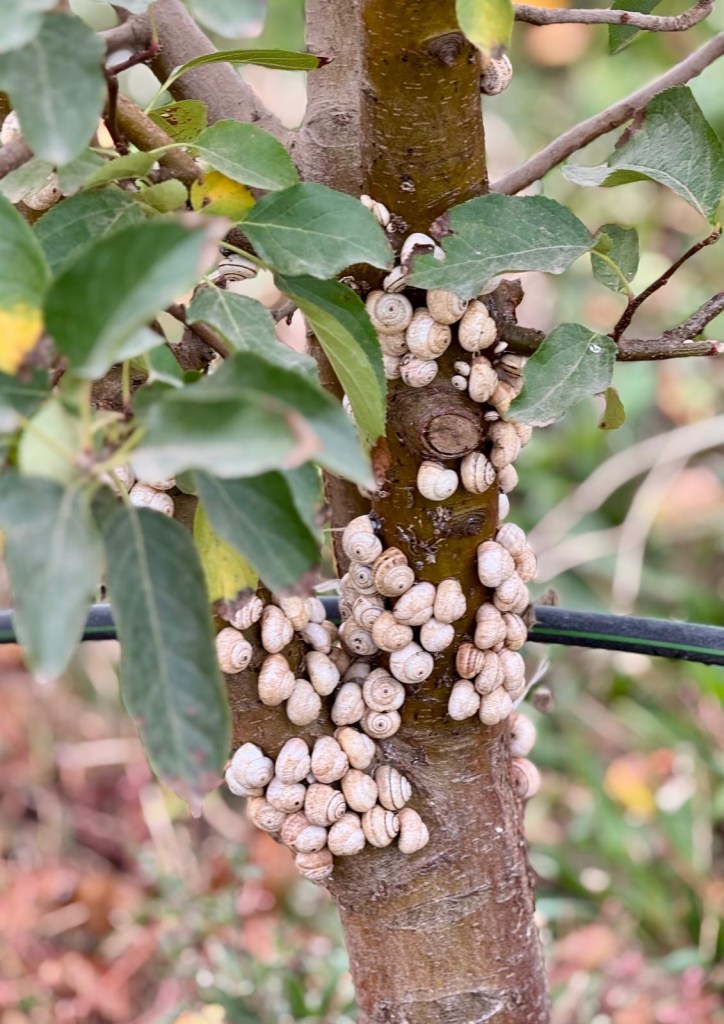
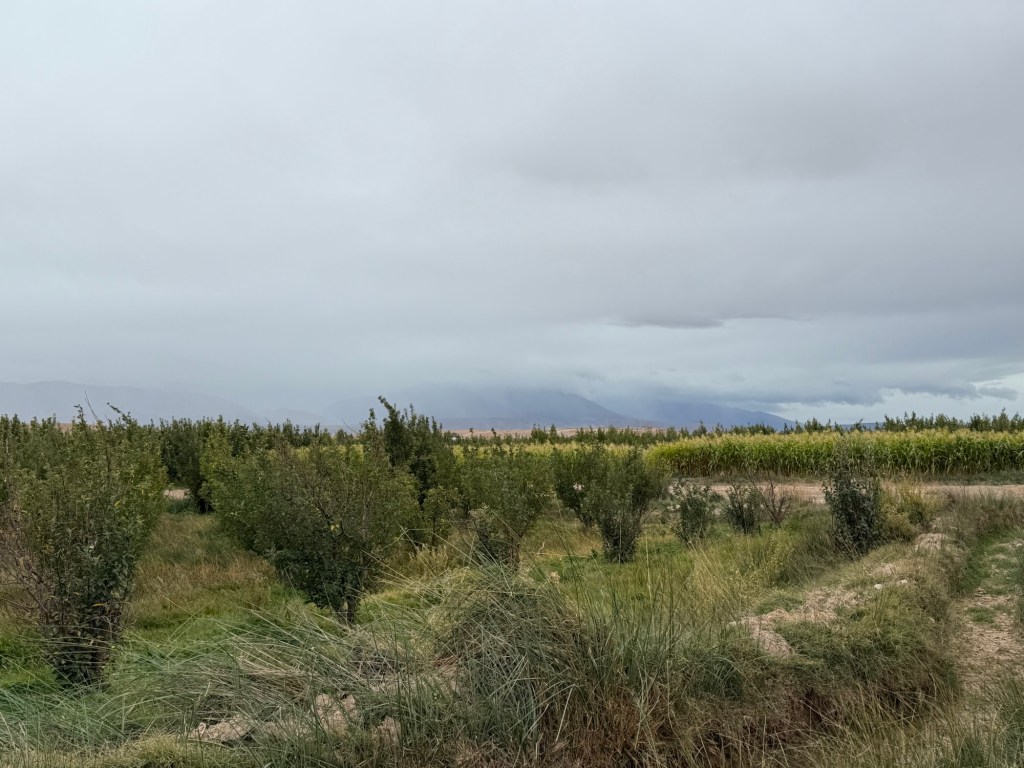
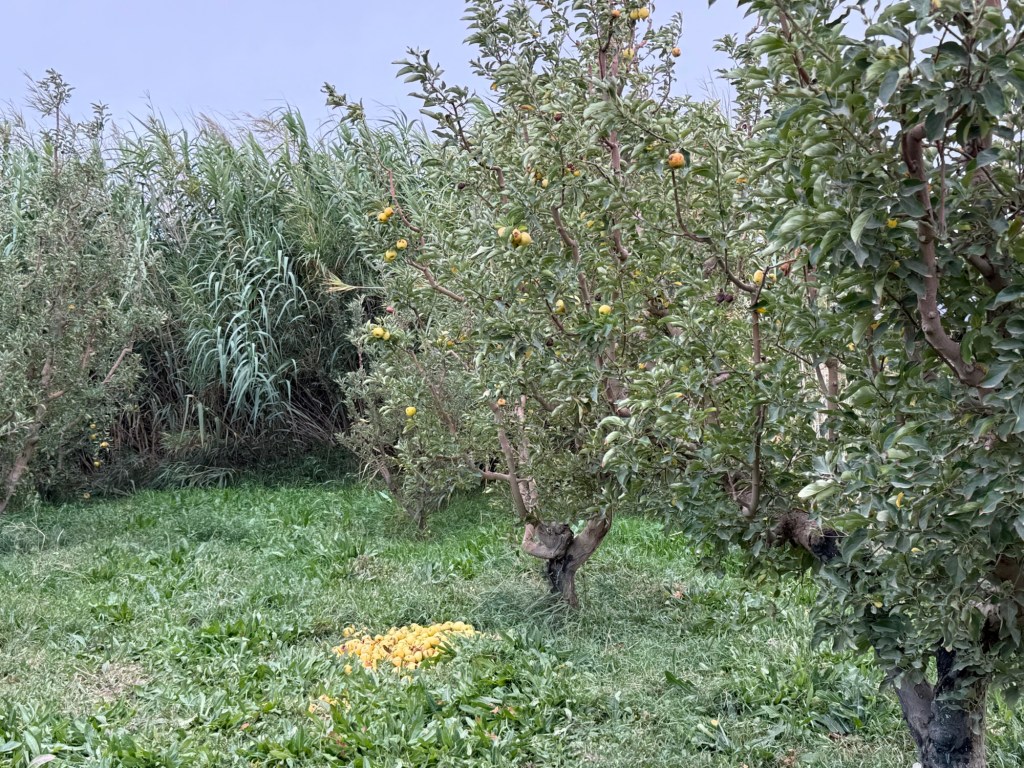
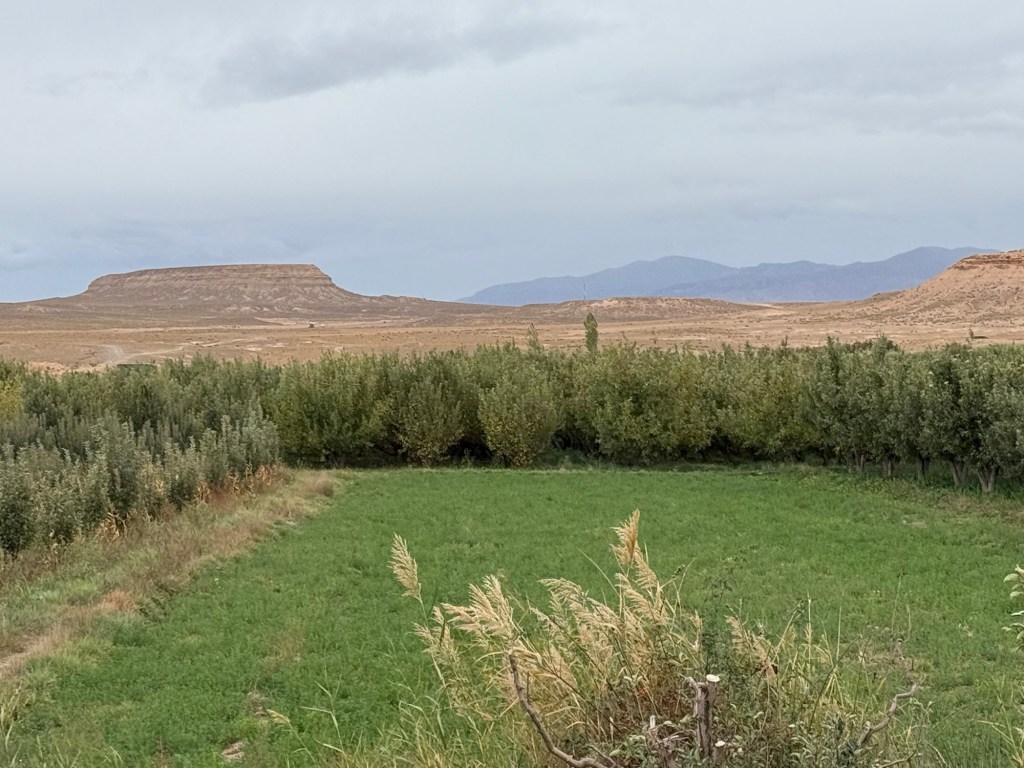
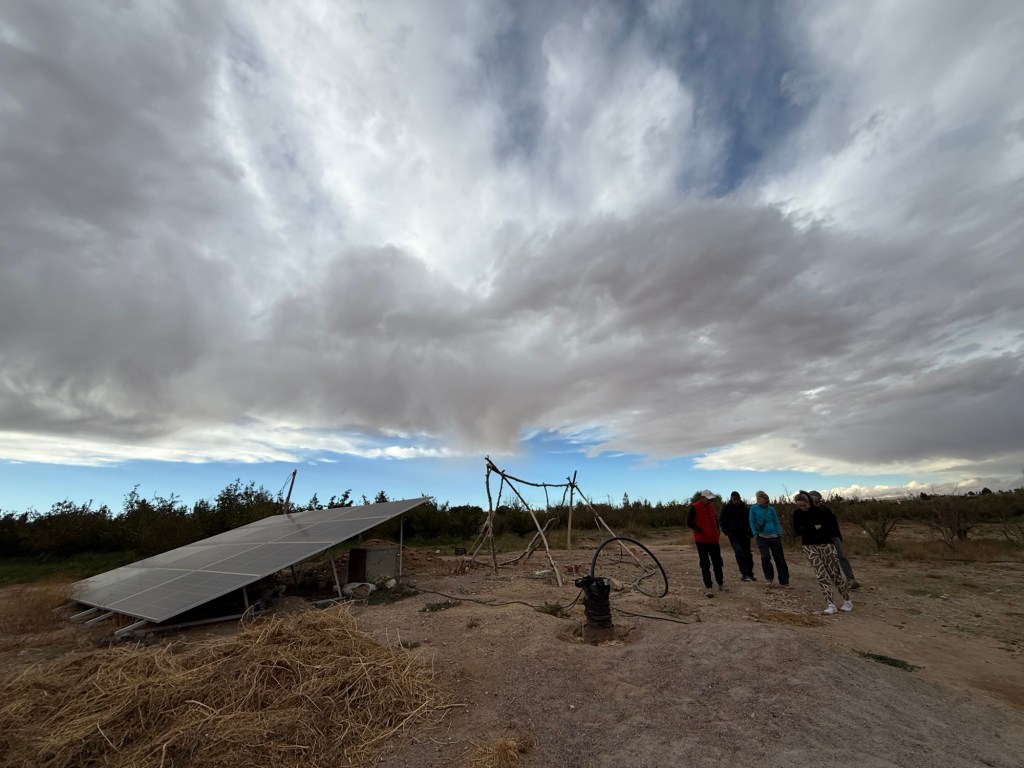
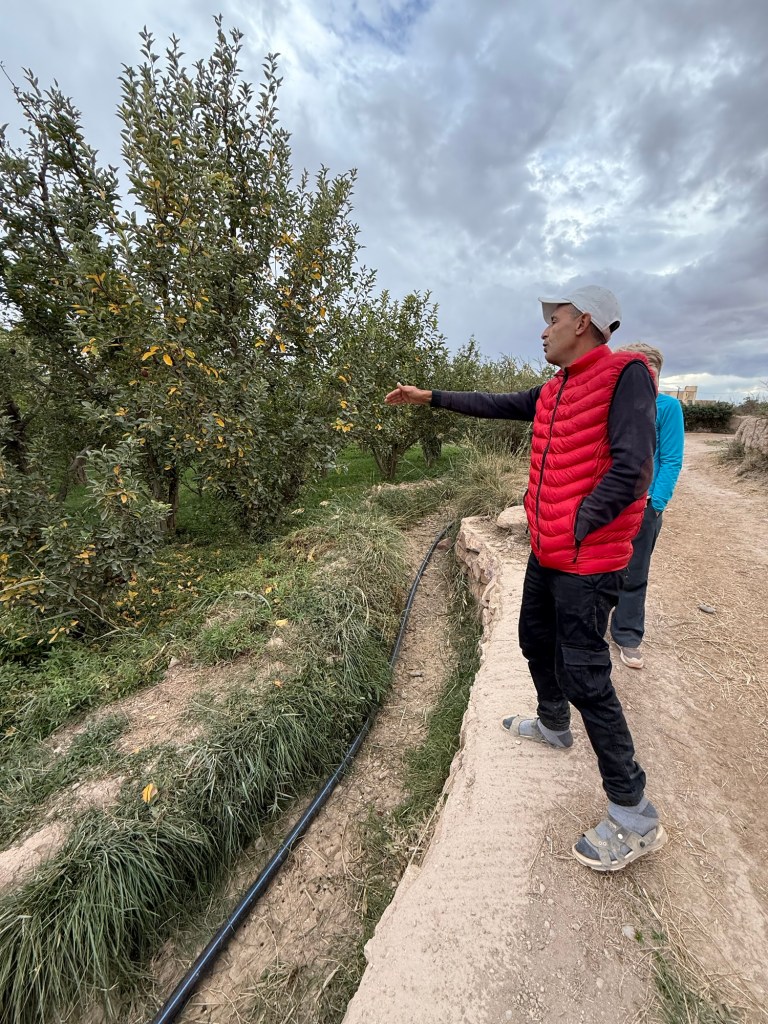
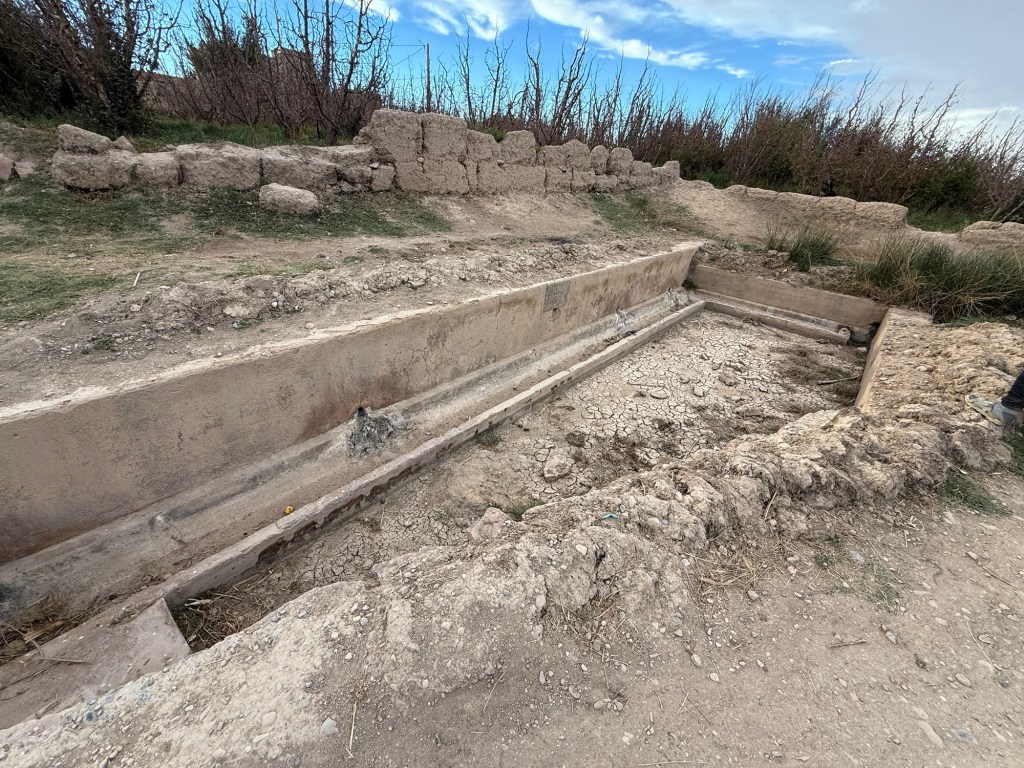
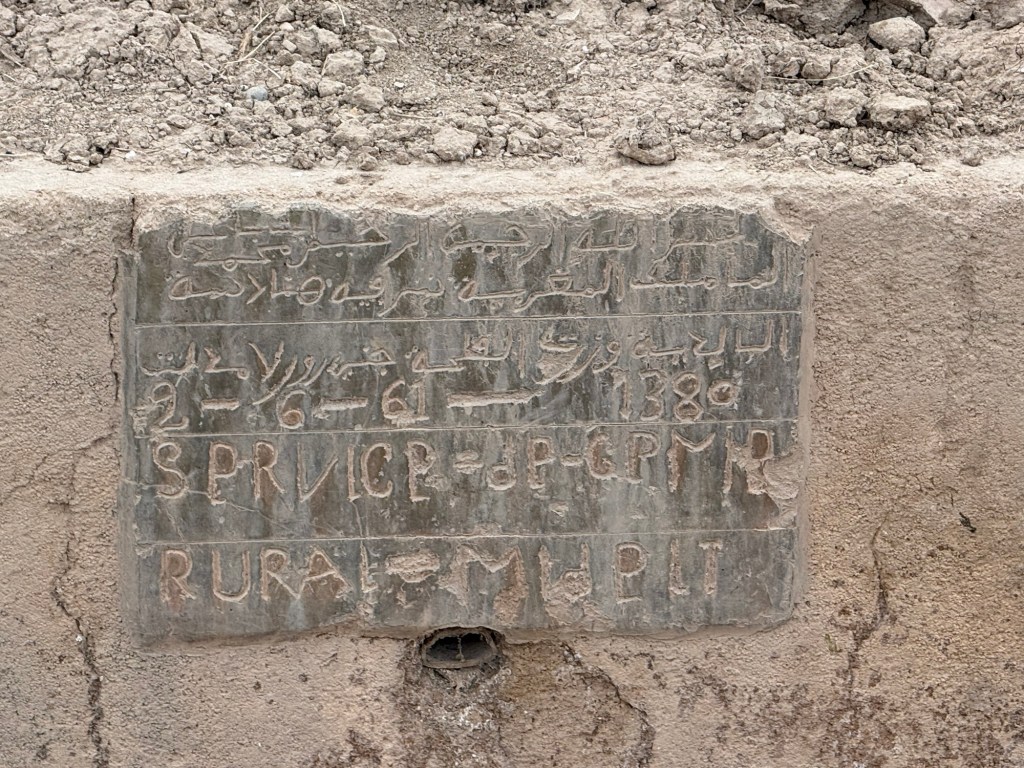
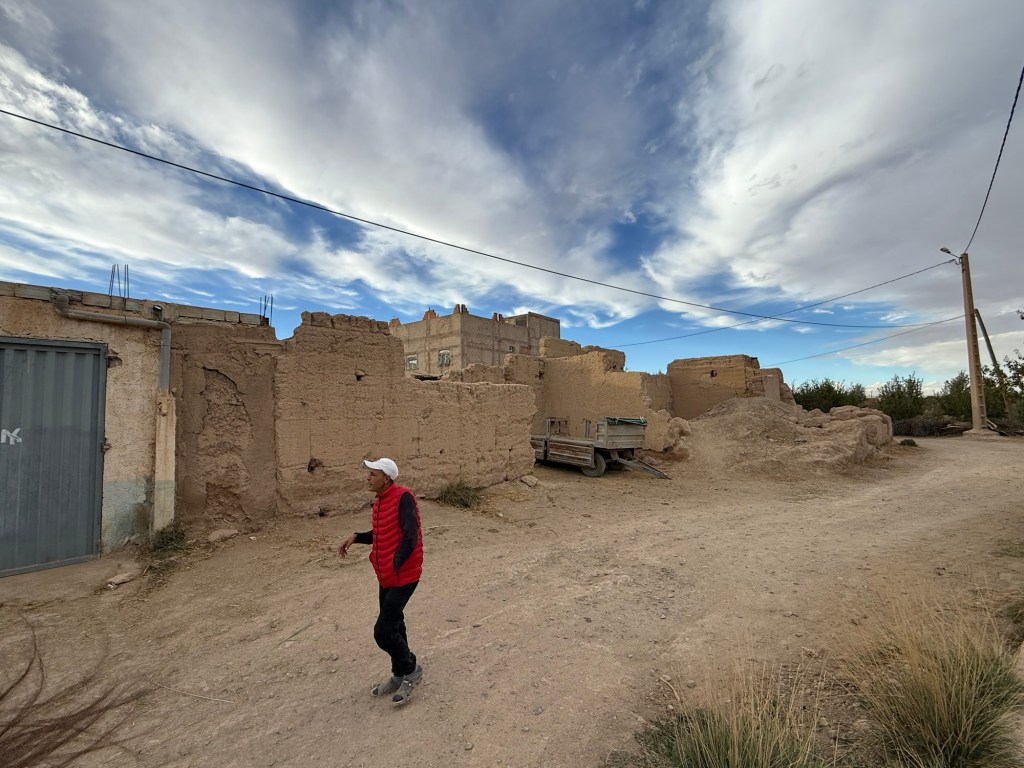
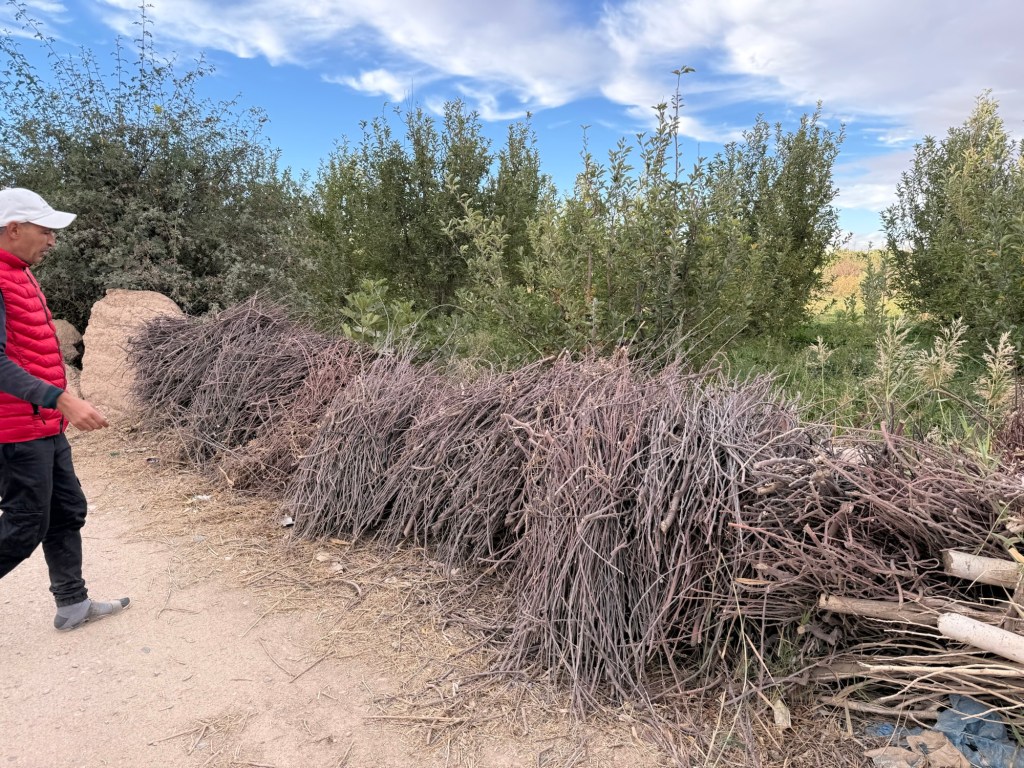
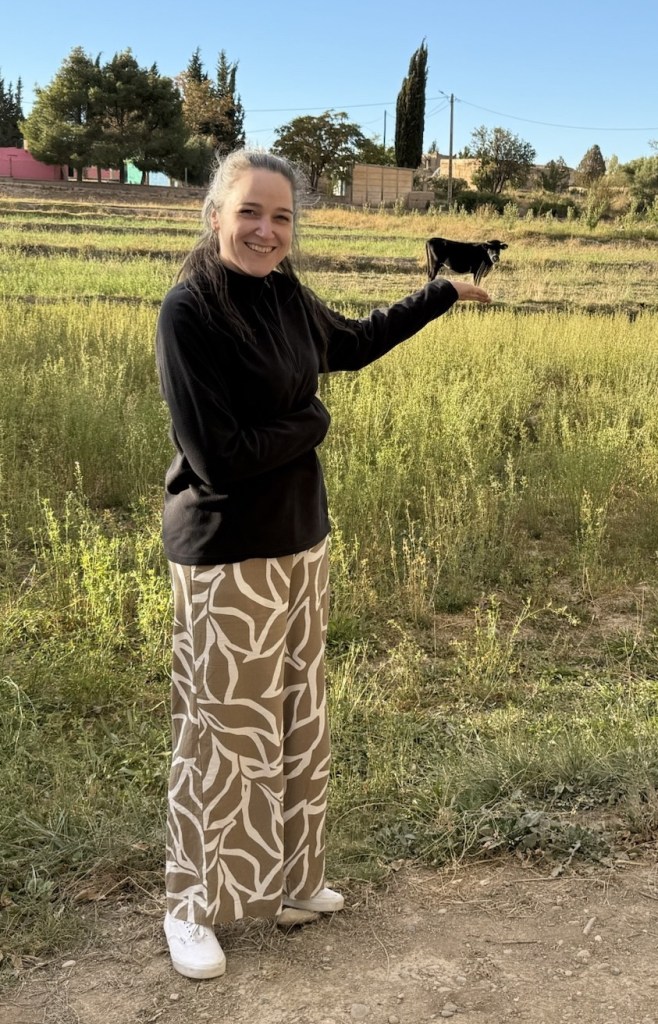
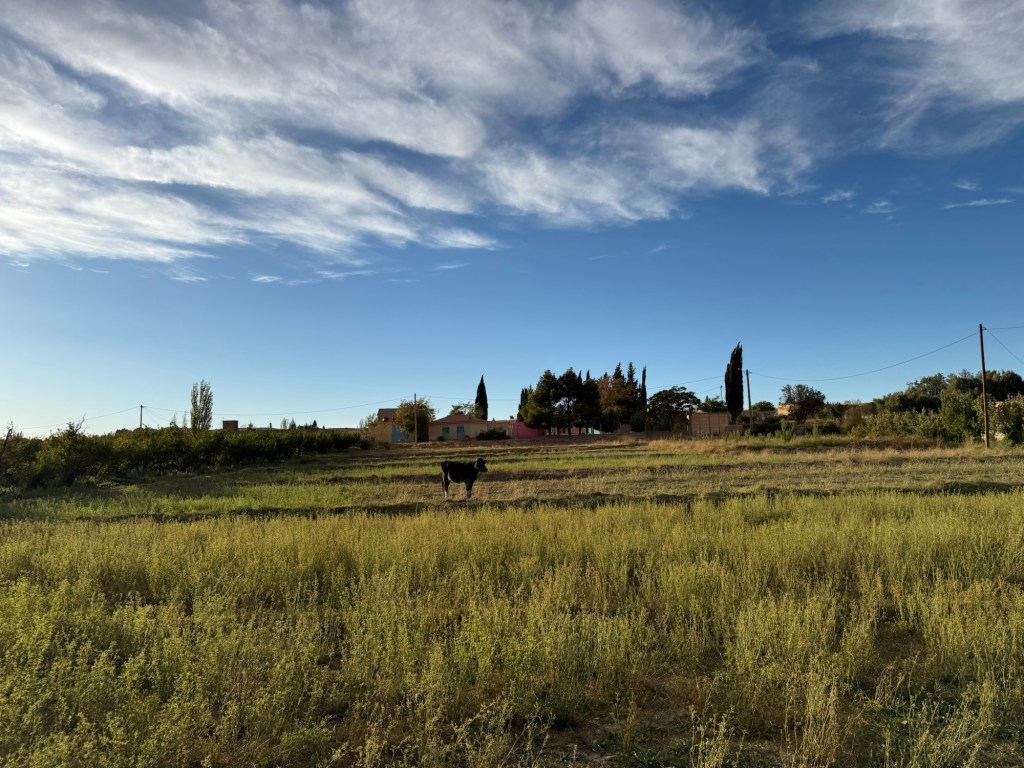
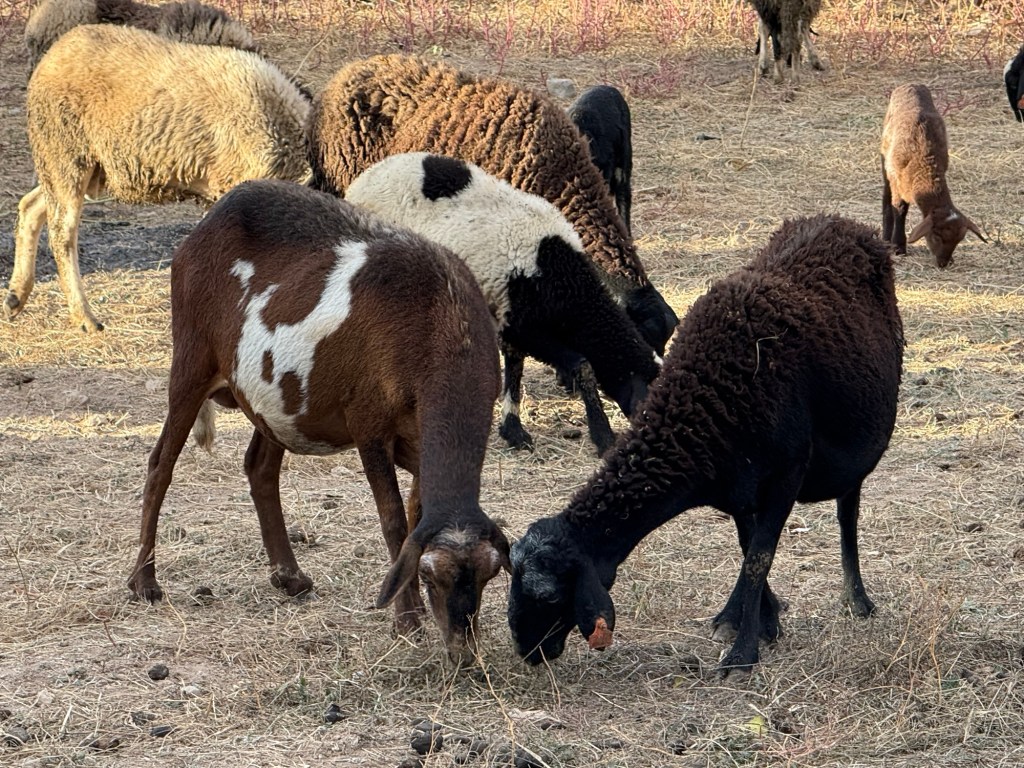
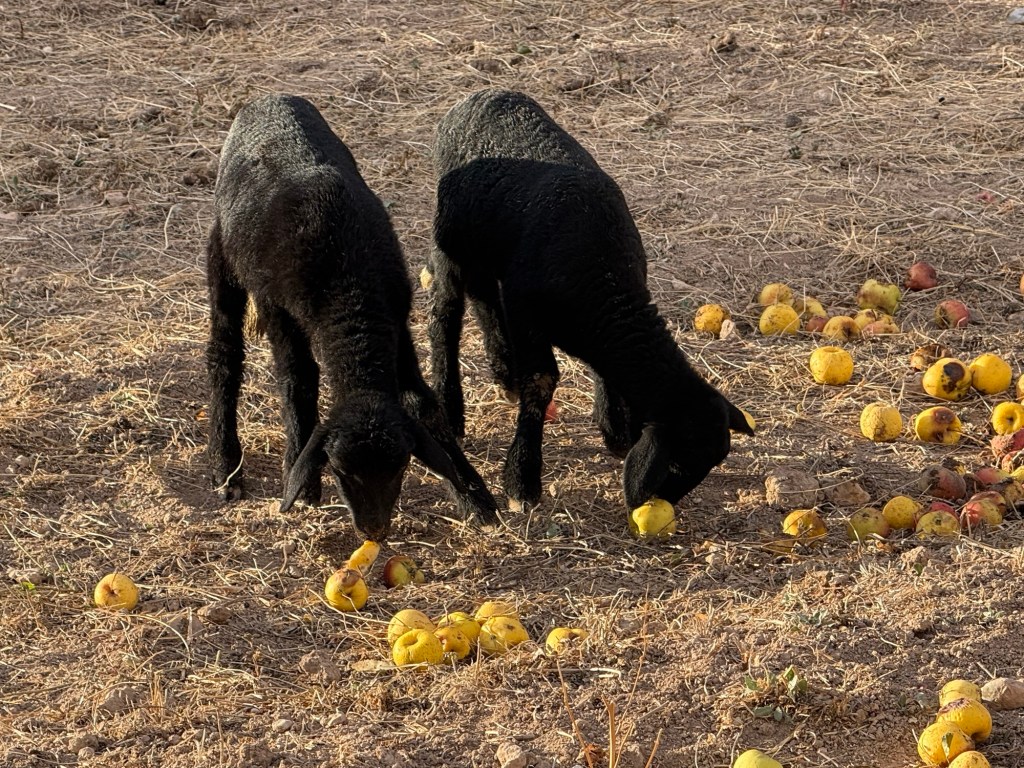
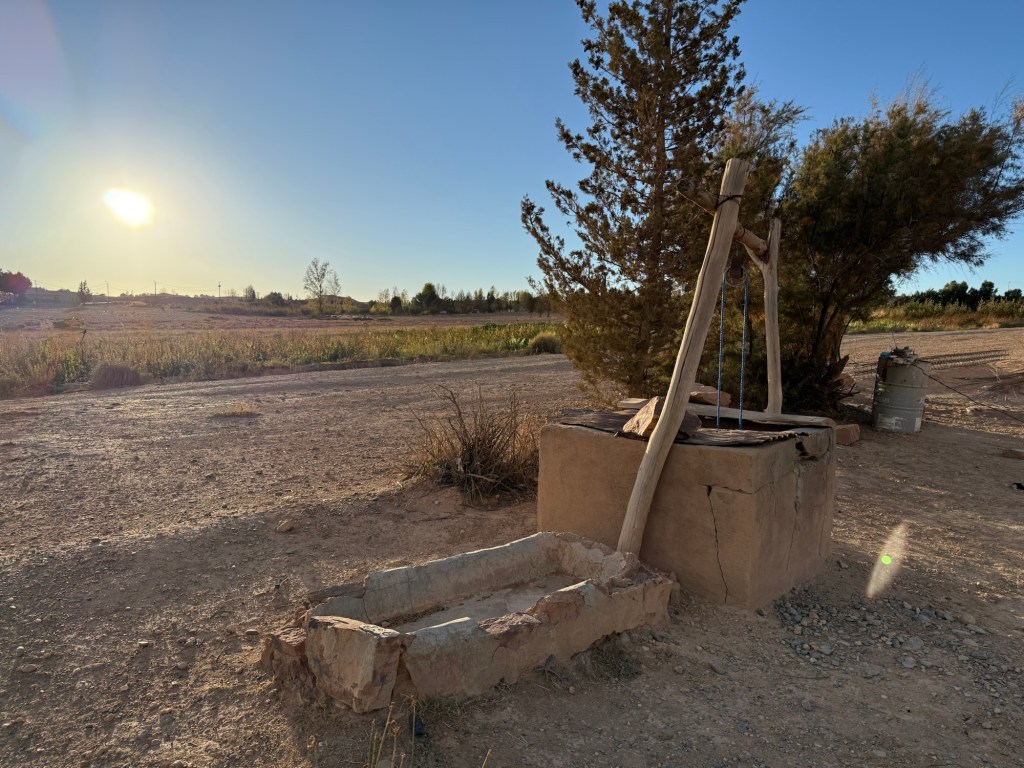
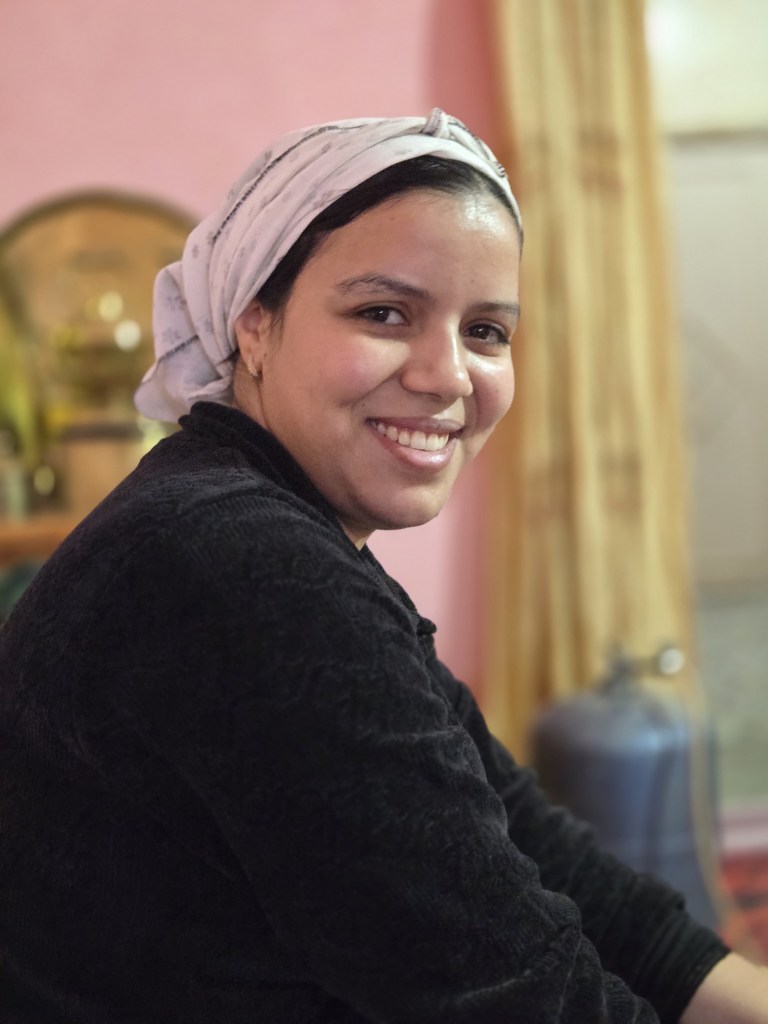
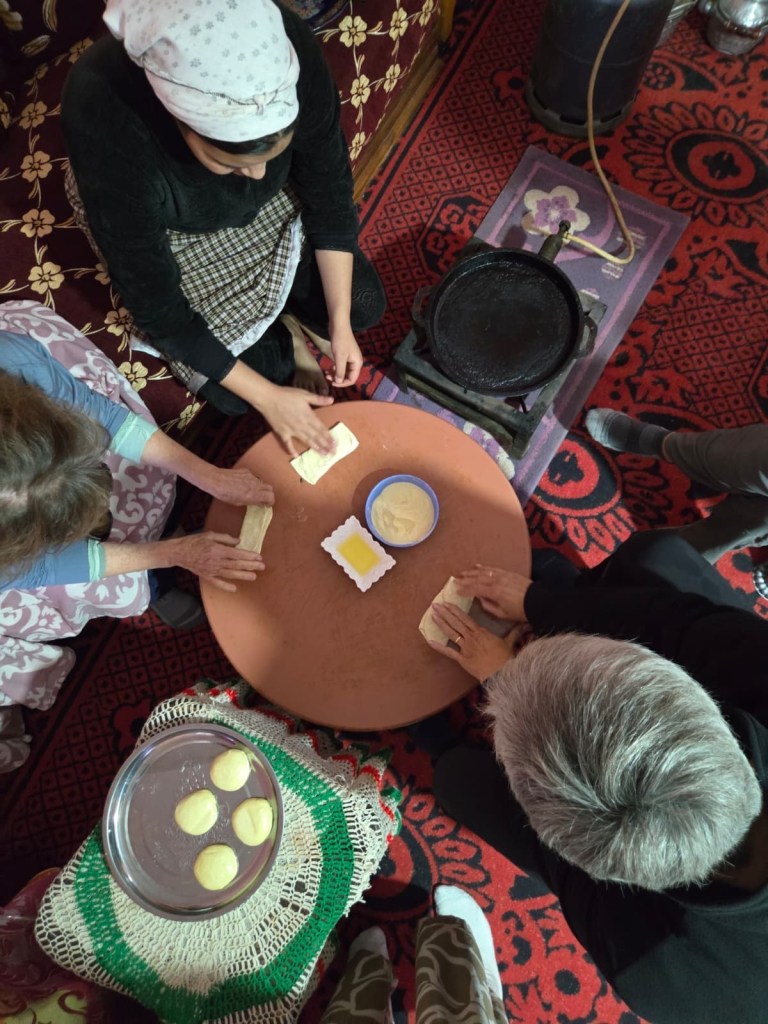
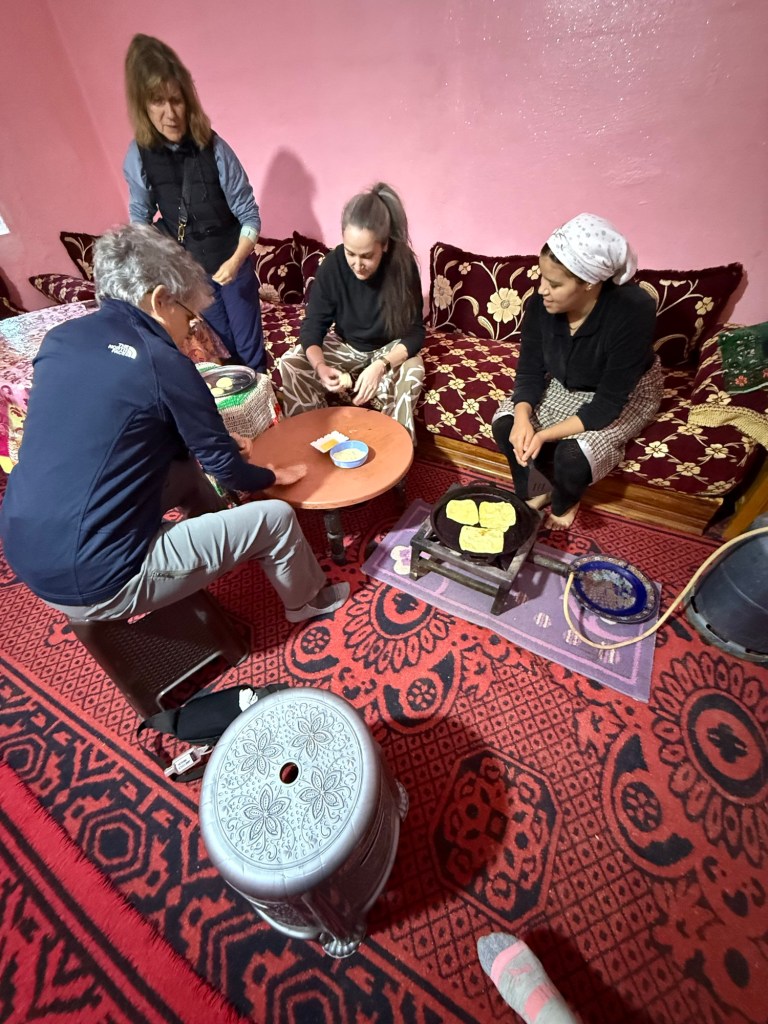
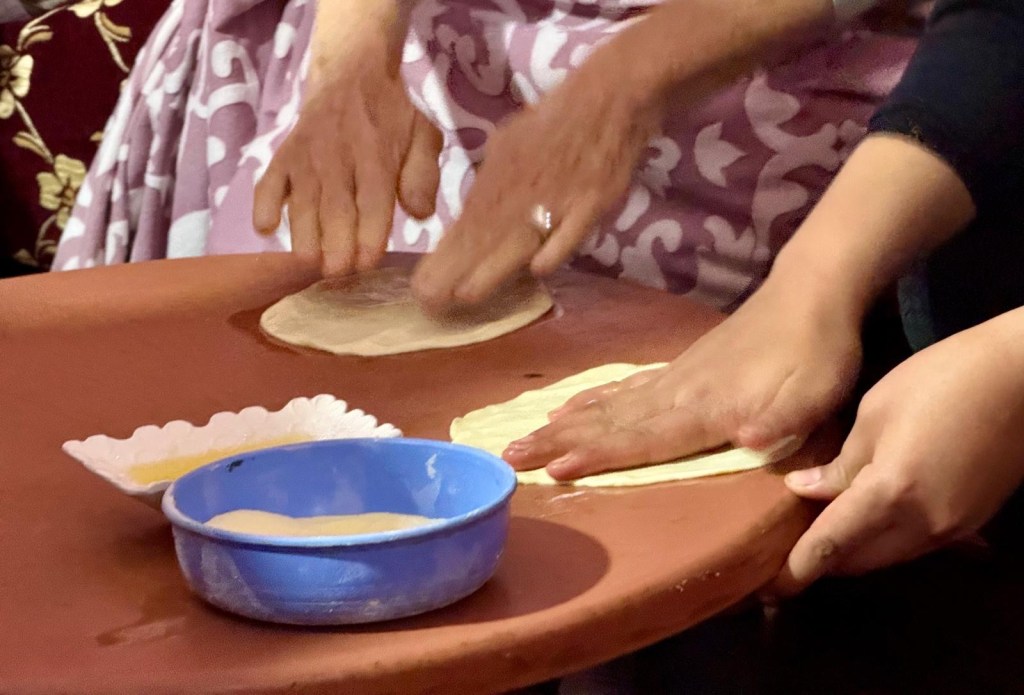
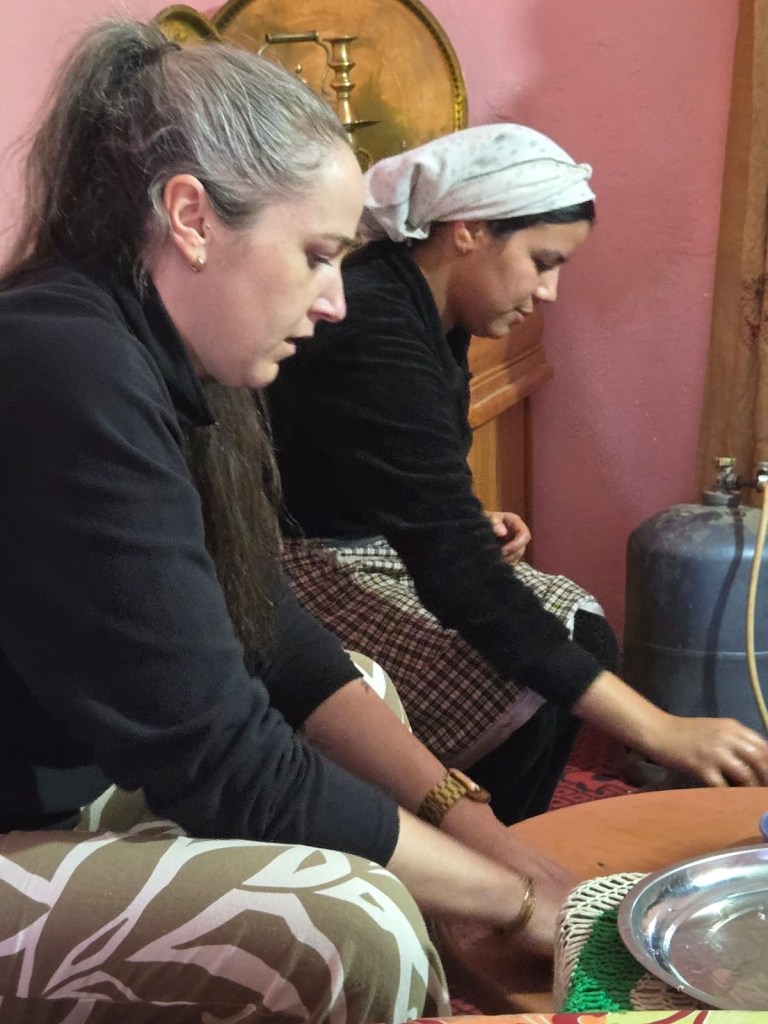
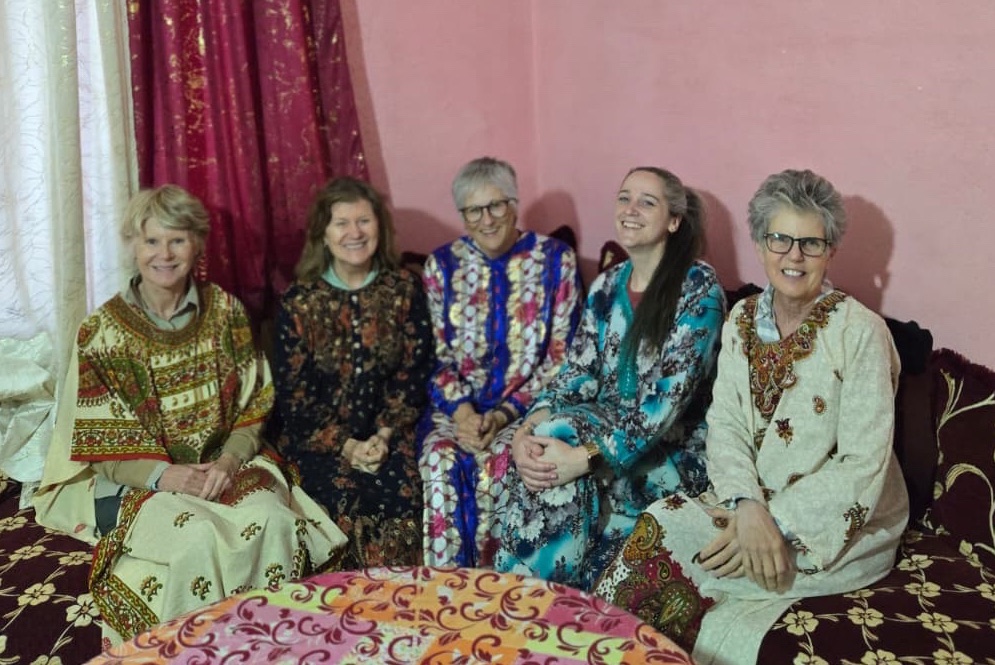
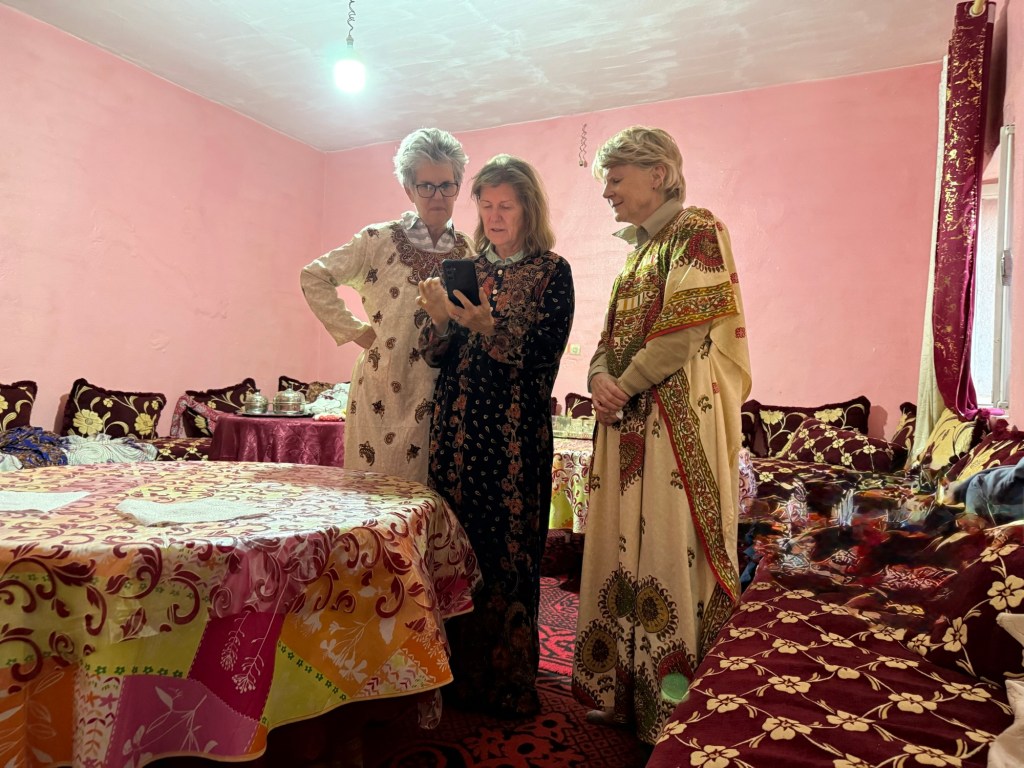
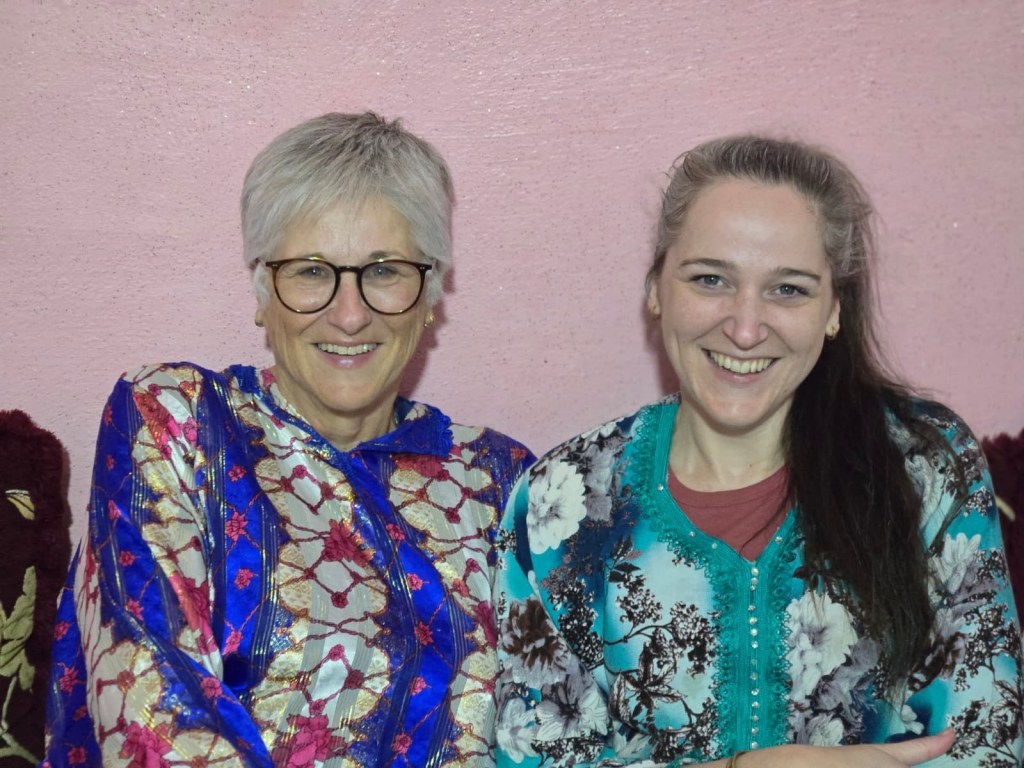
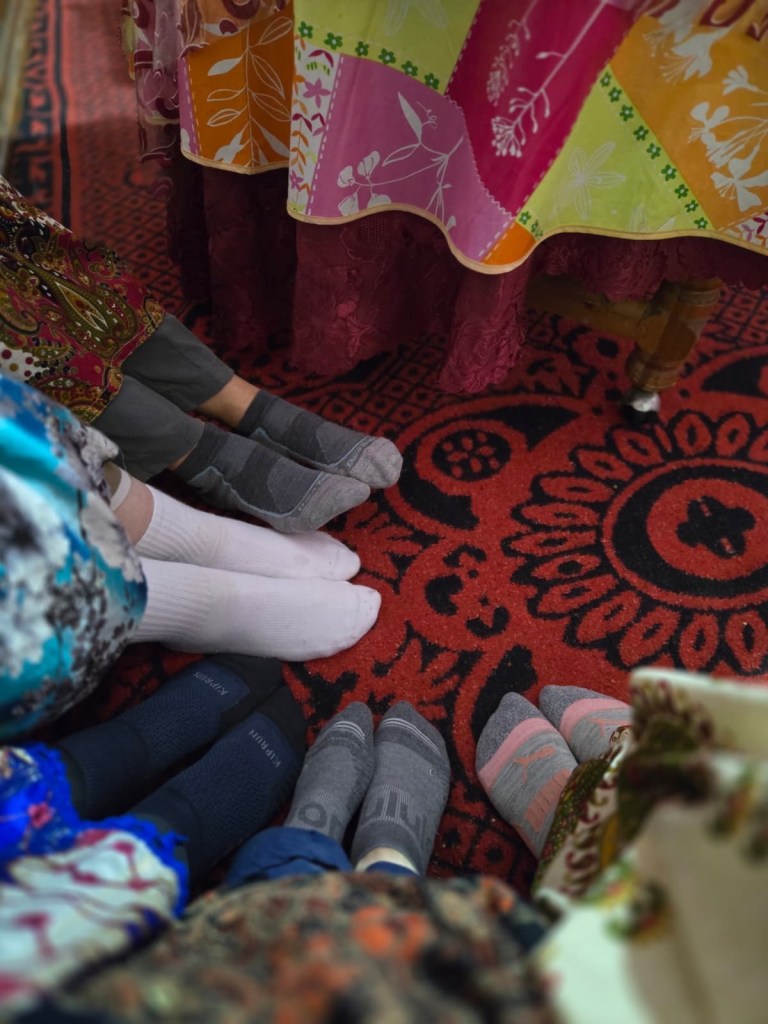
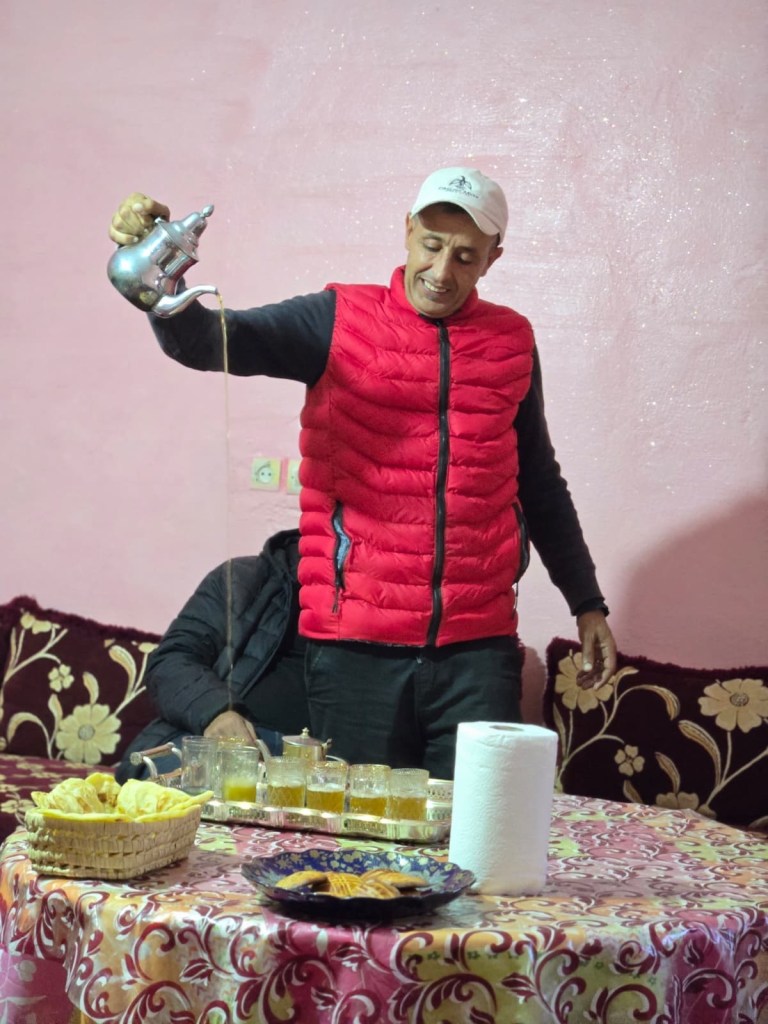
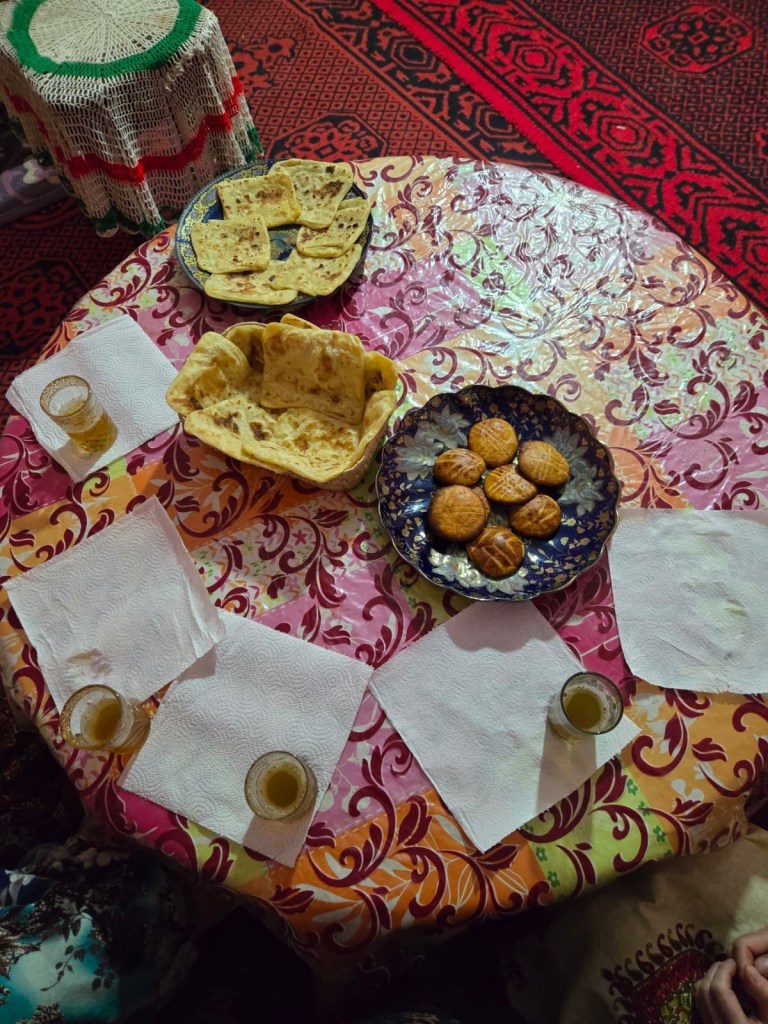
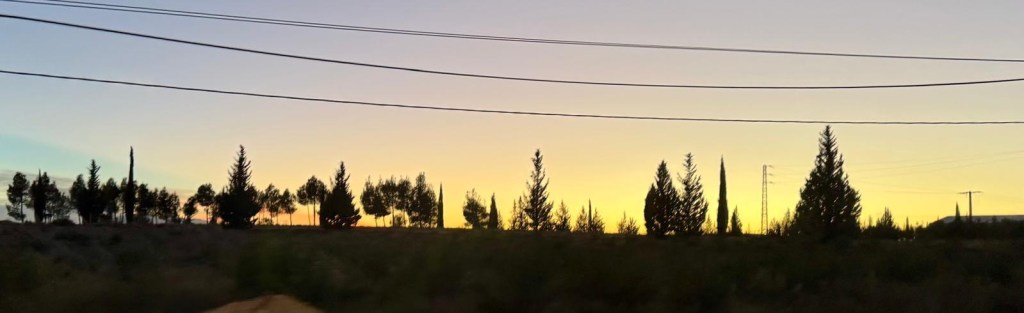
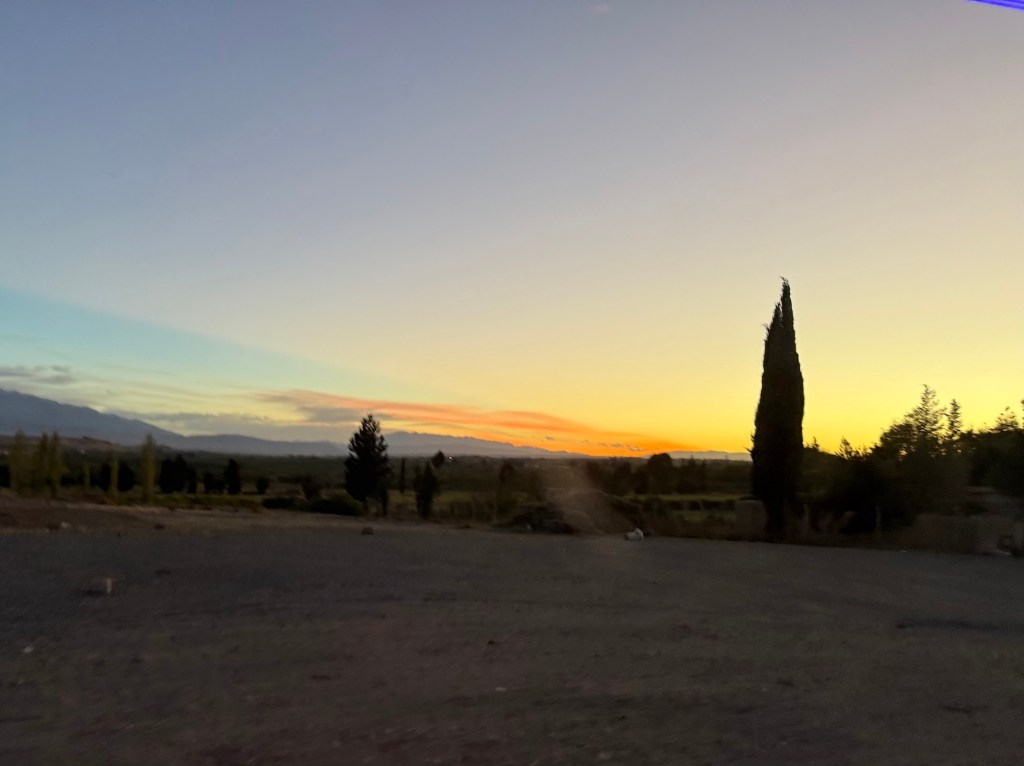
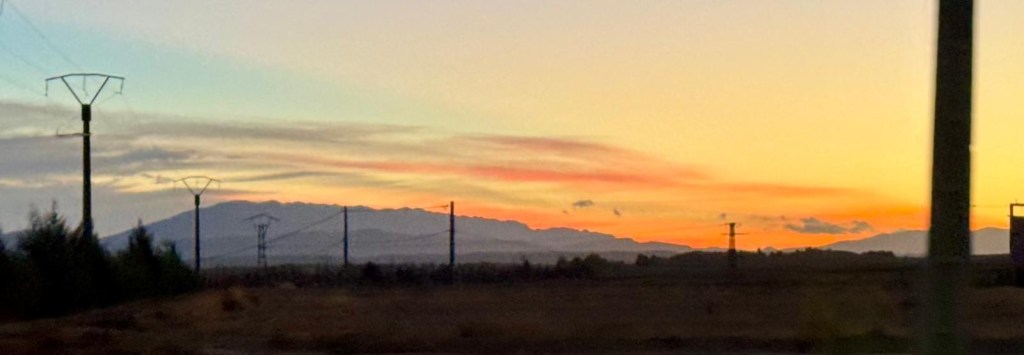
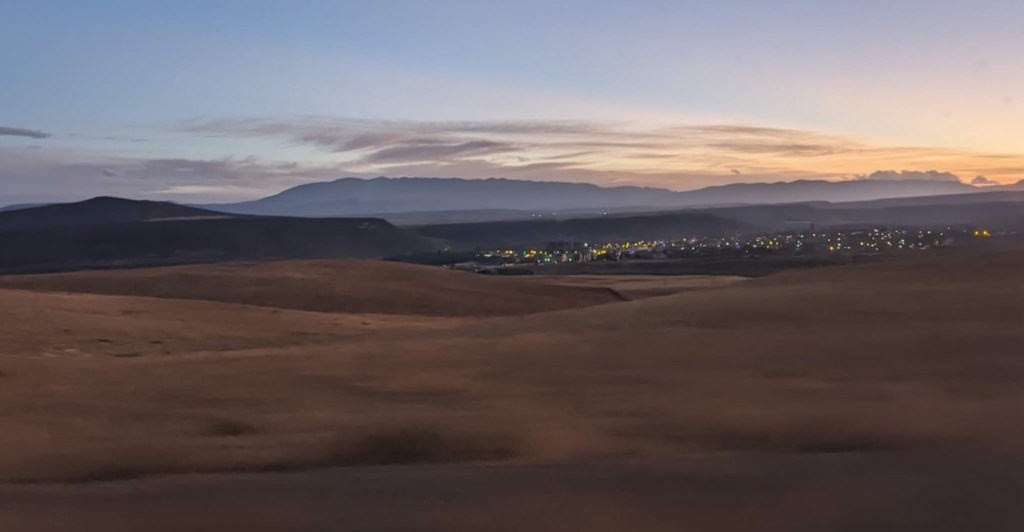
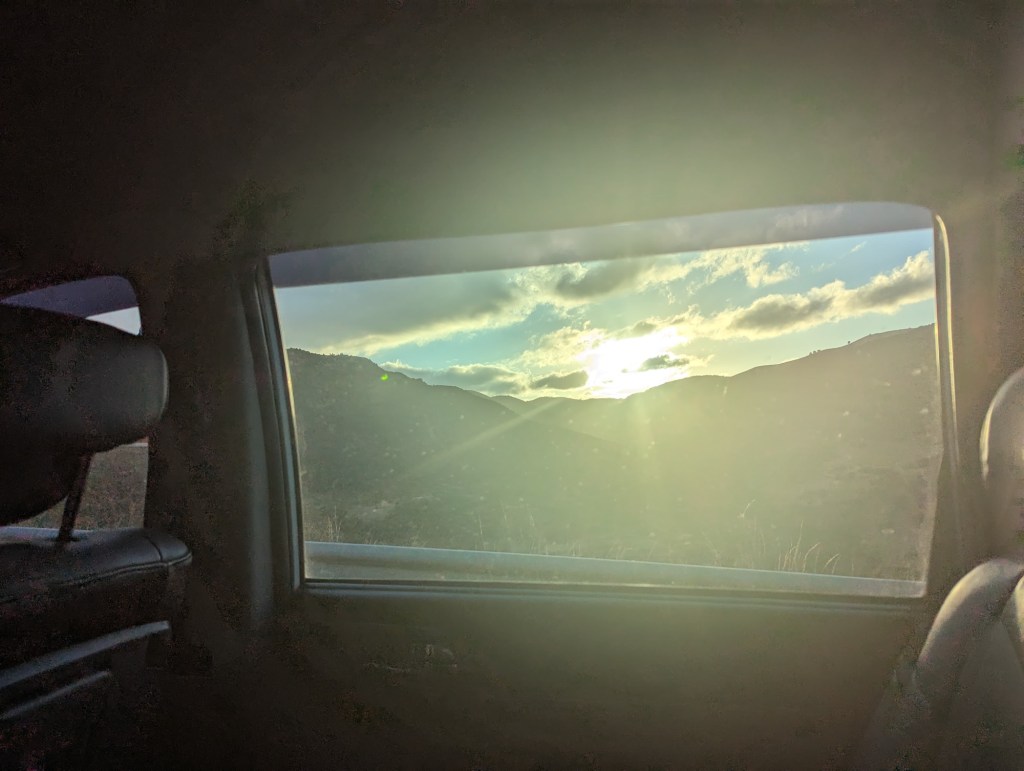
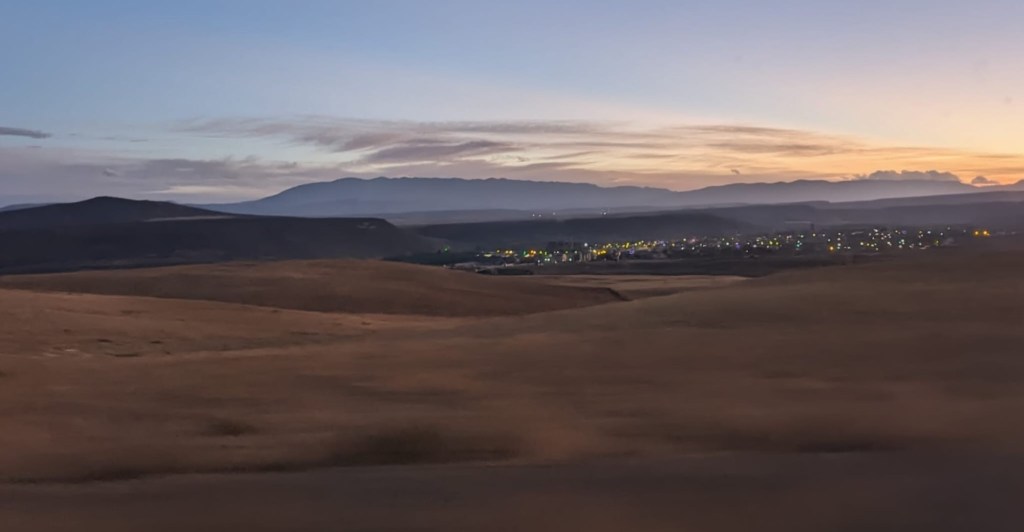
Global warming is seeing more snails sucking fluid from the trees and therefore damaging the cropsZaid grows red and golden delicious apples because these old varieties can be stored for longer, important for small producersHis neighbour was unable to spray for pests because of poor prior seasons due to drought …… with significant crop lossAlfalfa is grown to supplement income and provide animal feedA well with solar panels for power Traditional irtigation is still important with the government controlling the supply of water. Within the village they elect someone to monitor usage (there are scheduled days) with any transgressors named and shamed… they don’t have many!A dry spring that was traditionally an important meeting point for the women of the villageEstablished in 1961Although many houses are well kept, a number have been desertedApples are pruned after leaf fall with the wood used for burningRainbowBeth named this cow “Elyse”, her sister will be thrilledSheep… a different breed to those I’ve seen in Australia… and they still have tails! TwinsA well of Zaid’s neighbours’s propertySabah, Zaid’s wife, who taught us to make Moroccan pancakes known as MsemmenThe base doughYou flatten it, add oil and semolina, fold it, flatten and stretch again… add more oil… then into a hot skillet, turning frequently.CookingOur masterpieces… Not as easy as Sabah made it look!Into kaftans or djellabasShoes were taken off on entering the living areaZaid made us mint tea… it is a sign of welcome to pour from up high.Afternoon tea… yumSunset on the way homeWe all left our rooms at exactly the same time to go for dinner!
Sarah’s day…
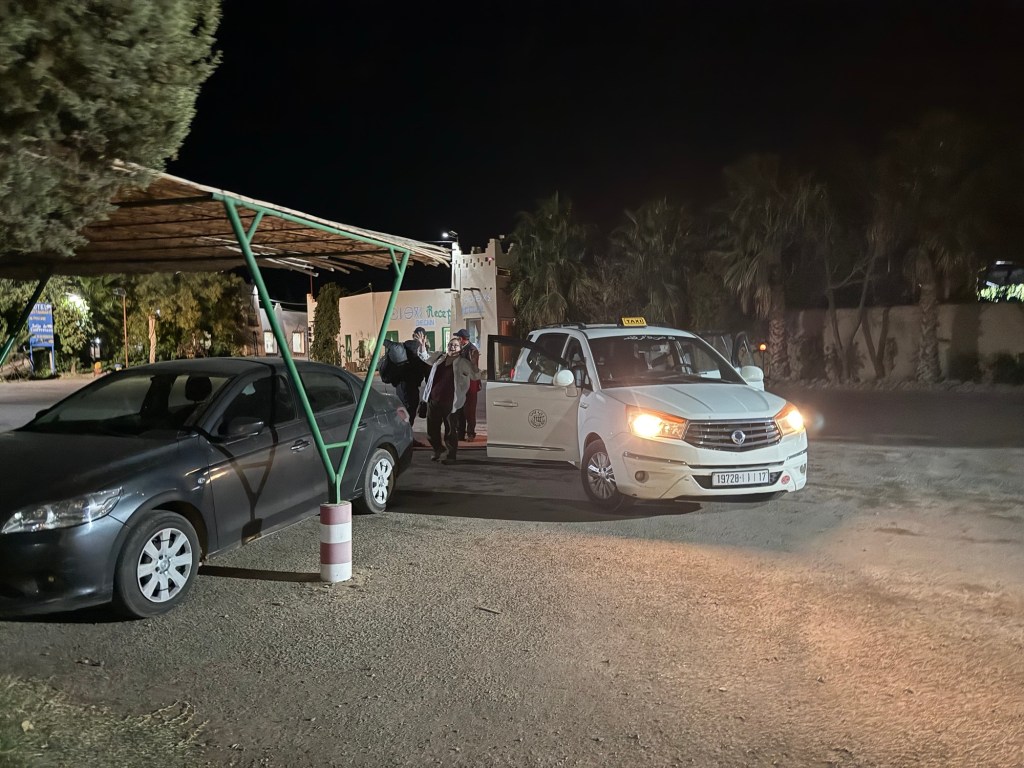
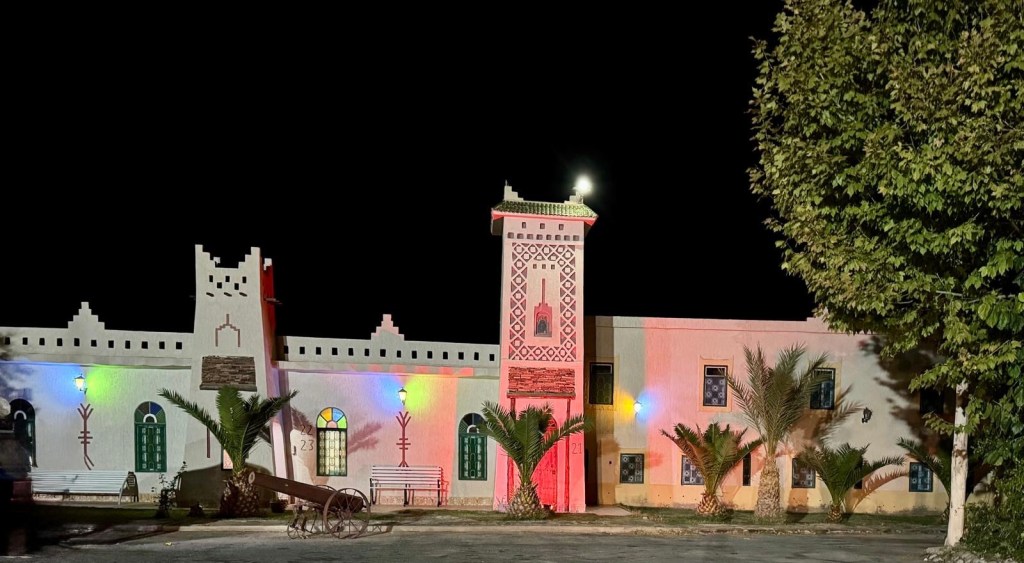
Success!!!Sarah arrived as we walked across to dinnerThe restaurant lights.












 Morocco Food Tour