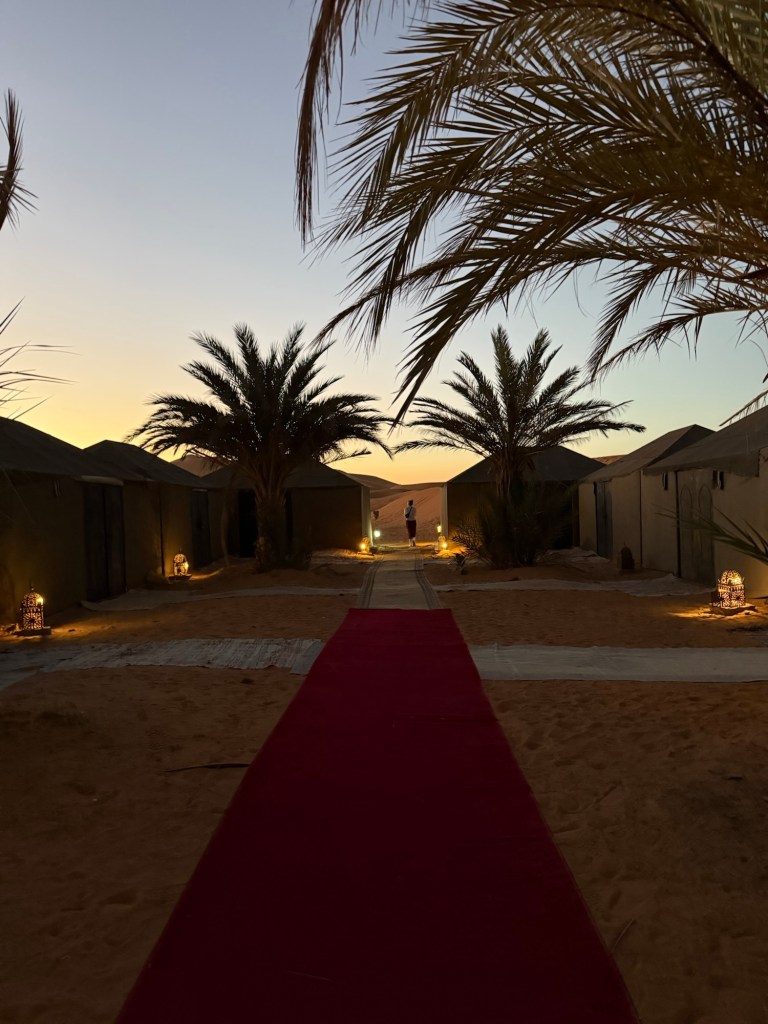
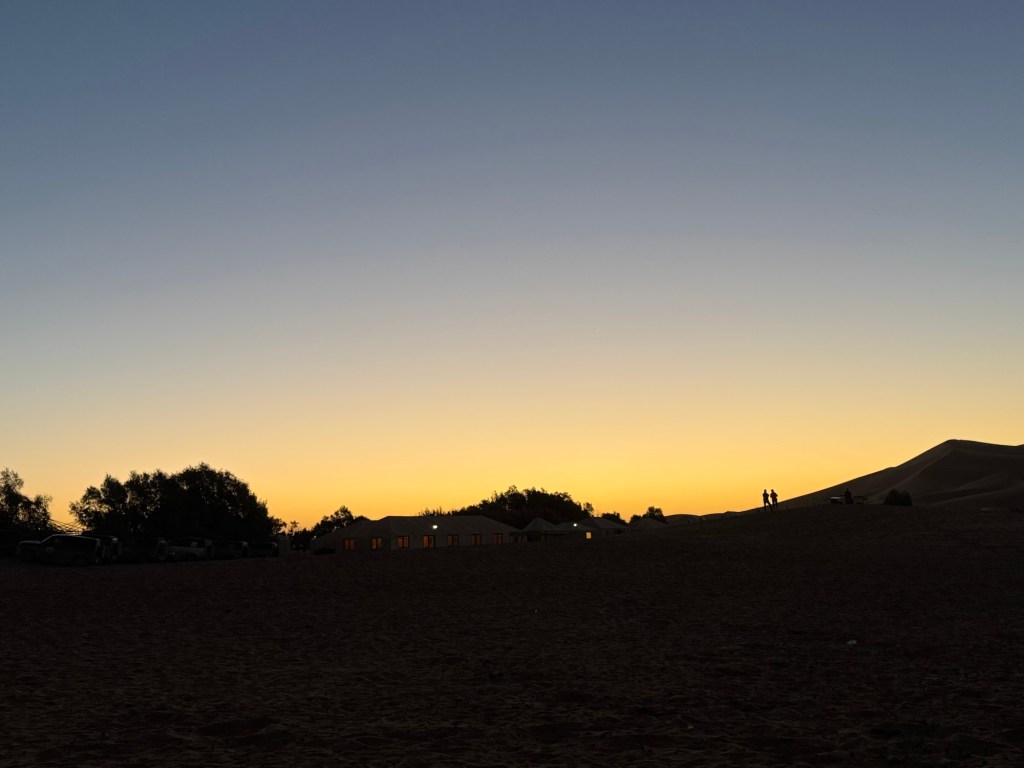
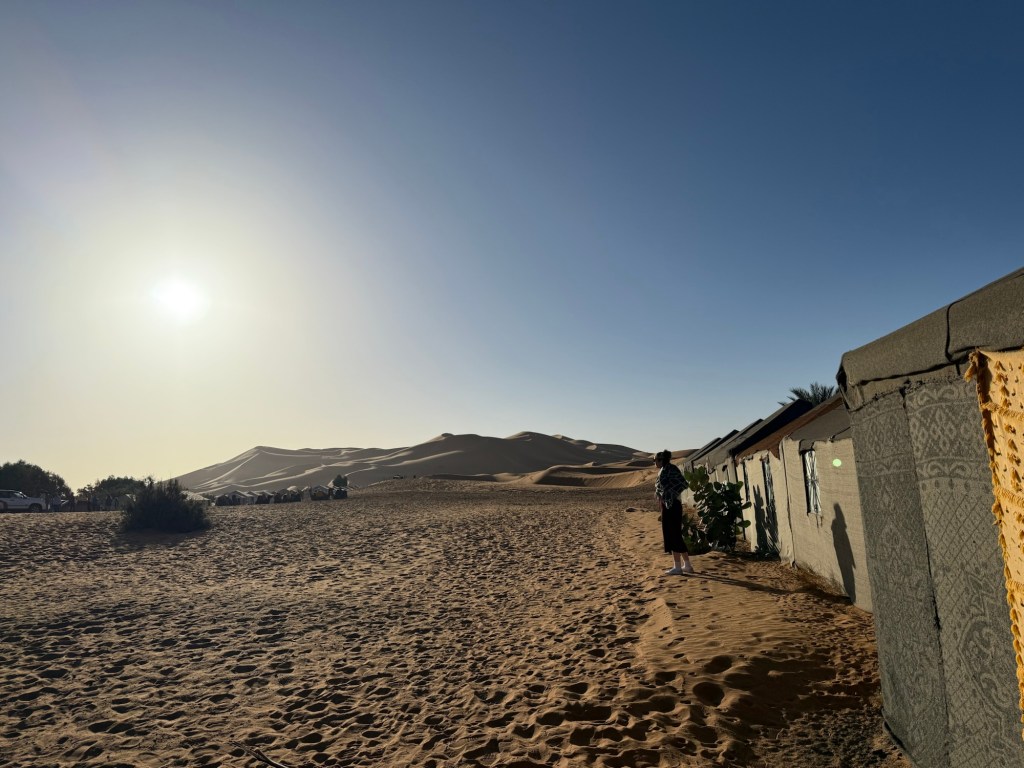
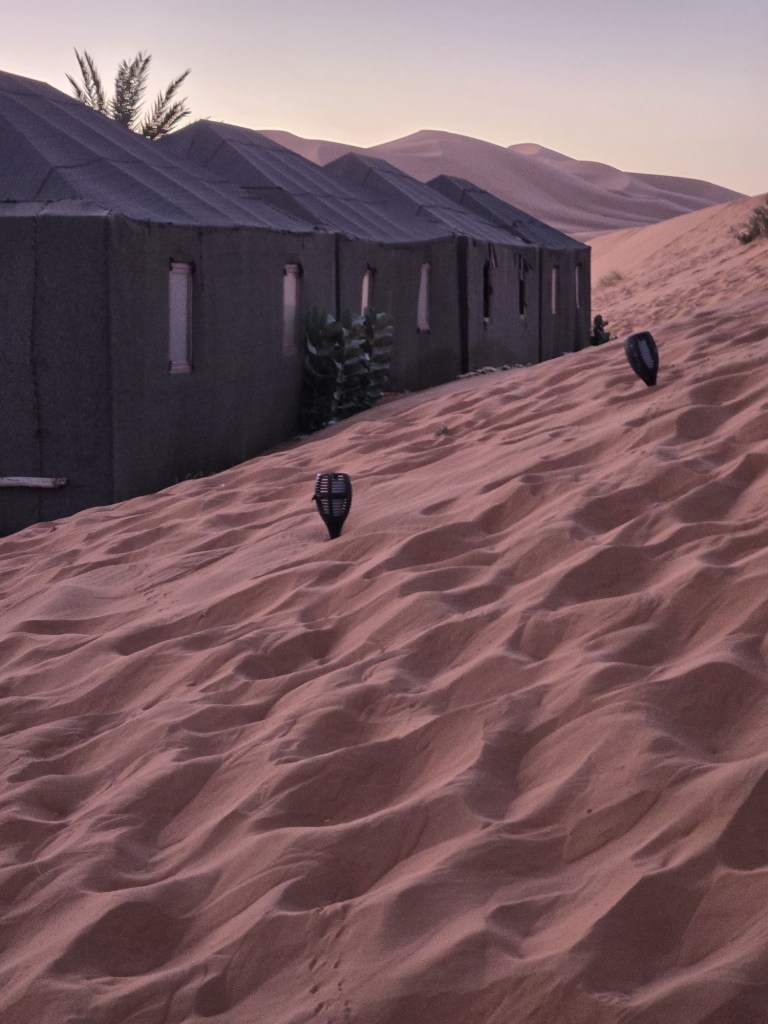
Early morning in the camp…
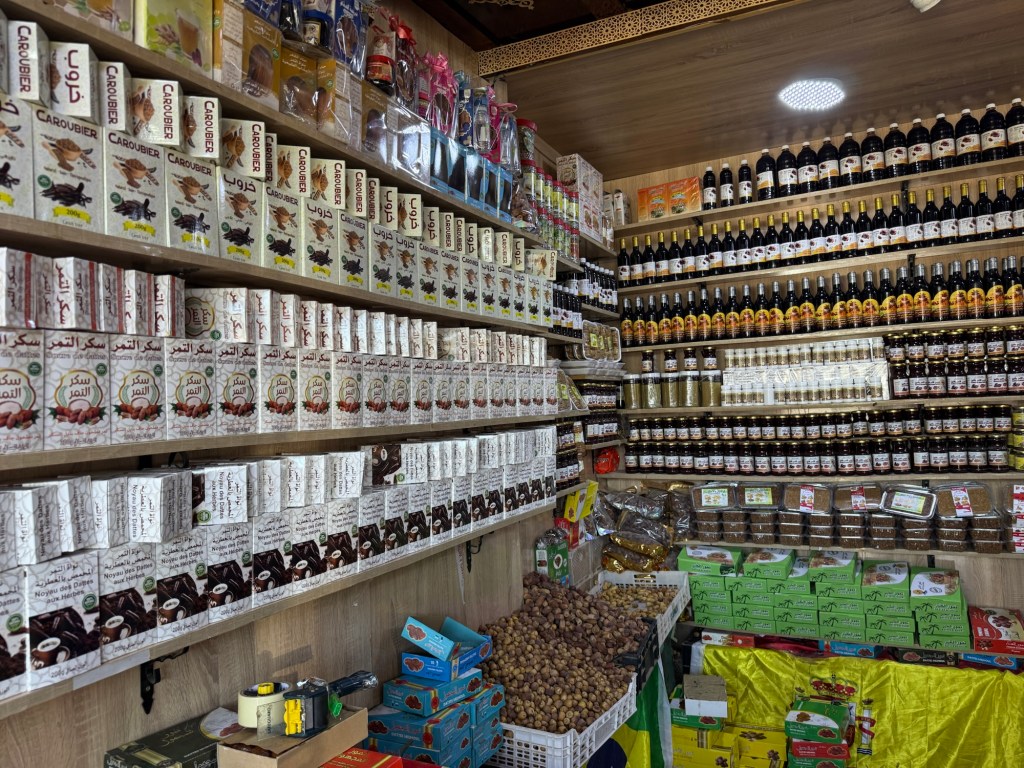
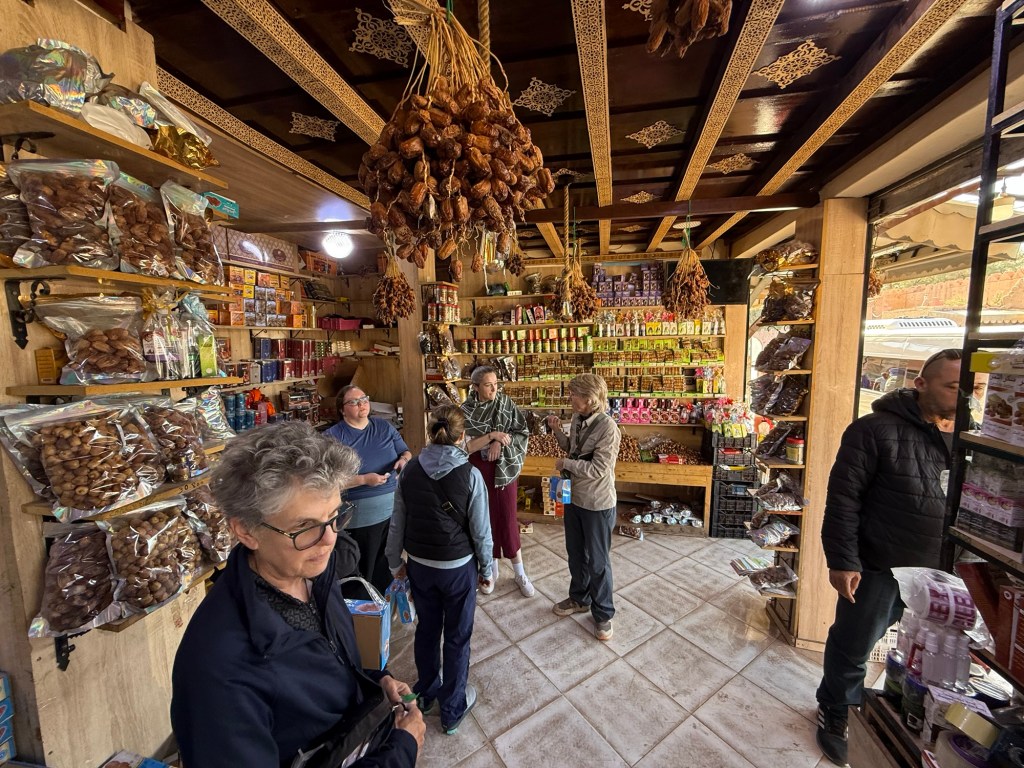
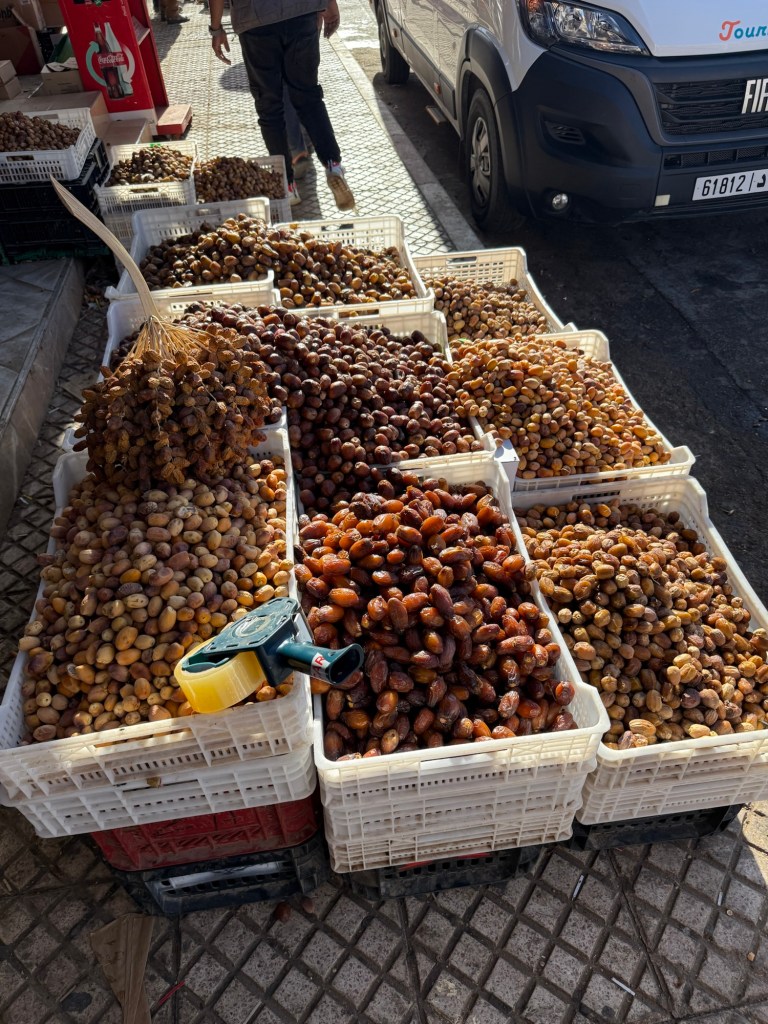
A short drive to Erfoud and first stop was a date shop. Youssef told us there are about 45 different types if dates! We tried medjool again (we’ve had lots of dates!) and dried figs.
Onto a fascinating visit to a fossil showroom. The area is rich in fossils and there is a thriving industry in mining and presenting them for tourists. Hassan was our guide and he provided a great overview of the fossils and some of the minerals from the area. There were a range of fossils but the most prolific were:
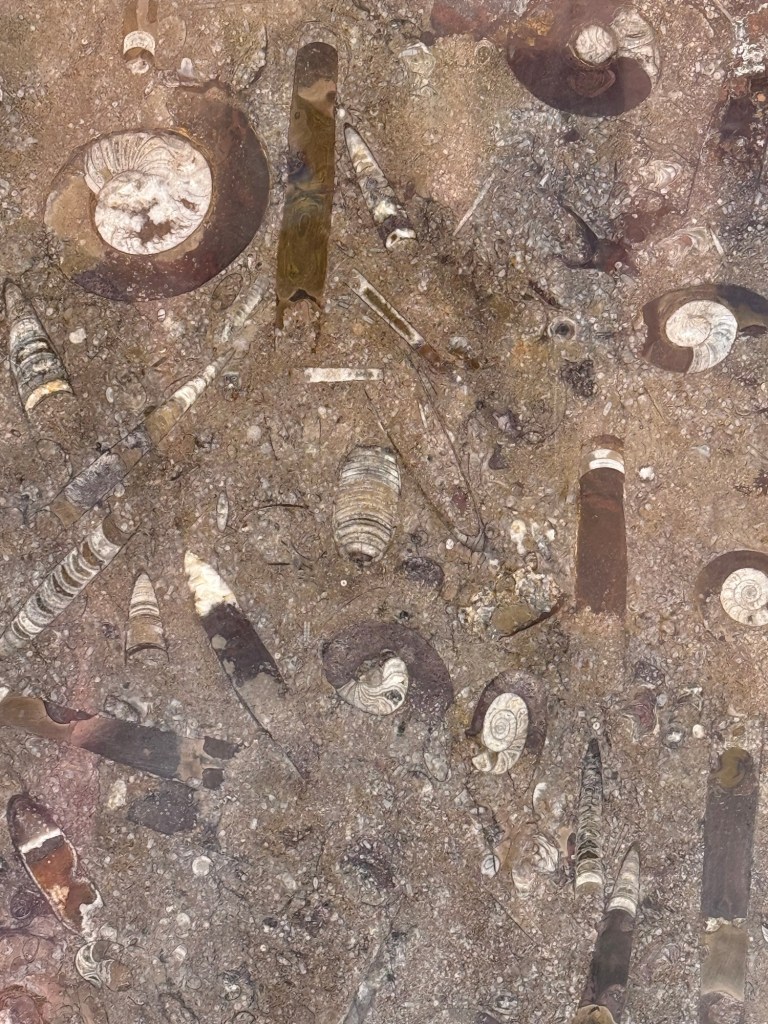
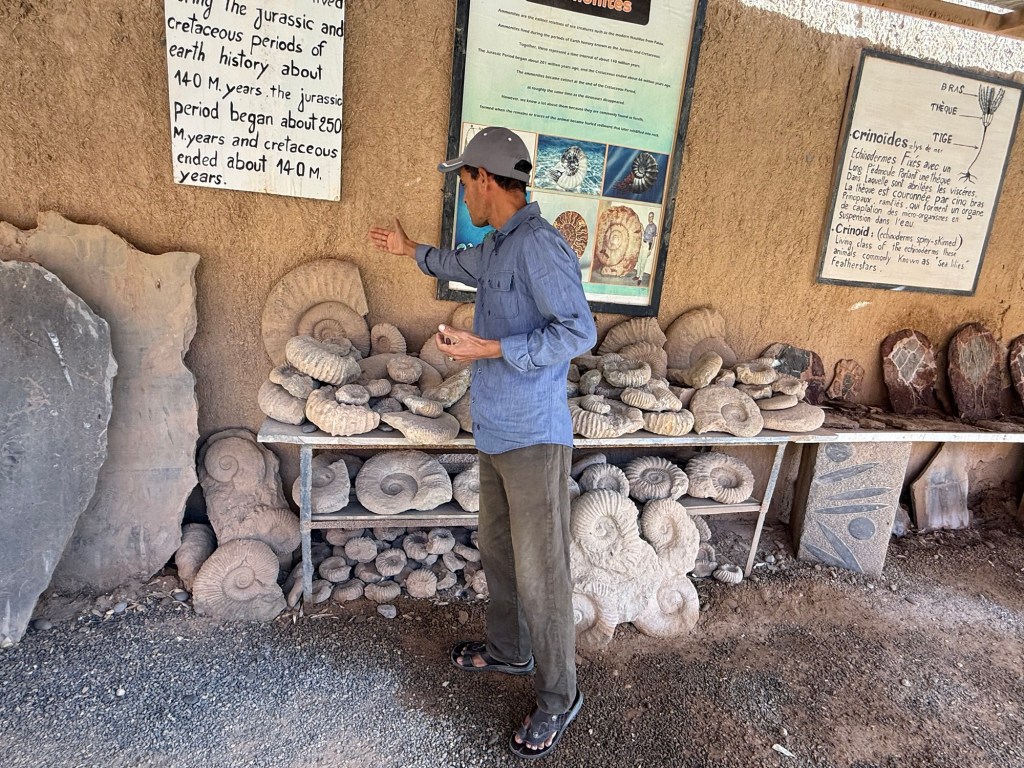
From the showroom…
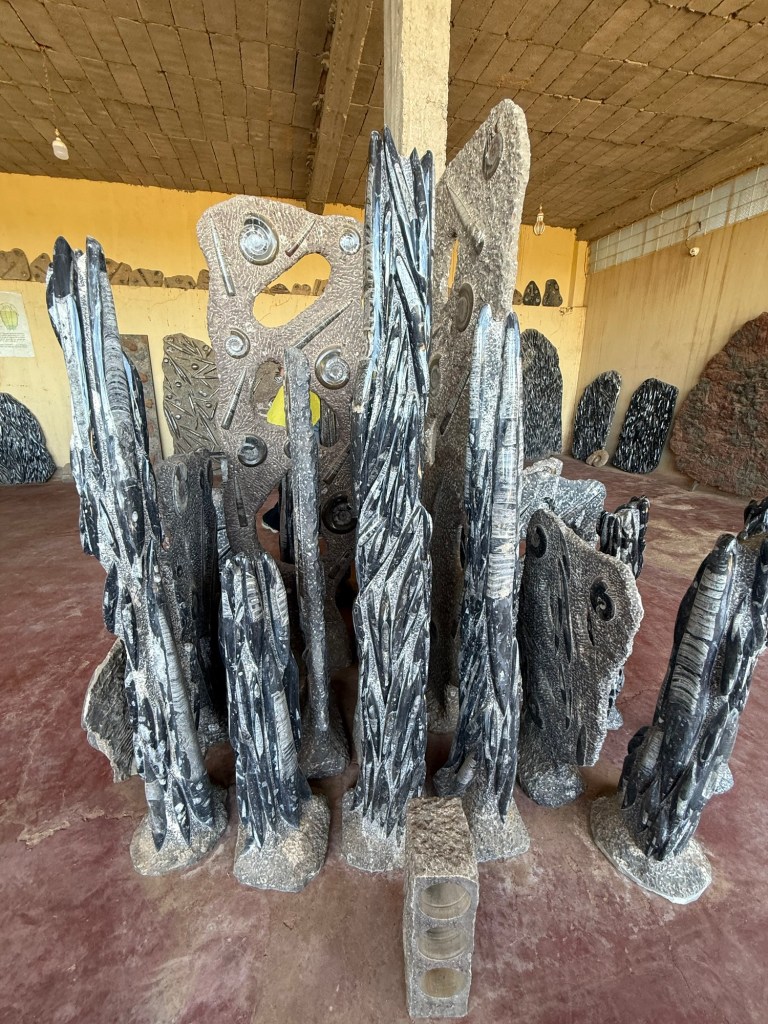
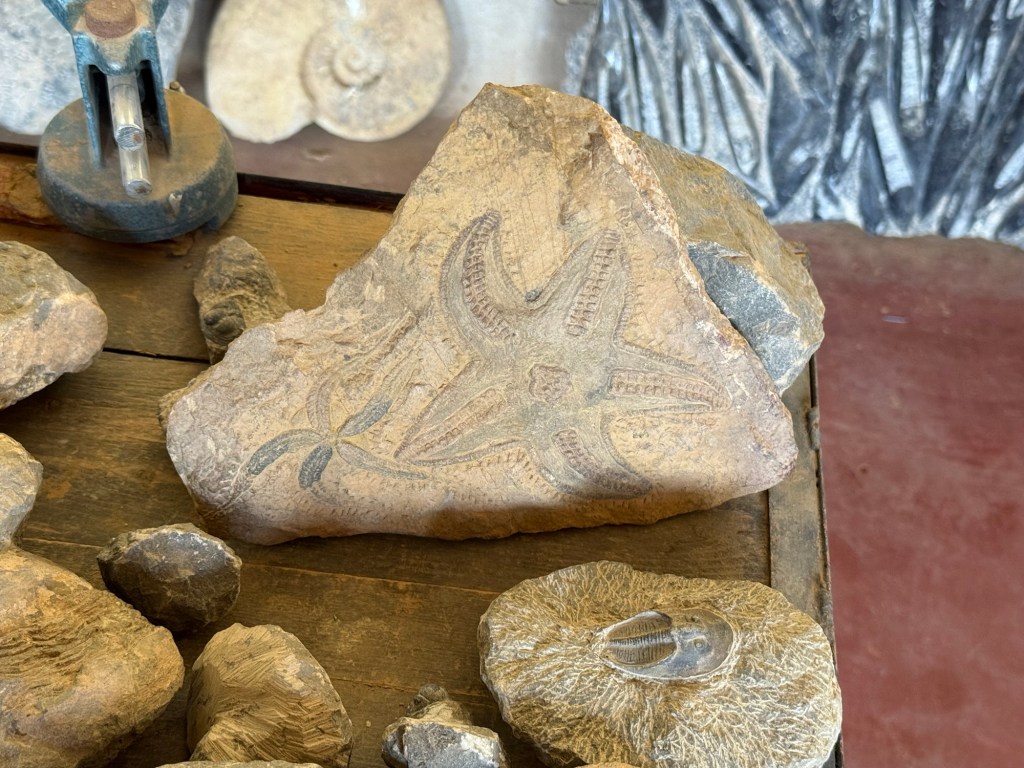

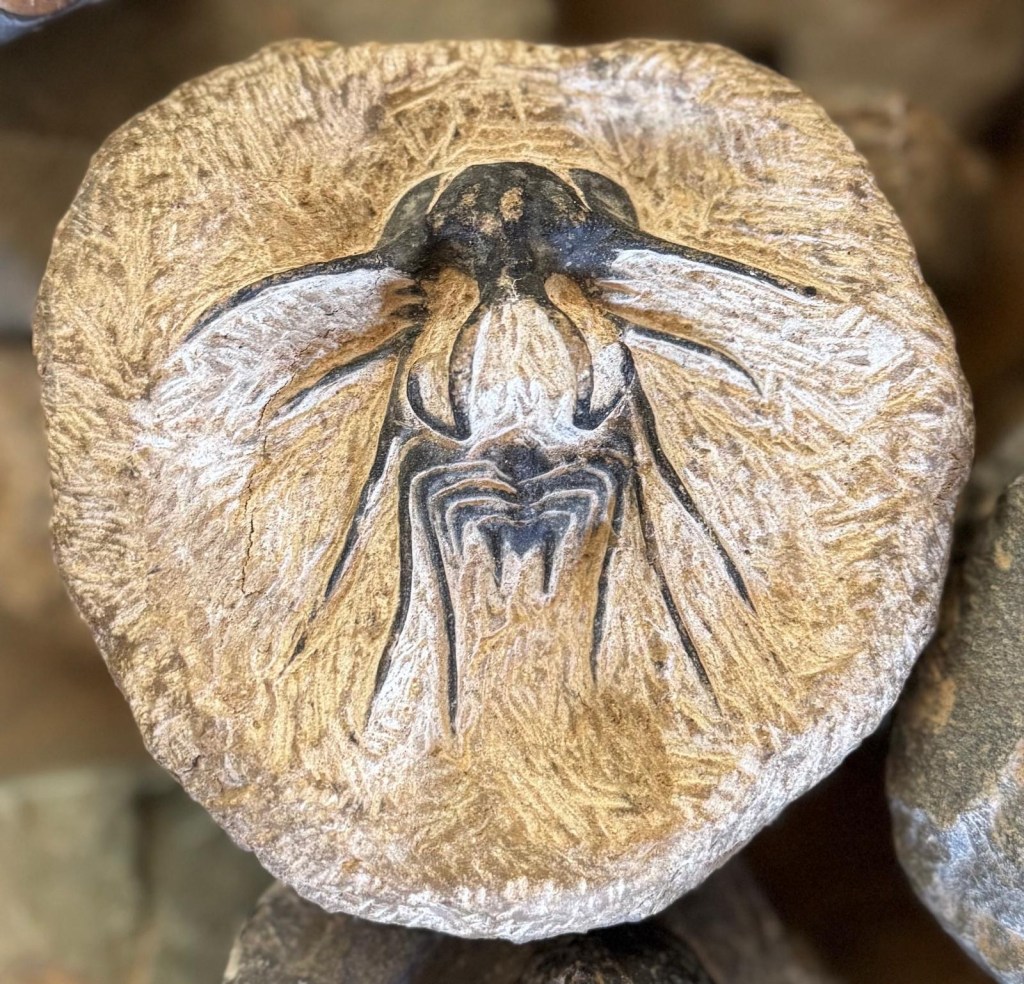
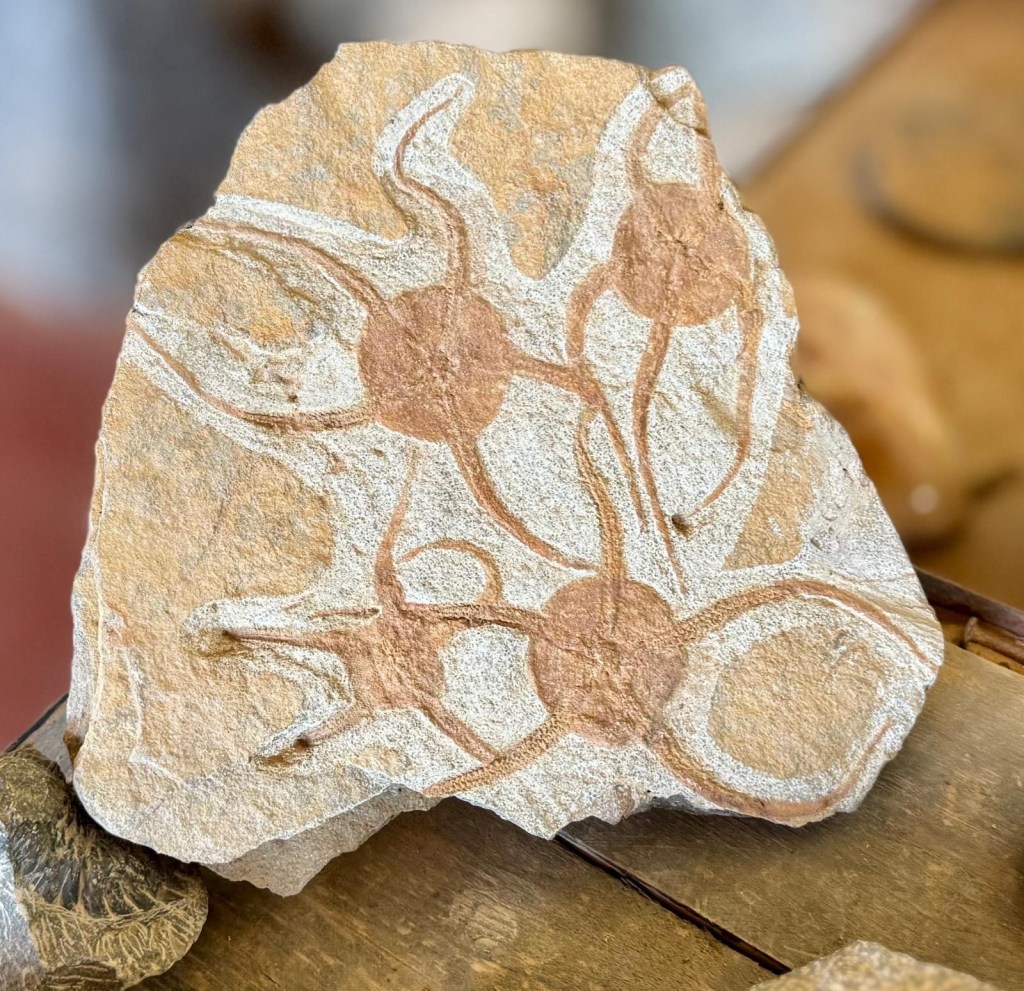
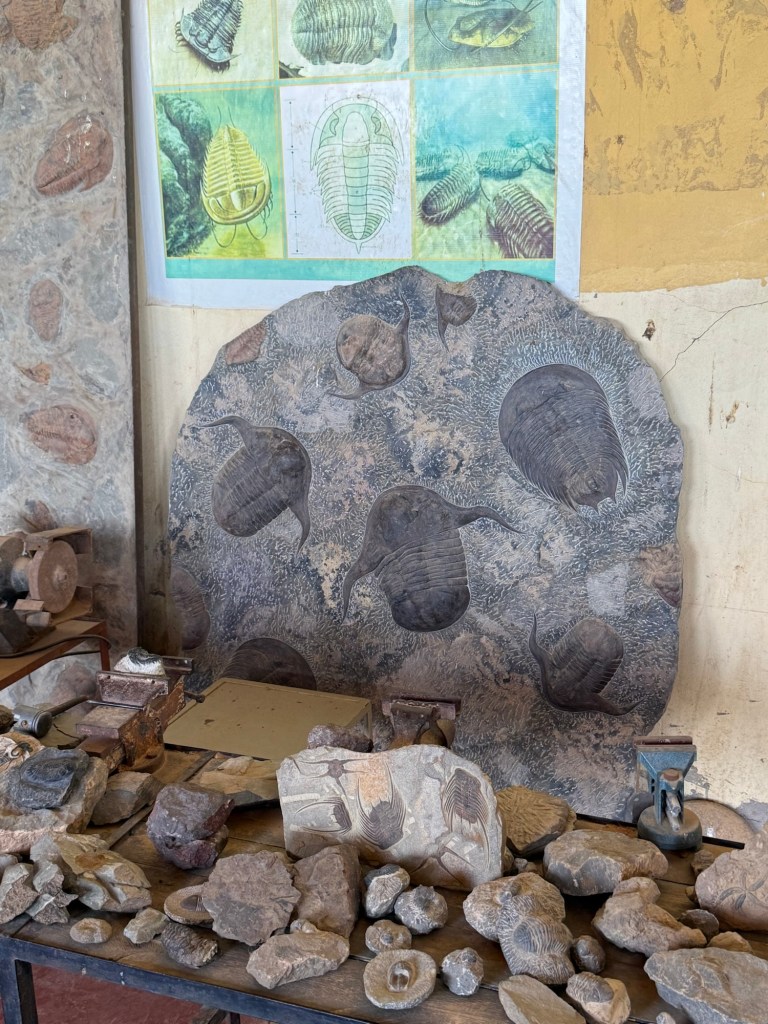
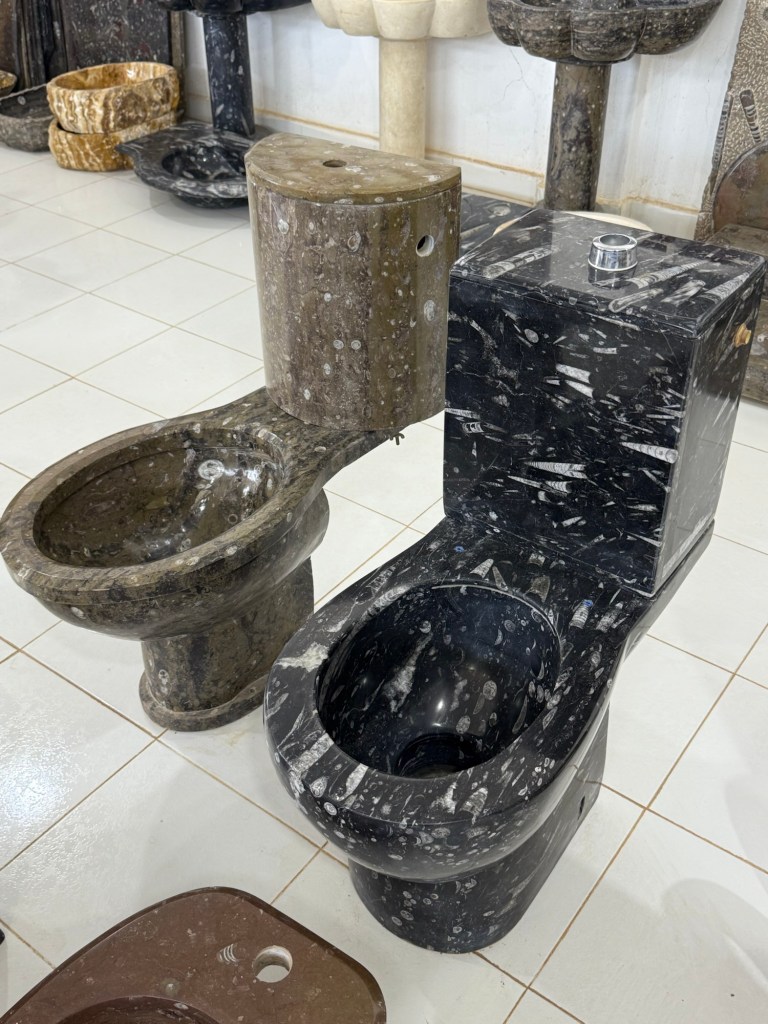
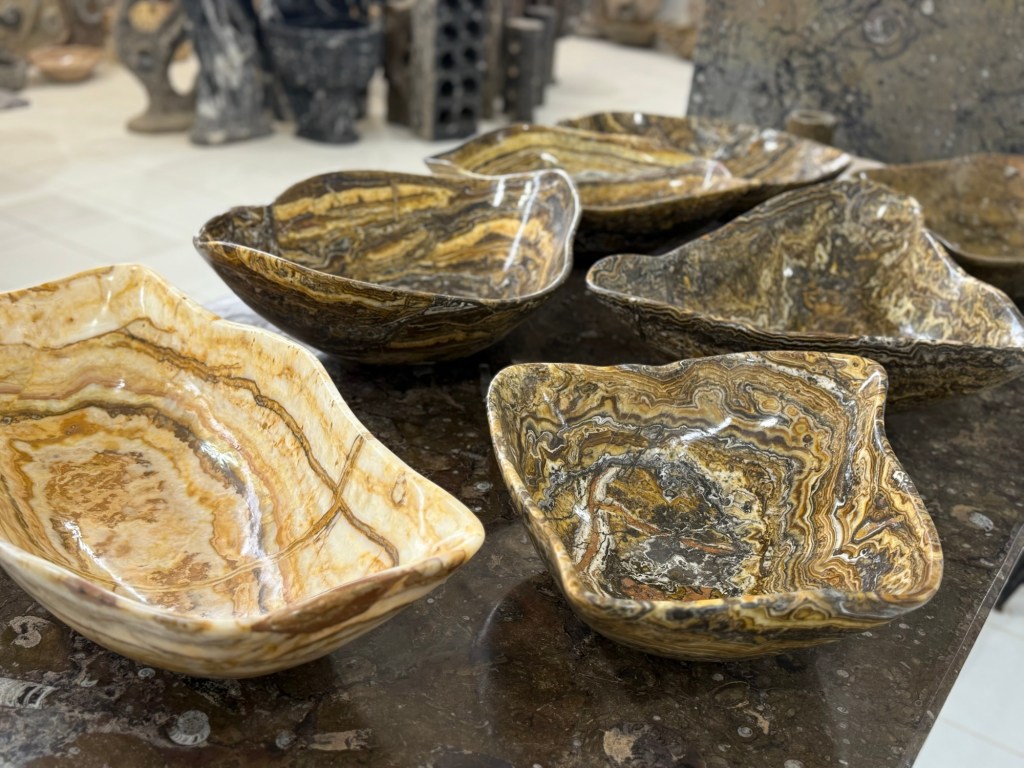
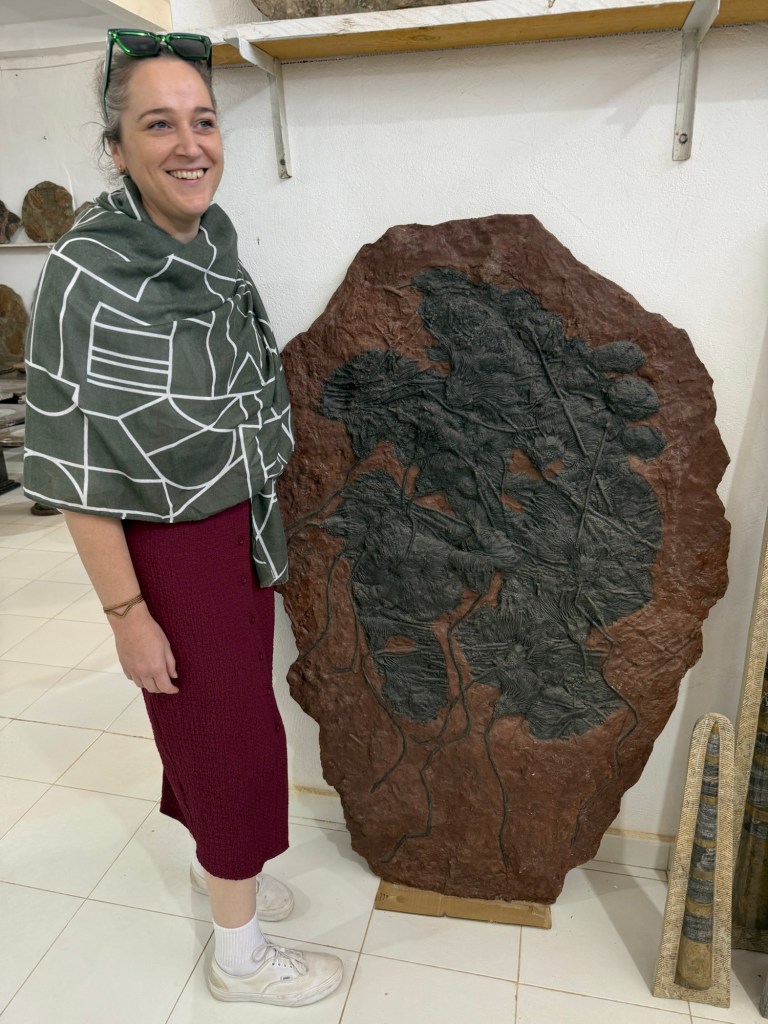
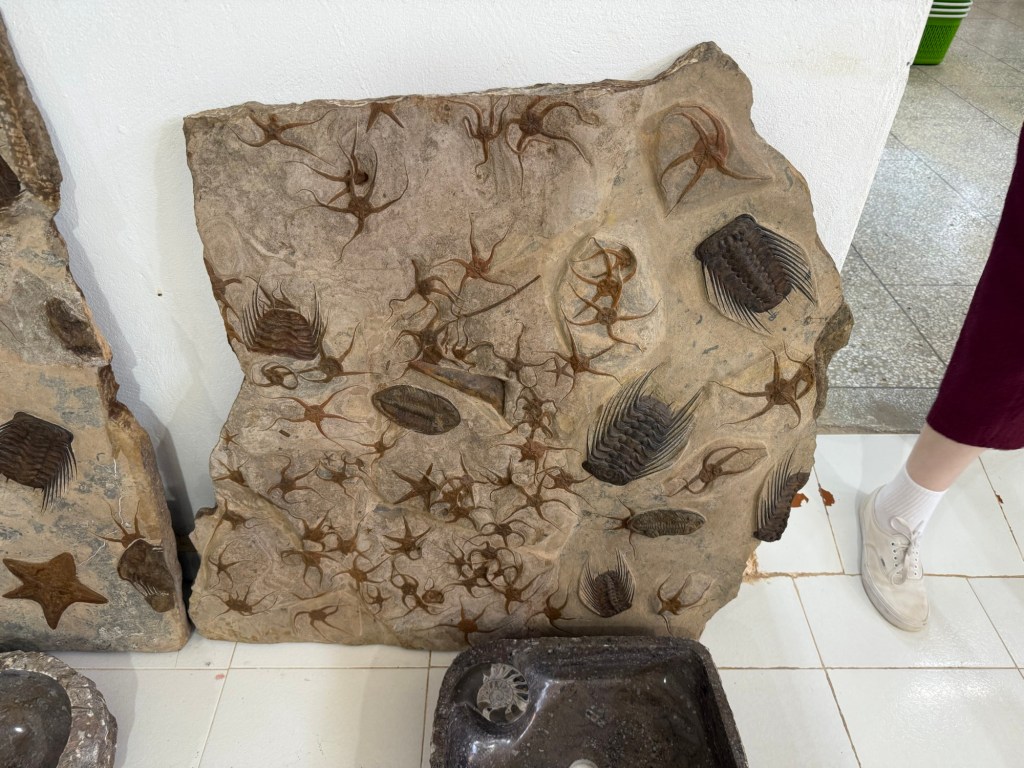
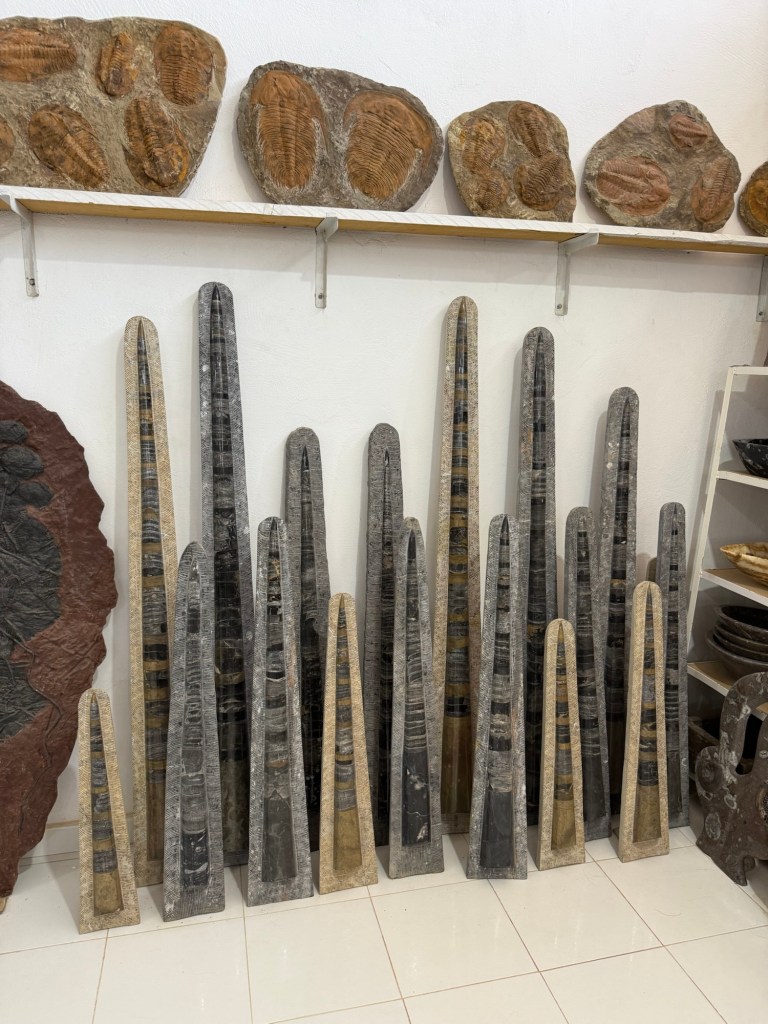
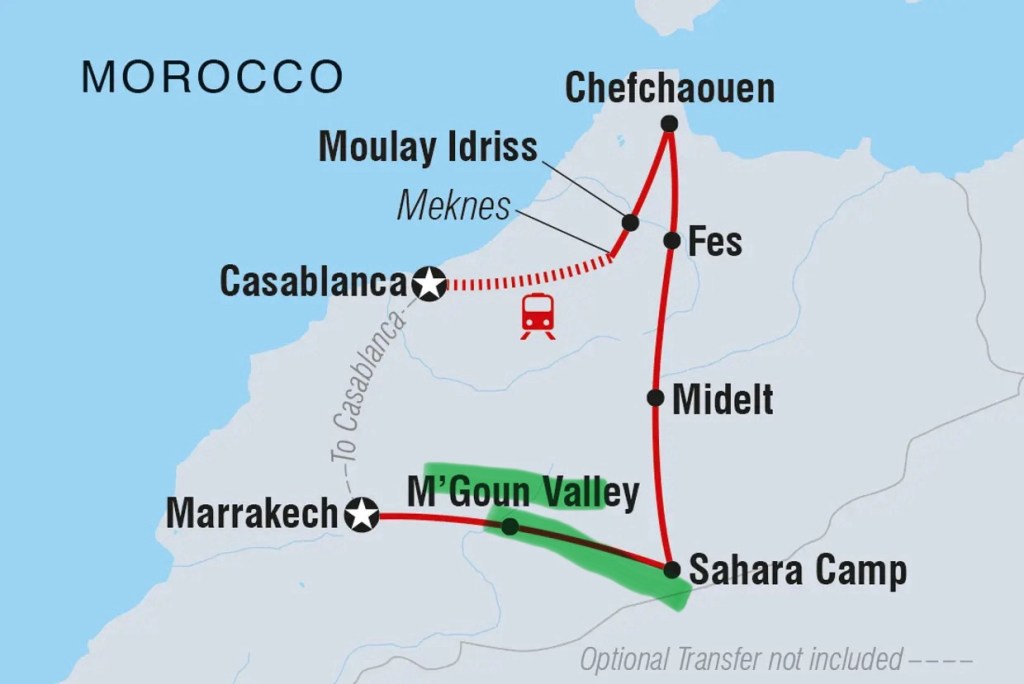
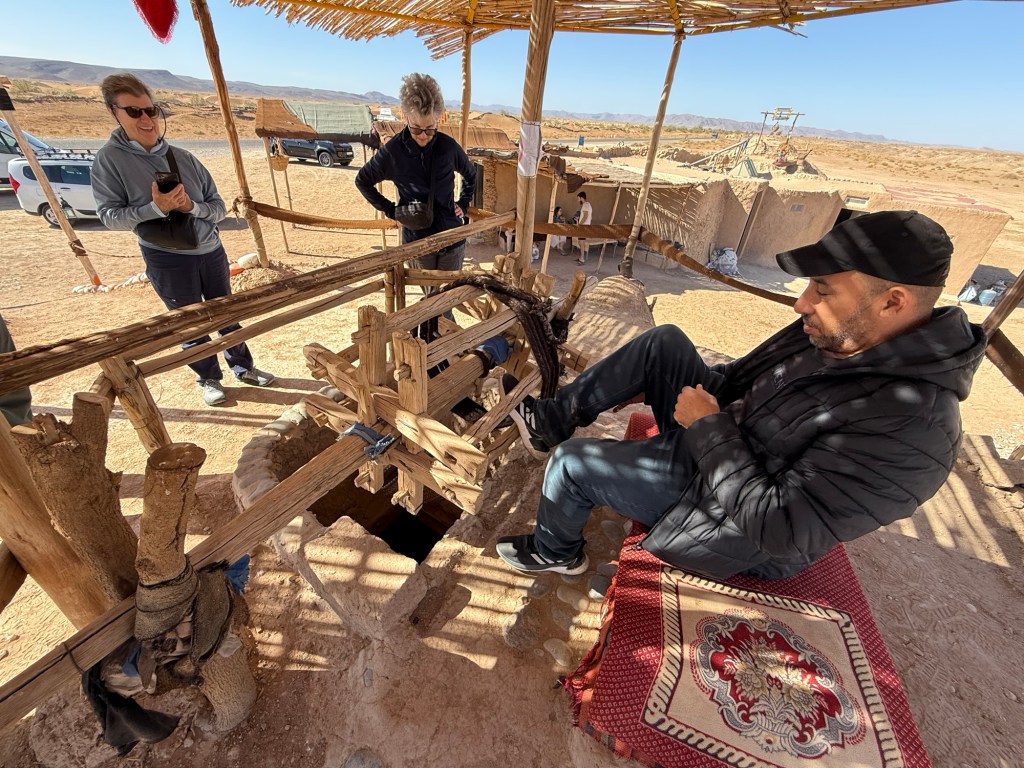
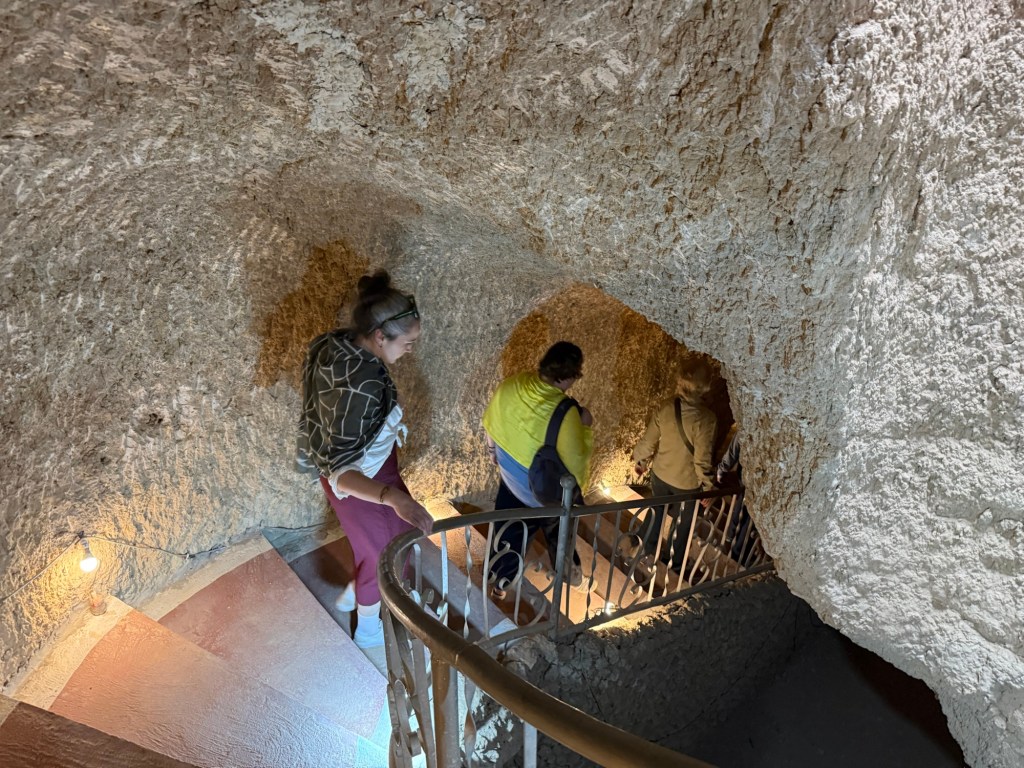
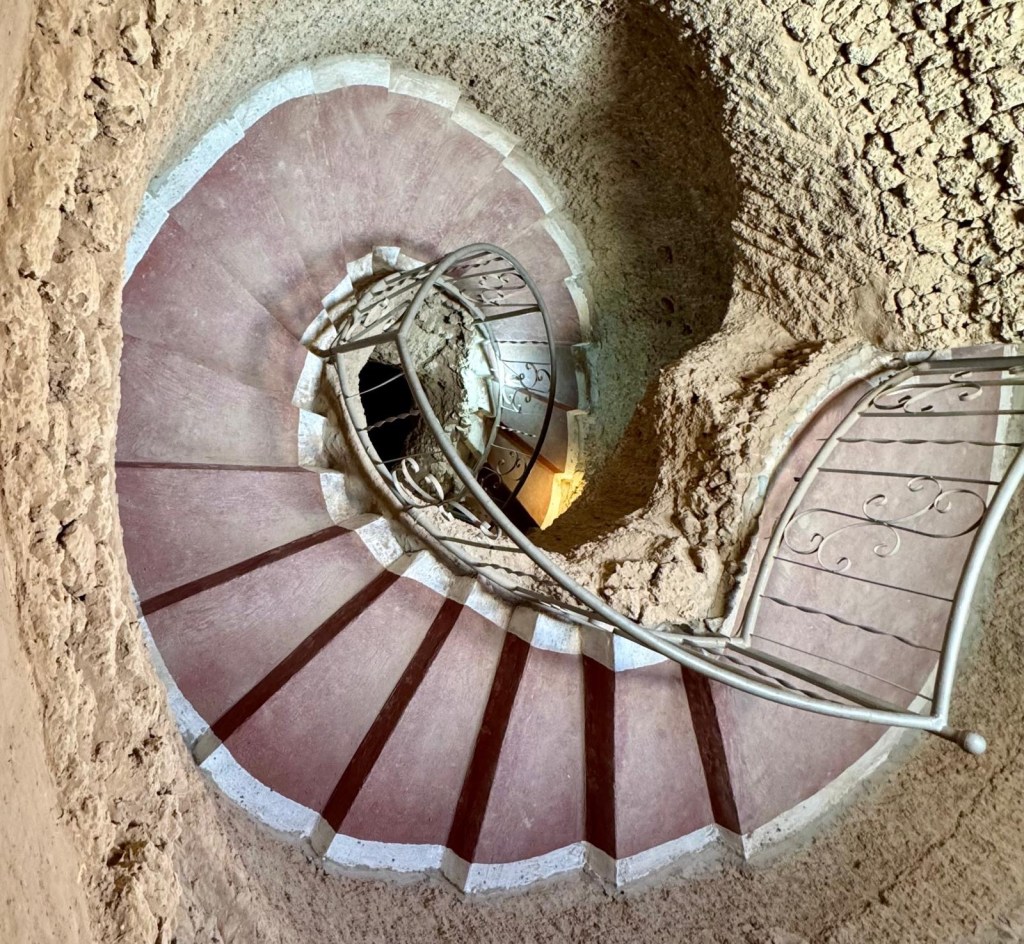
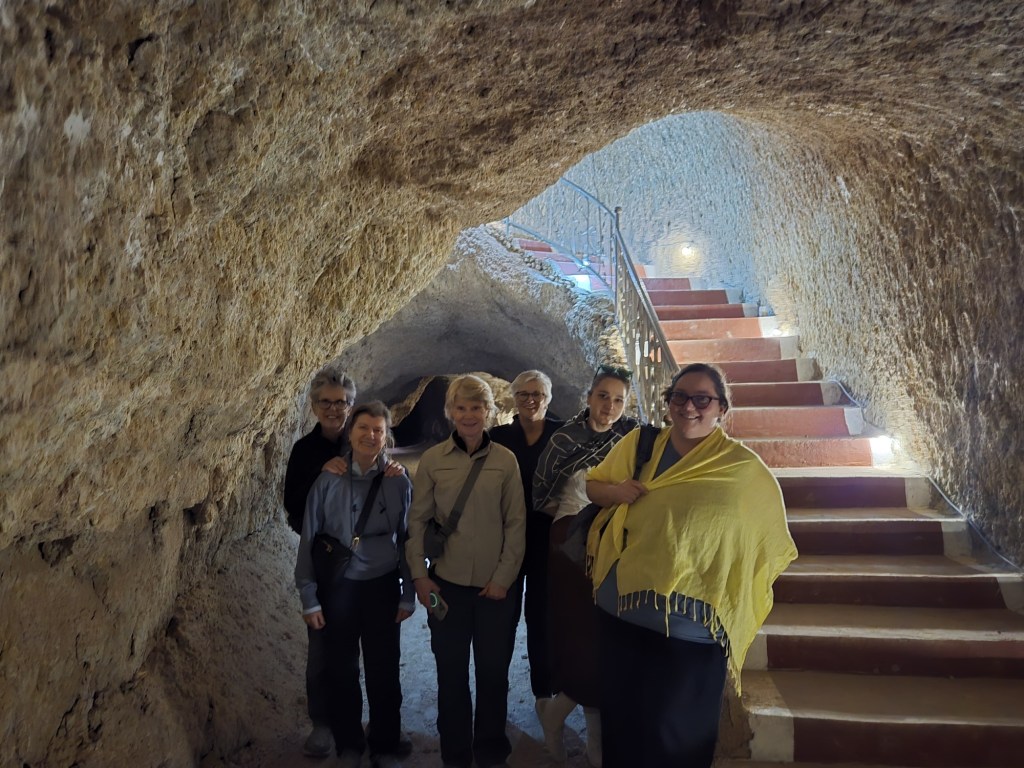
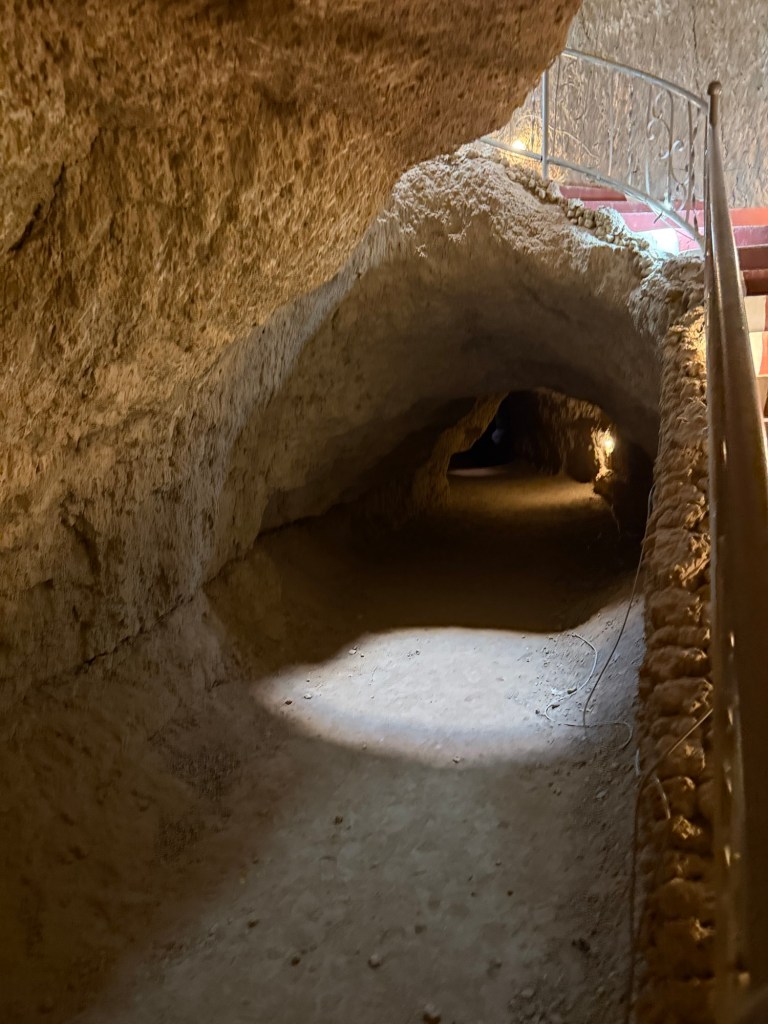
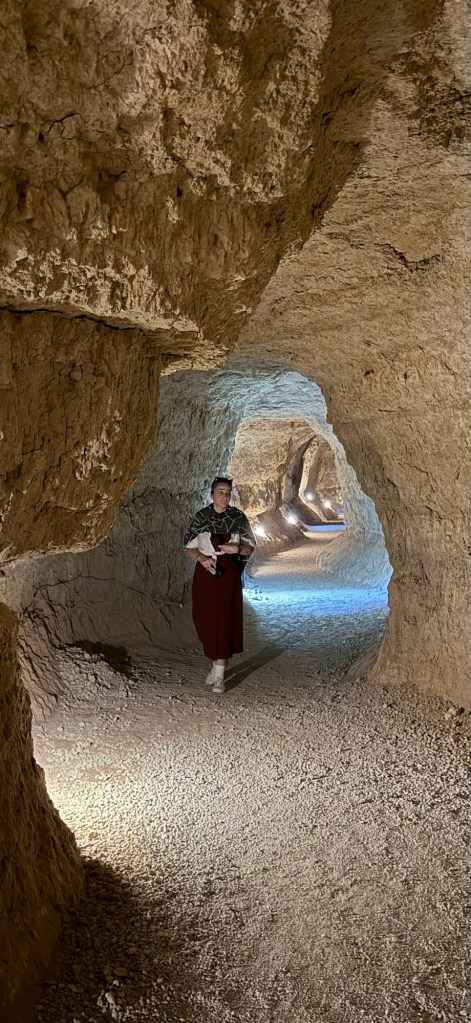
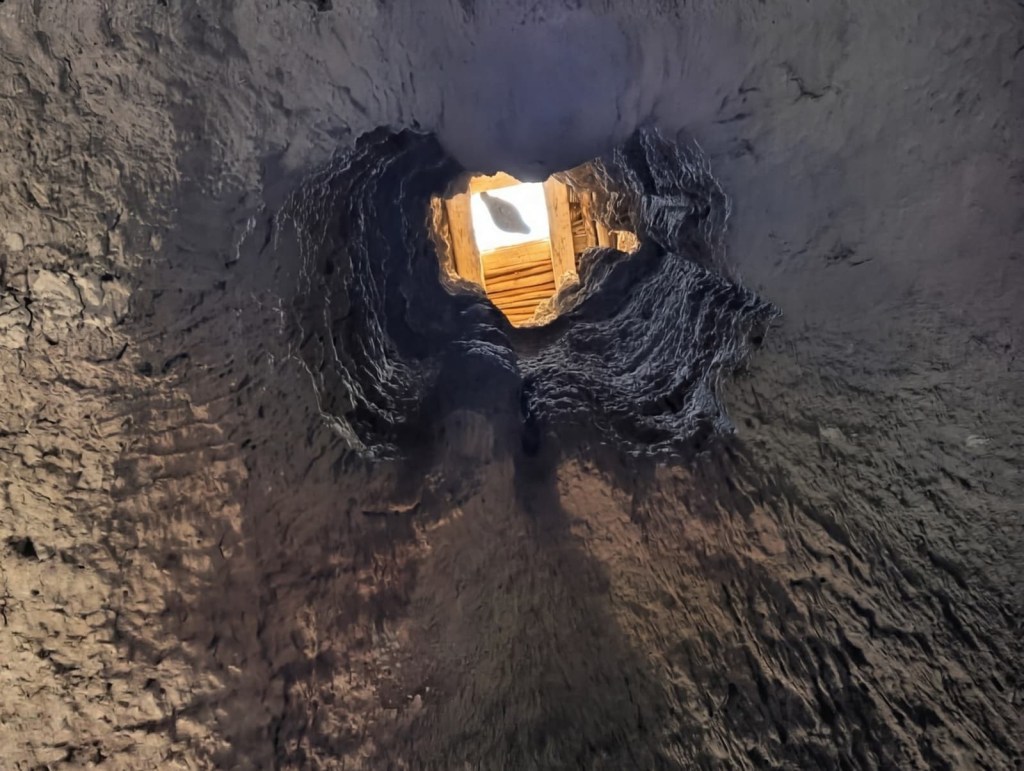
After dragging ourselves out of the showroom and away from more purchases, we headed west towards the M’Goun Valley. The next stop was an introduction to the ingenious khettara irrigation system that has for centuries been the most efficient and effective management of water resources in the arid regions of Morocco and is still used in Marrakech to this day.
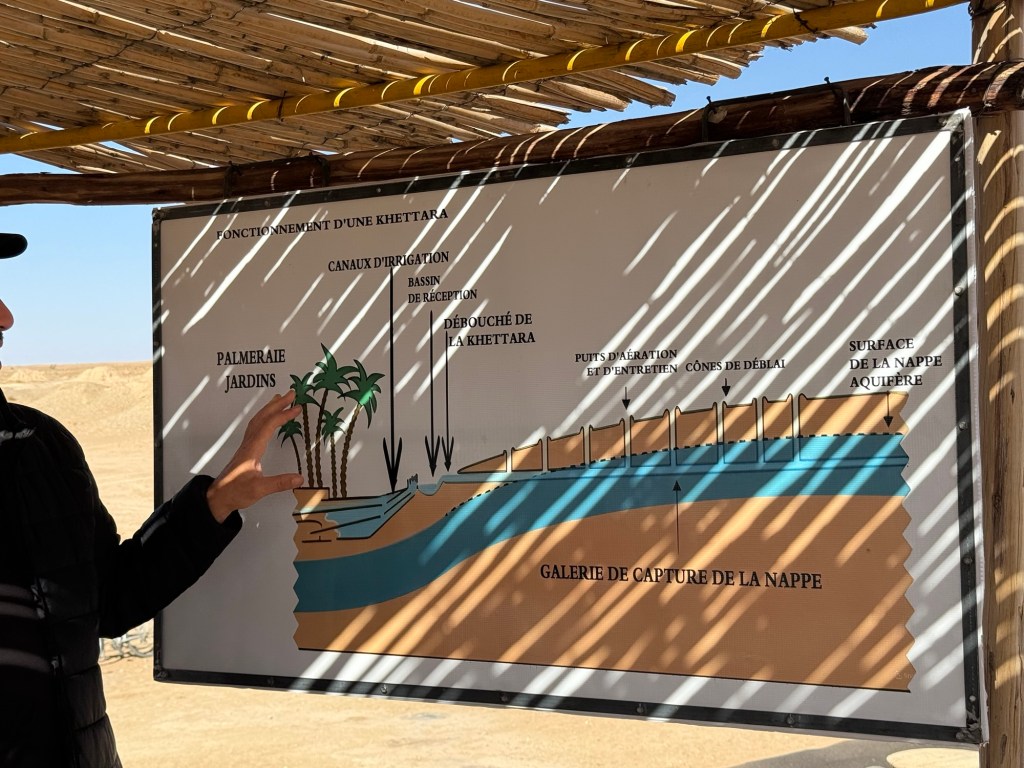
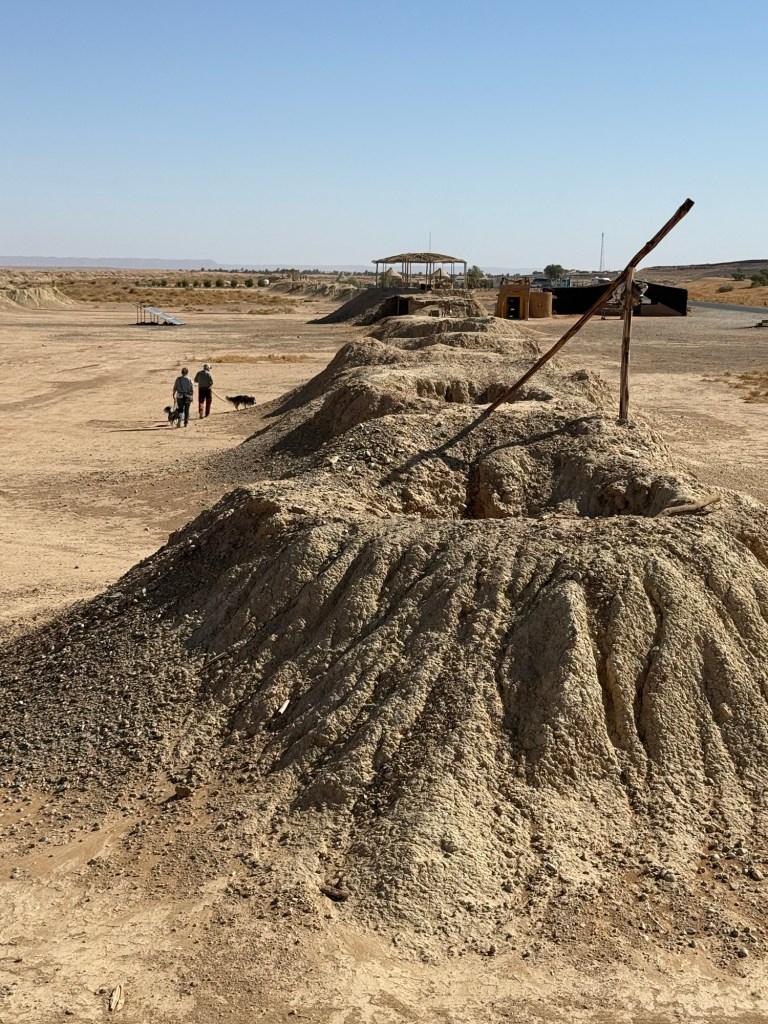
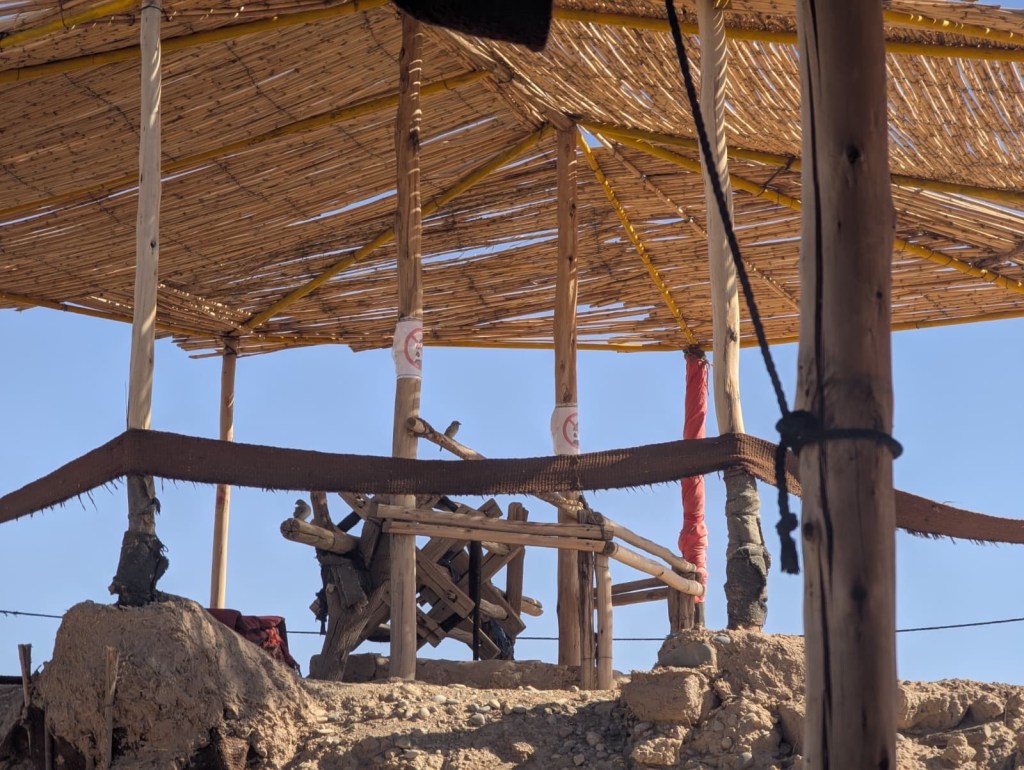
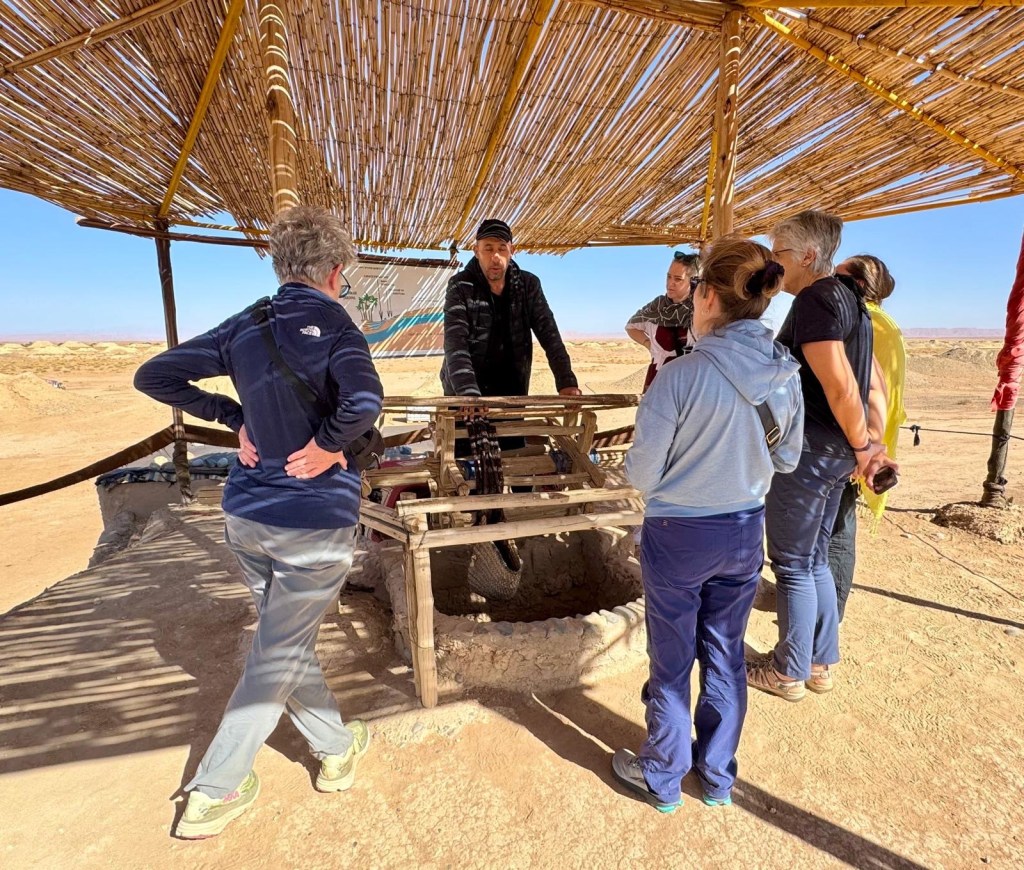


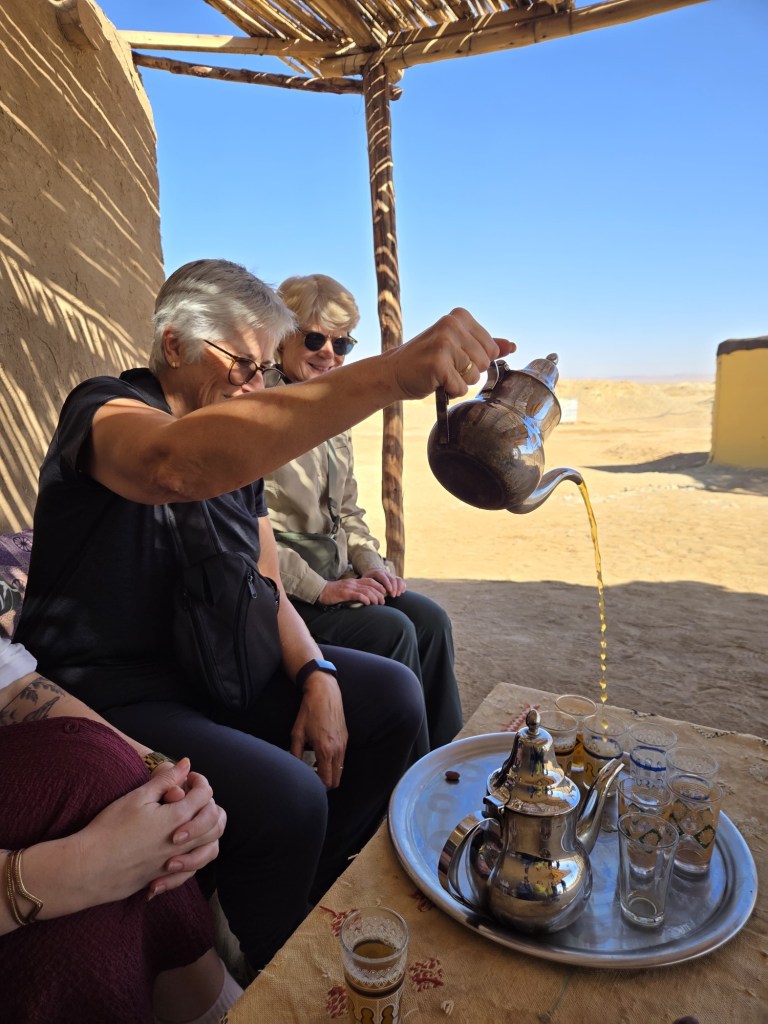
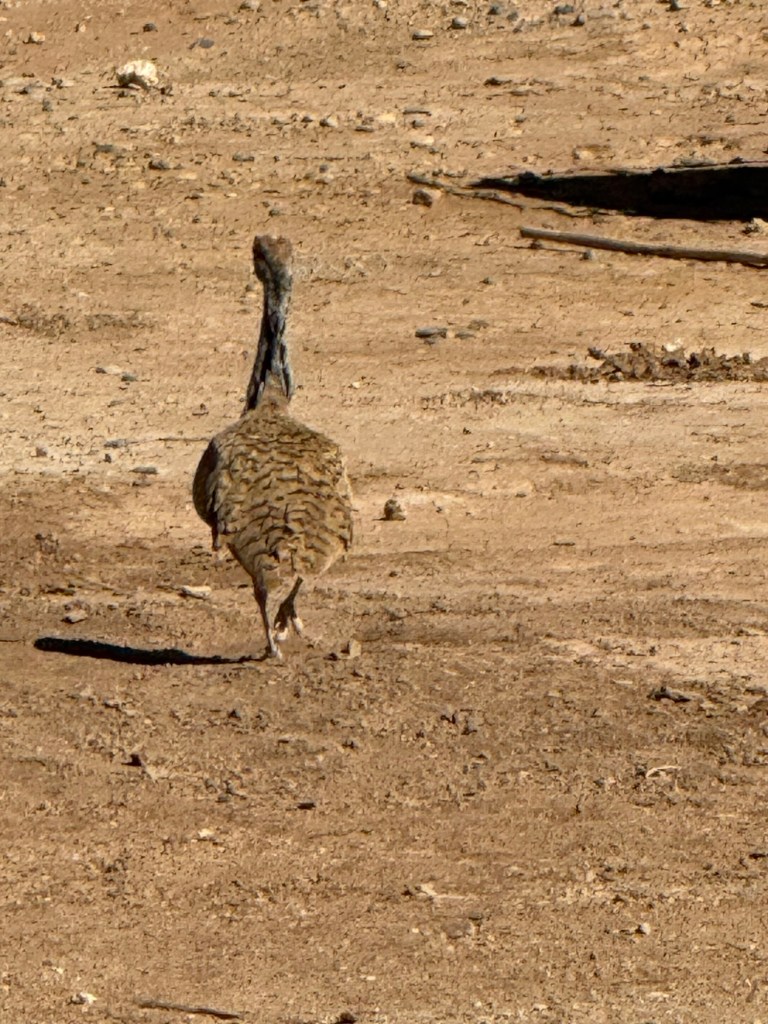
We were sitting having “welcome tea” when this guy walked out of the sand dunes … a houbara bustard, an endangered species.

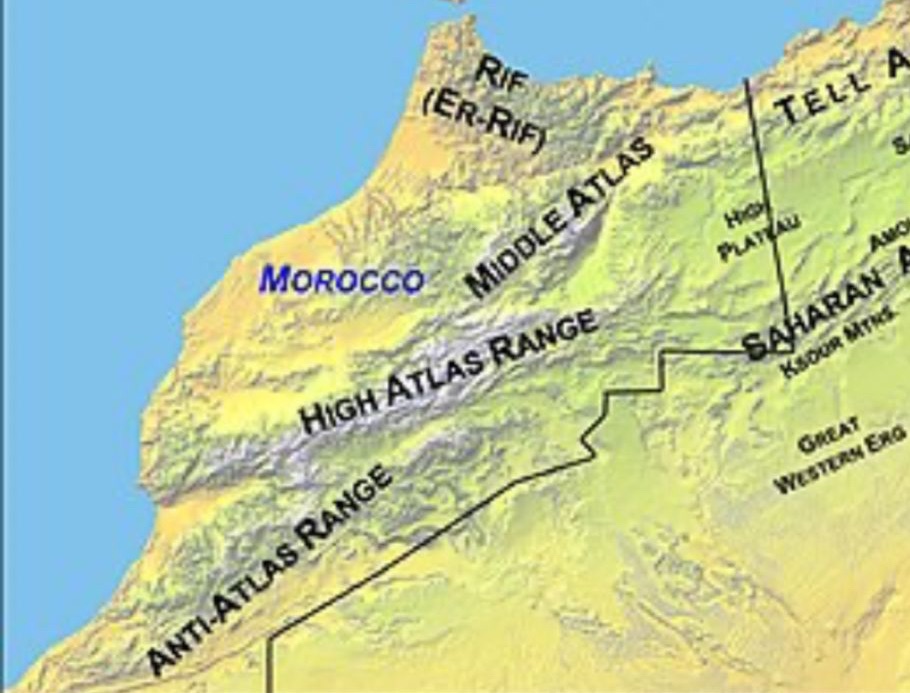
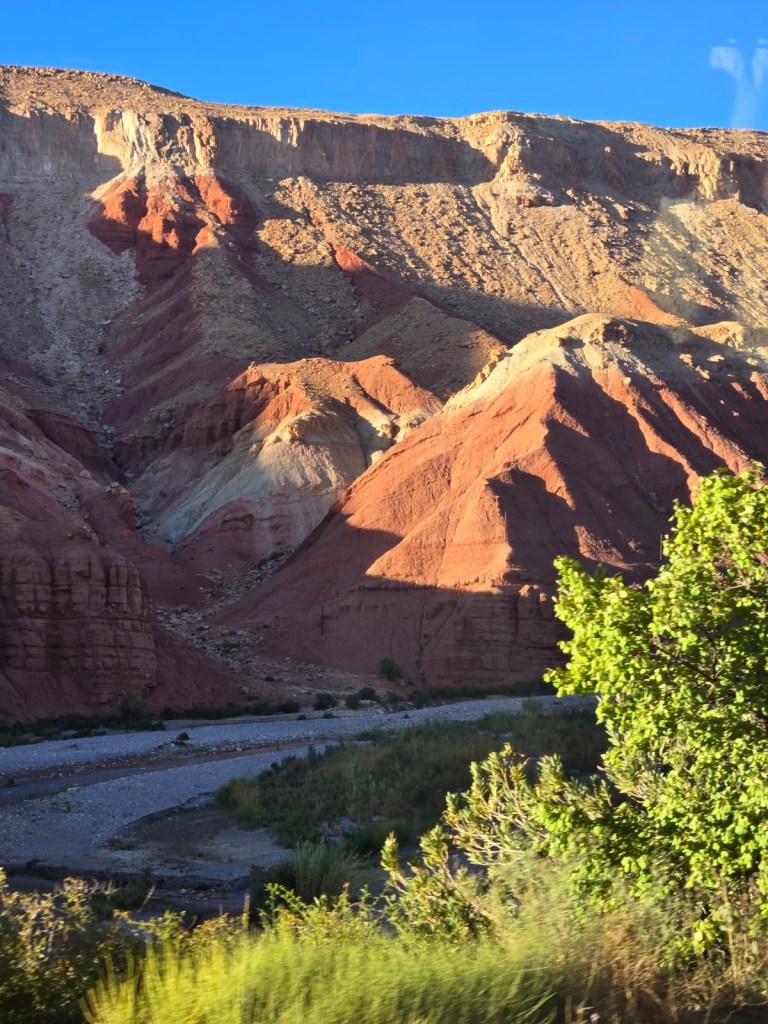
Today we headed west between the High Atlas Range and the AnteAtlas Range. I hadn’t realised the scale of the High Atlas Range… 1700km from the Atlantic almost to the Algerian border. The AnteAtlas range is older than the High Atlas, more volcanic with most of Morocco’s mining occurring g there. We passed the biggest silver mine in Africa, 8th biggest in the world.
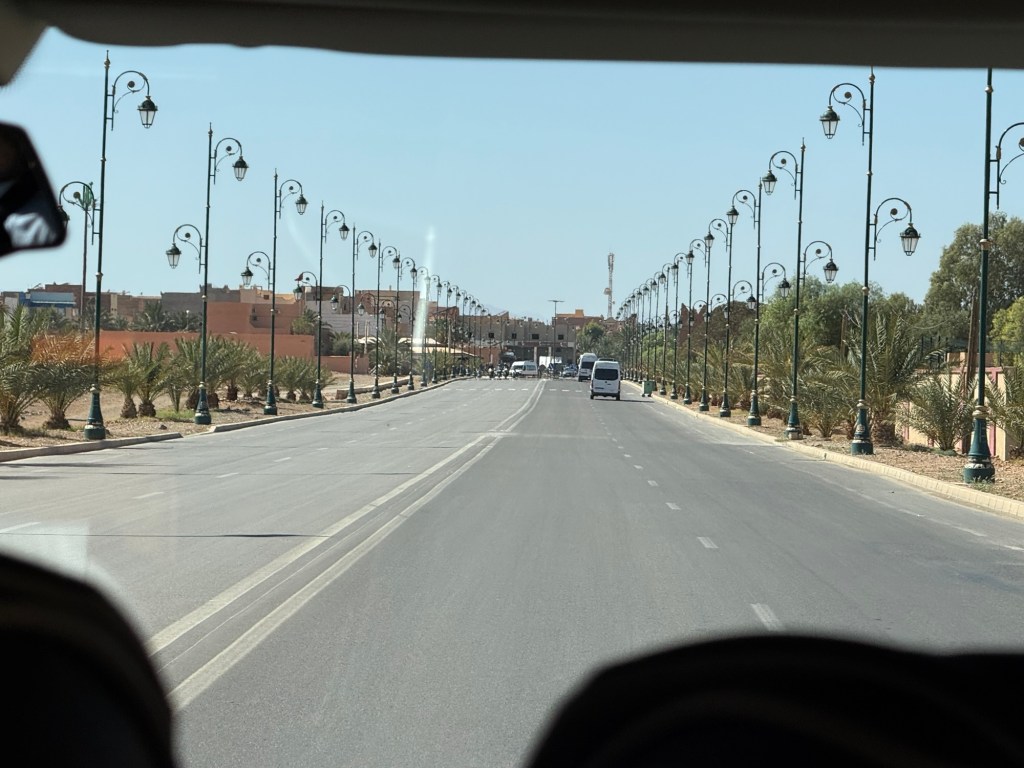
Heading further west, we stopped in Tinghir for lunch. Lynn orders black coffee with a little milk in the side… and she often ends up with coffee with a cup of hot milk as well. Today we got four of them.


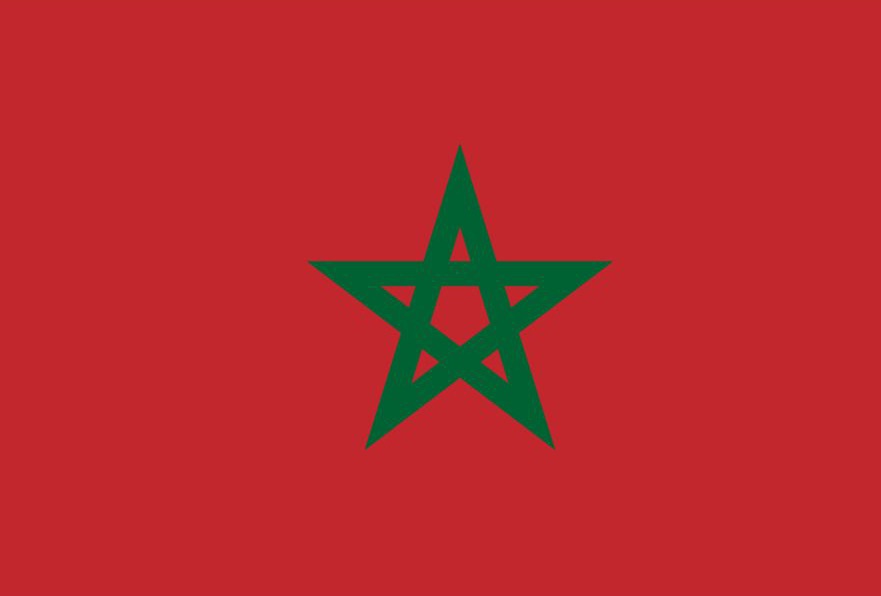
Youssef explained the meaning of the Moroccan flag to us as we travelled today … The green star represents the five pillars of Islam, and the red represents the blood of the ancestors and unity.
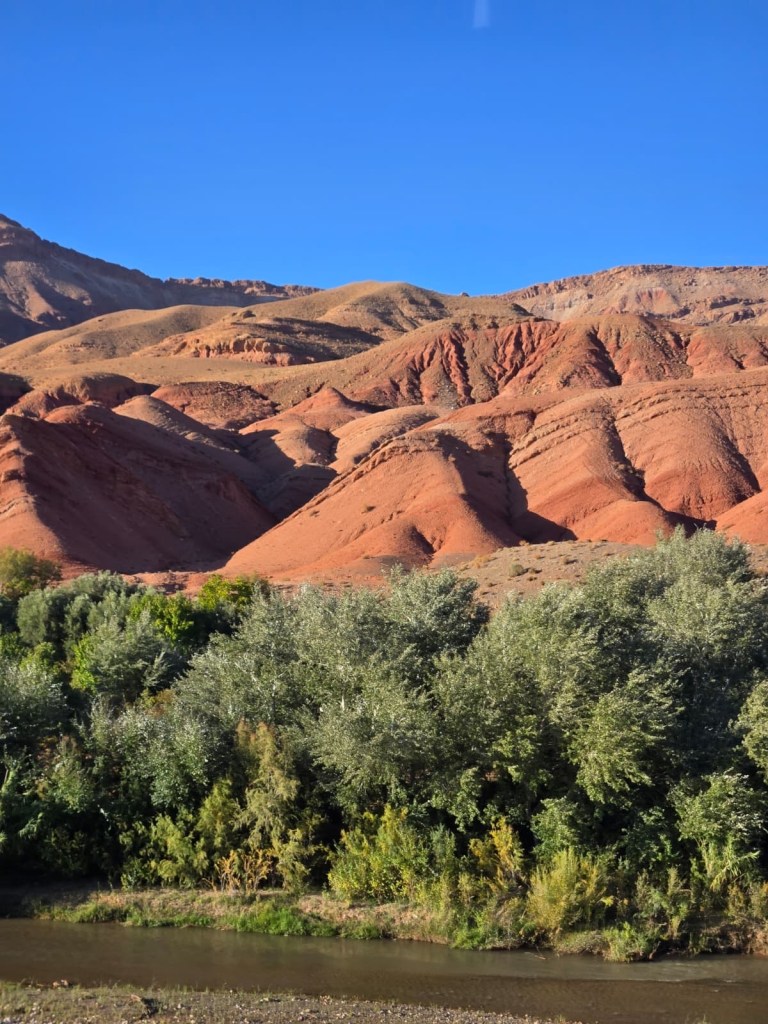
Onto the M’Goun Valley, 180km long valley renowned for the growing Damask Roses. These roses are prized for their fine fragrance and are commercially harvested for rose oil used in perfumery and to rose water. The flower petals are also edible. They are used to flavor food, as a garnish, as an herbal tea. There is a rose festival each May and 40% of production is sent to French perfumeries.
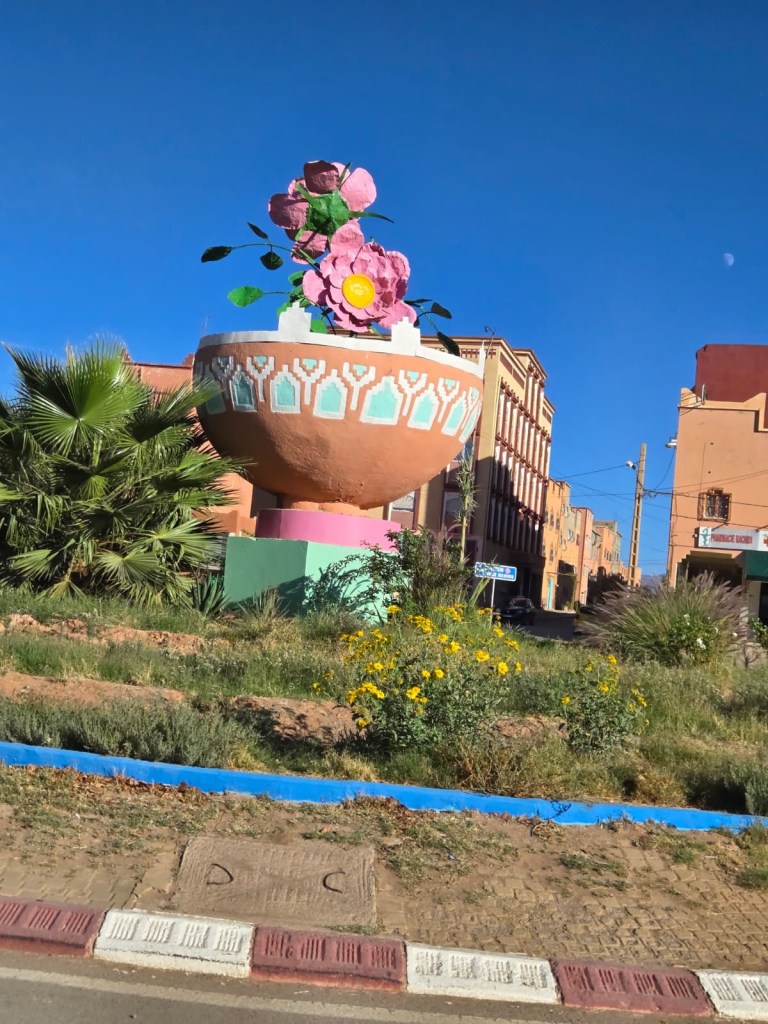
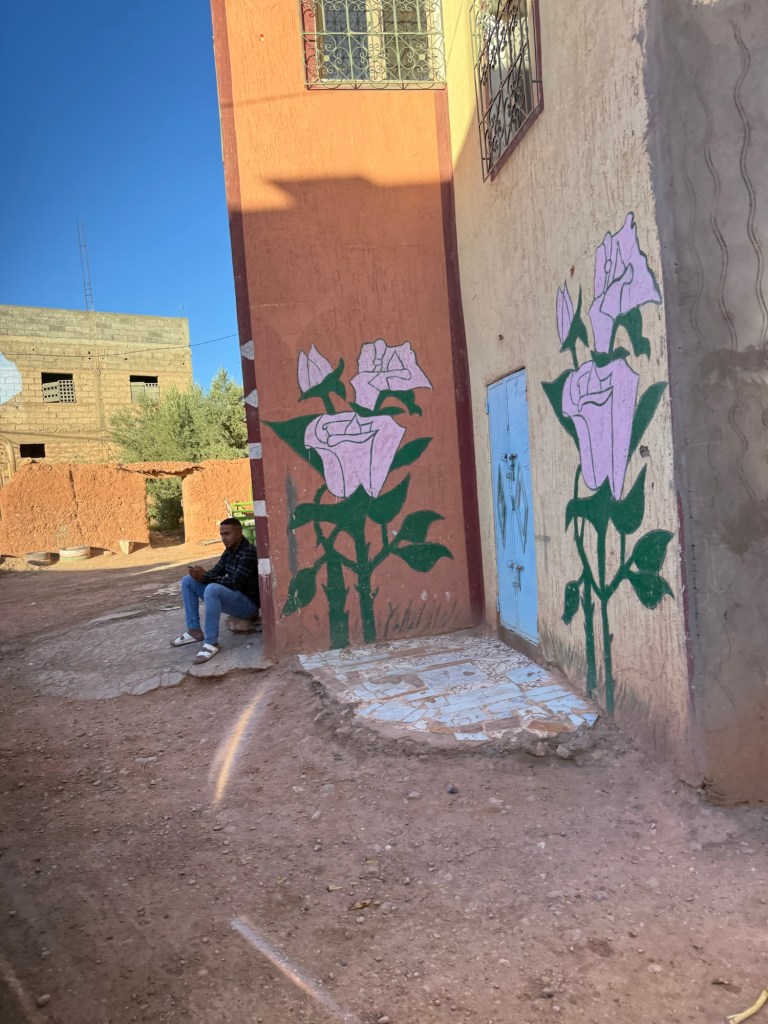
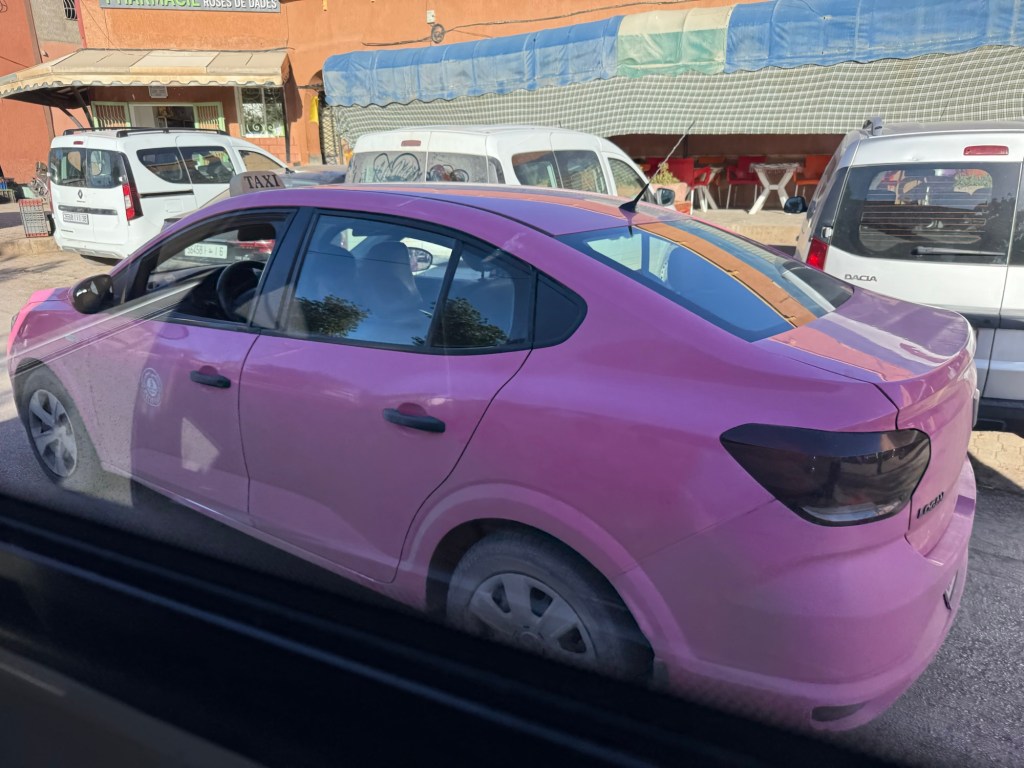
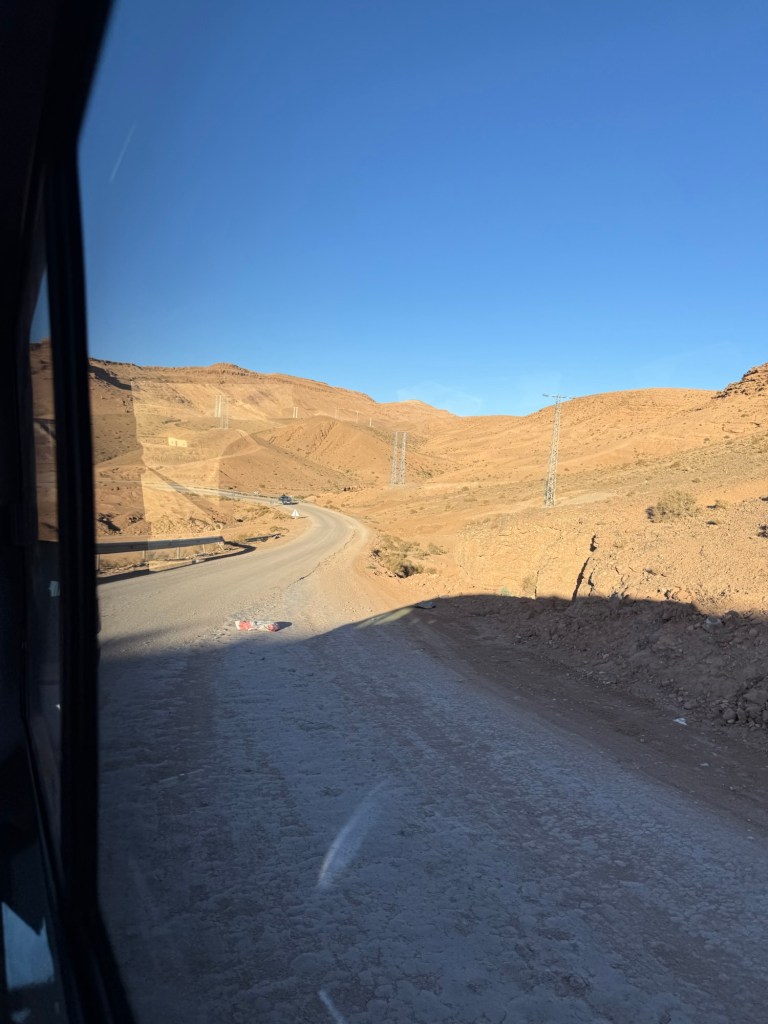
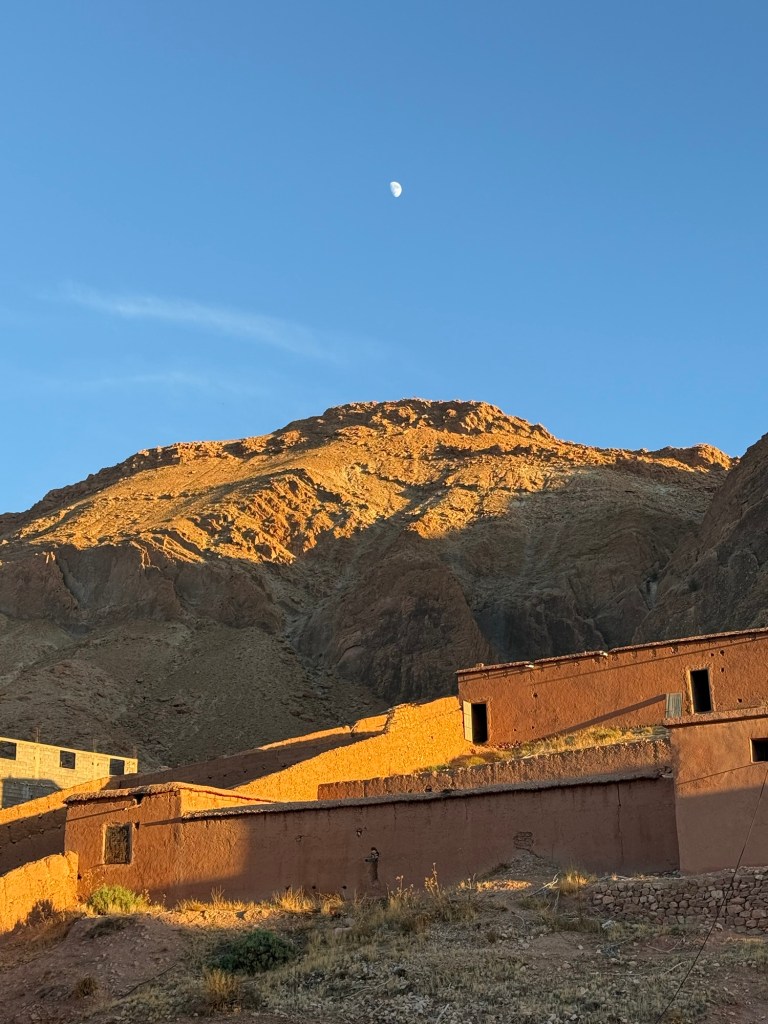
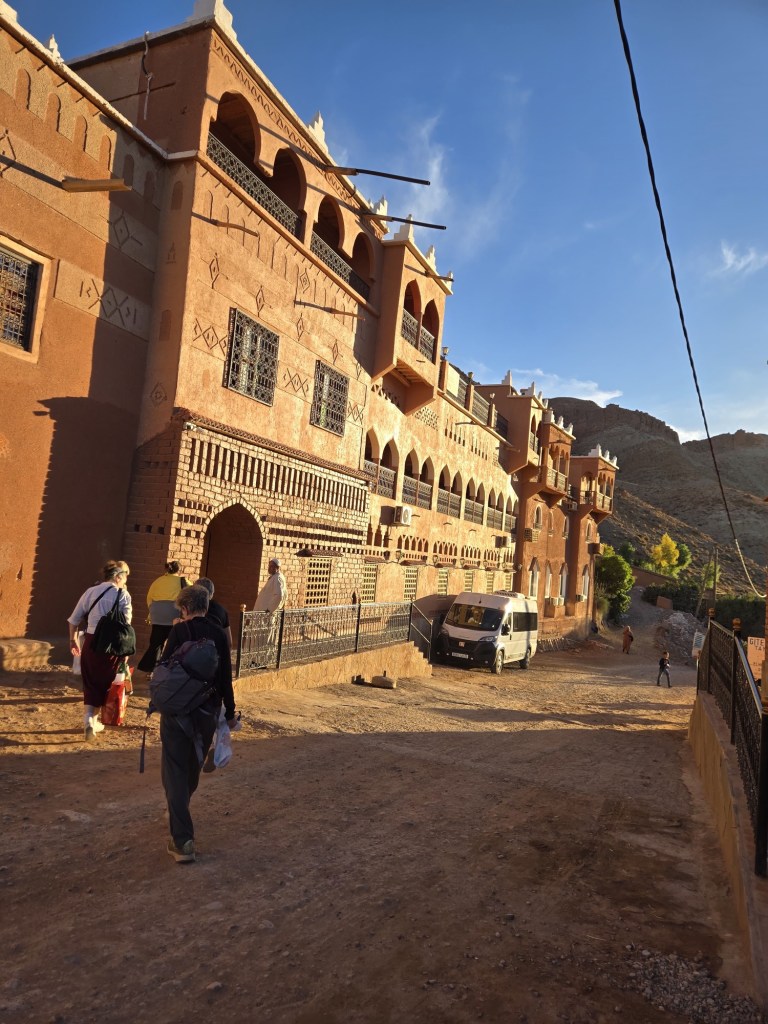
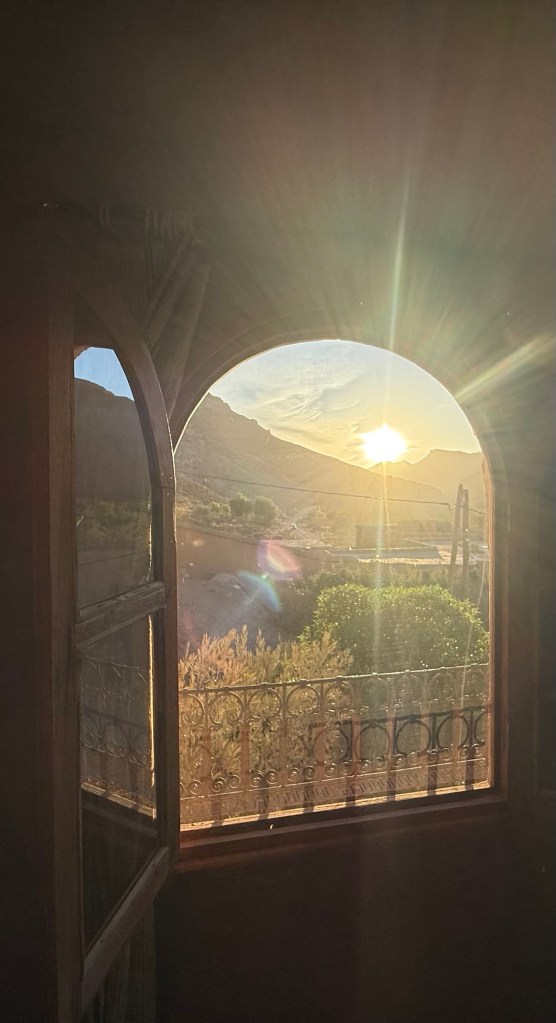
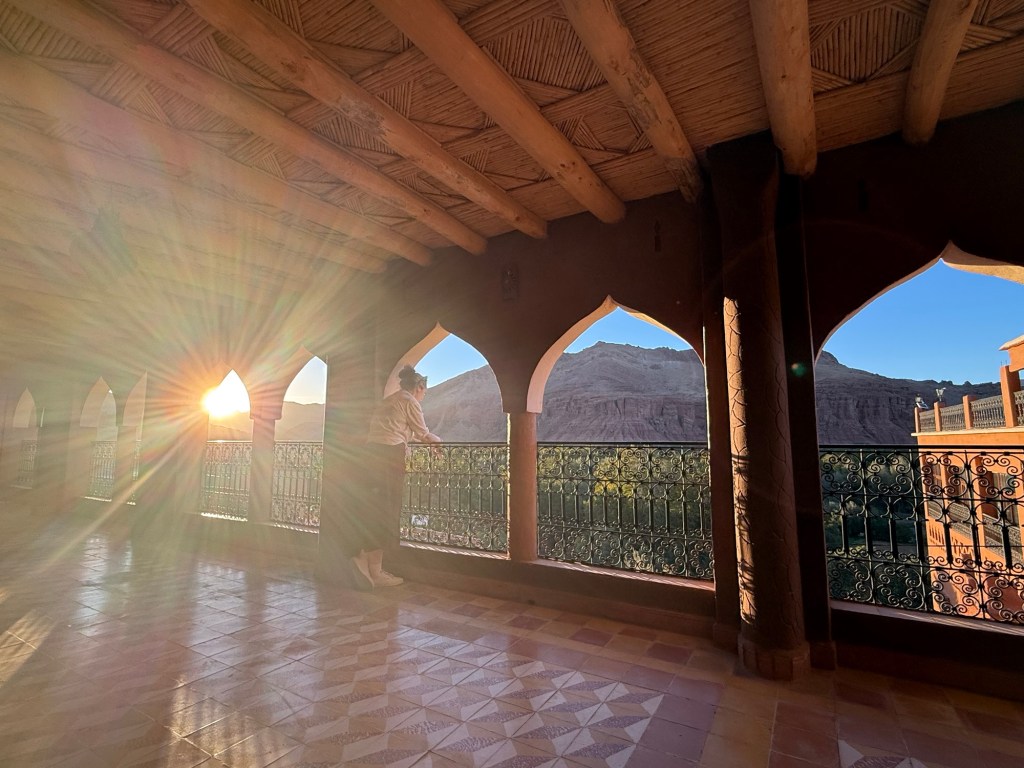
Our hotel is in a small town called Bou Tharar, about a 45min drive from Kalaat M’Gouna township… along a very windy road but with beautiful views.


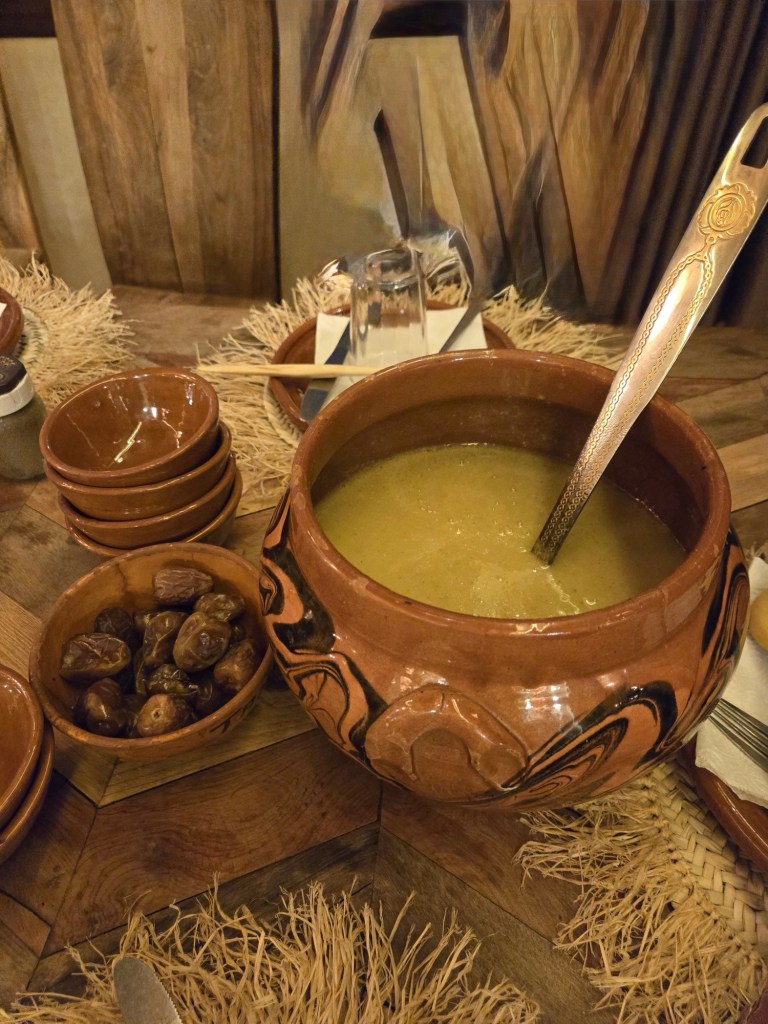

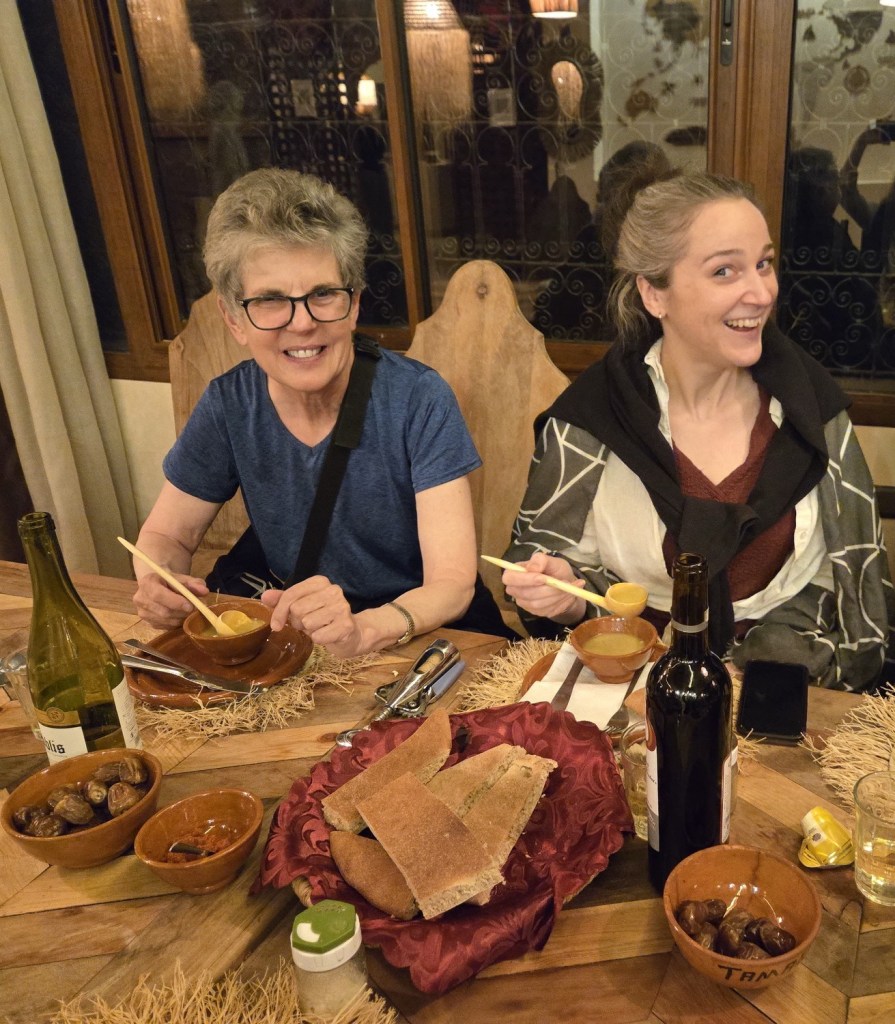

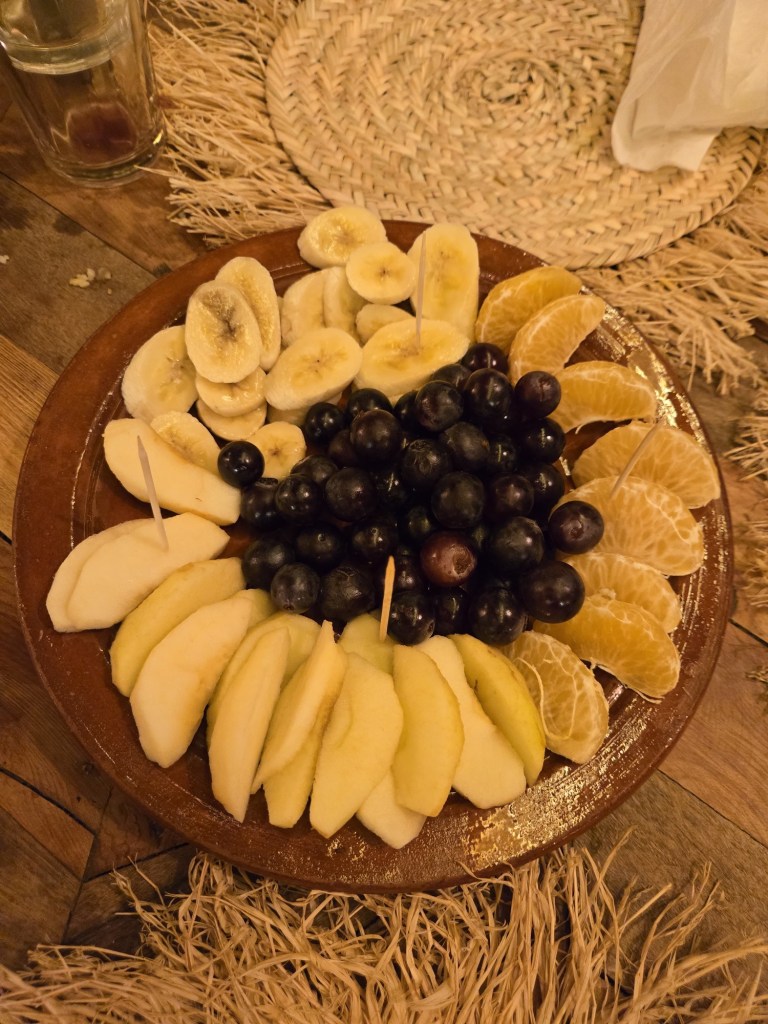

 Morocco Food Tour