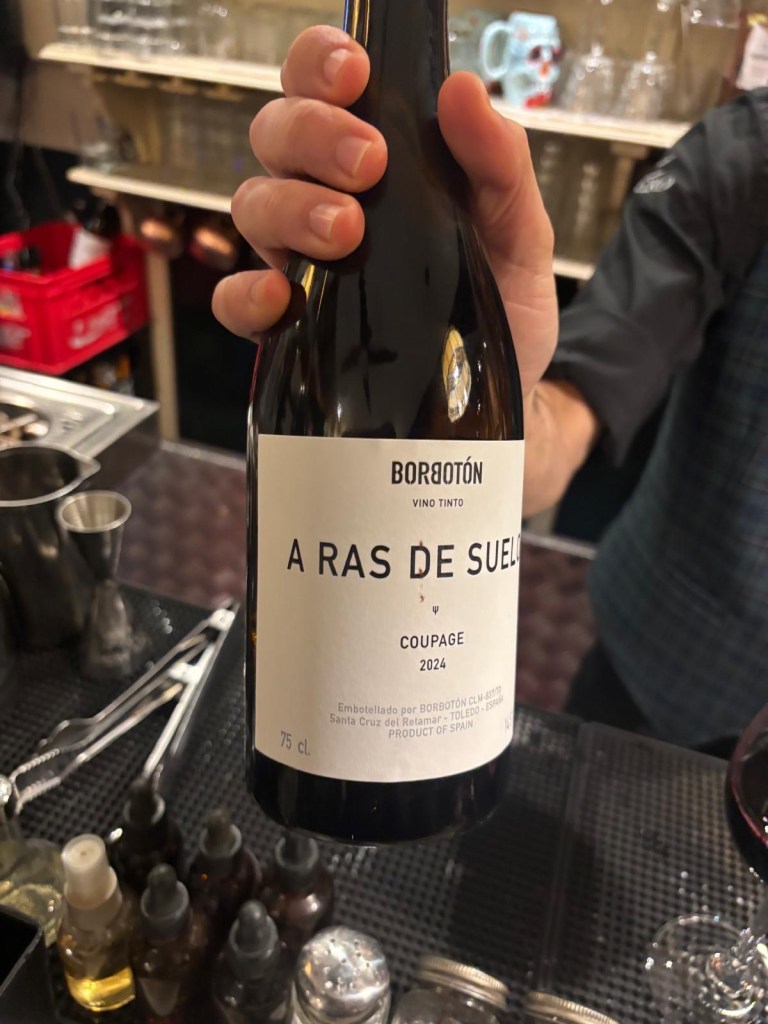
A day of sightseeing and there are so many interesting and beautiful buildings… with more churches/synagogues/mosques per square metre than anywhere we’ve been!
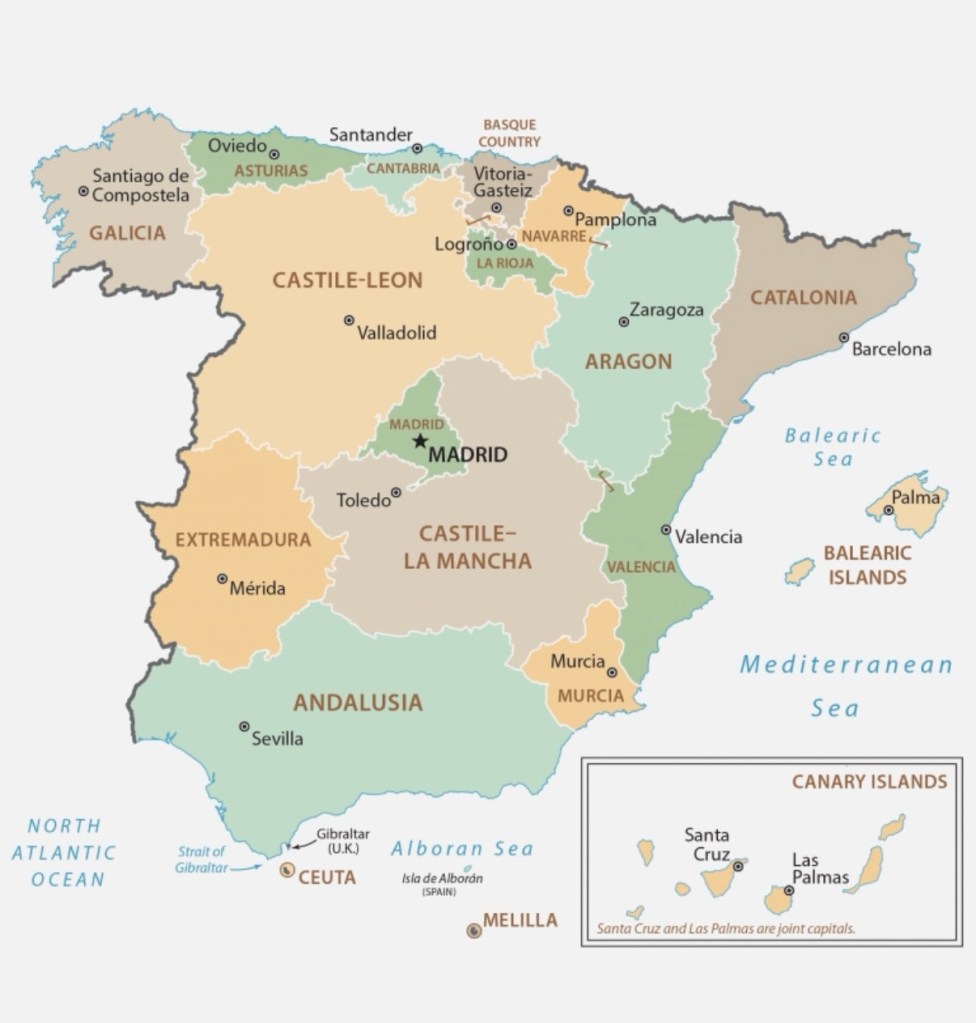
Toledo is an ancient city set on a hill above the plains of Castilla-La Mancha in central Spain. Gary reckons that it is reminiscent of the stunning hilltop towns in Italy. The capital of the region, it’s known for the medieval Arab, Jewish and Christian monuments in its walled old city. It was also the former home of painter El Greco.
La Mancha (as in Man of La Mancha) also gives its name to Manchego cheese, amongst other local food specialties.
This is the 4th region I’ve visited so far this trip… Galicia with Beth, the Catalunya (Barcelona), Valencia (Valencia & Alicante), now Castilla- La Mancha.
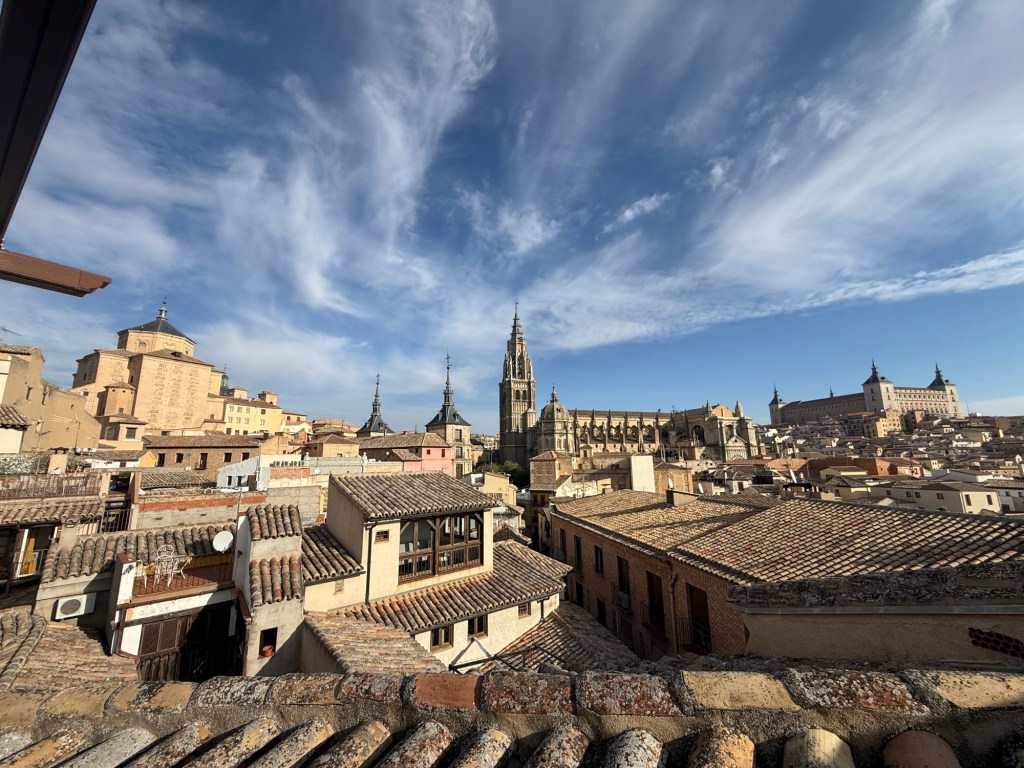
Before we headed out this morning we went to the terrace at the top of our hotel…
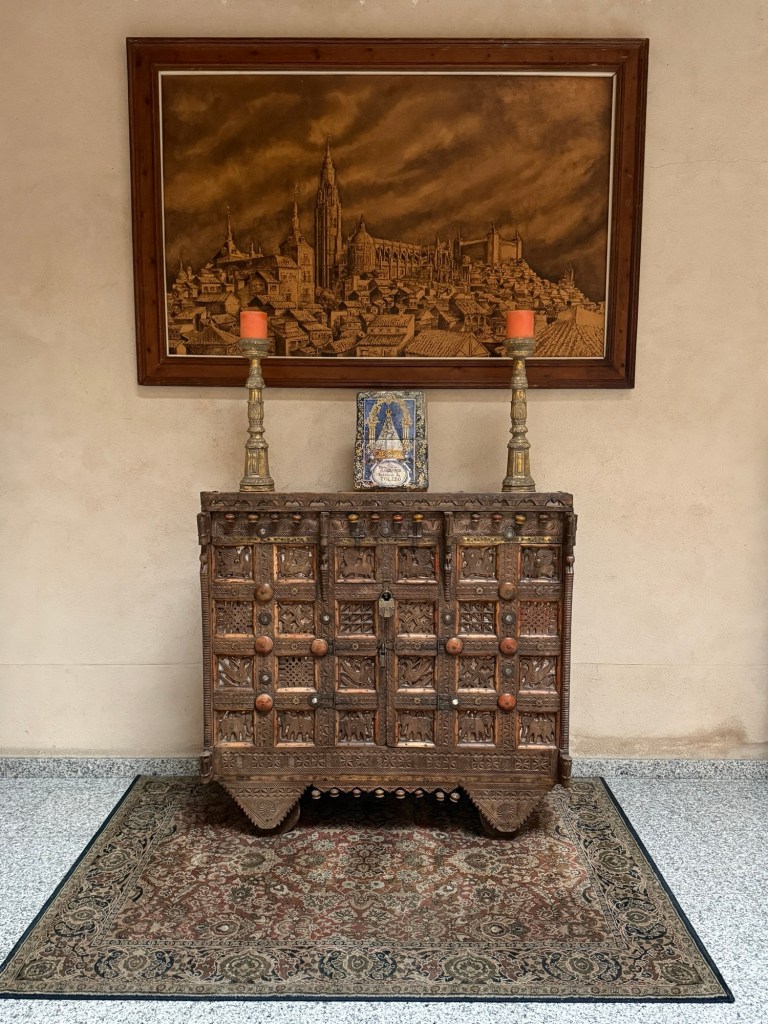
We bought a tourist pass that gave us entry to seven places to visit, and we capped that off with the Cathedral.
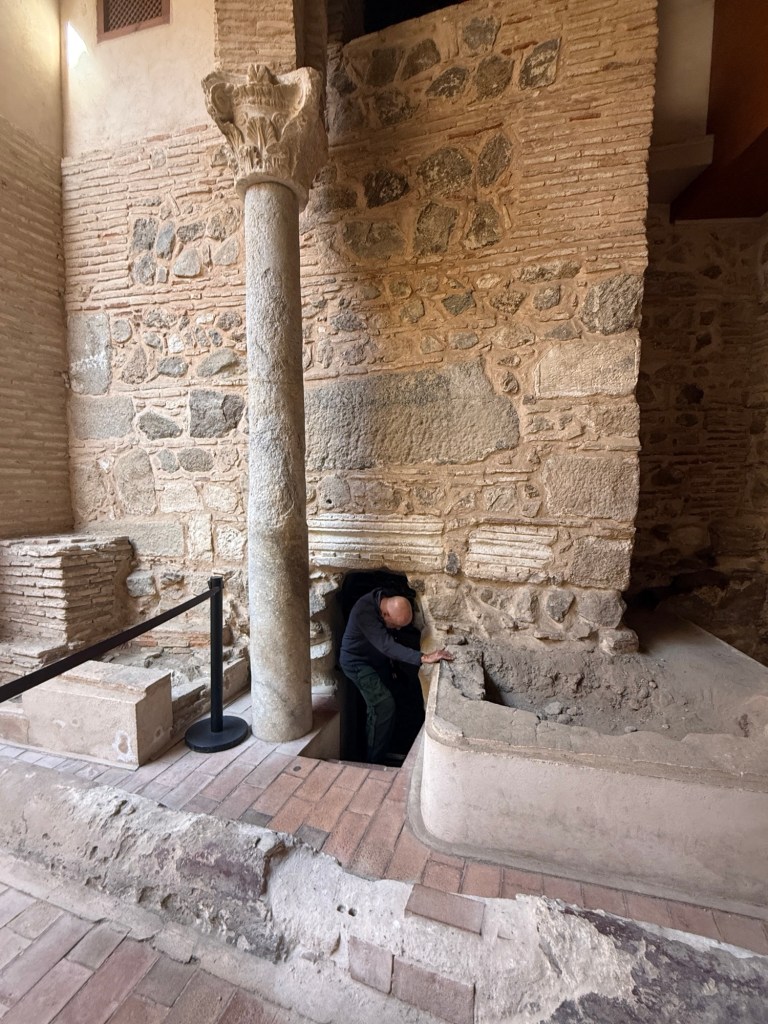
1) The Church of the Savior (La Iglesia de El Salvador): Originally a mosque dating from the 9th century, the building became a Christian church in 1159. This medieval church features Visigoth carvings & other archeological remains.
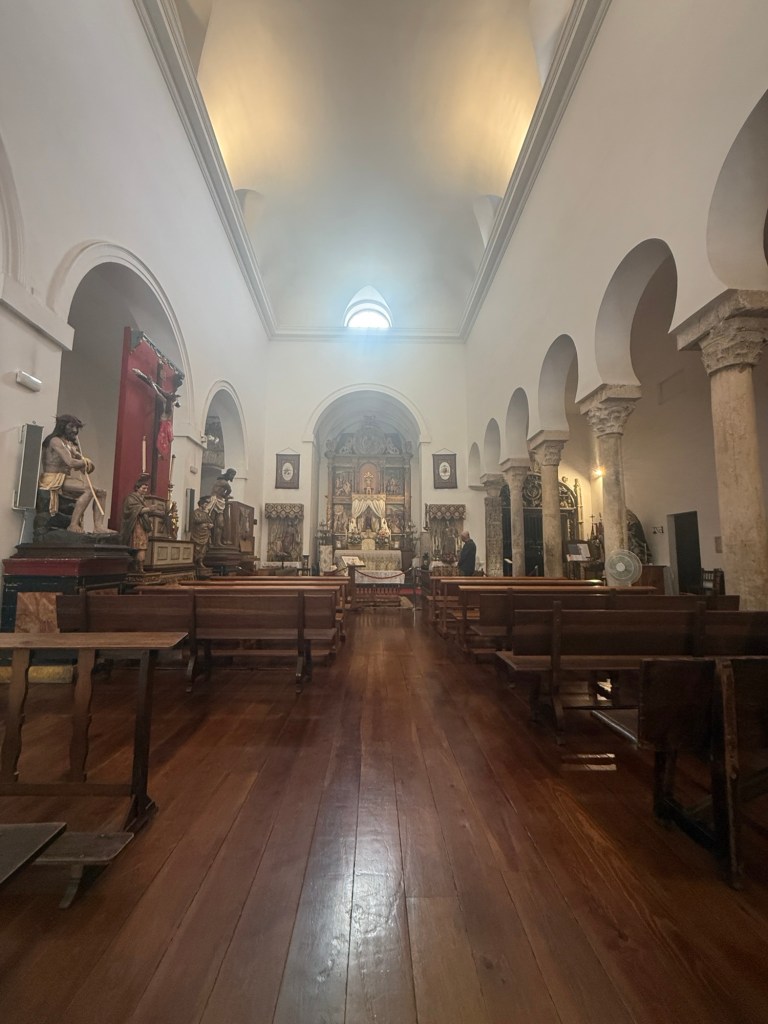
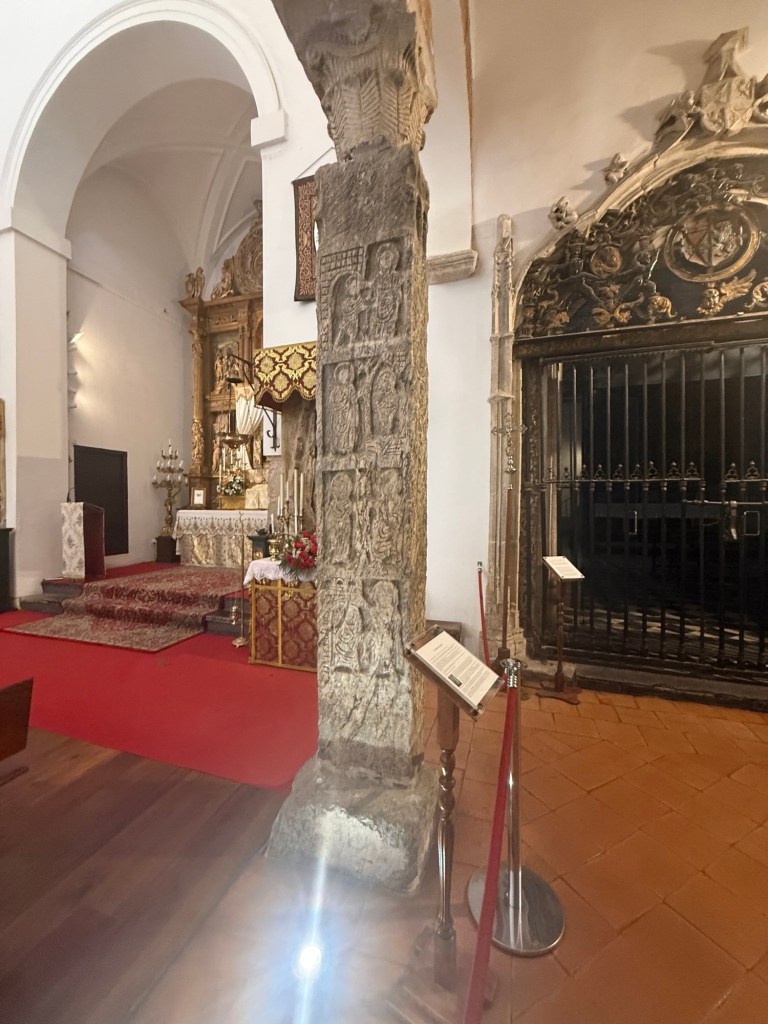
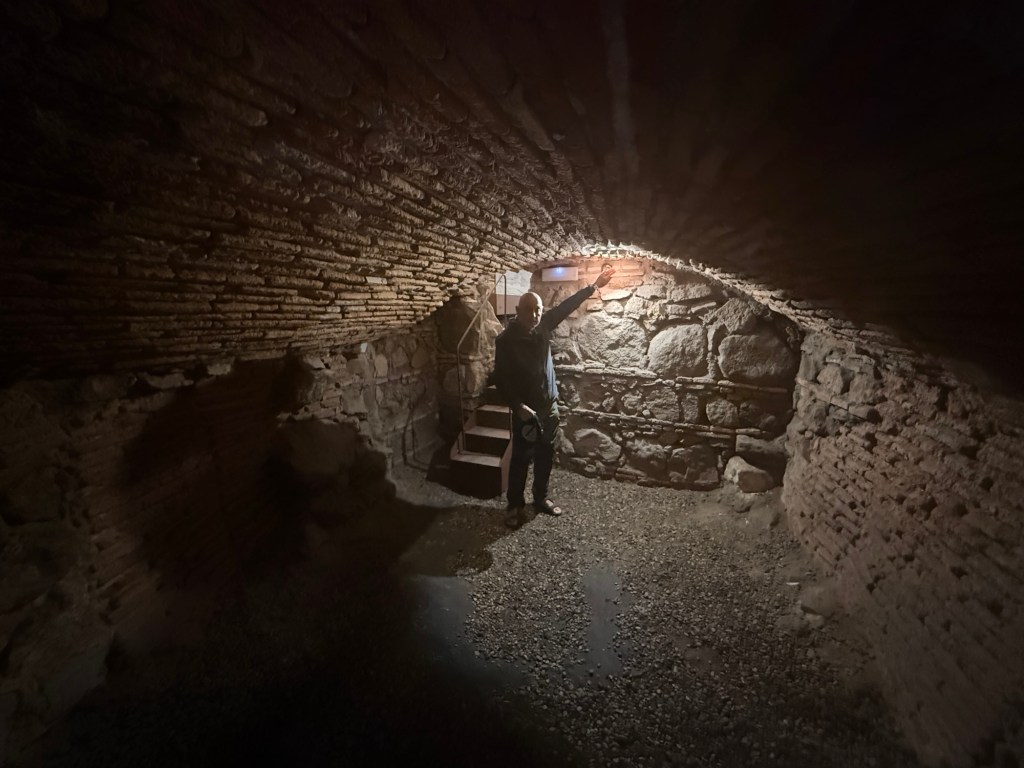
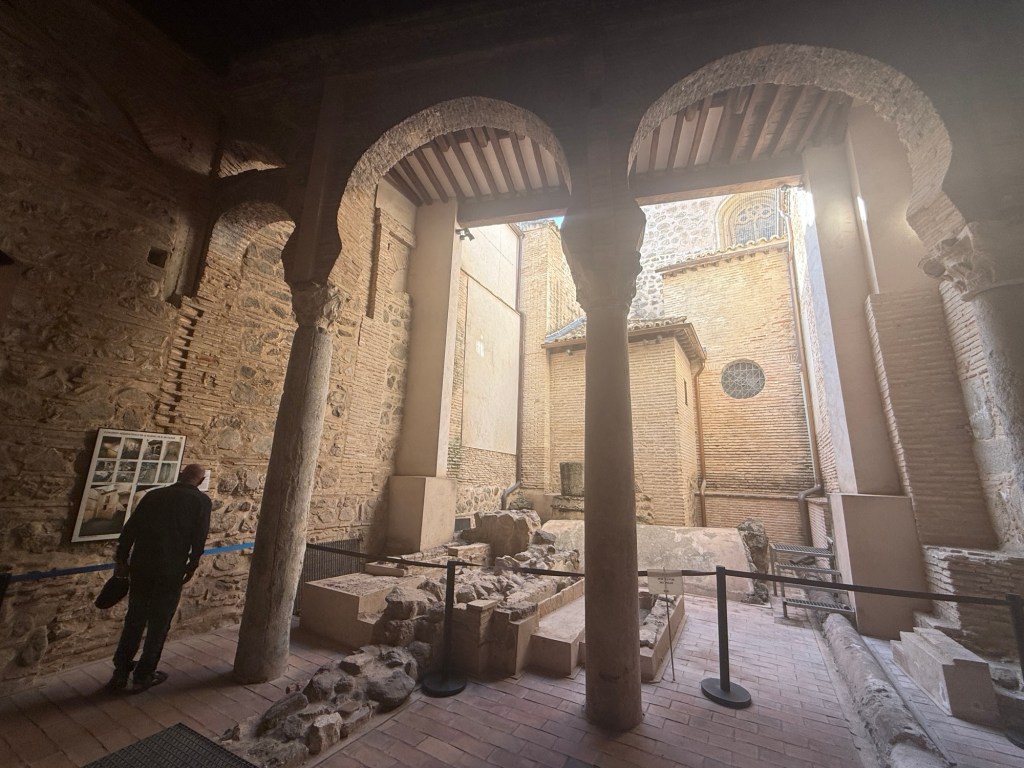
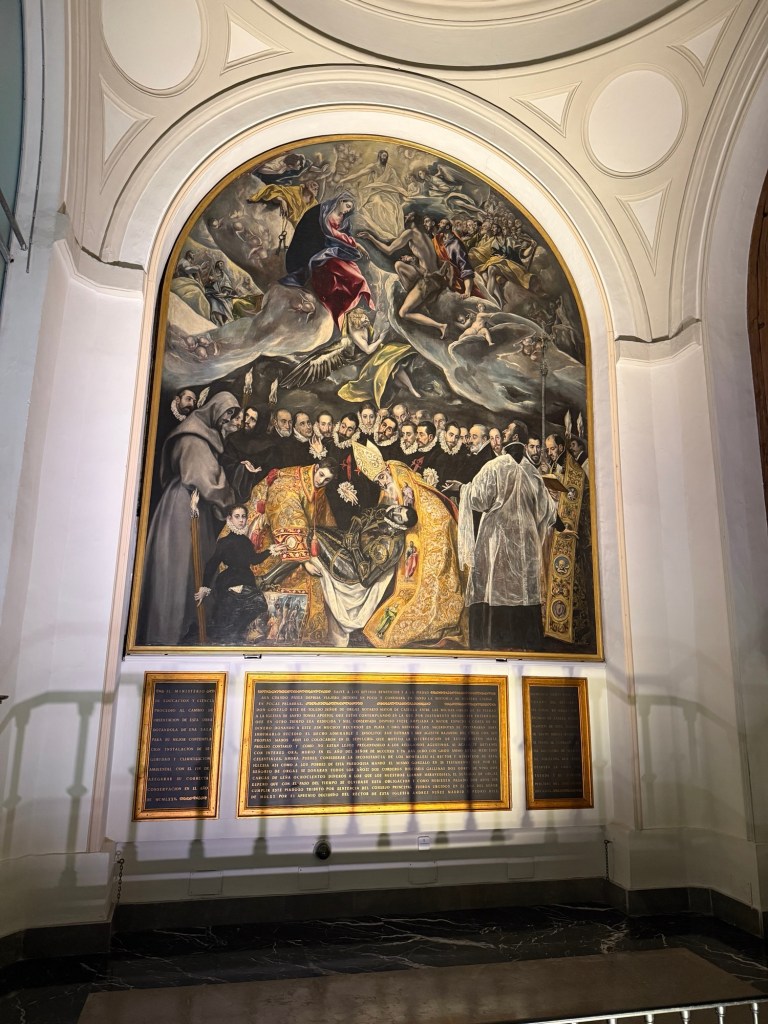
2) El Greco’s The Burial of Count of Orgaz in the Church of Santo Tomé (La Iglesia de Santo Tomé)
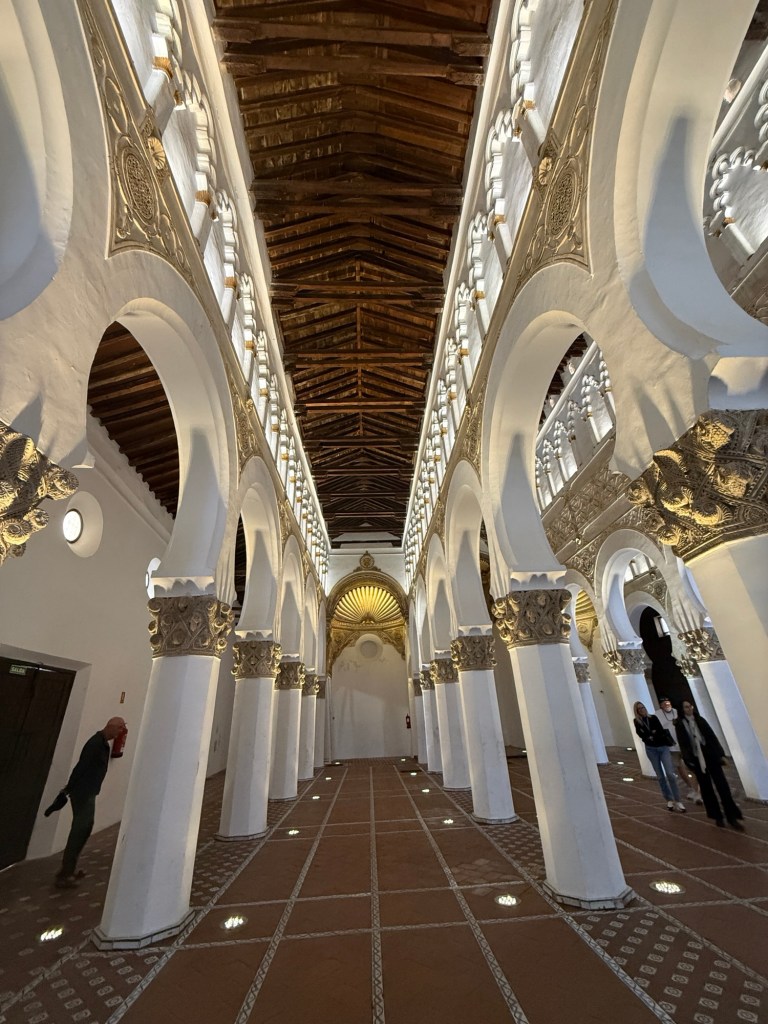
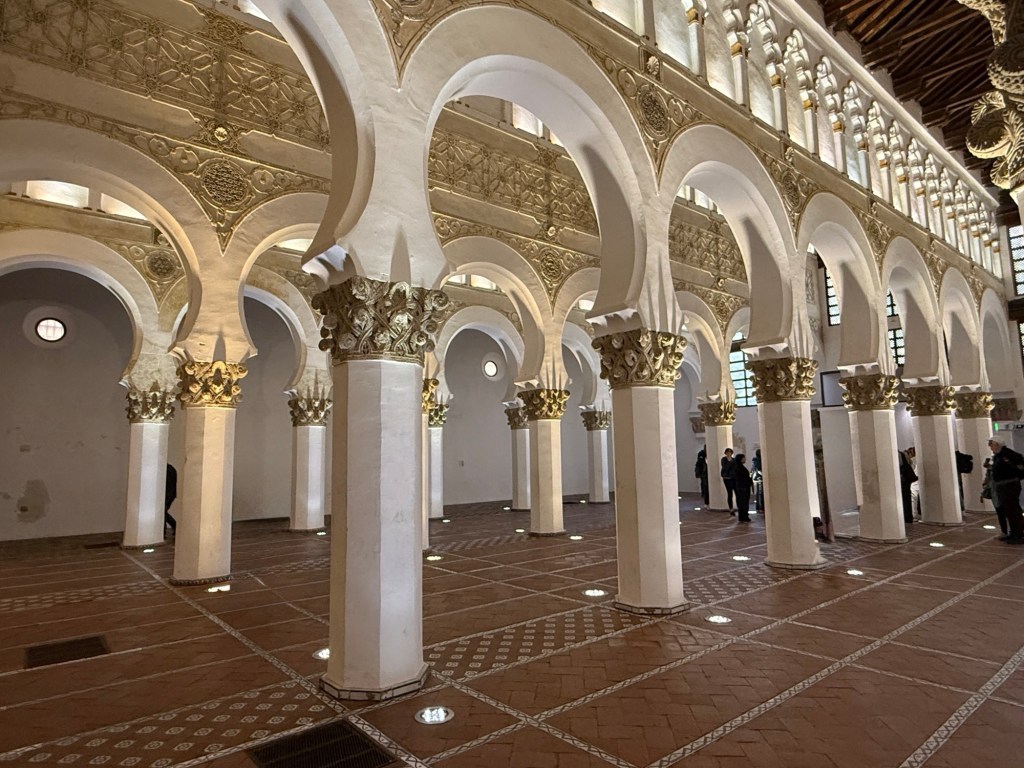
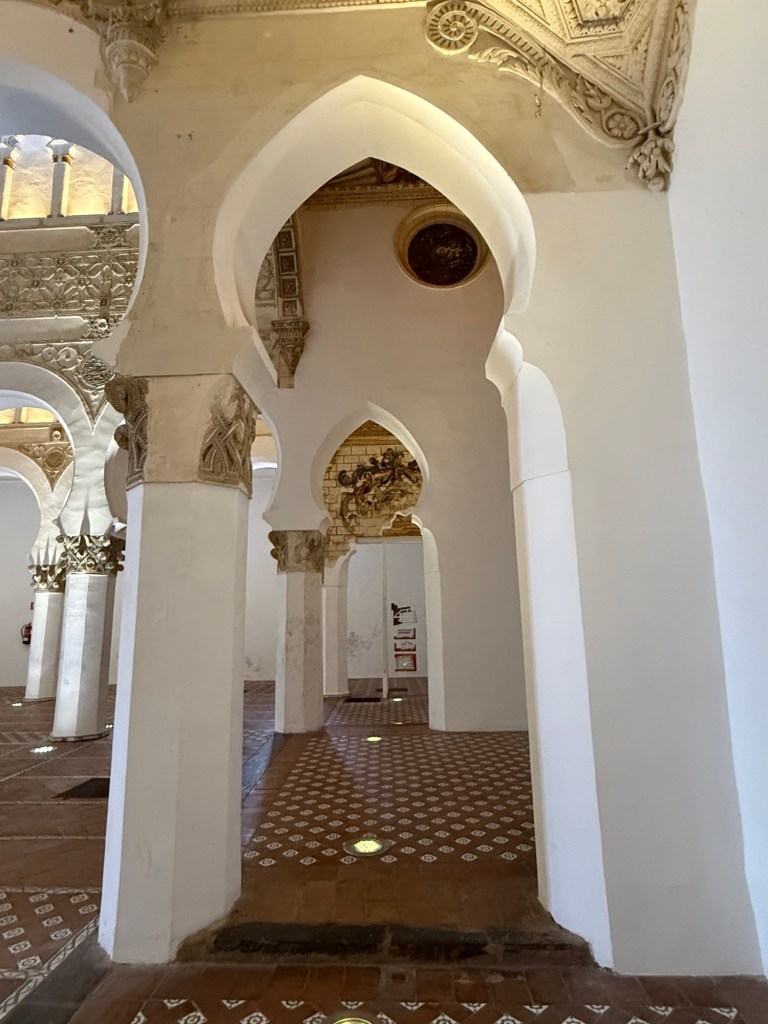
3) The synagogue of Santa María la Blanca (Sinagoga de Santa María La Blanca): Recent archaeological research has confirmed the building’s own story that this was the main synagogue in Toledo’s Jewish quarter, dating from the late 12th century. It stopped being used as a synagogue in the 15th century, just a few decades prior to the expulsion of the Jews from Spain, and was converted into the church of Santa María la Blanca.
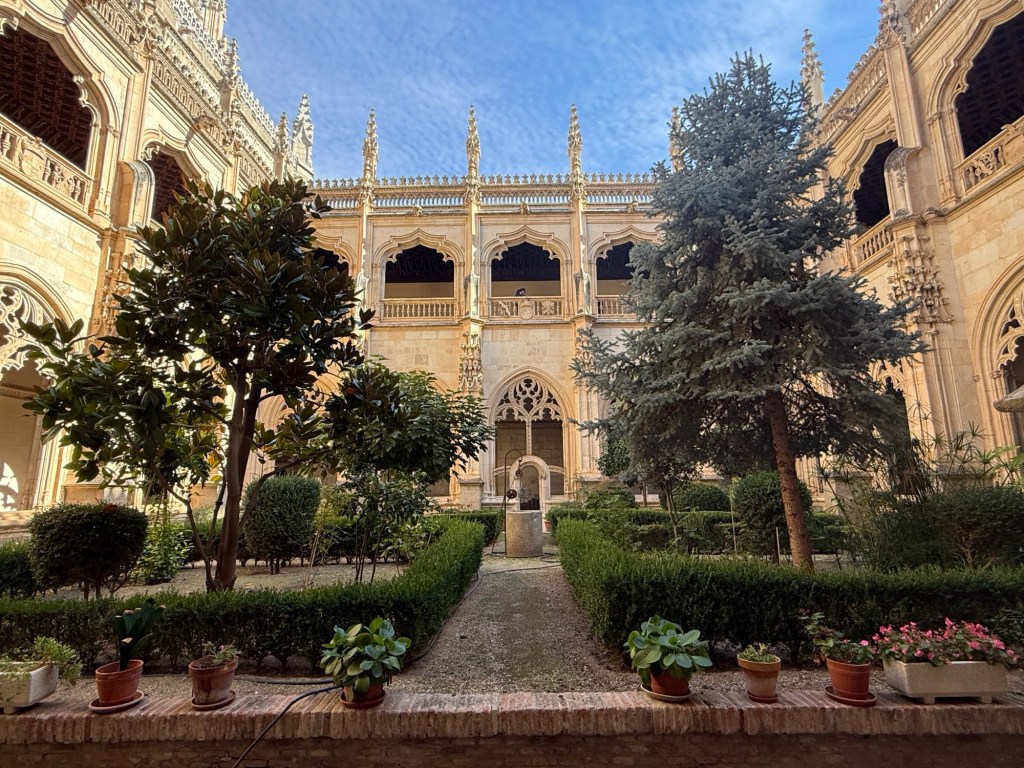
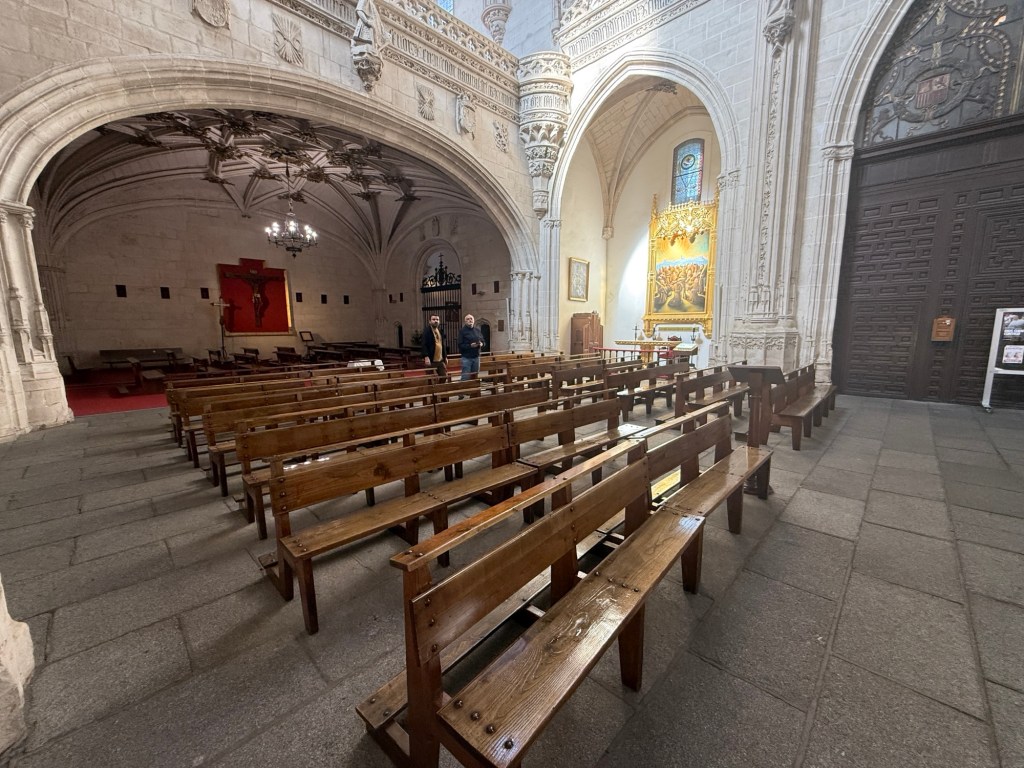
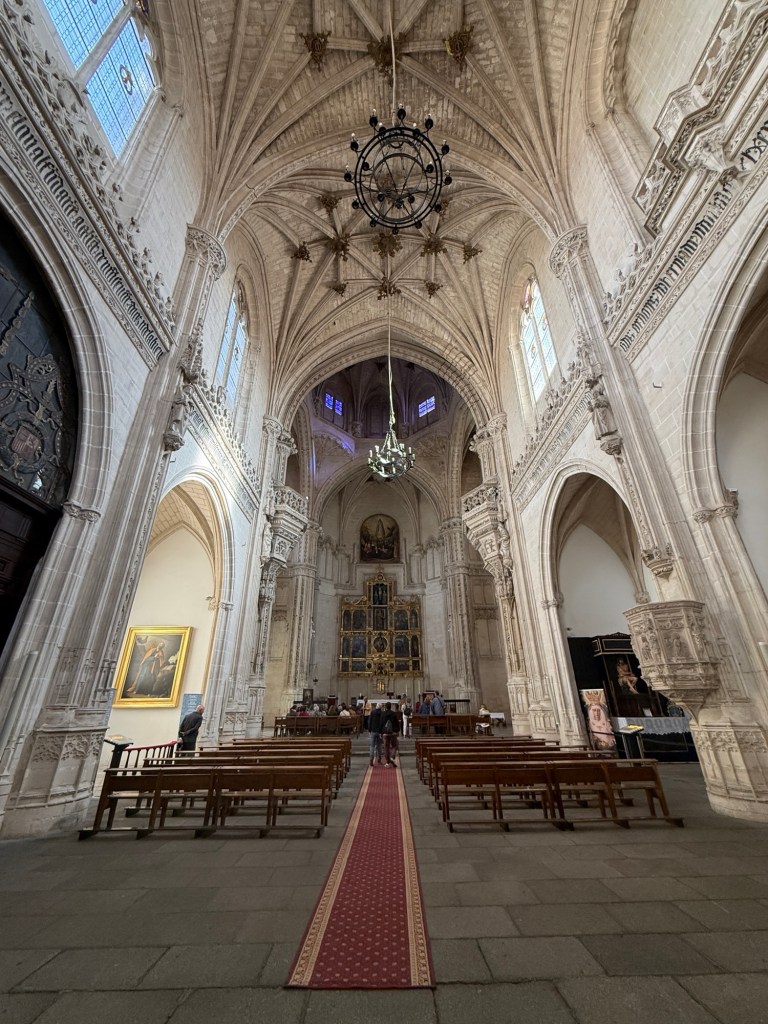
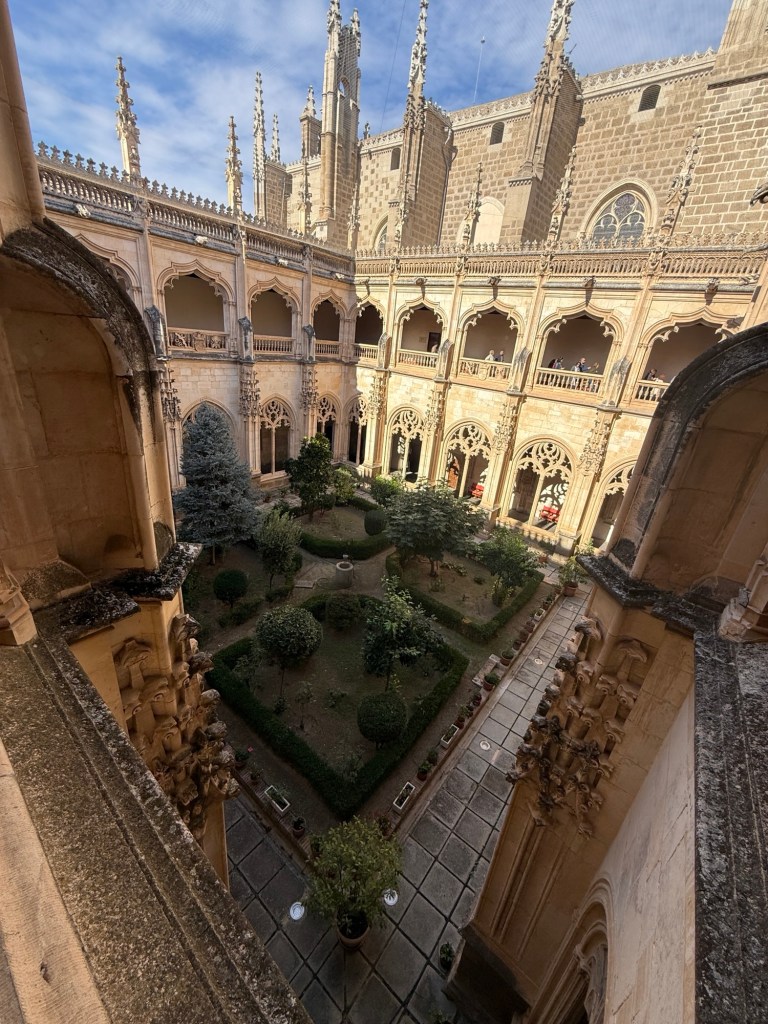
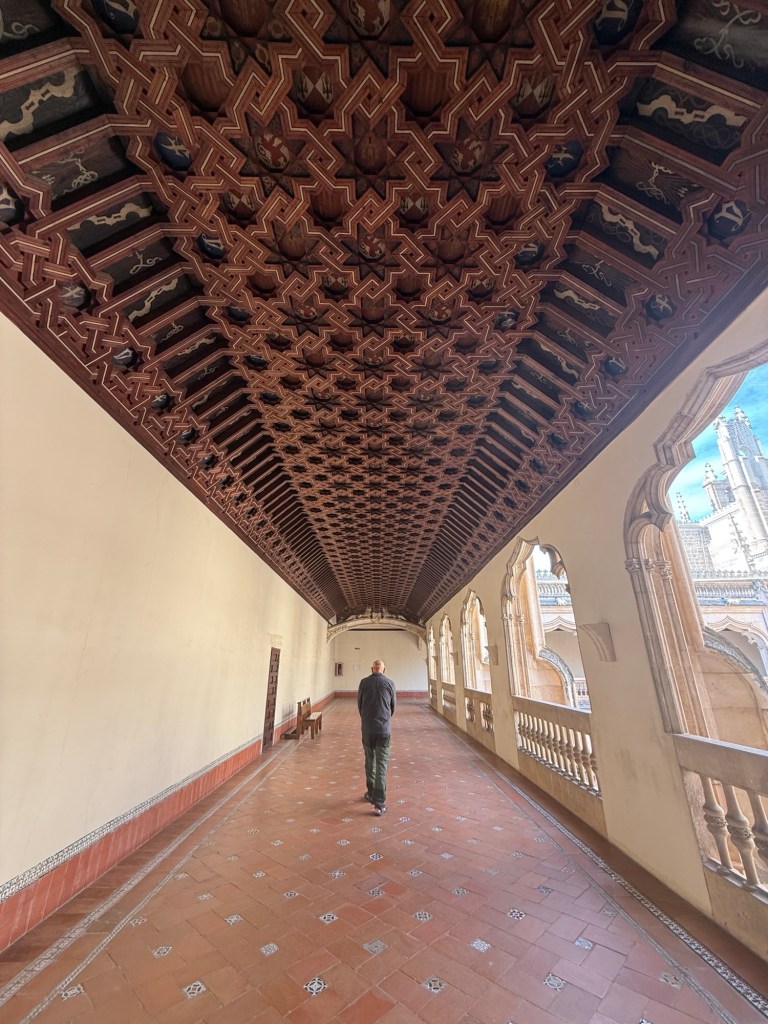
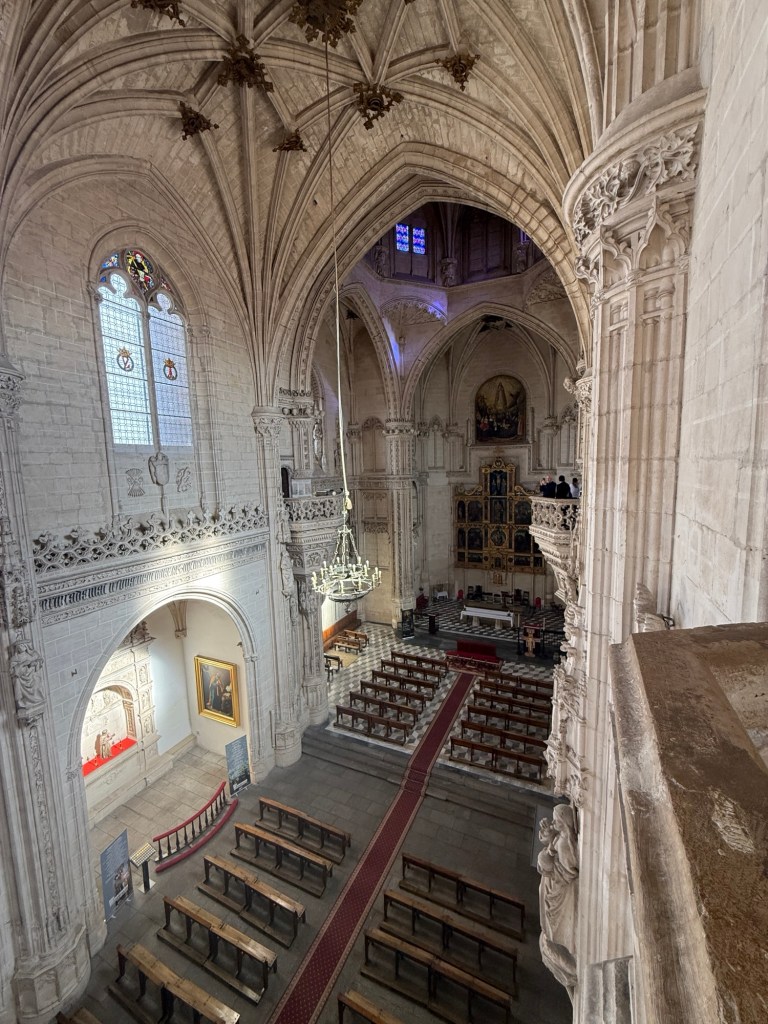
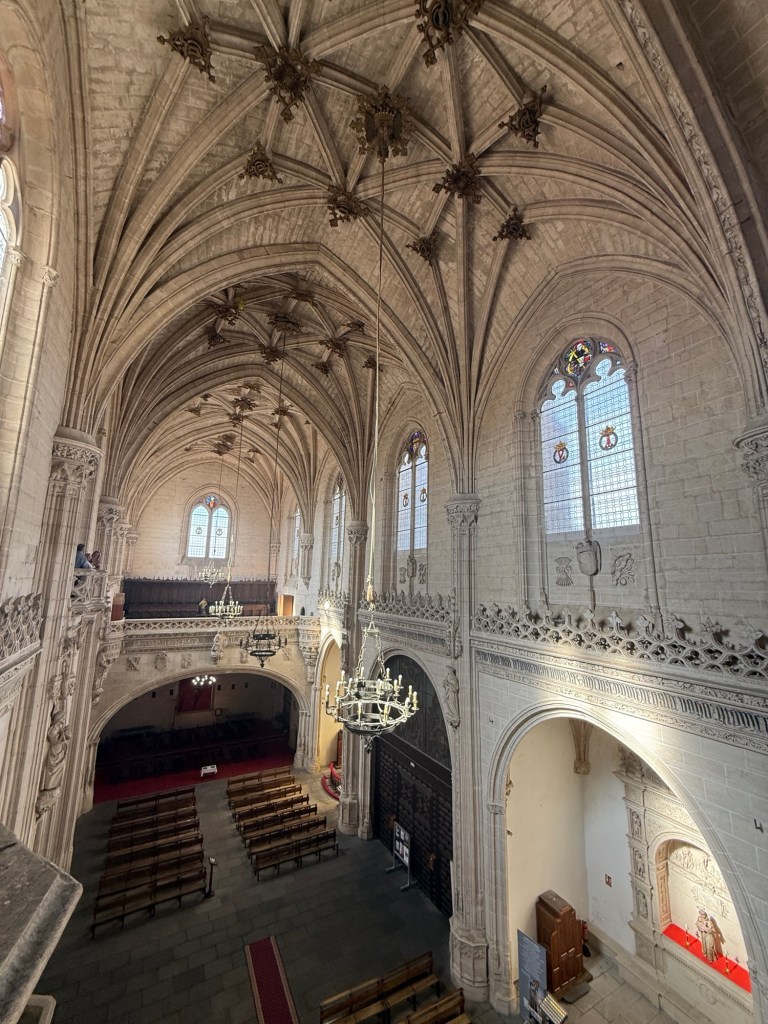
4) The San Juan de los Reyes Monastery (El Monasterio de San Juan de los Reyes): Spain’s Catholic Monarchs ordered the building of this monastery in thanks for their victory in the battle of Toro. The monastery is dedicated to Saint John the Evangelist, the object of Queen Isabel’s personal devotion.
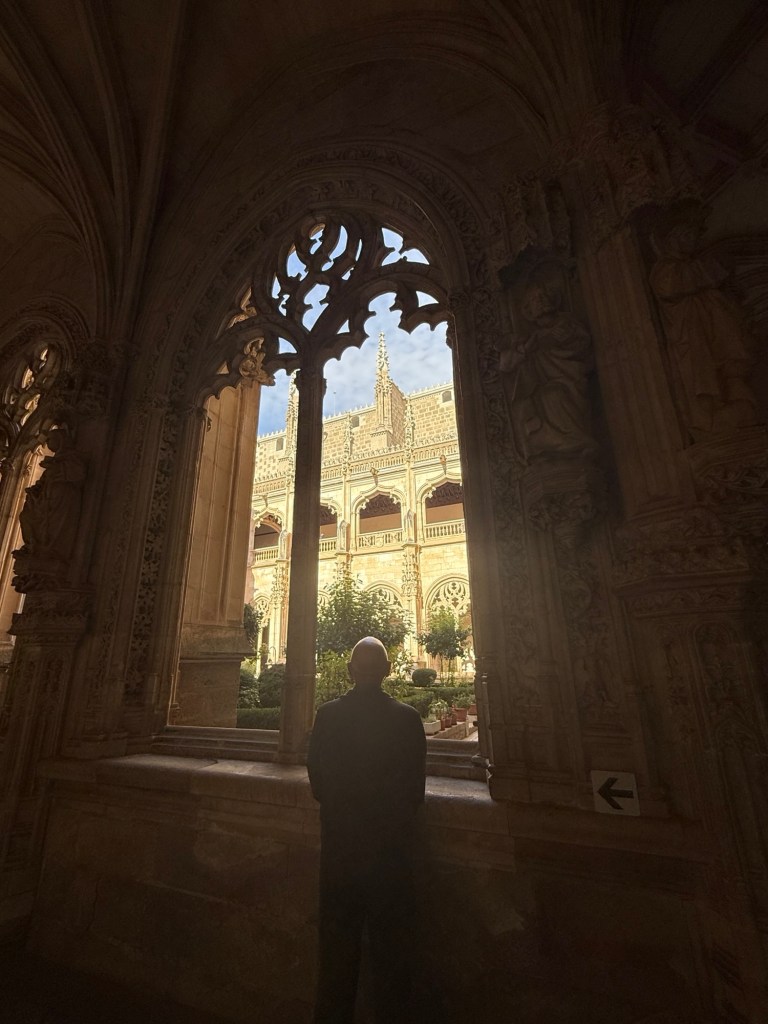
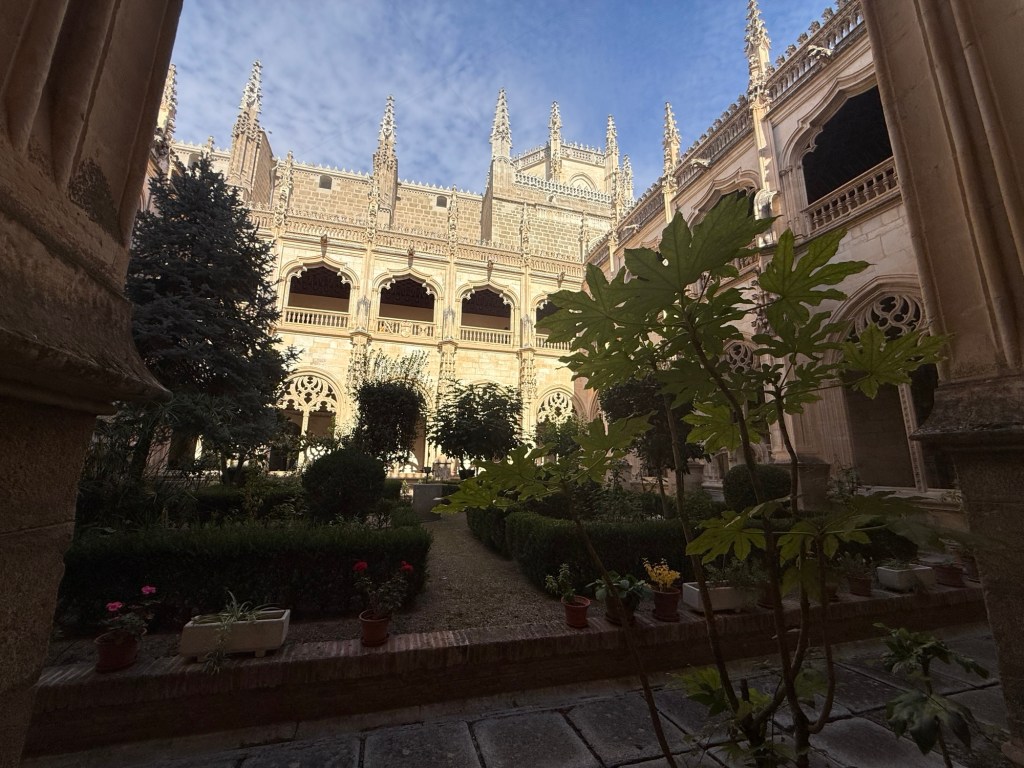
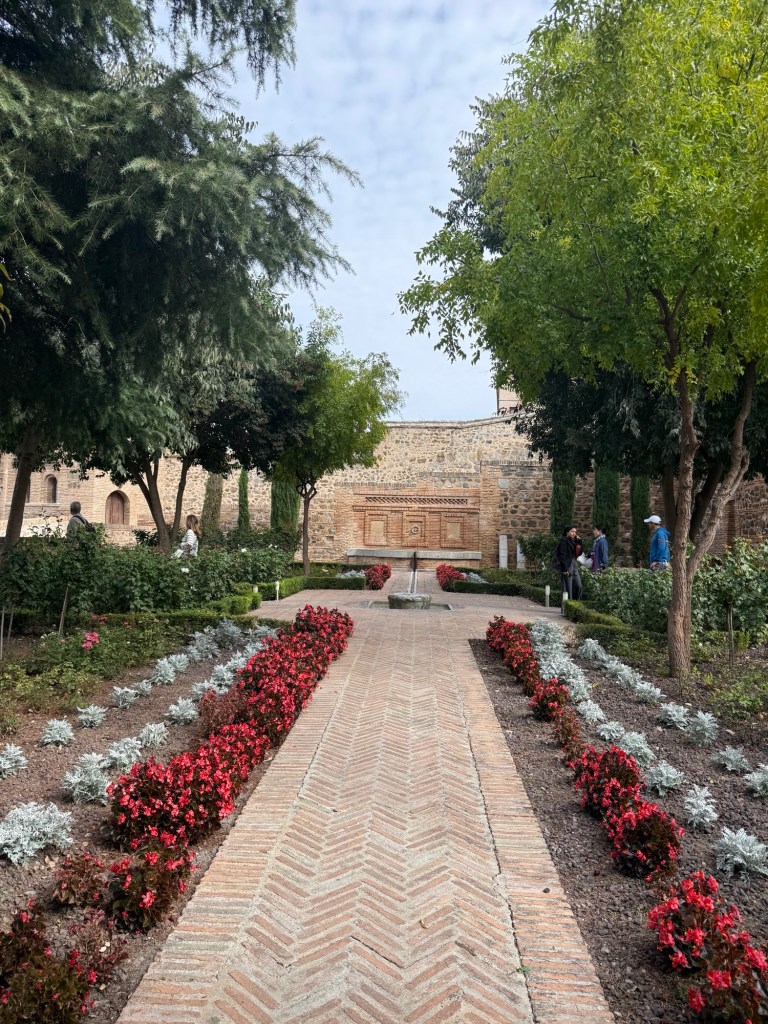
beautiful gardens.
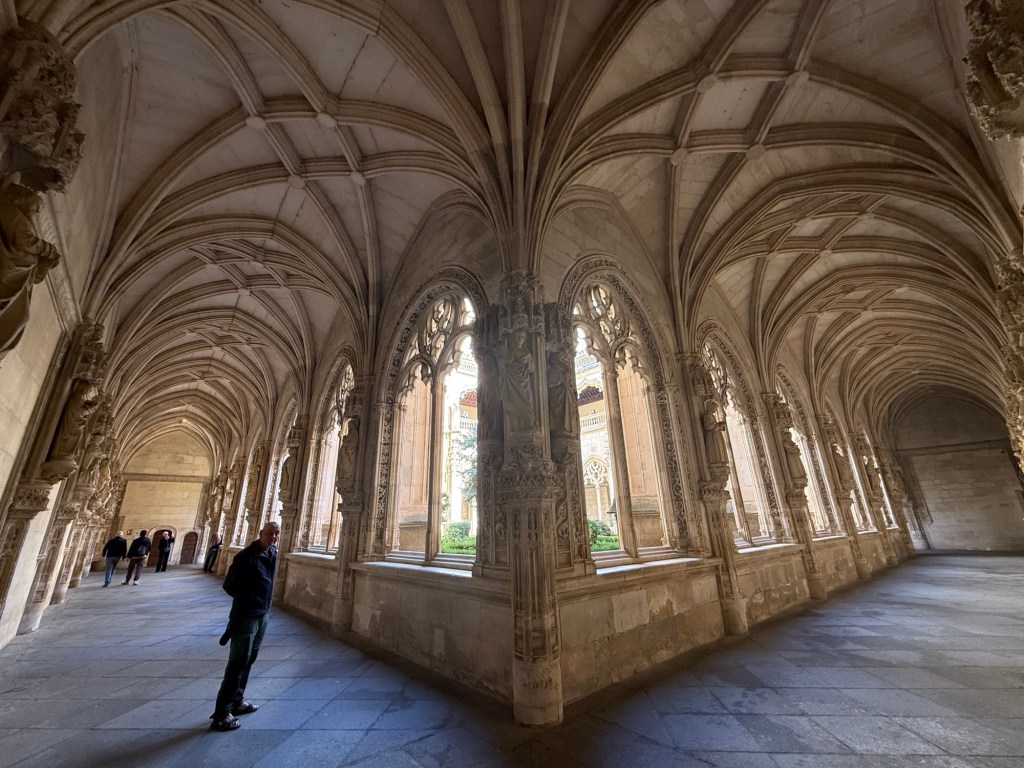
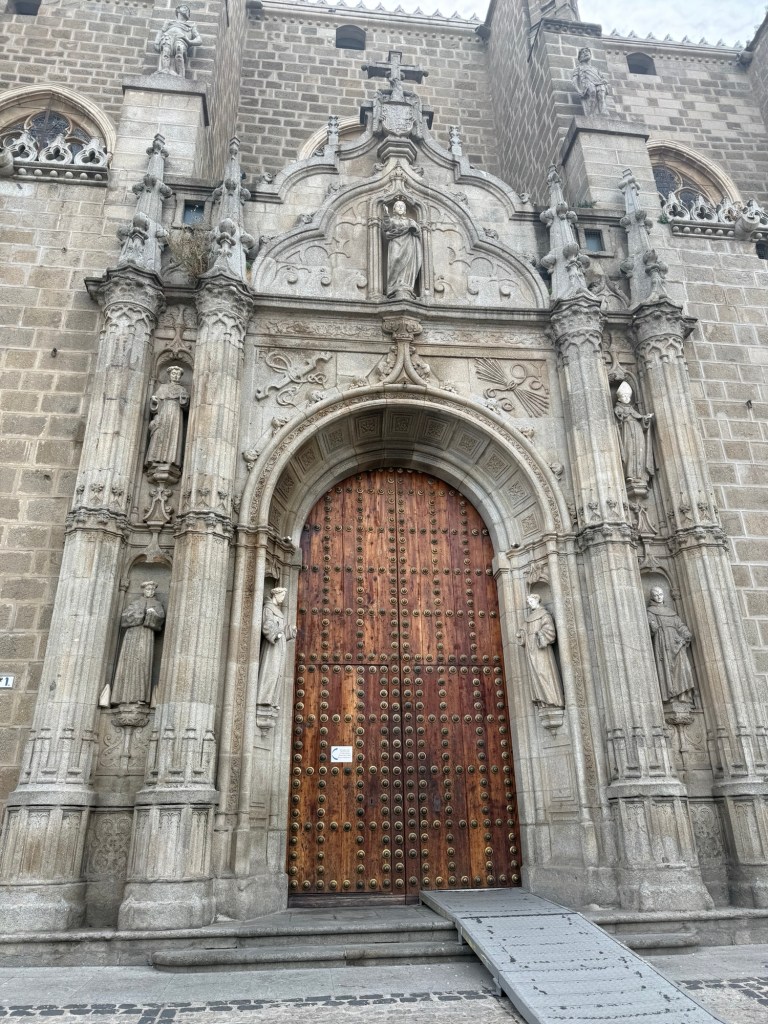
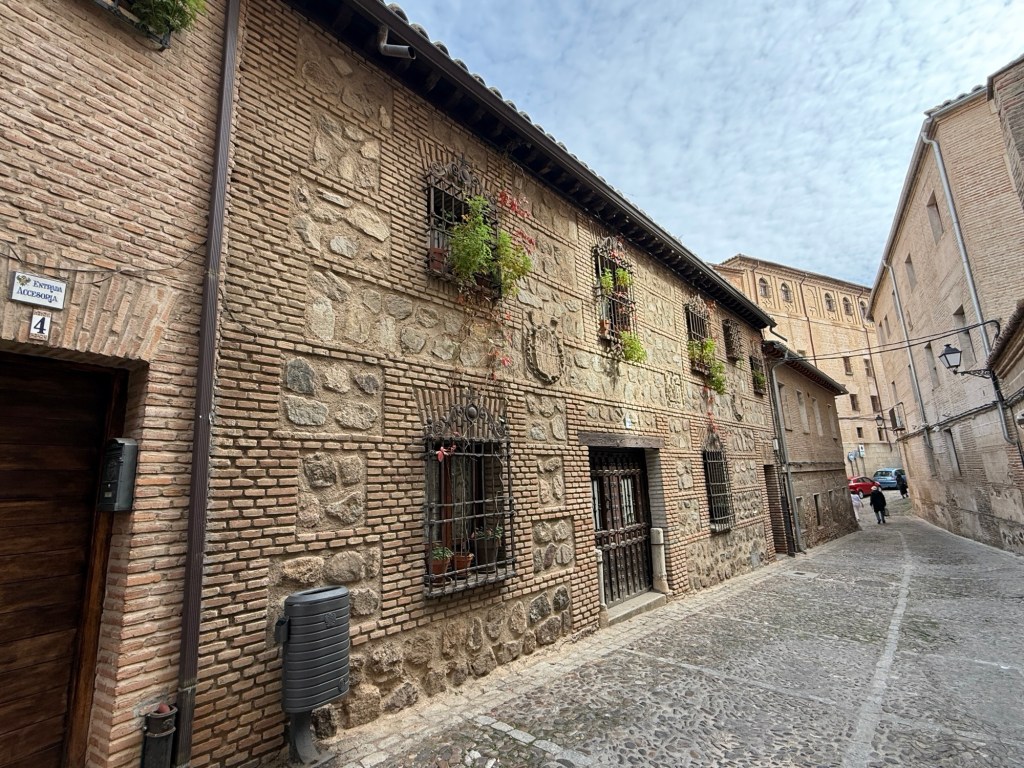
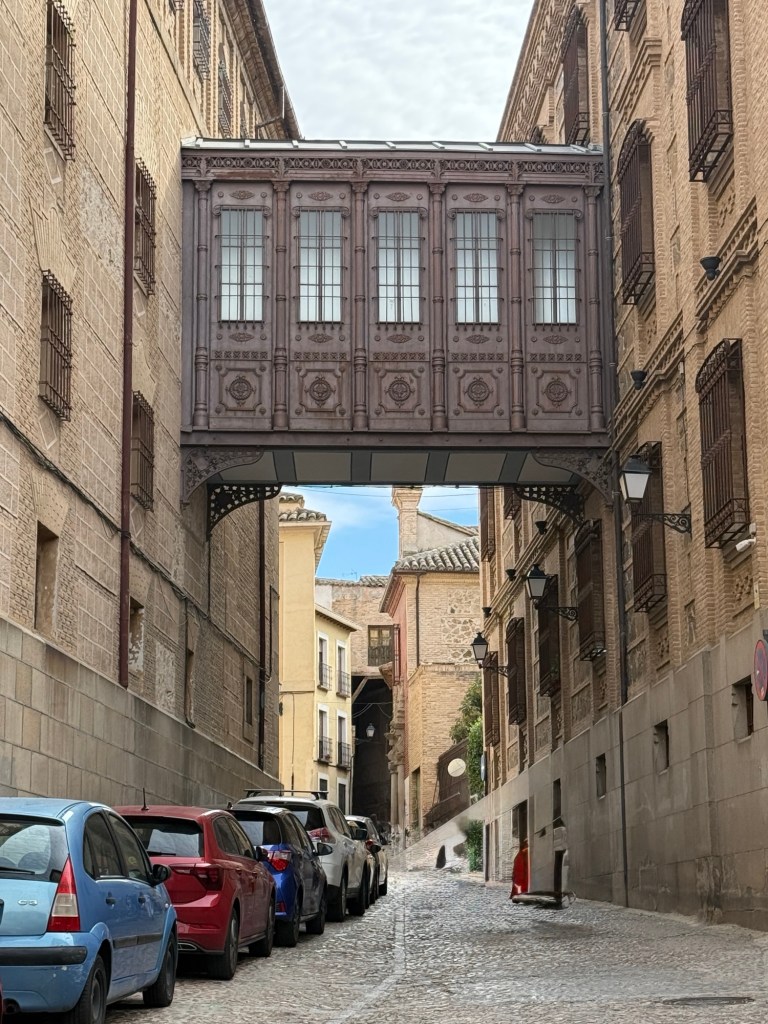
5) Royal College of Noble Maidens (Real Colegio de Doncellas Nobles): The institution was founded by the Archbishop of Toledo and Cardinal Juan Martínez Siliceo in 1551.
It was an educational institution that sought christian and academic training, as well as the integral promotion of women. The schoolgirls belonged to humble families and some of the nobility. At the moment the King of Spain is co-patron.
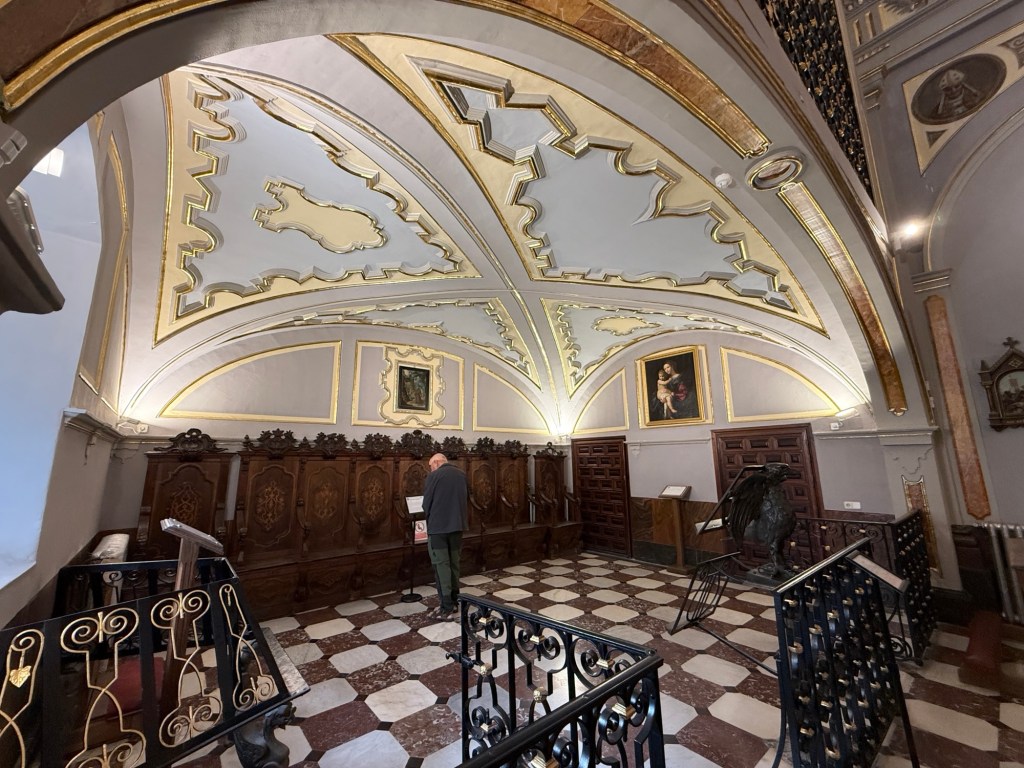
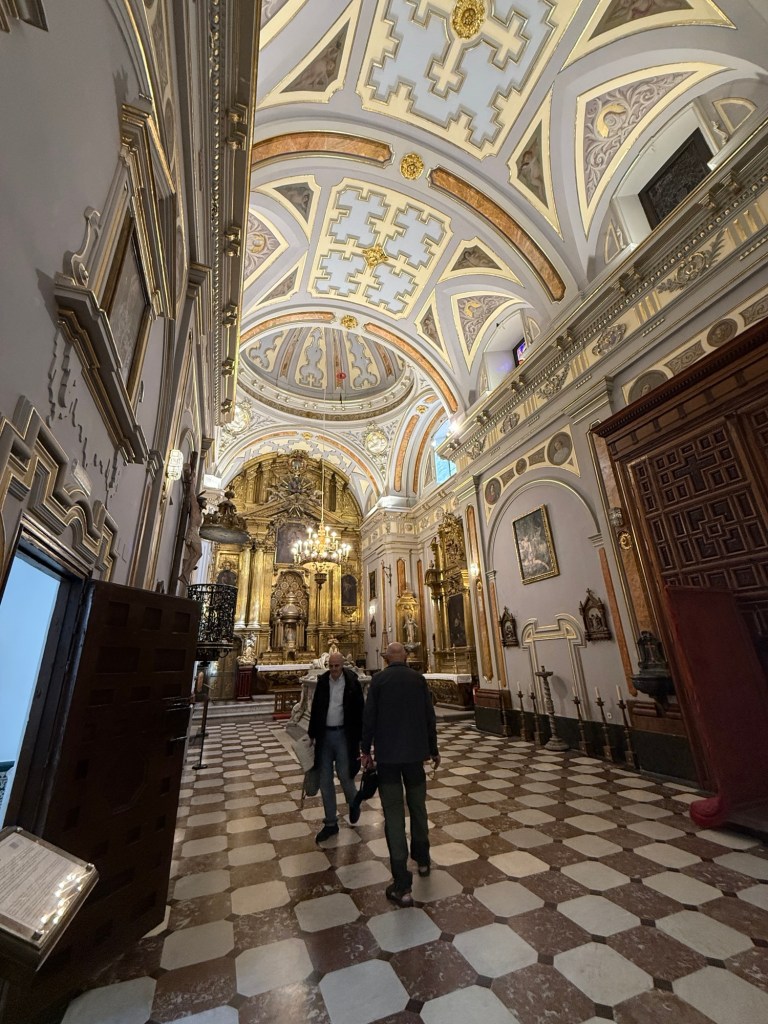
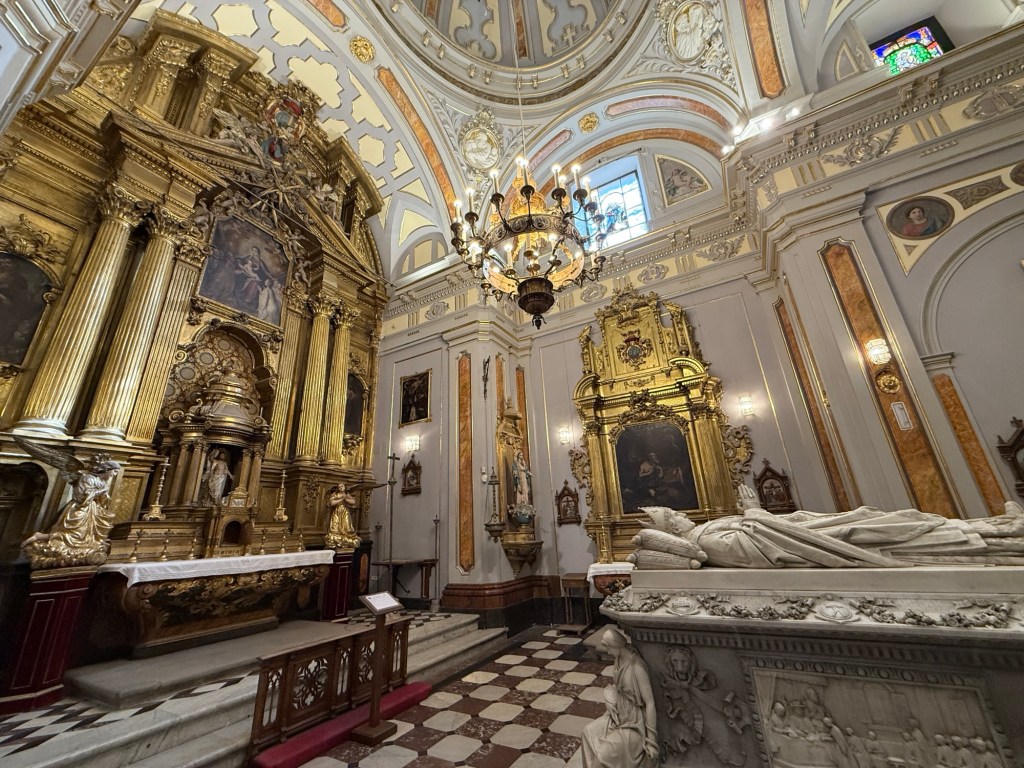
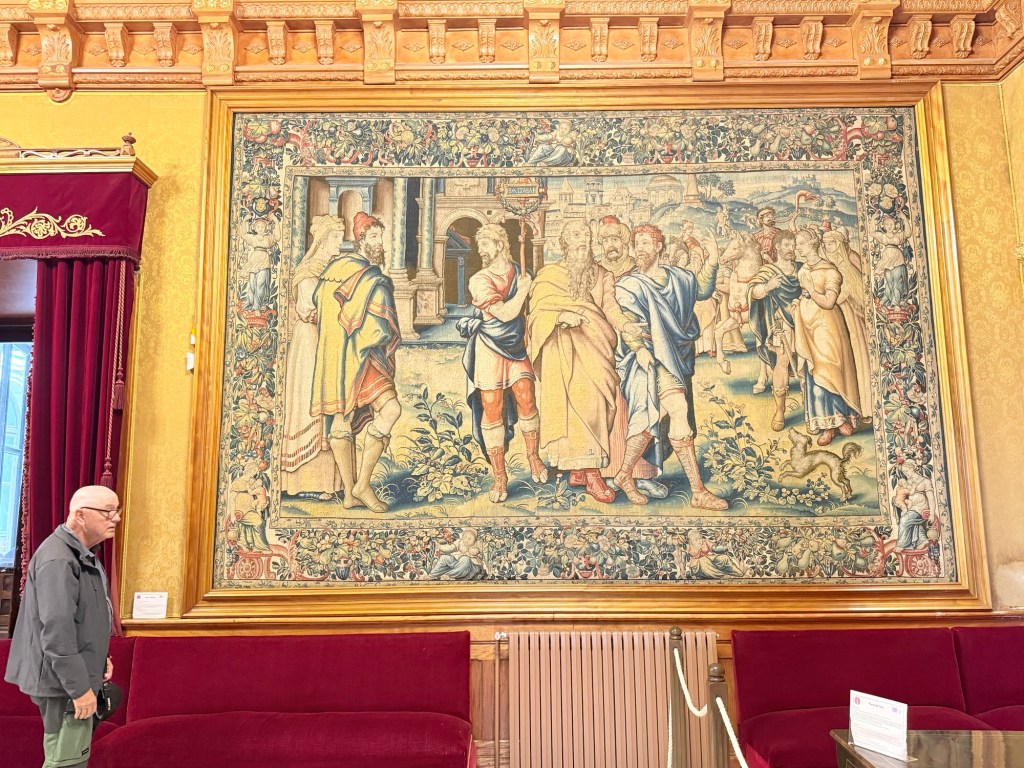
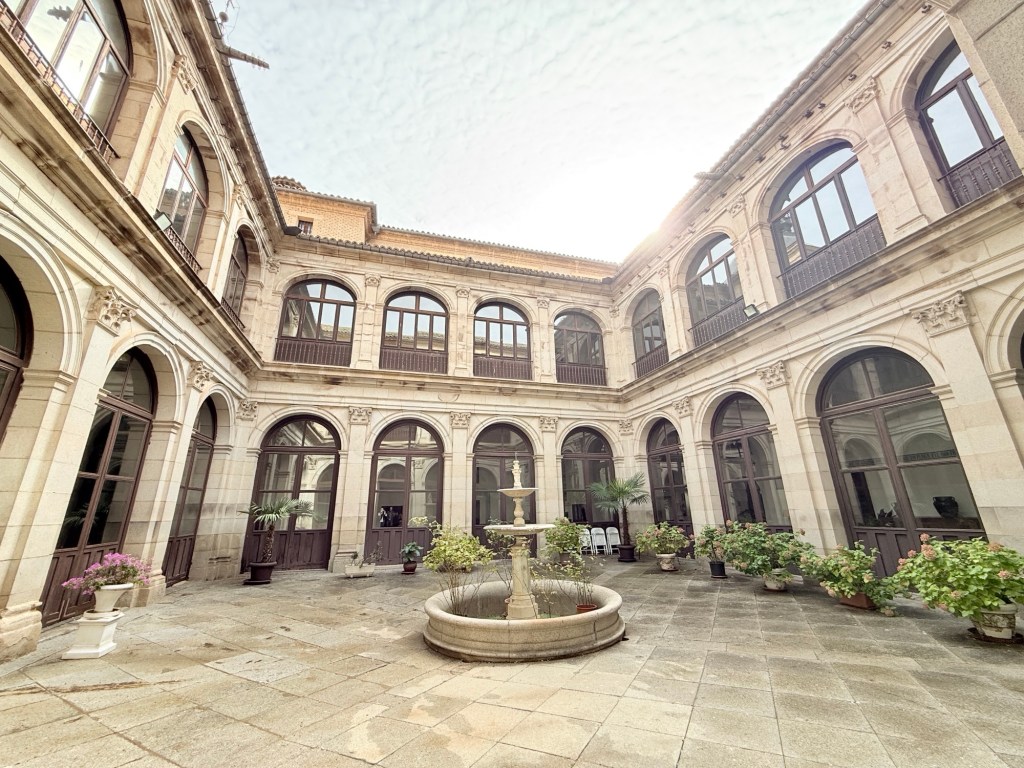
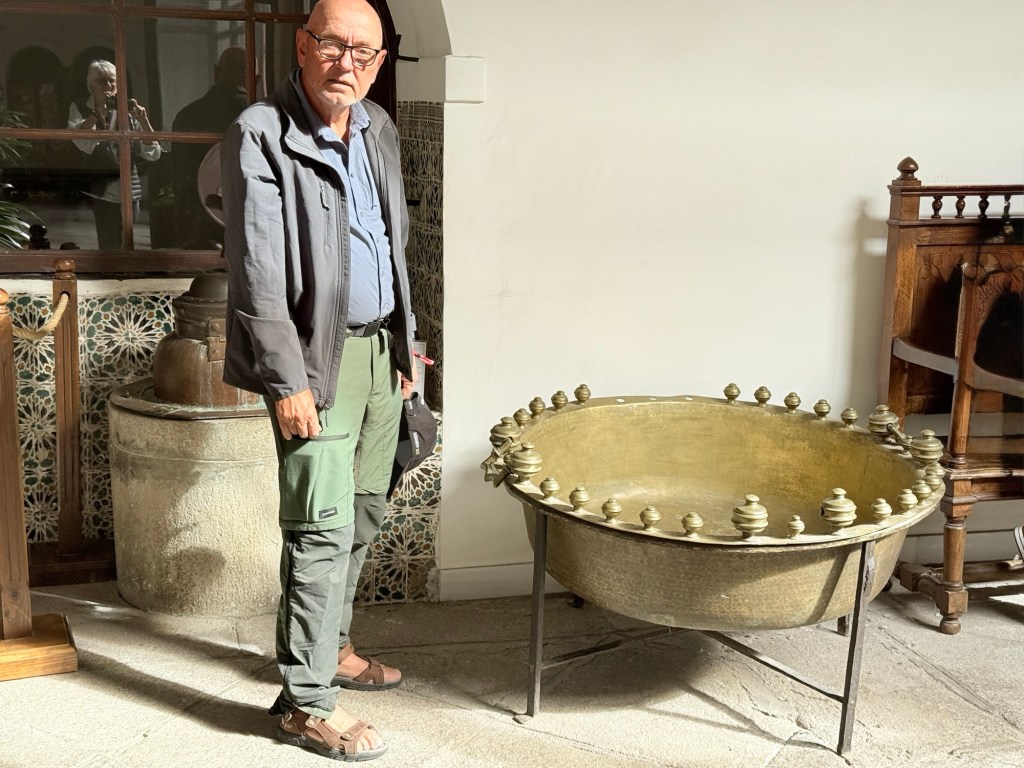
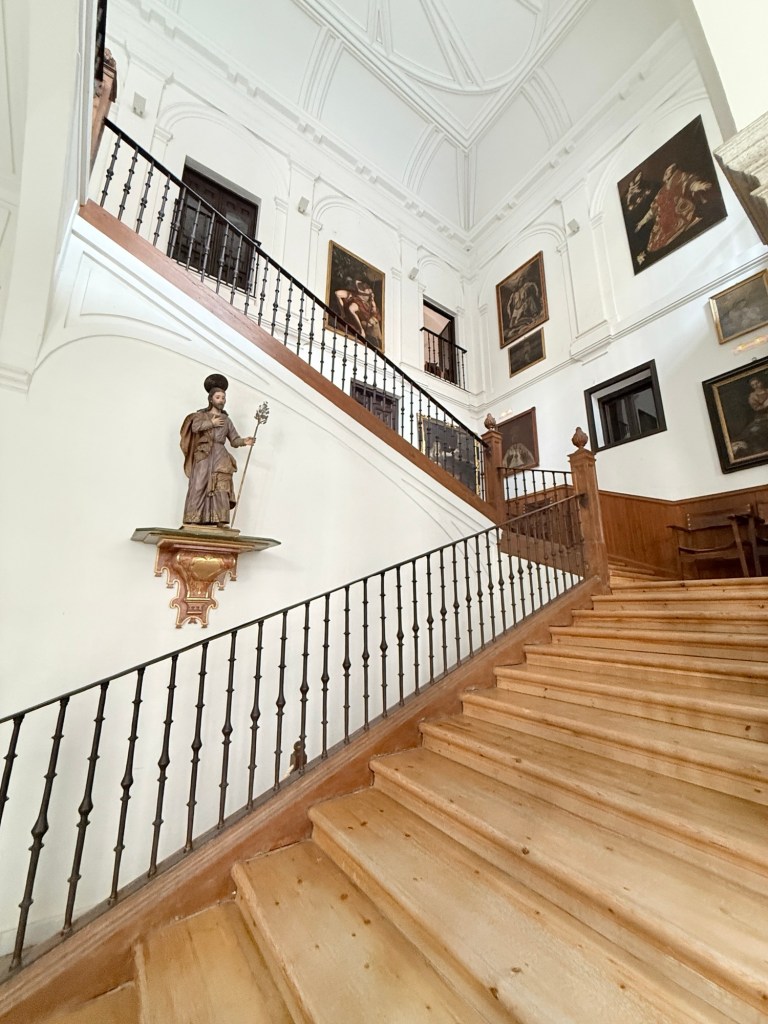
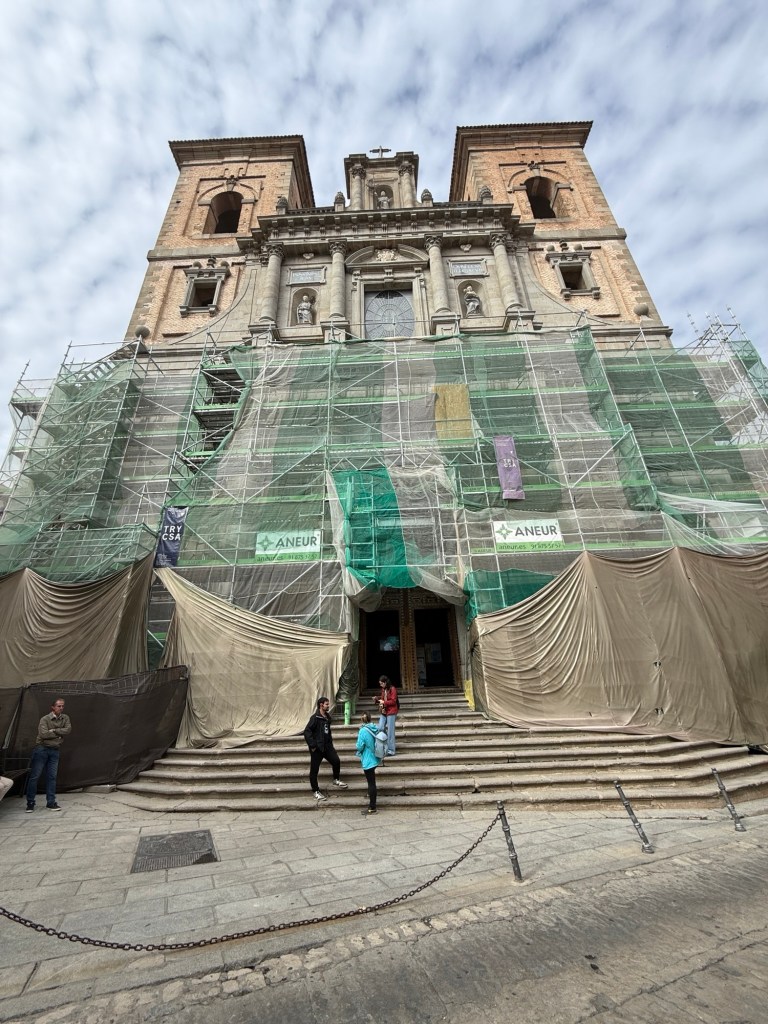
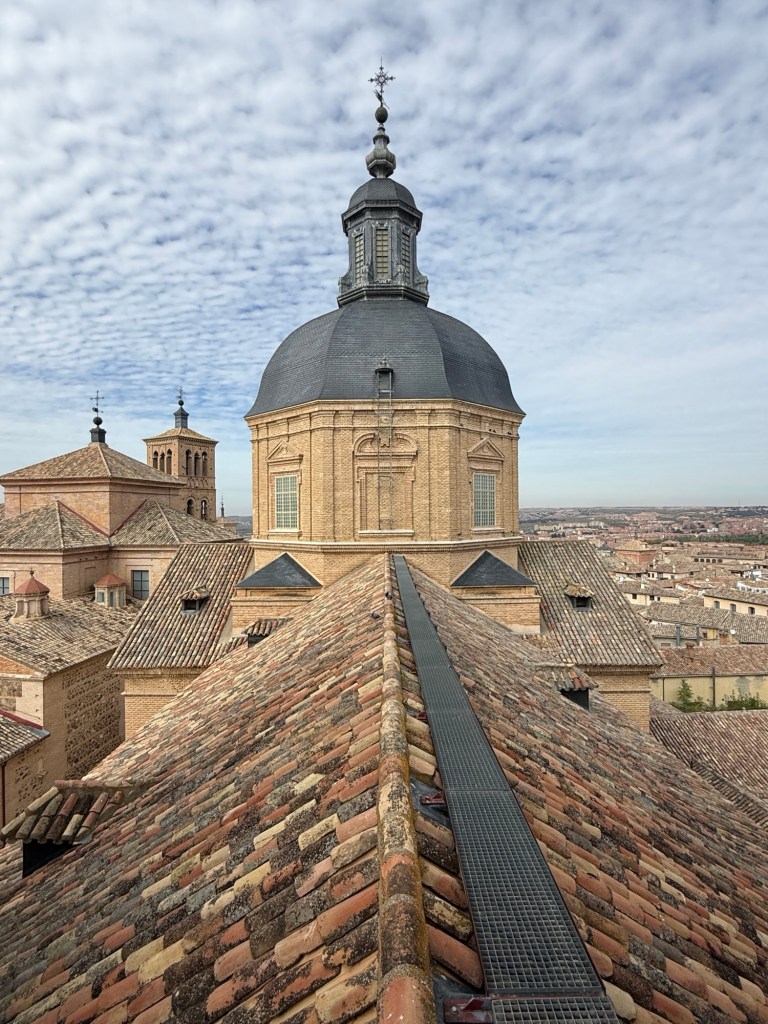
6) The Jesuit Church (La Iglesia de los Jesuita): The Society of Jesus Jesuits) began the construction of this church in 1629 and finished it in 1765 due to conflicts with Church administration.
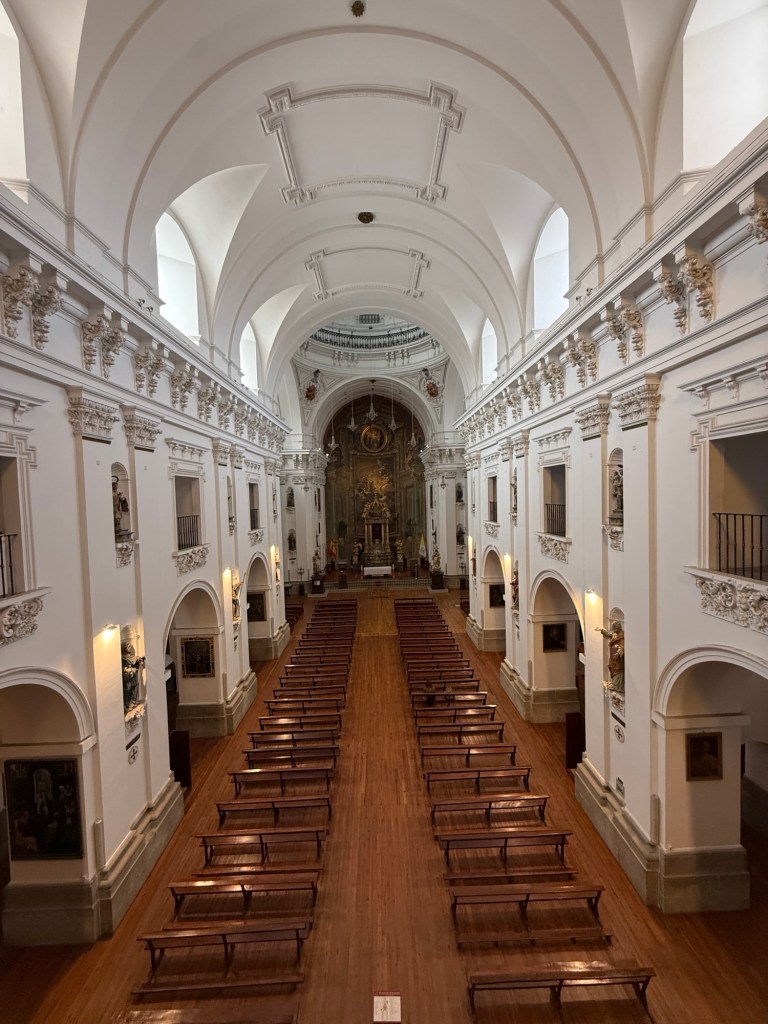
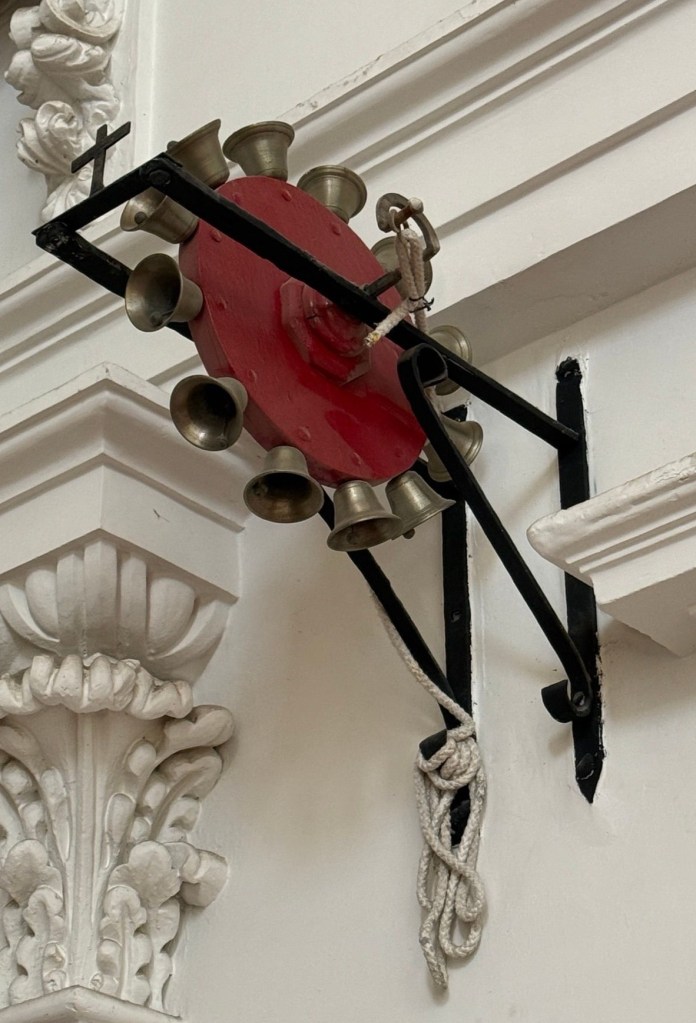
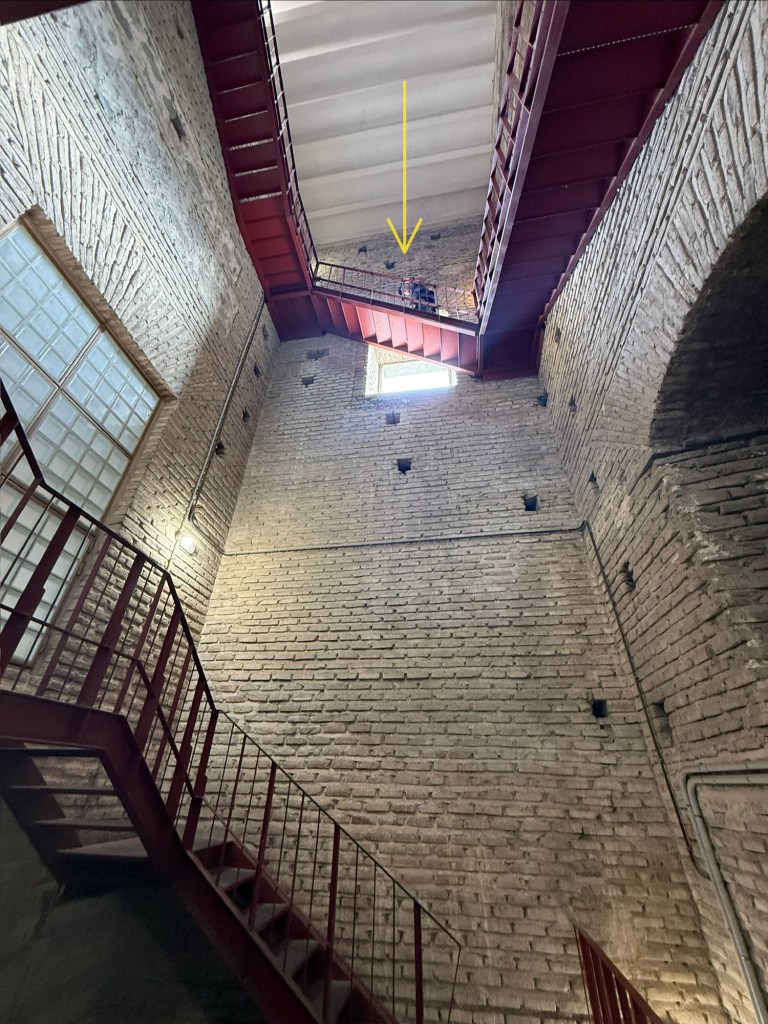
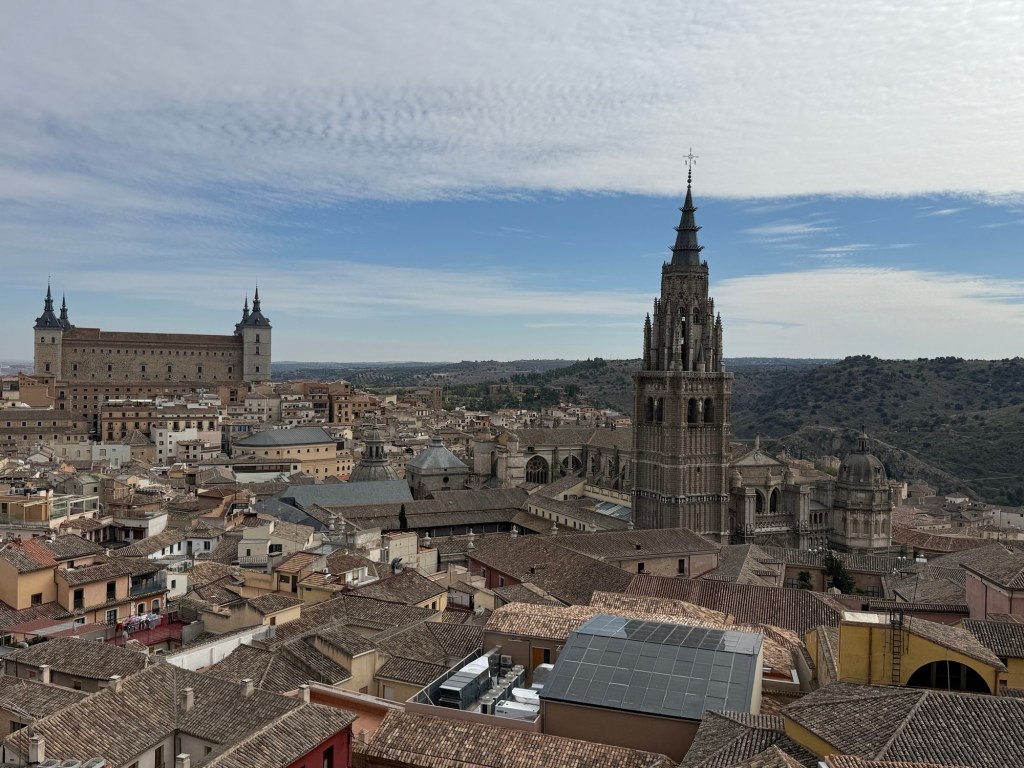
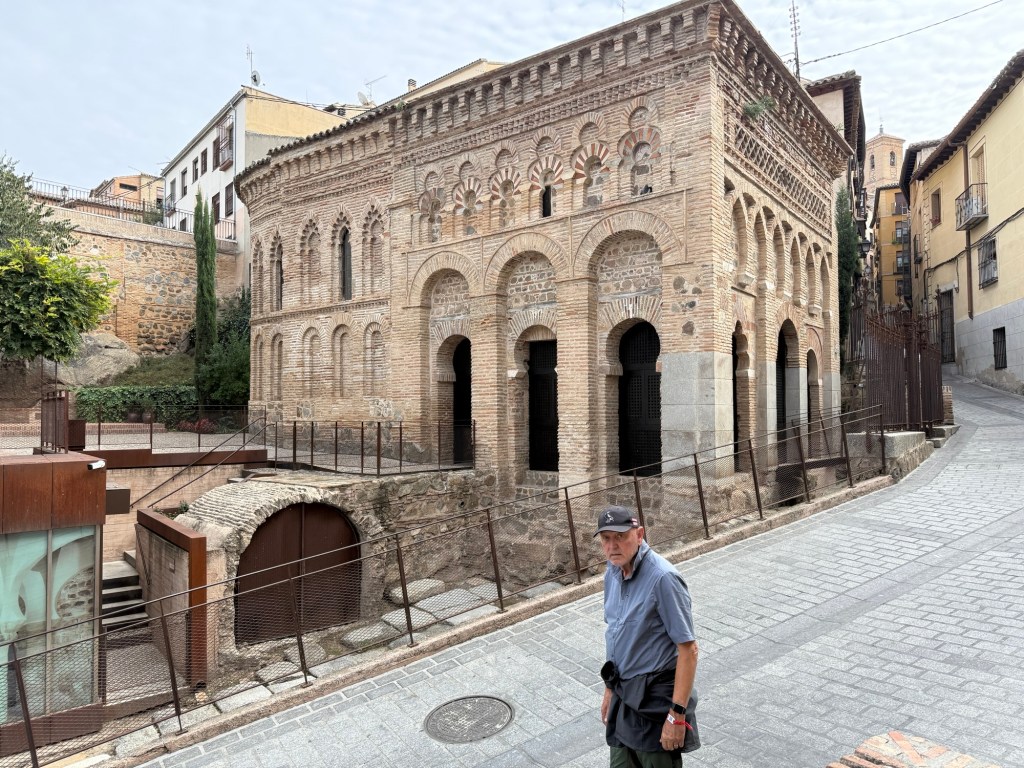
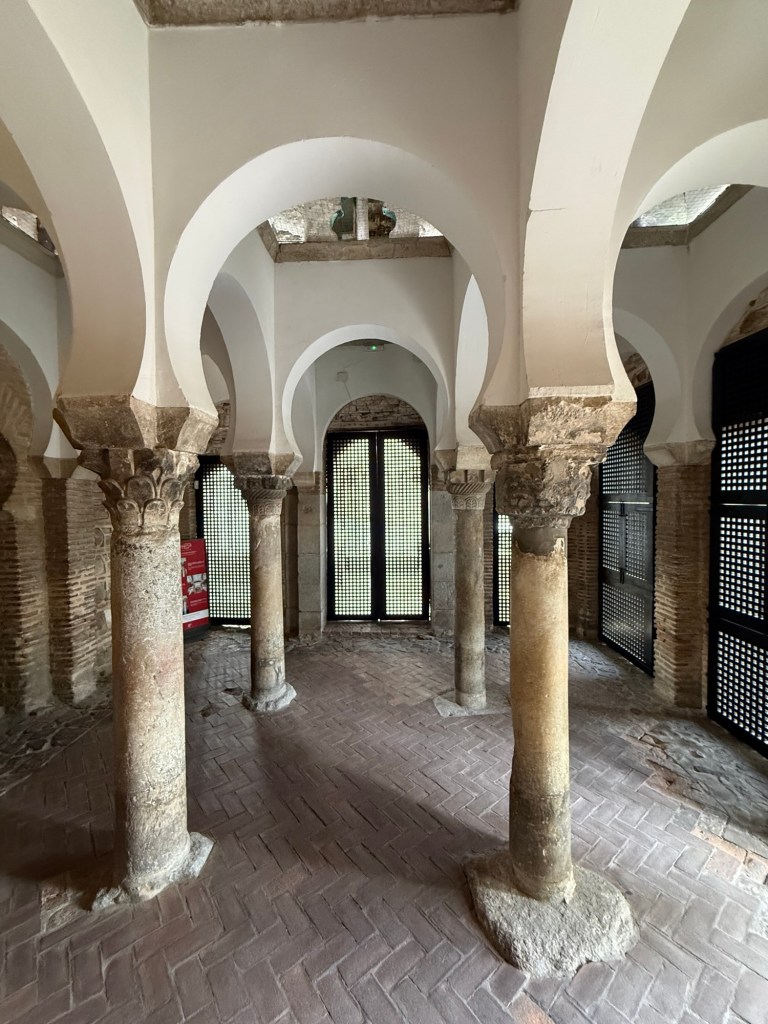
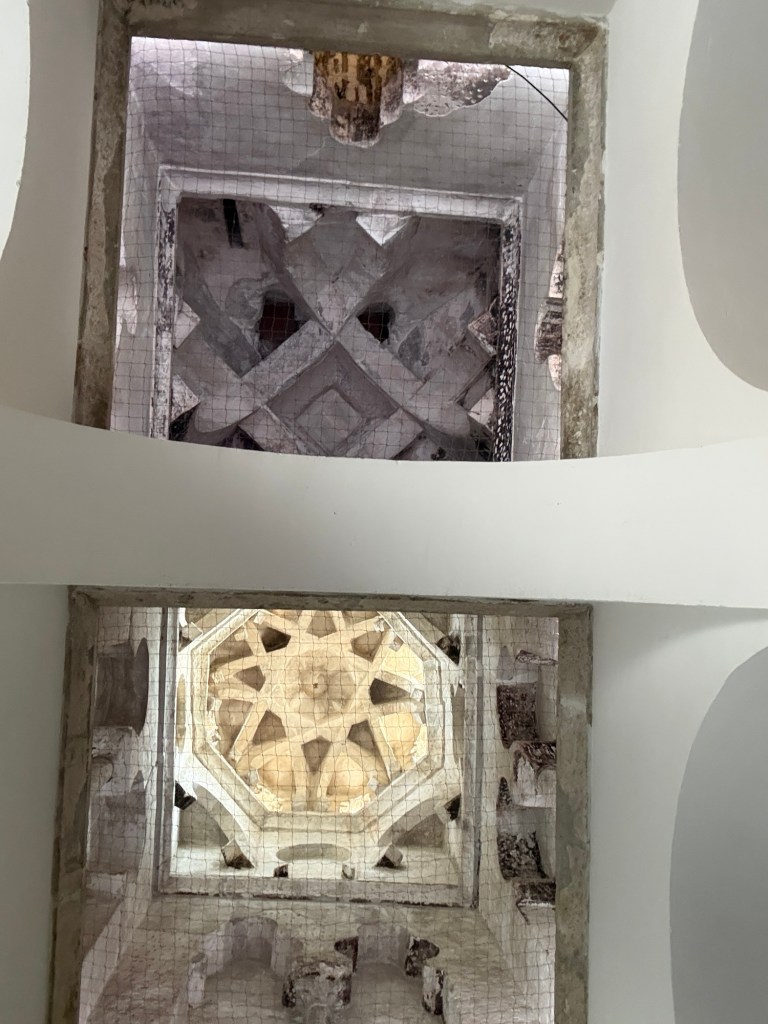
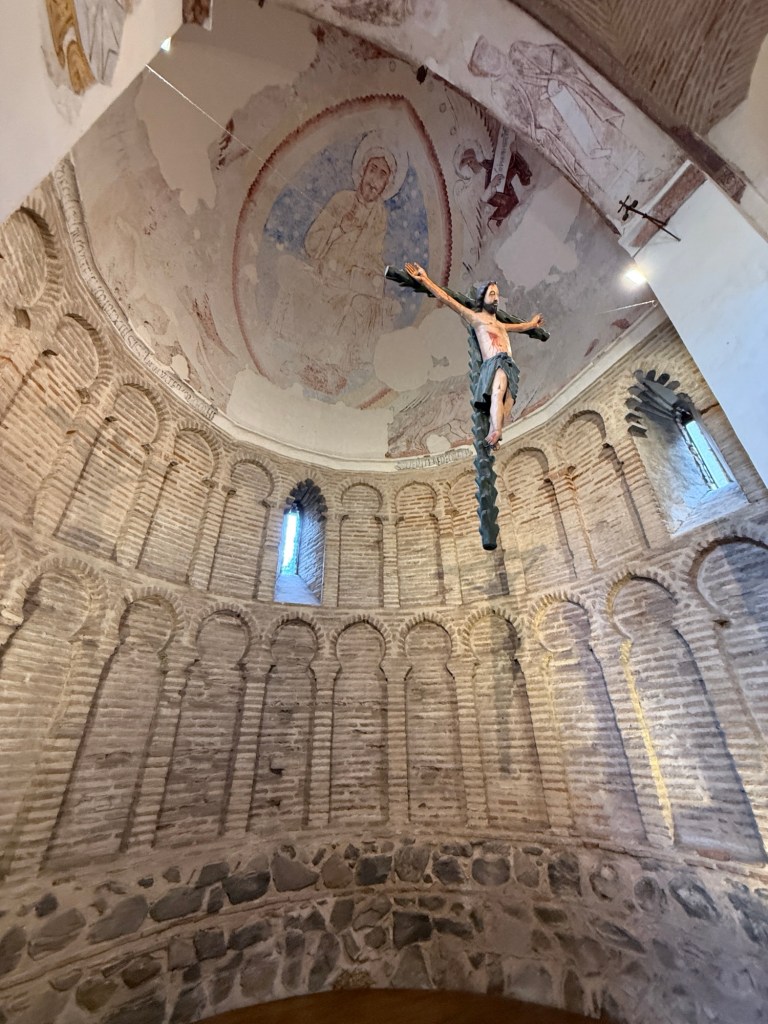
7) The mosque of Cristo de la Luz (La Mezquita del Cristo de la Luz): This 1000+ year old building originally consisted of a mosque or small prayer chamber from the Caliphate period. This was transformed into a church two centuries later, when the apse was added.
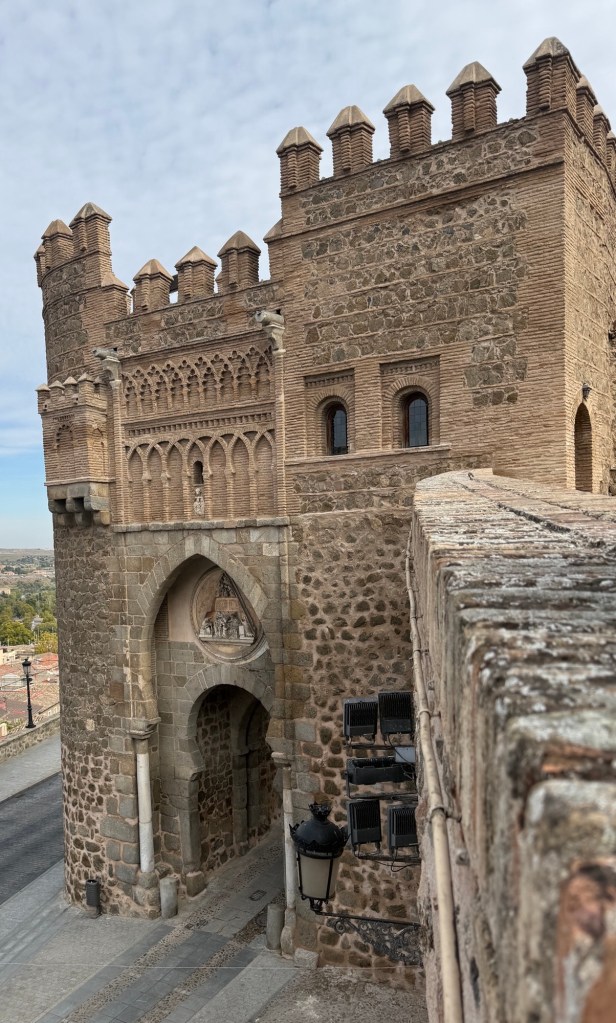
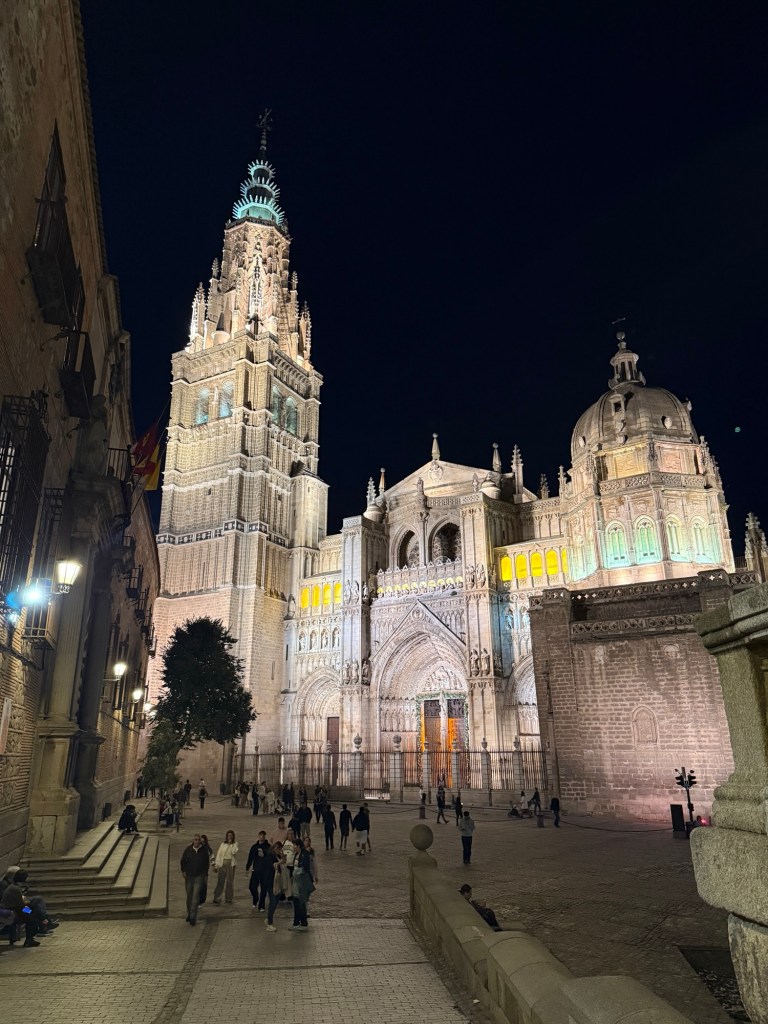
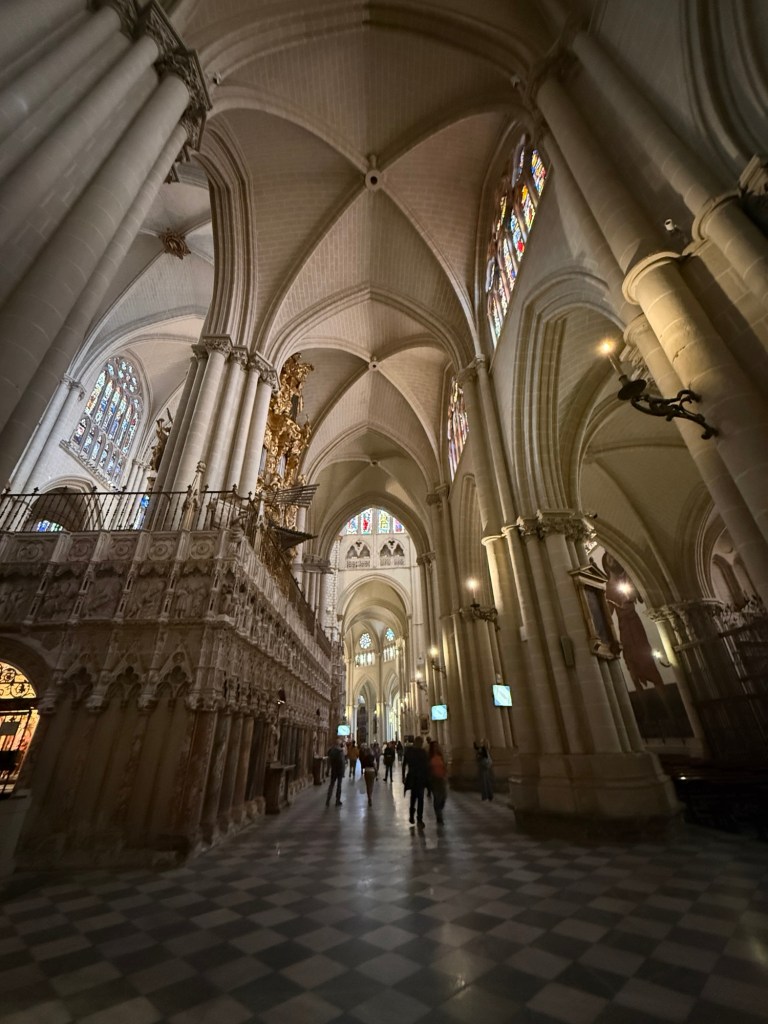
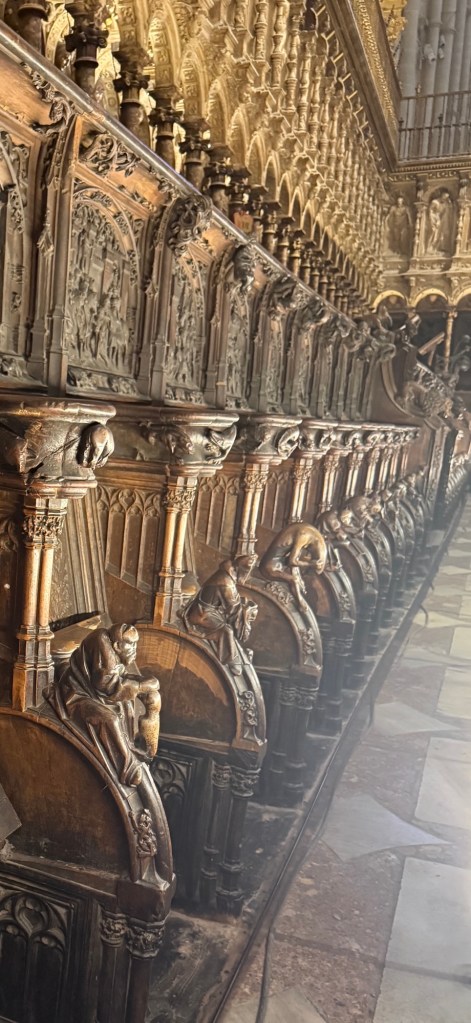
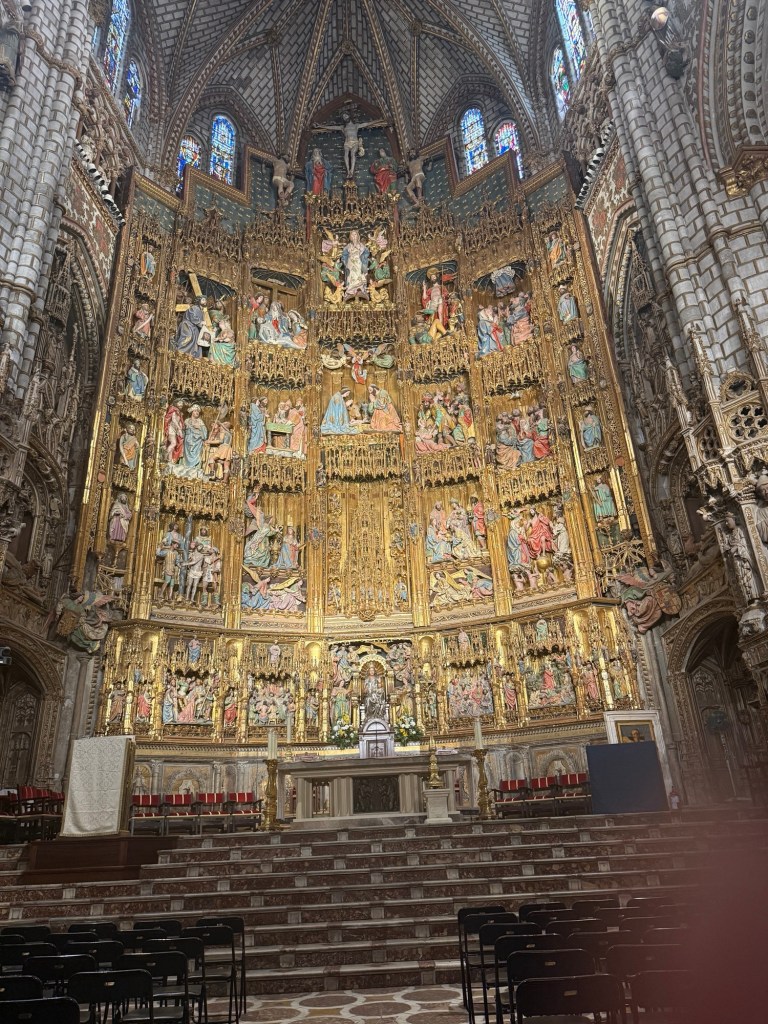
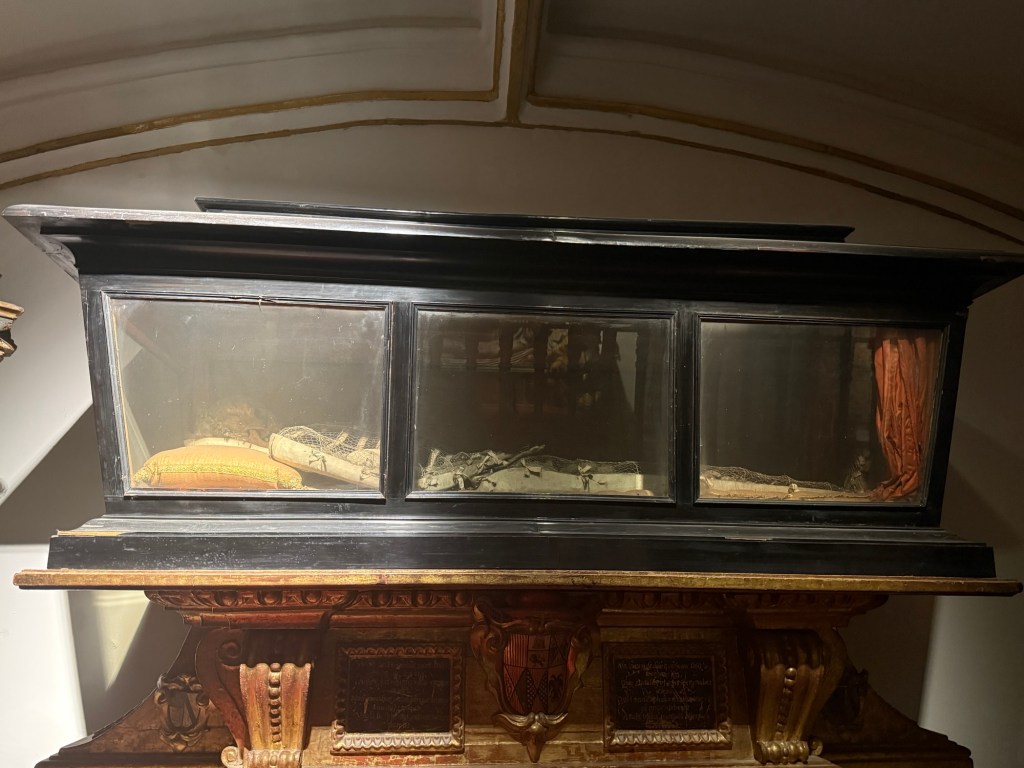
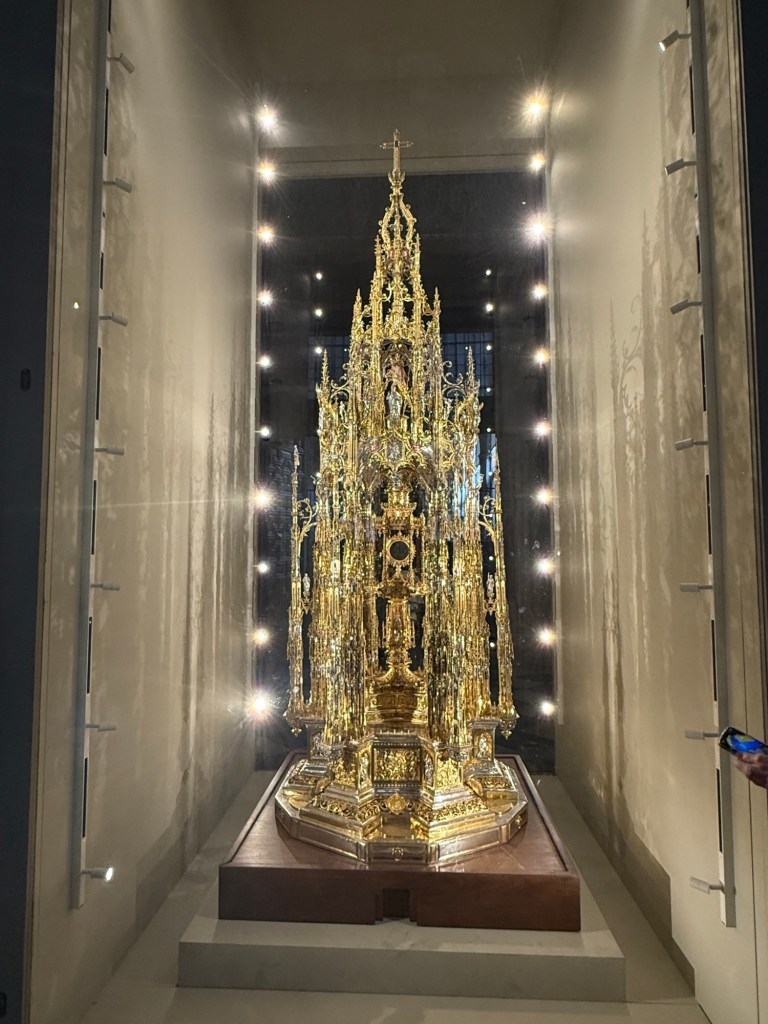
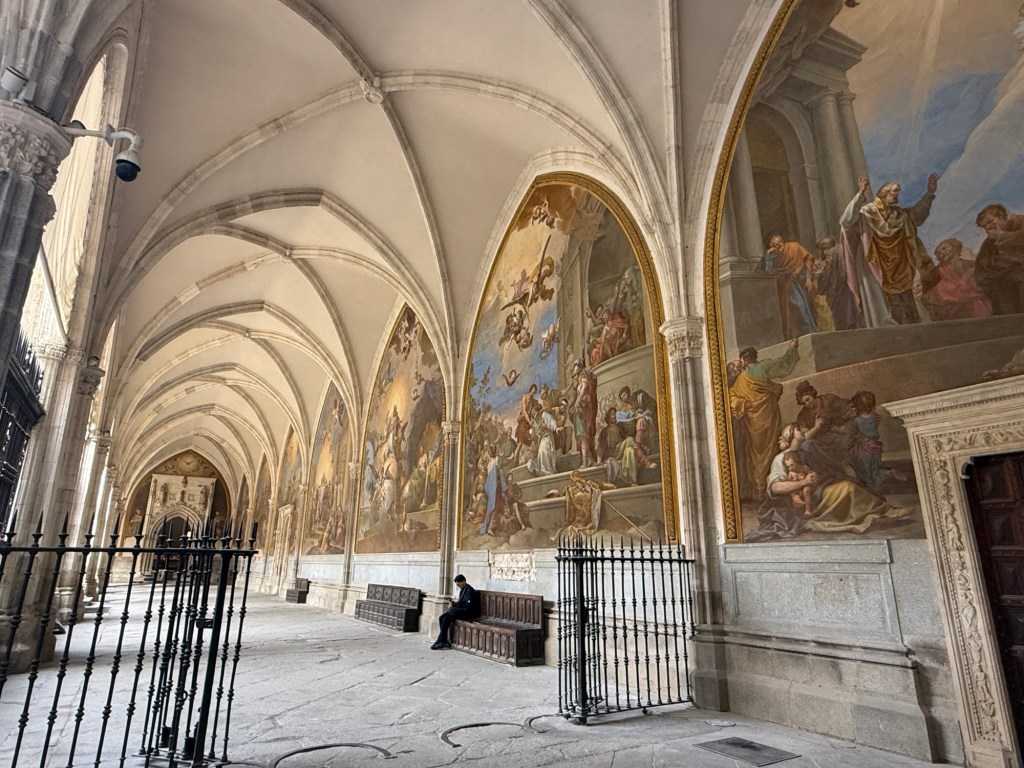
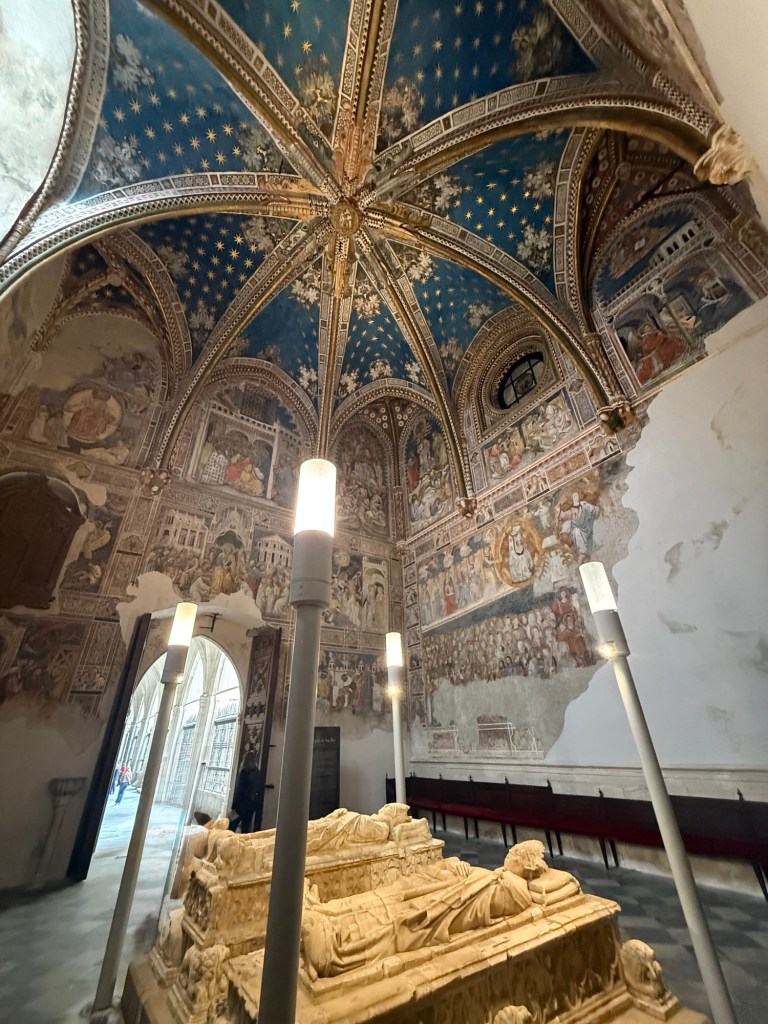
8) Toledo Cathedral: is one of the three 13th-century High Gothic cathedral in Spain and is considered by some authorities to be the magnum opus of the Gothic style in Spain. It is also the Primate Cathedral of Toledo – meaning it is the chief church of the ecclesiastical province and the seat of the primate – the archbishop who holds a position of historical pre-eminence or honor over other bishops and archbishops in a country or region.
The building is spectacular and my photos unfortunately just don’t do it any justice.
Today’s quirks:
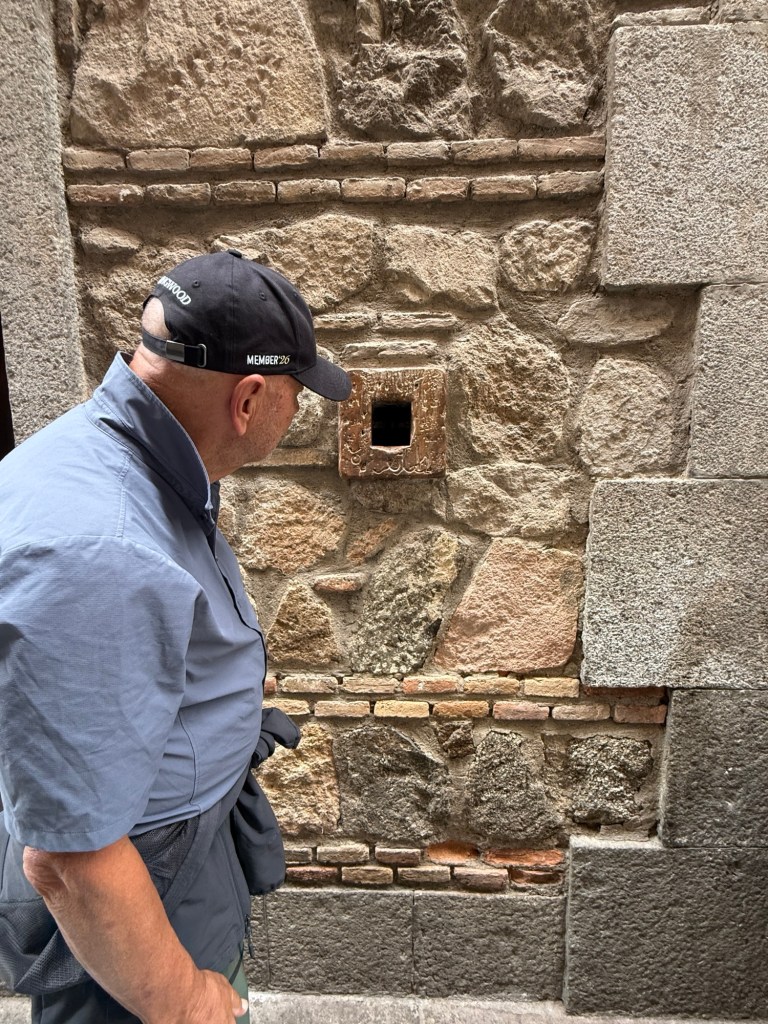
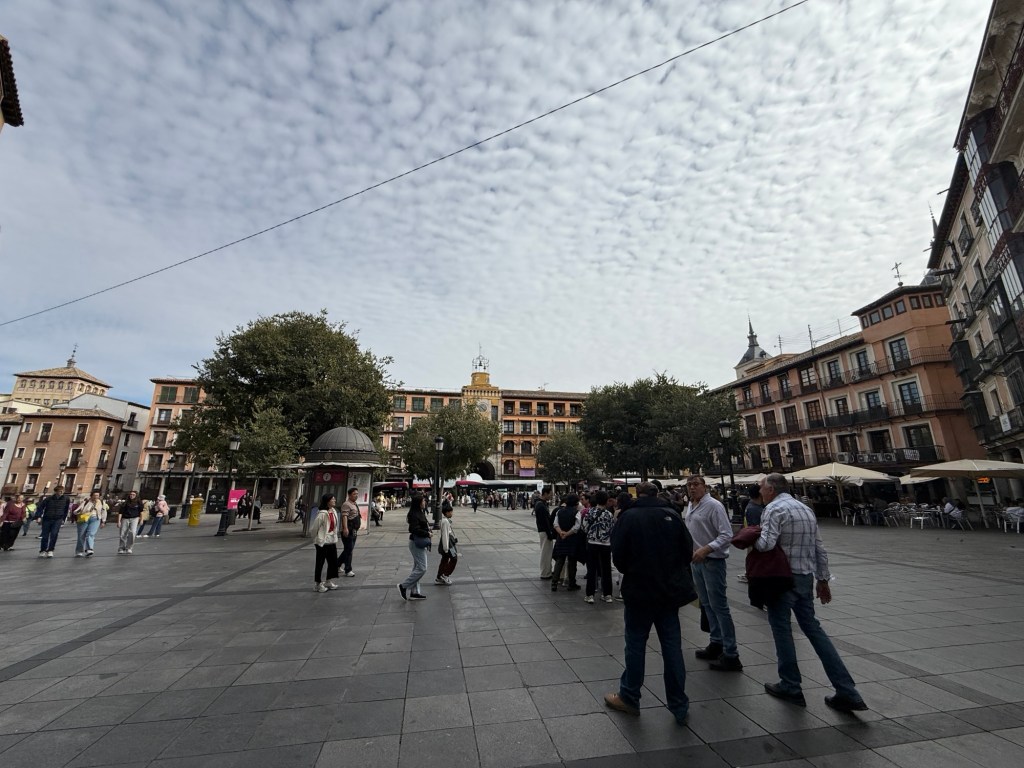
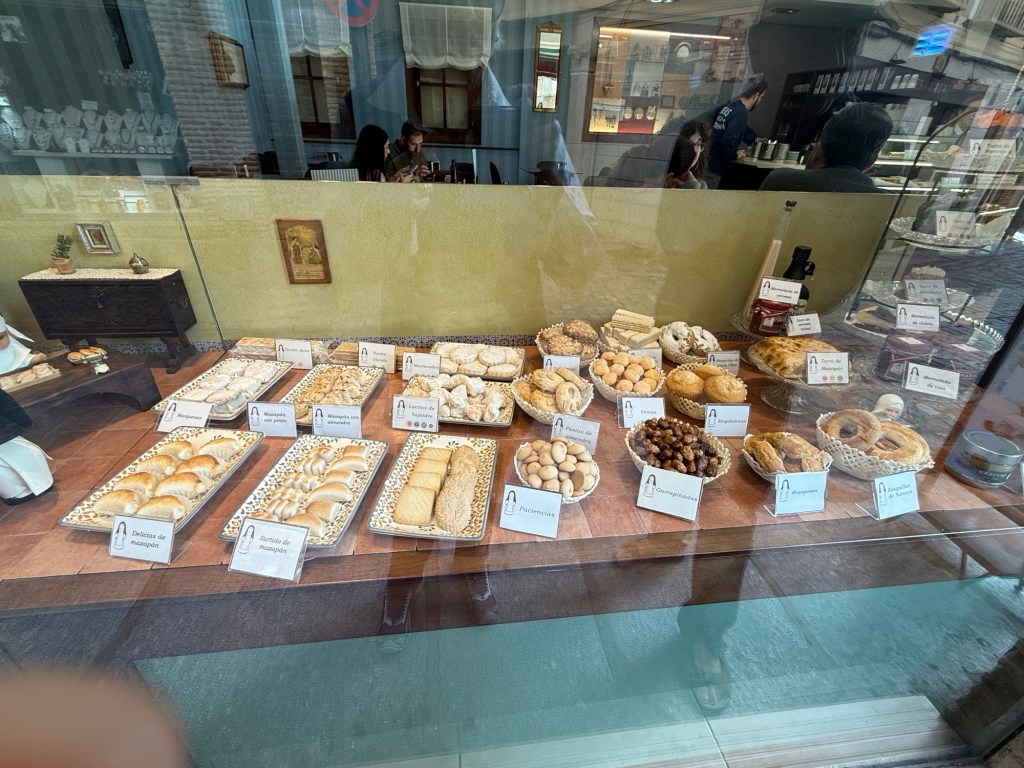
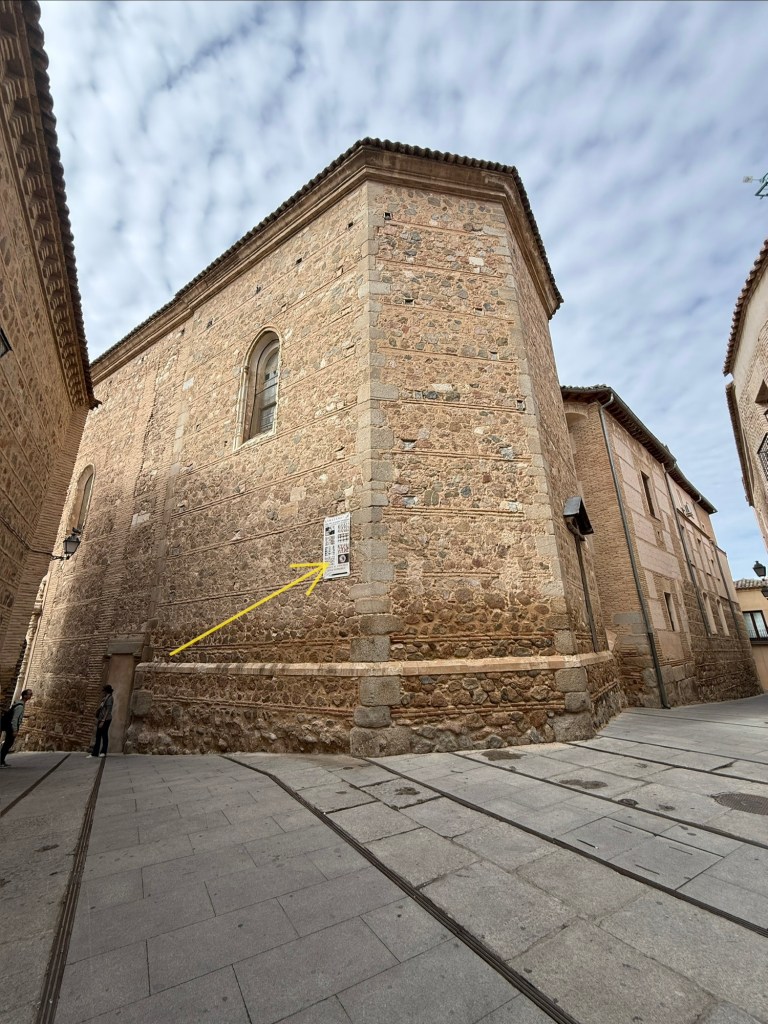
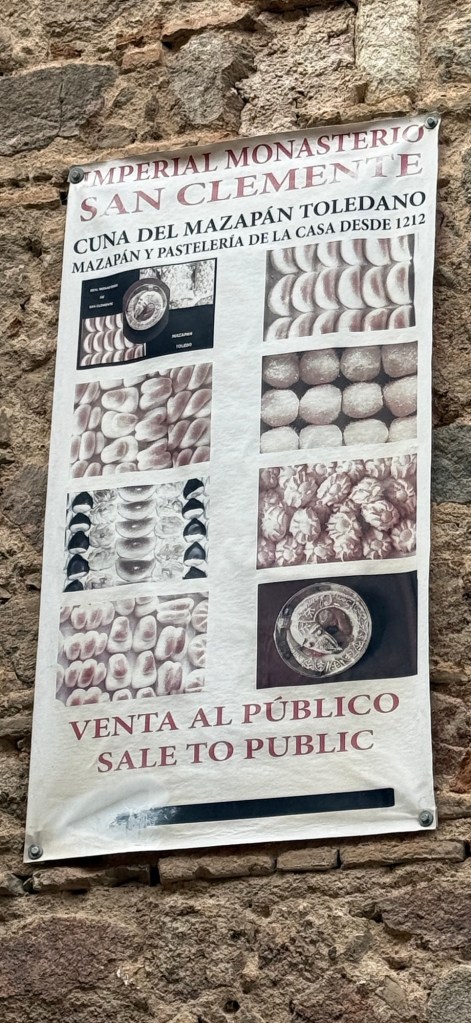
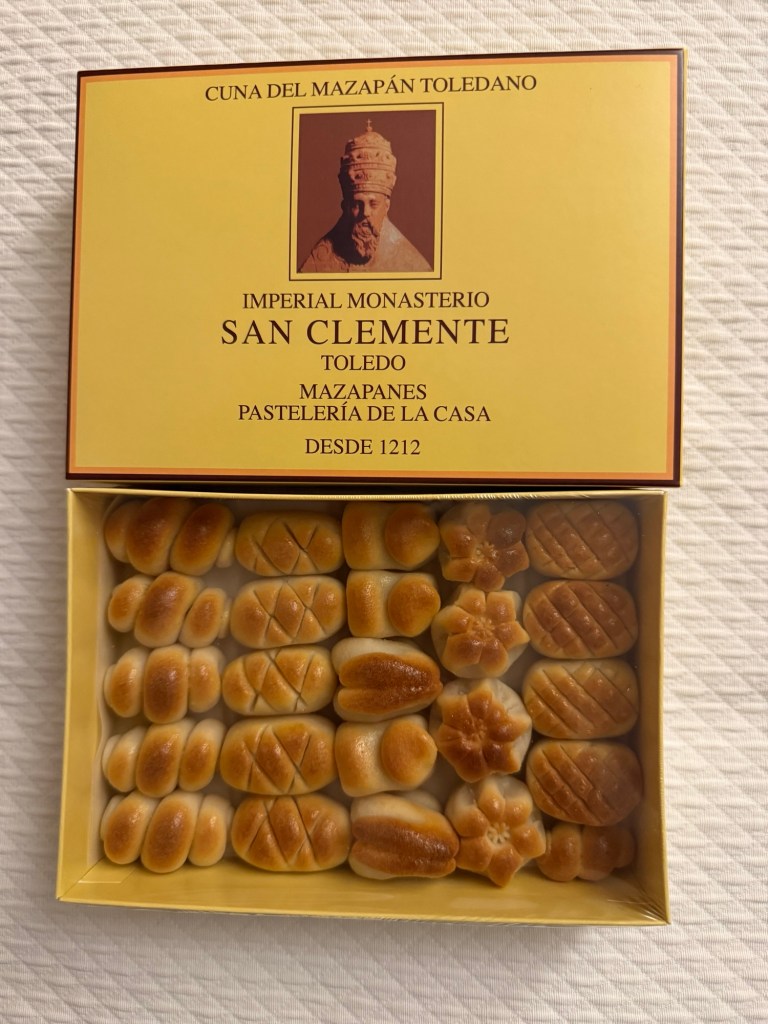
Nun’s marzipan: Handmade marzipan has been made by cloistered nuns in Toledo since the 13th century. Available at a number of places around Toledo, we headed to the original… the Monasterio de San Clemente el Real and the historic birthplace of Toledo marzipan to buy some.
And a sad reminder on the City Hall…
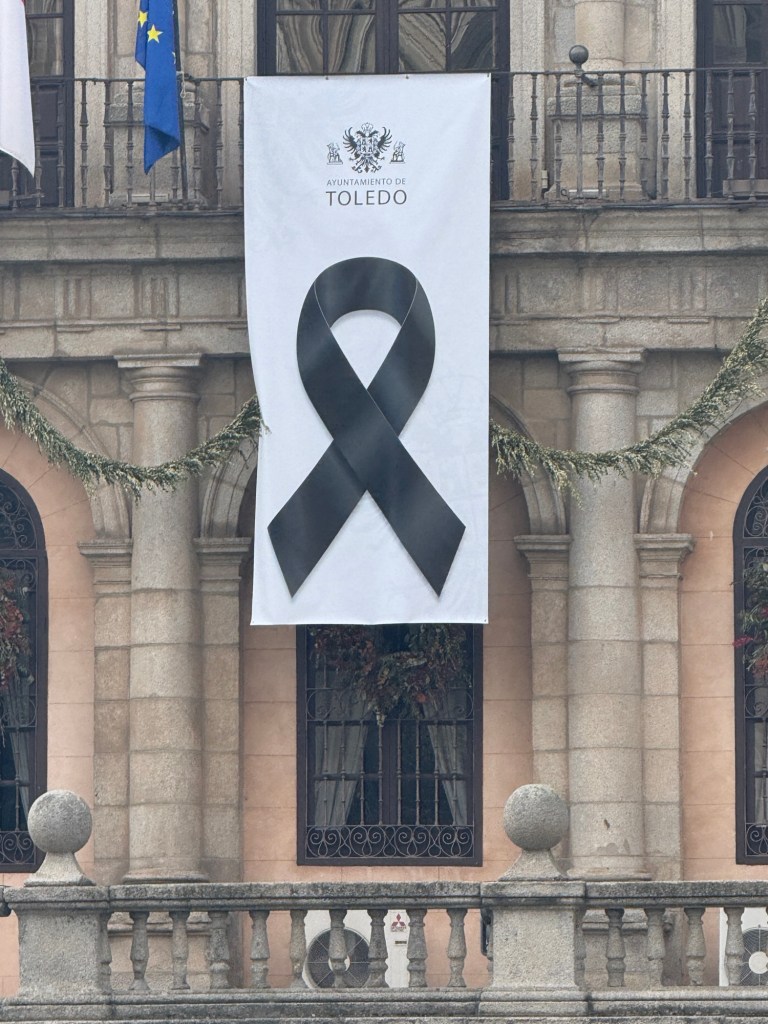
The Government of Spain declared three days of official mourning (from October 29 to 31)… I was so tired yesterday I didn’t even notice it 😔