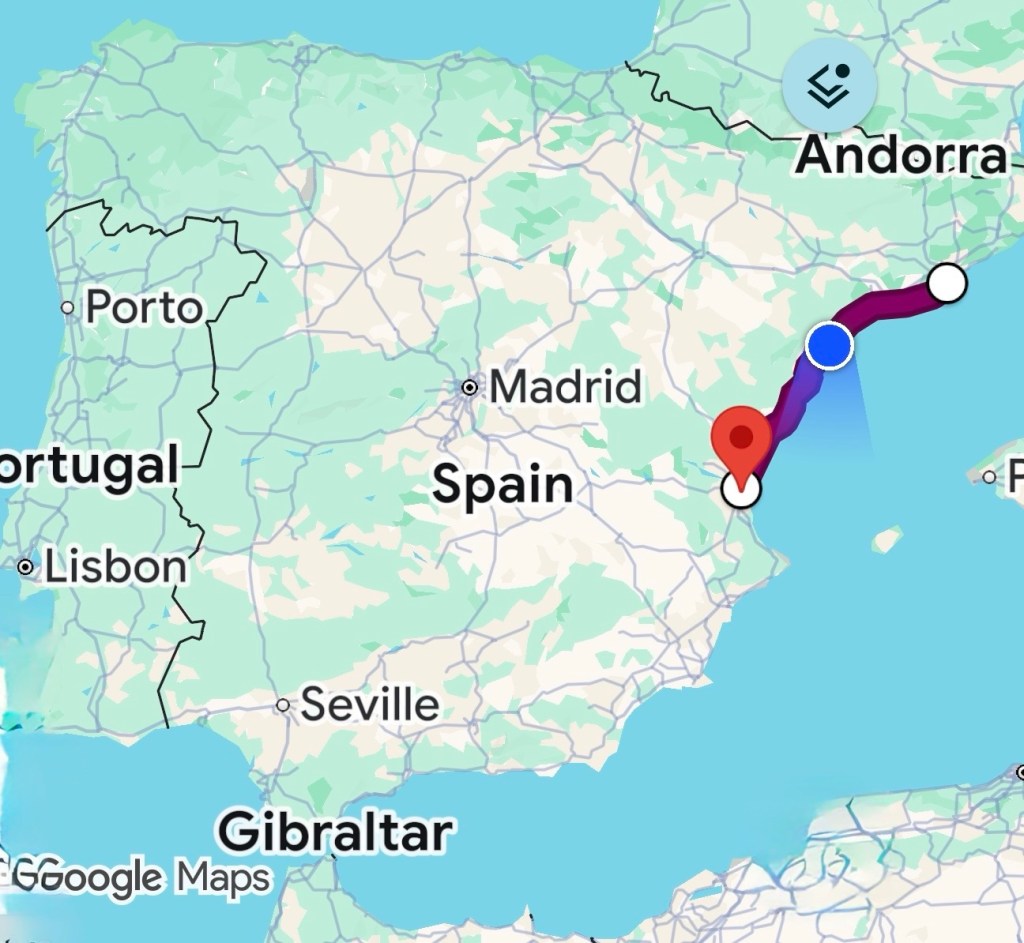
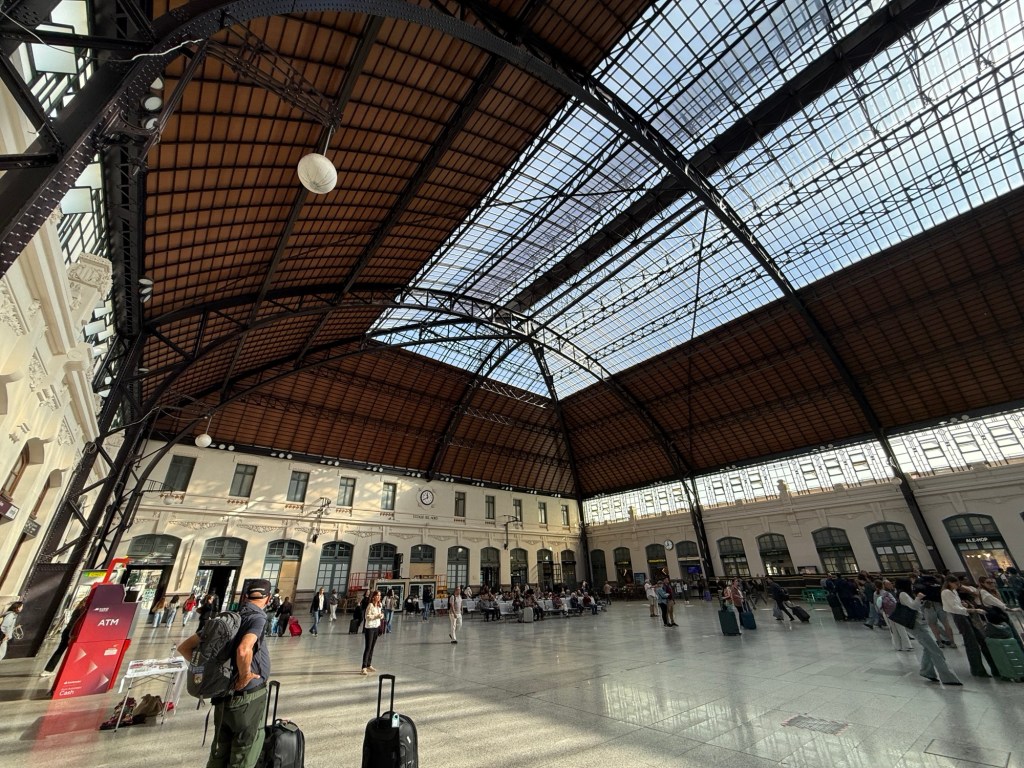
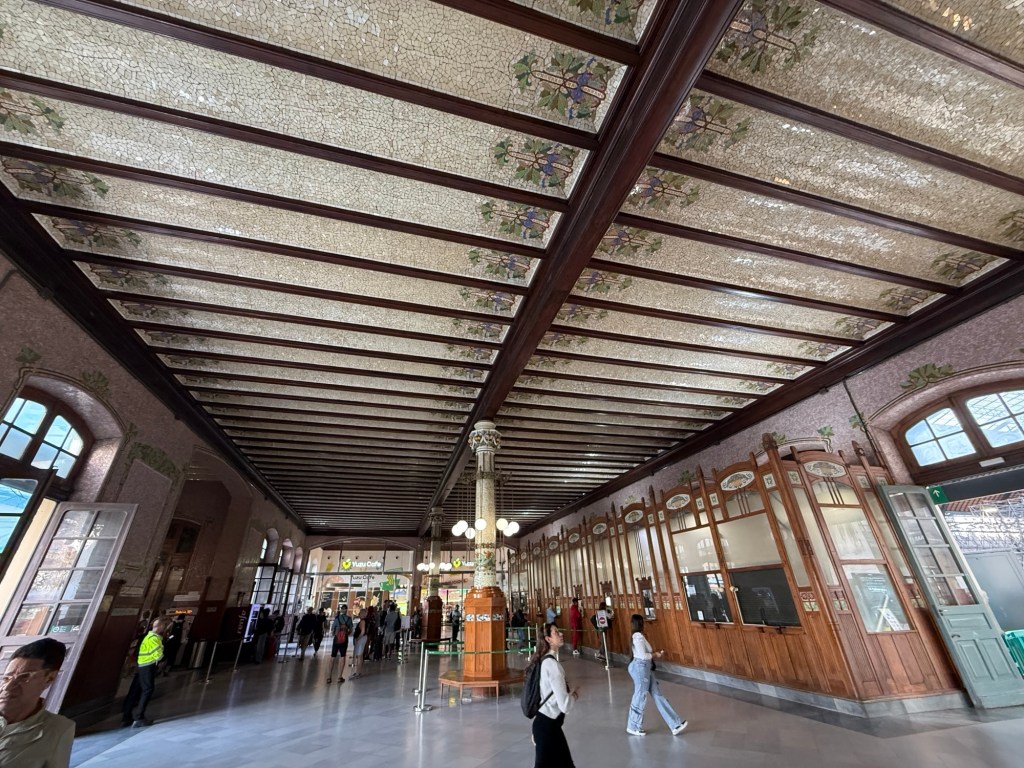
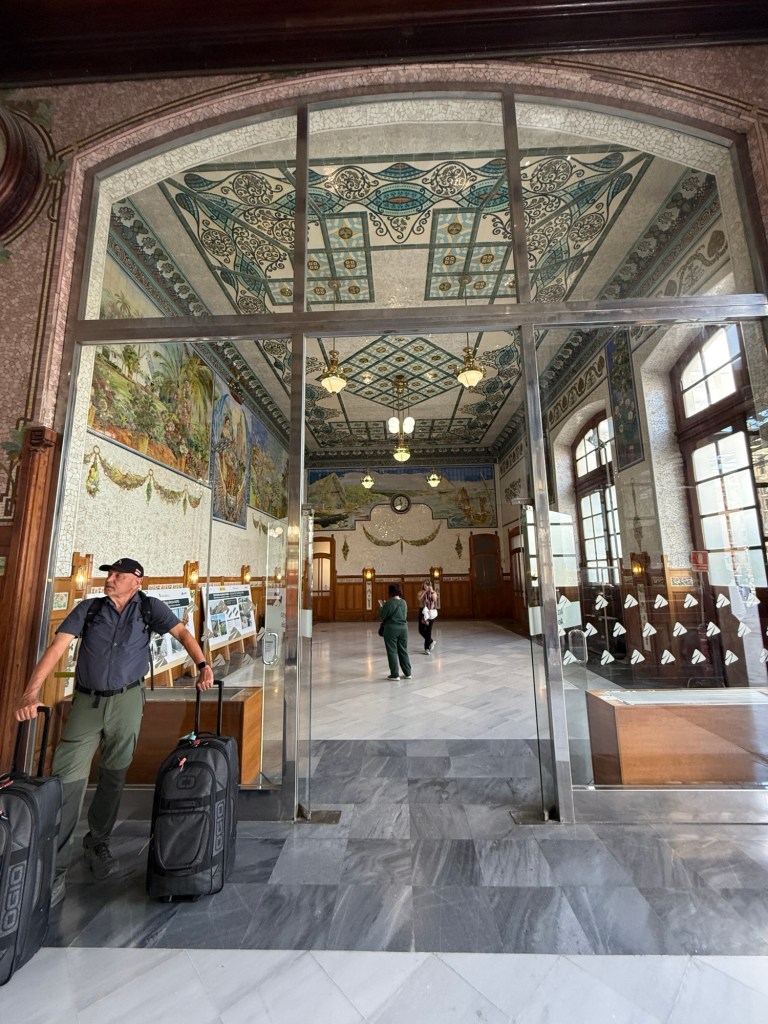
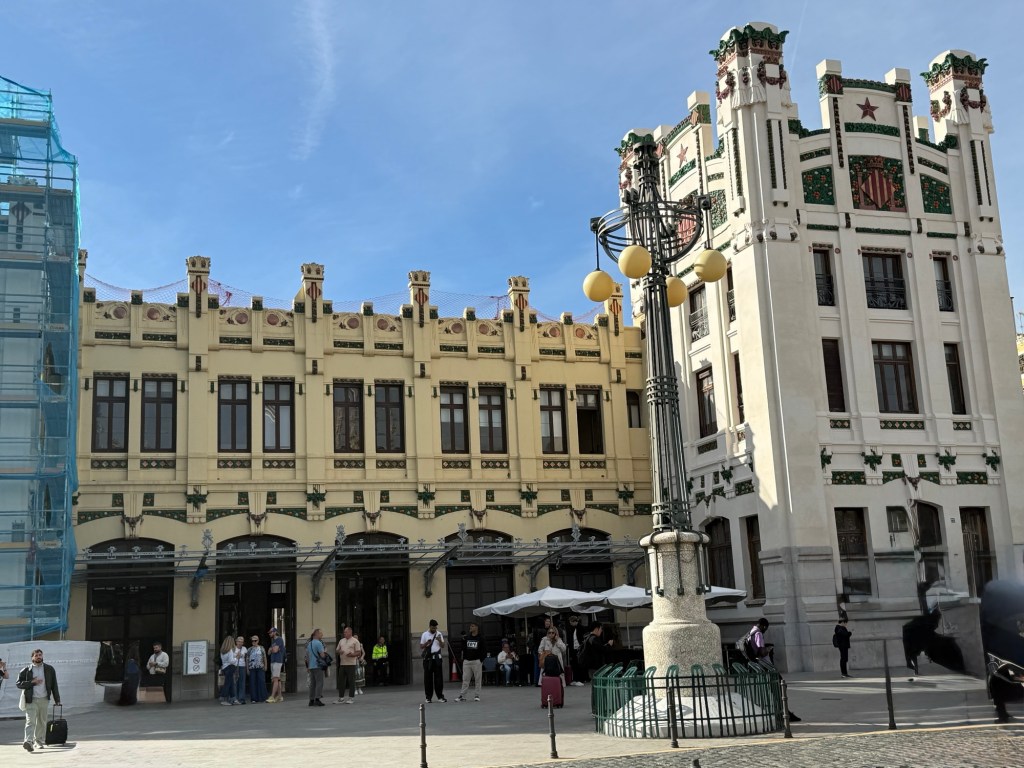
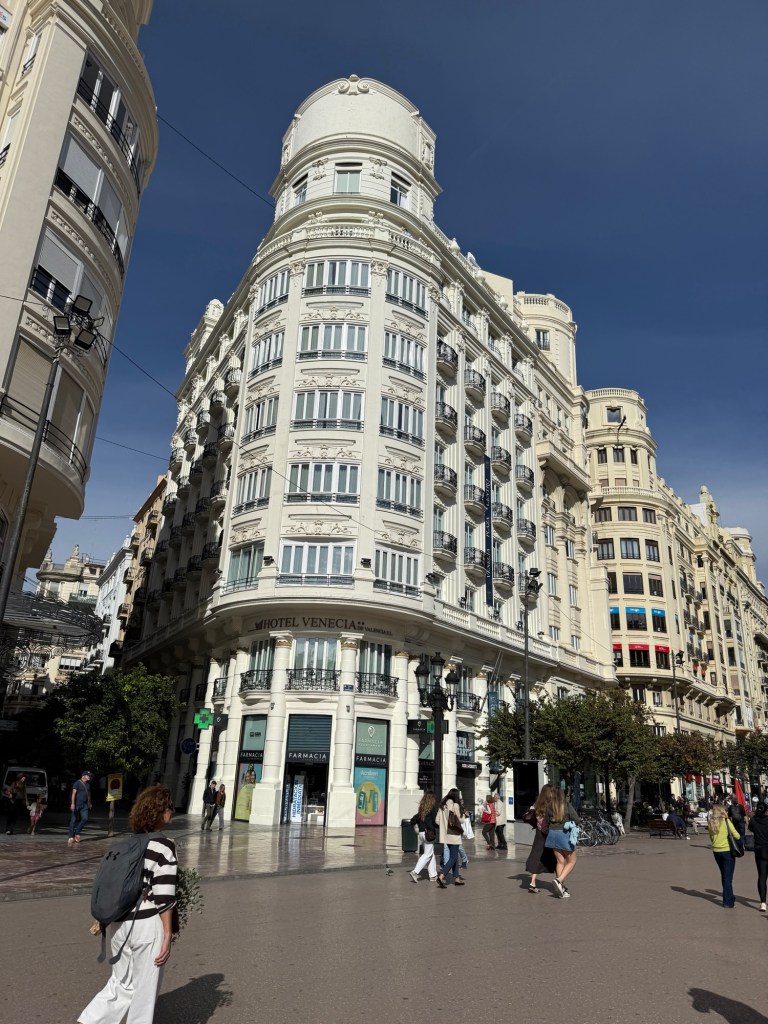
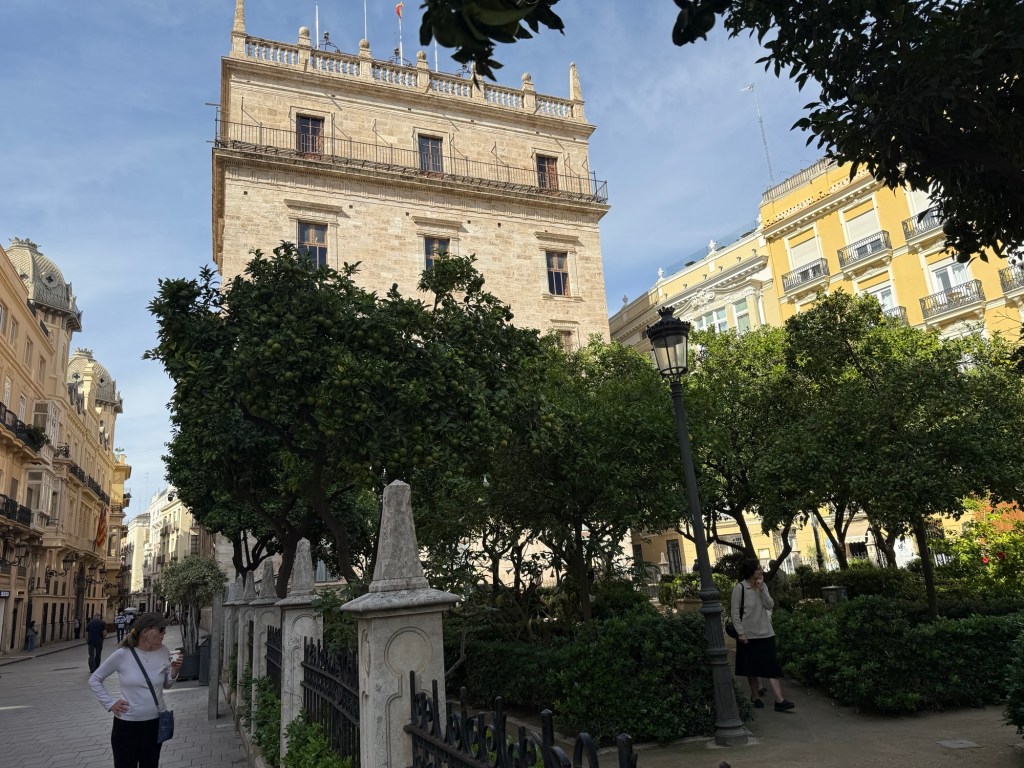
Today we left Barcelona and embarked on our “lap” of Spain … first stop, Valencia. Oh my word! What a beautiful city, at least the old city where we disembarked our train and walked to our Hostal.
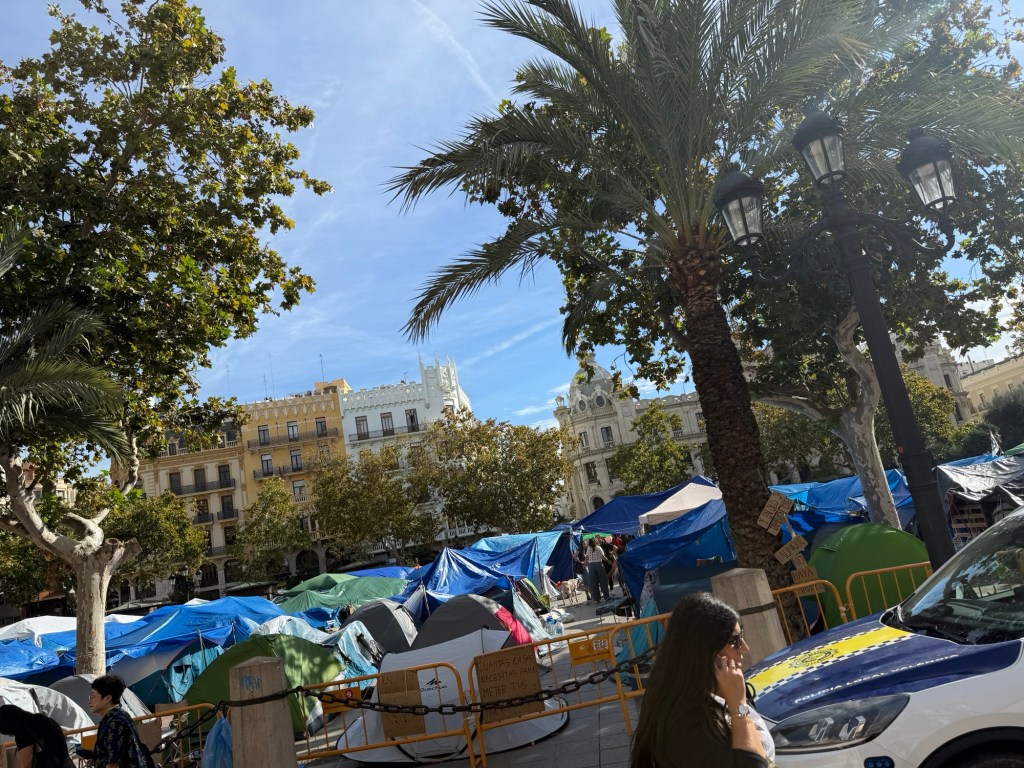
One of the protest signs reads:
ARTICLE 47 OF THE CONSTITUTION
ALL SPANIARDS HAVE THE RIGHT TO ENJOY DECENT AND ADEQUATE HOUSING. THE PUBLIC AUTHORITIES SHALL PROMOTE THE NECESSARY CONDITIONS AND ESTABLISH THE RELEVANT REGULATIONS TO MAKE THIS RIGHT EFFECTIVE, REGULATING LAND USE IN ACCORDANCE WITH THE GENUINE INTEREST TO PREVENT SPECULATION
We’re staying at a basic but quaint hostel set in an 18th-century (17th/18th-century) historic building in the old town. It is a family-run business operated by four sisters who come from a long line of bakers and hoteliers. Baking goes back four generations on their mother’s side and they still also run the family’s bakery nearby.
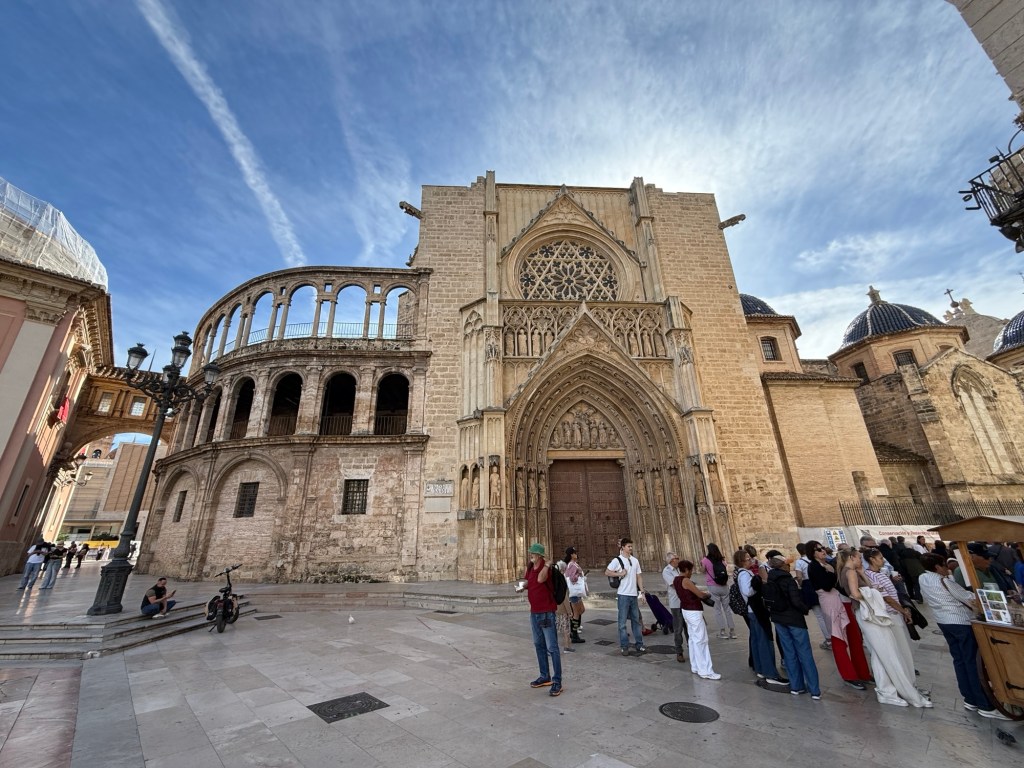
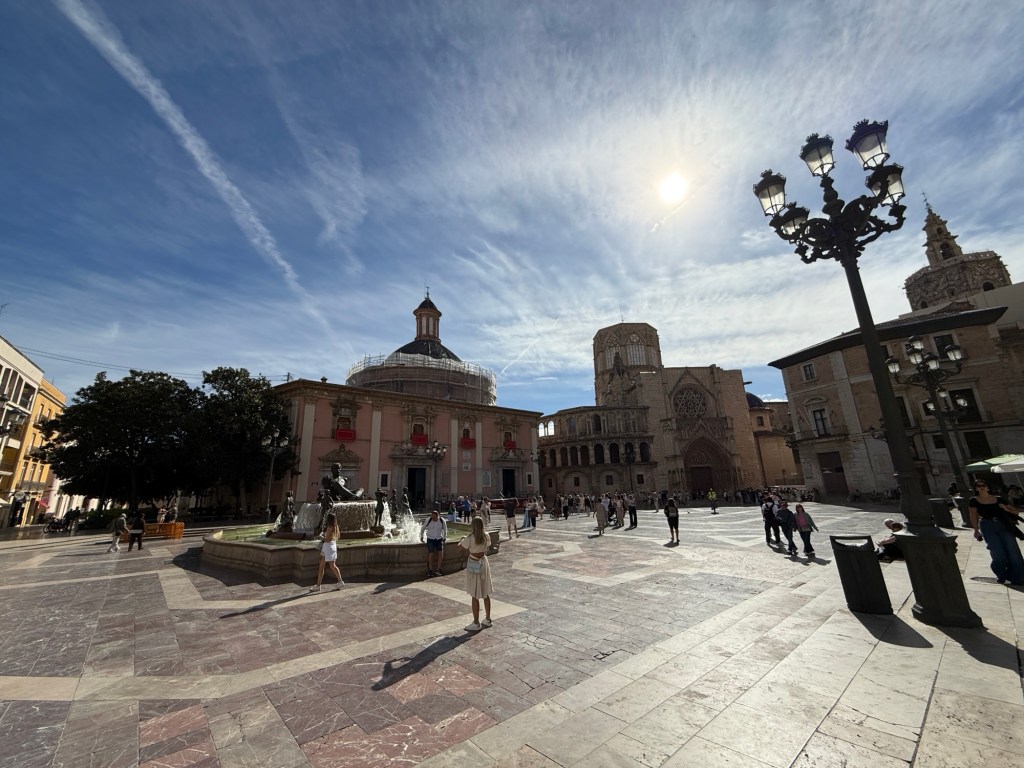
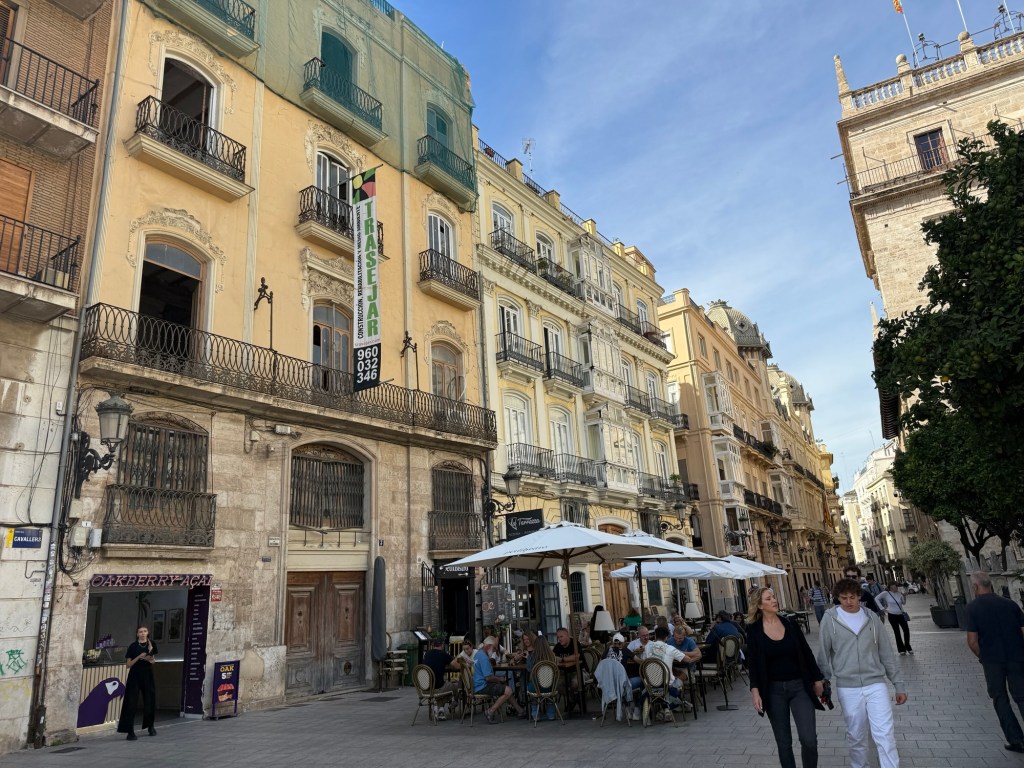
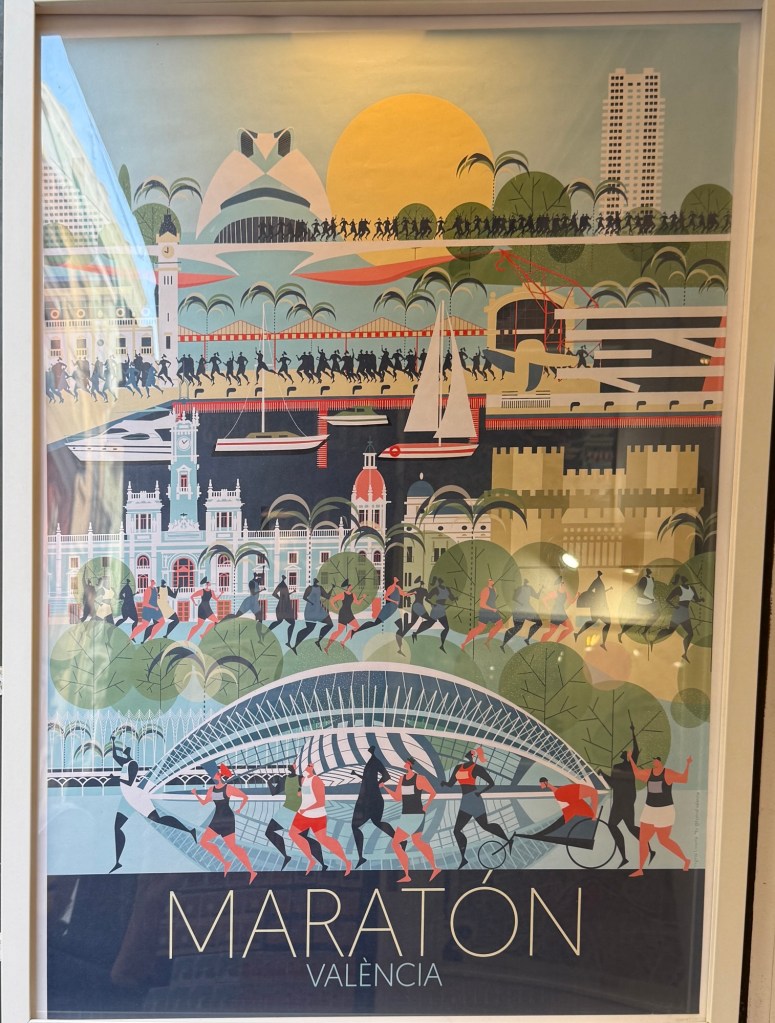
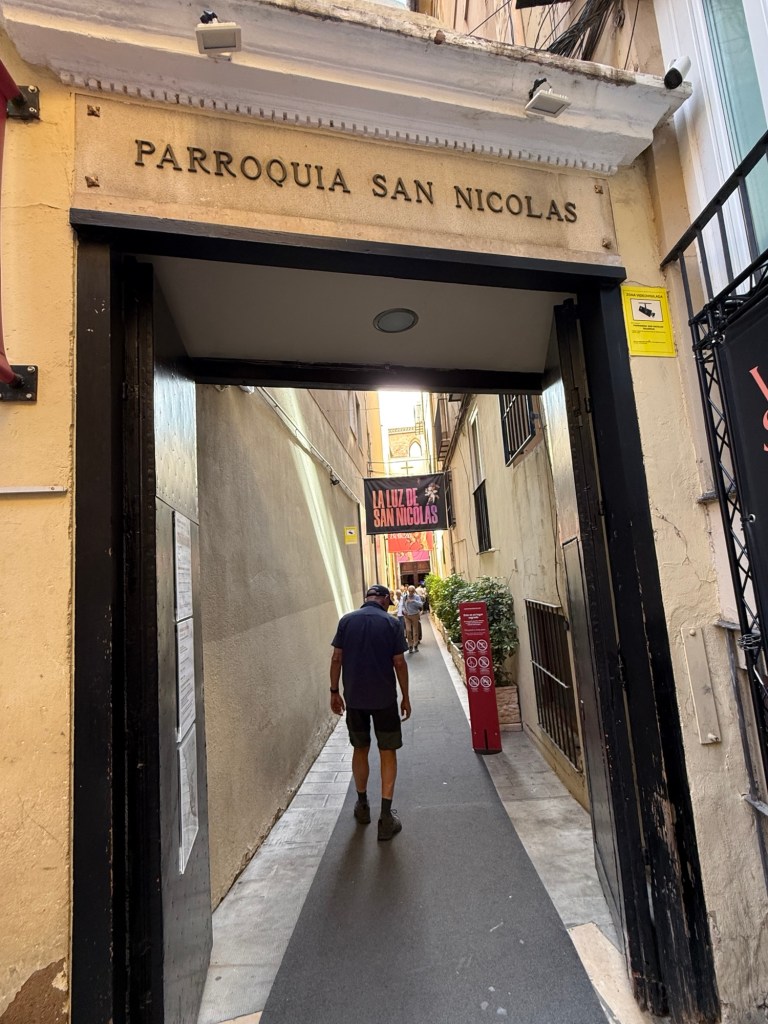
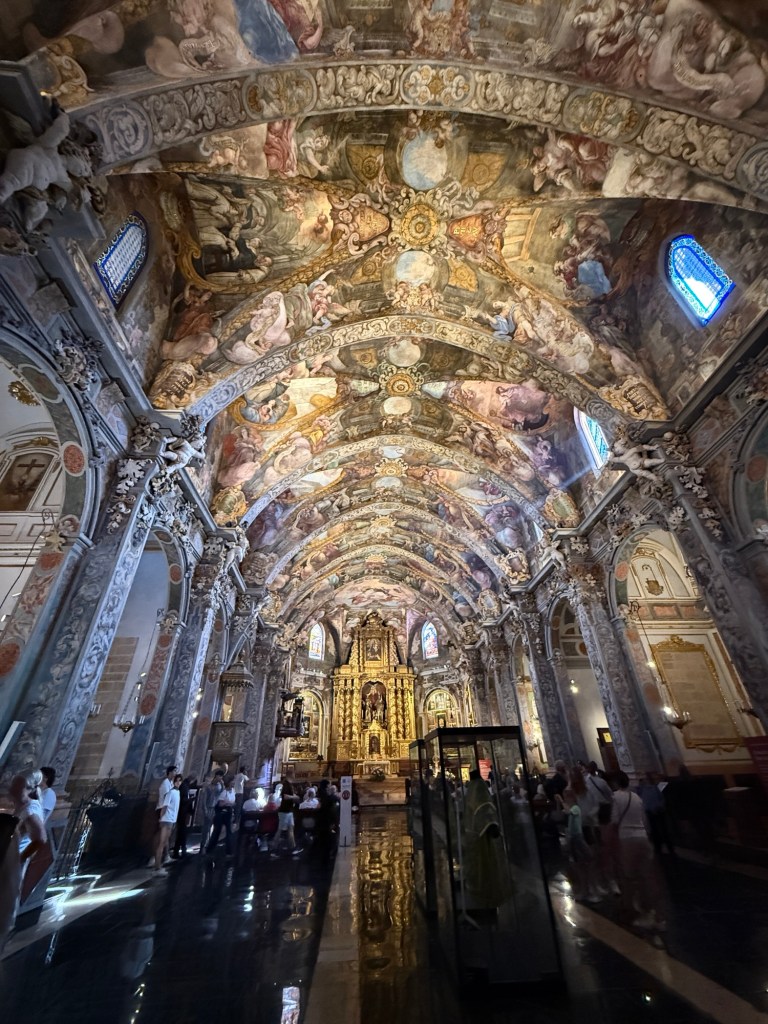
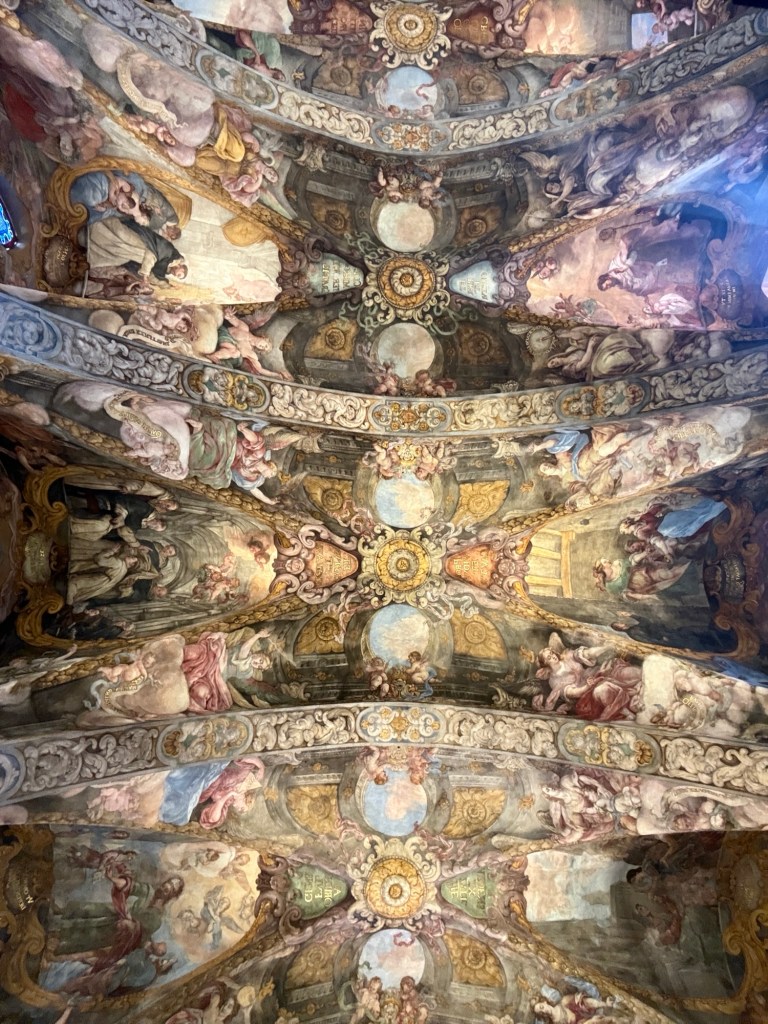
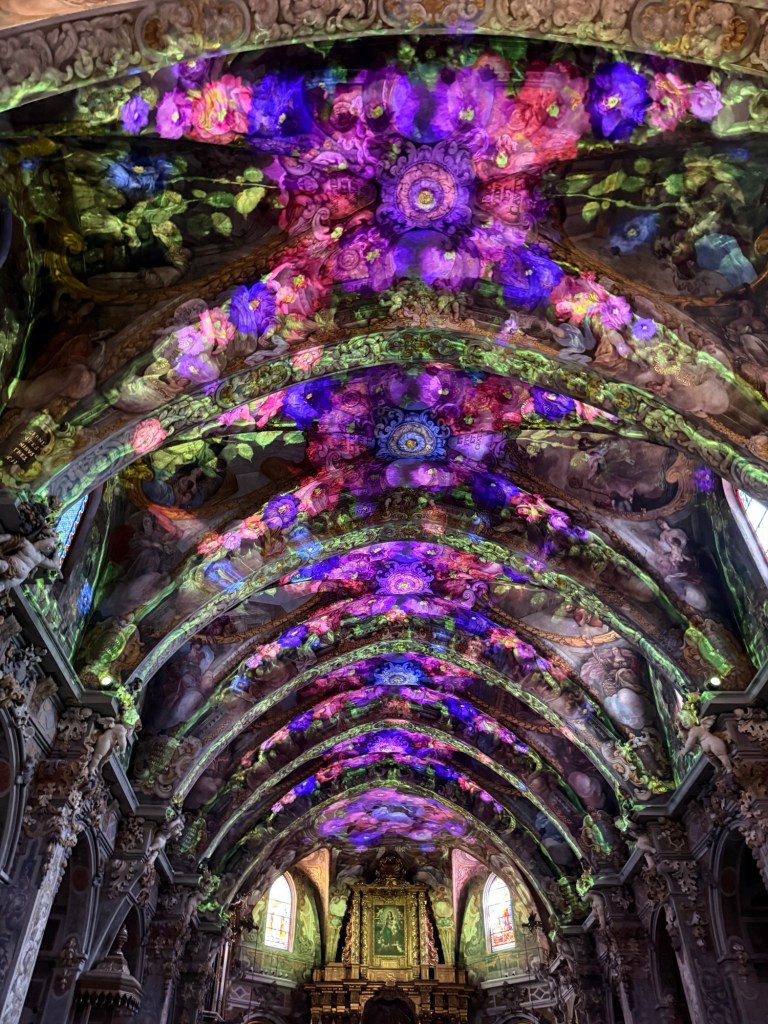
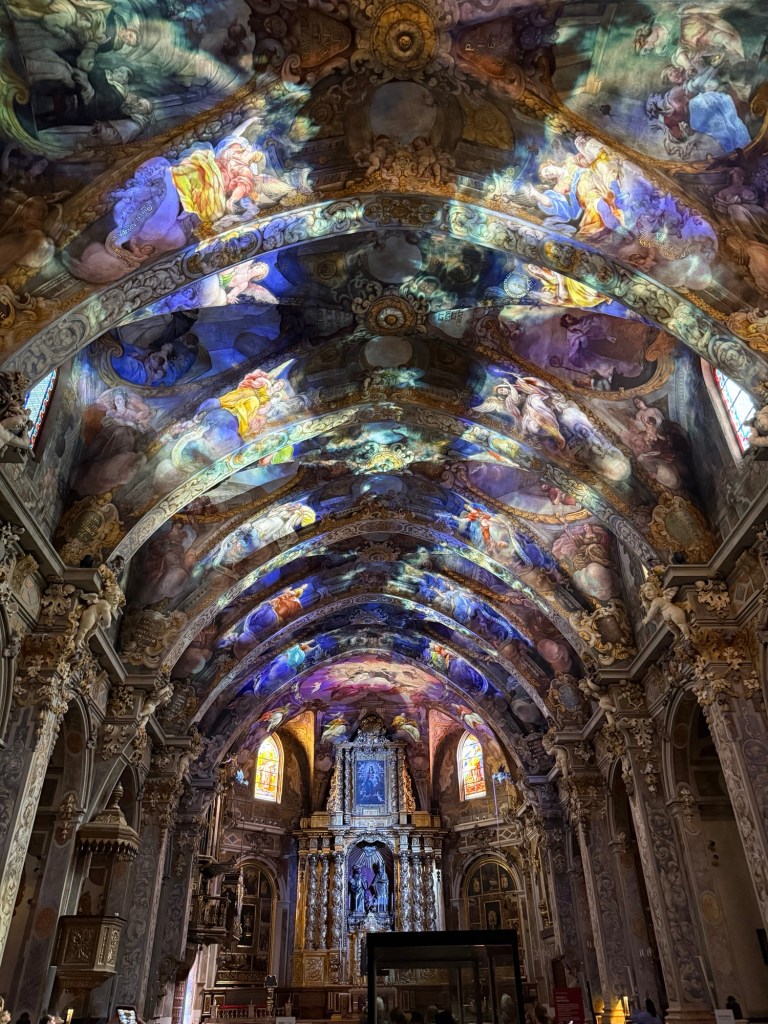
Parròquia de Sant Nicolau de Bari i Sant Pere Màrtir de València is popularly known as the “Valencia Cistine Chapel”
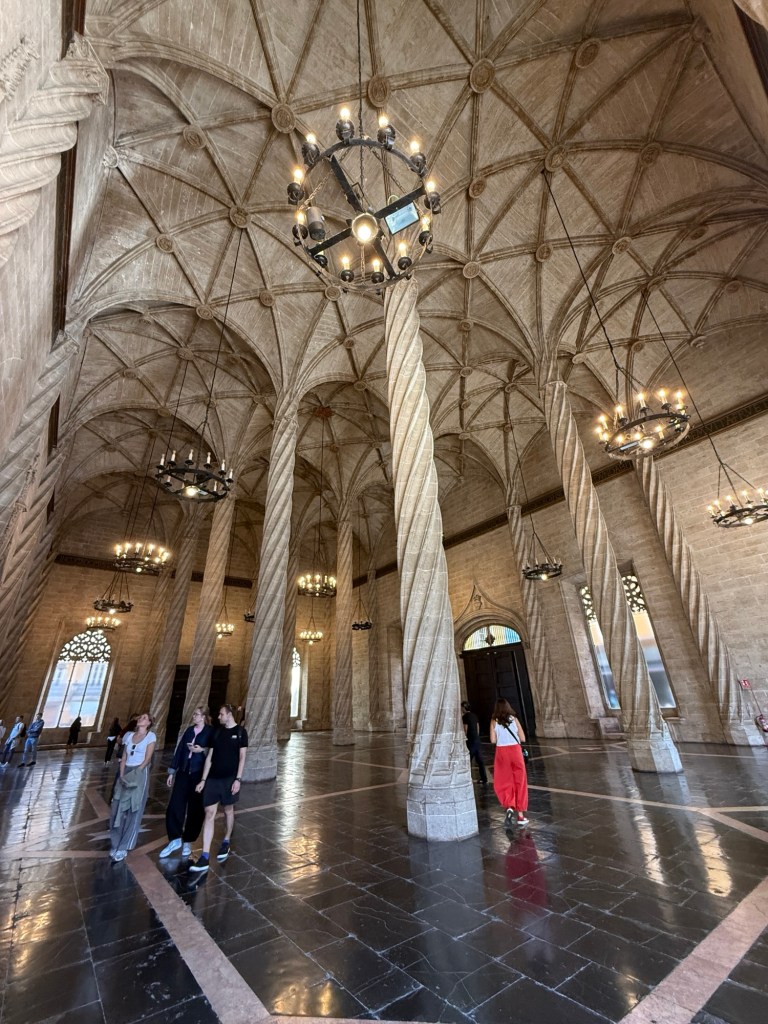
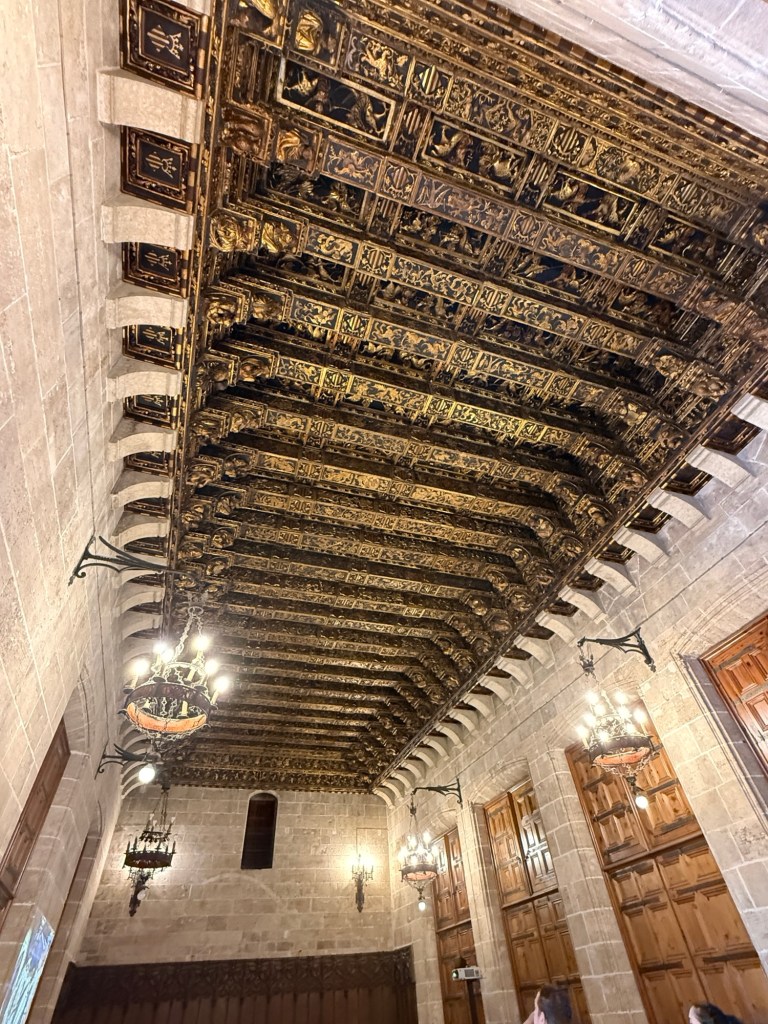
Next stop: La Lonja de la Seda de Valencia (Silk Exchange/Market)
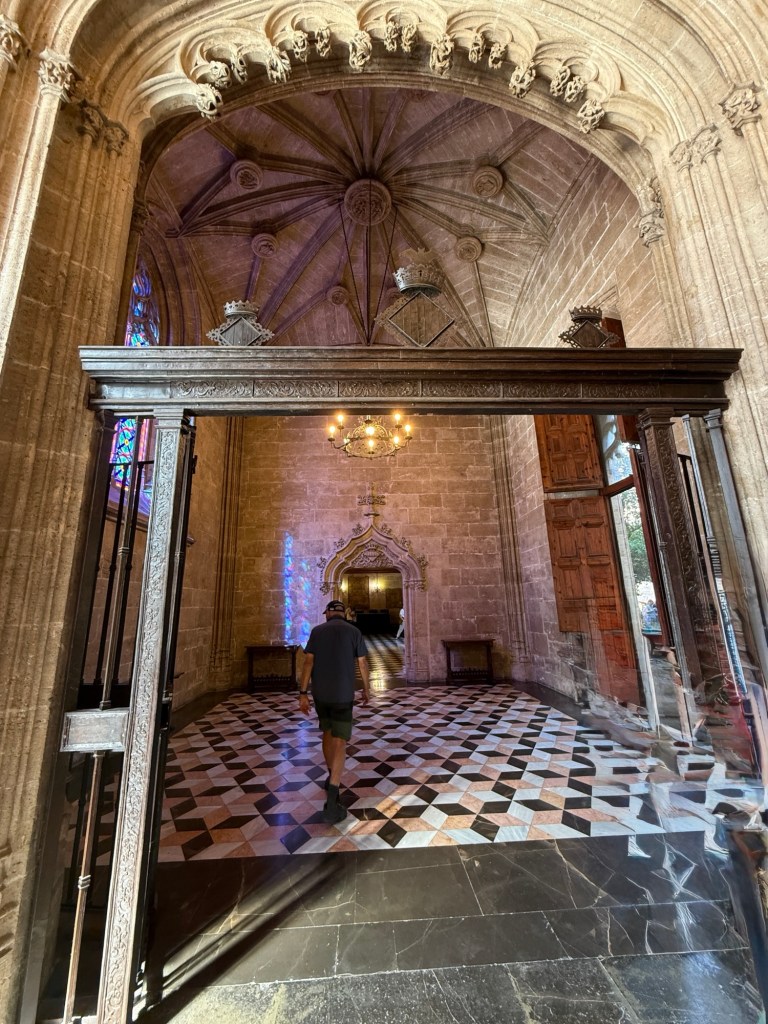
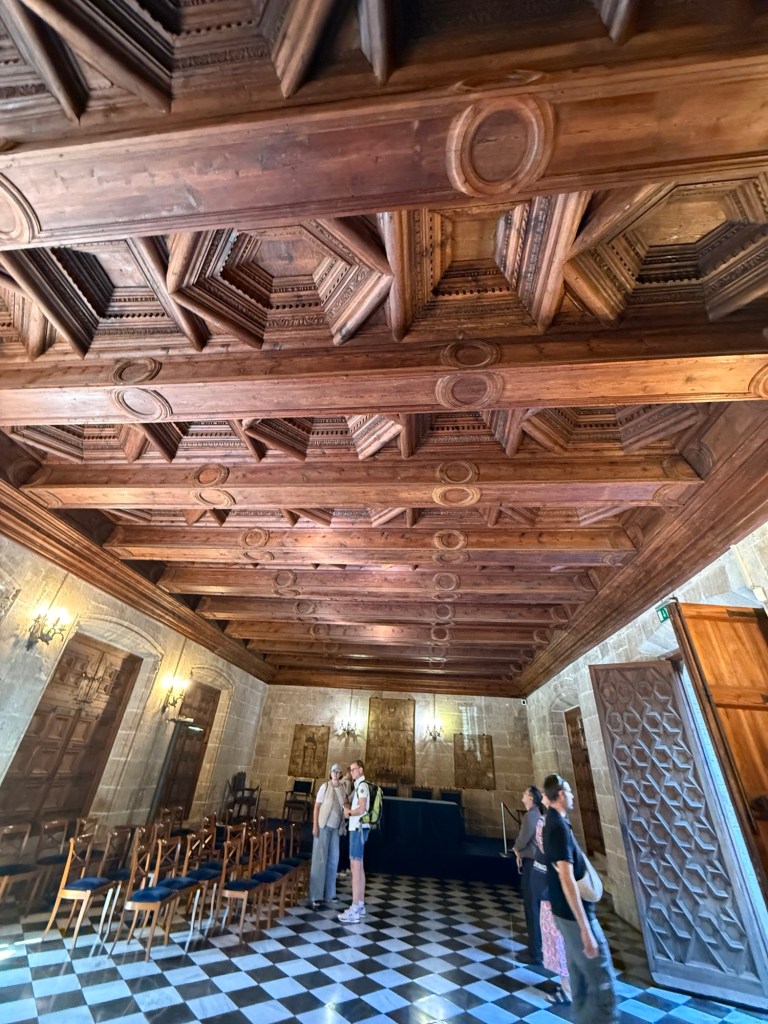
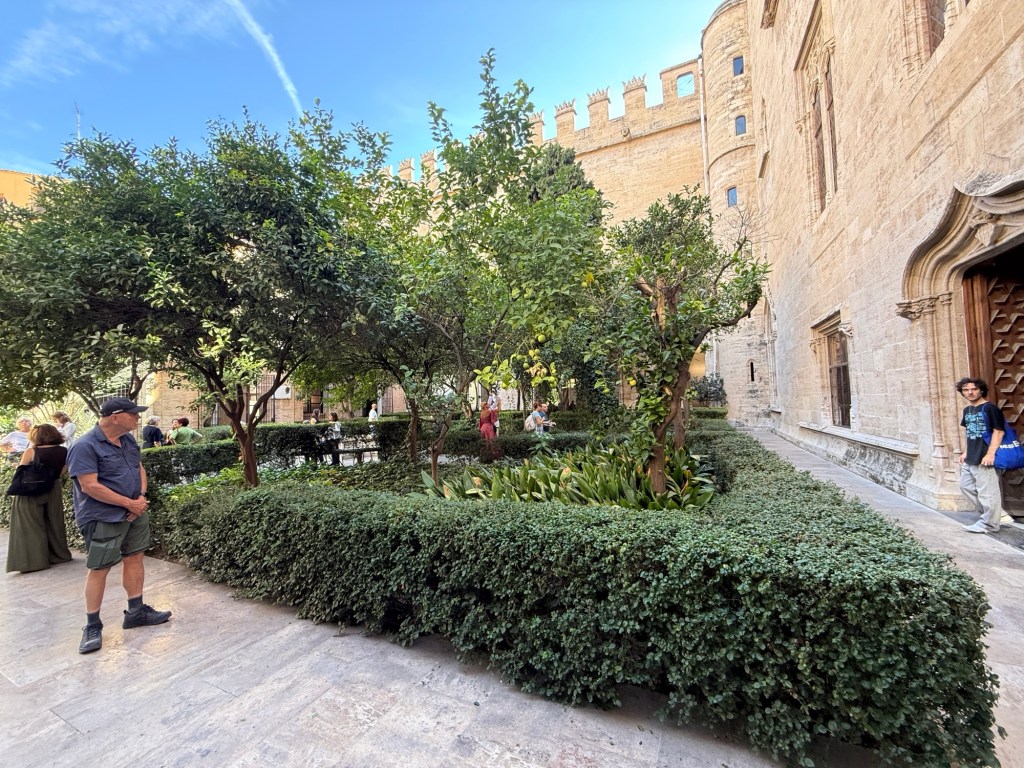
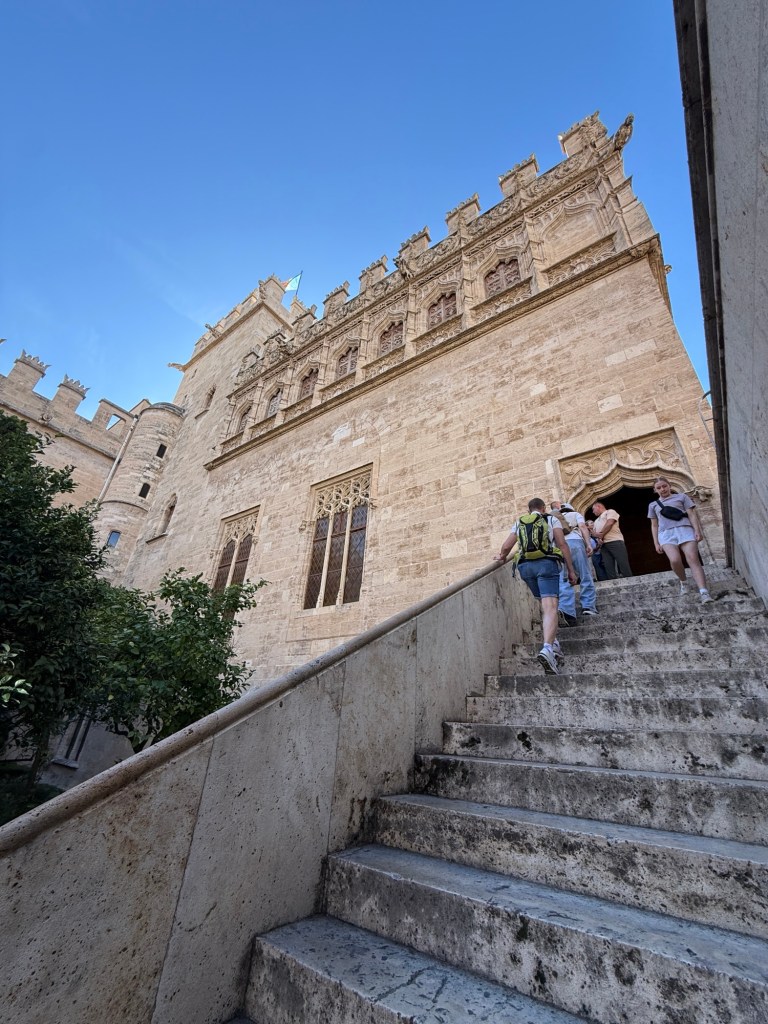
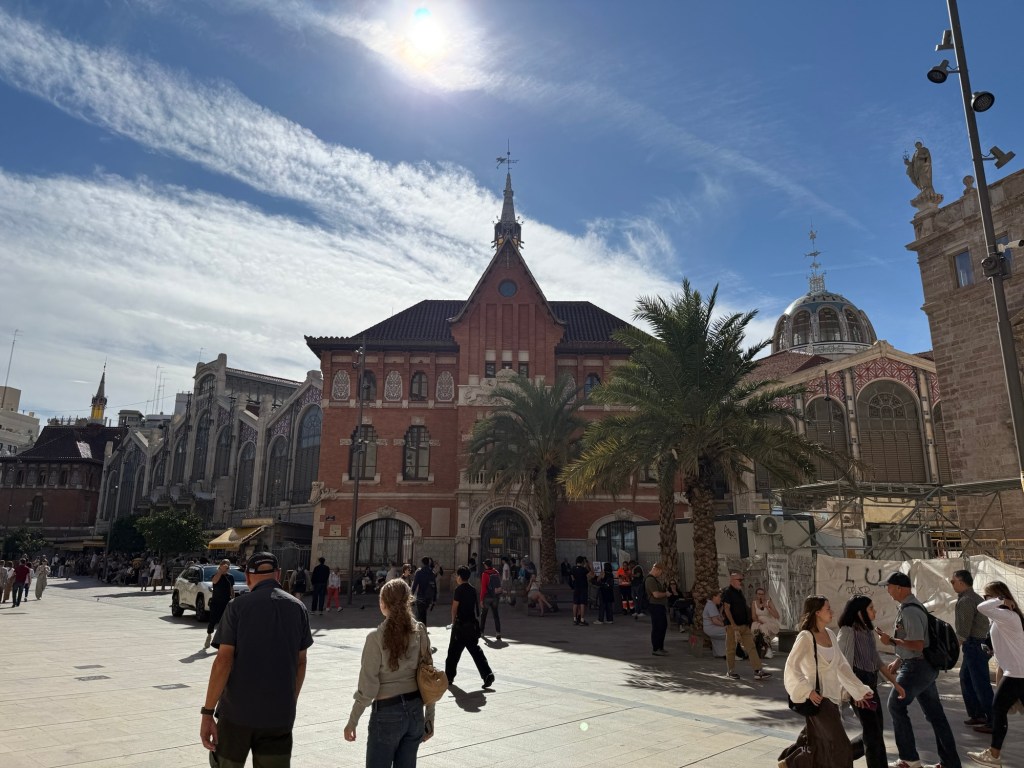
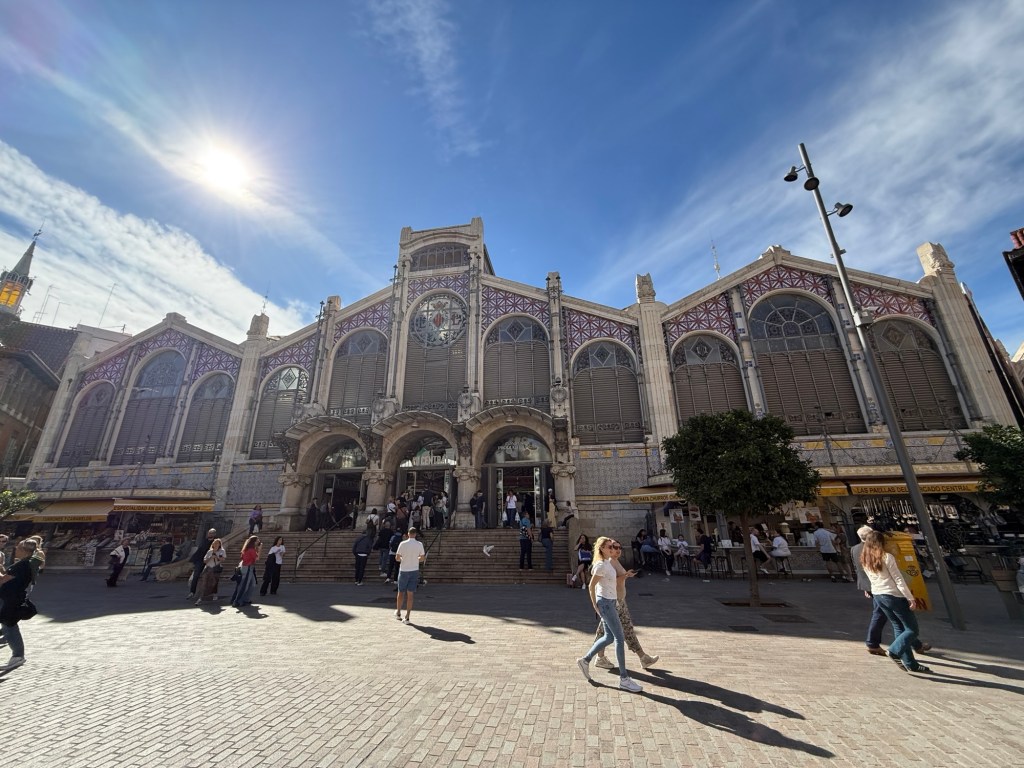
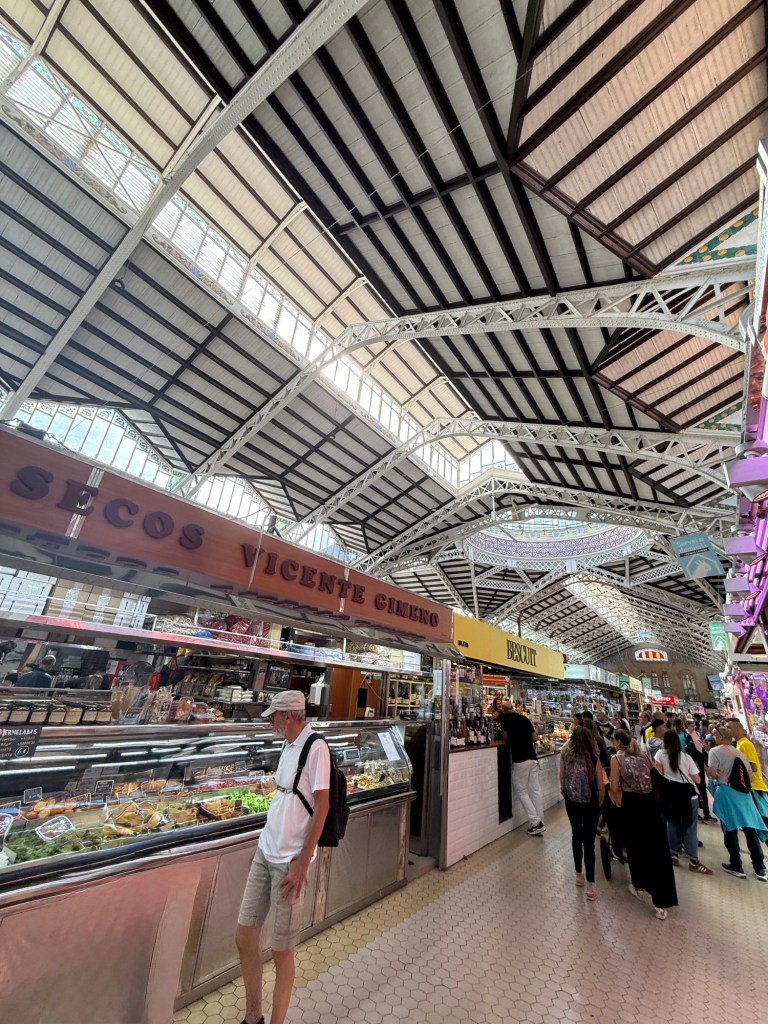
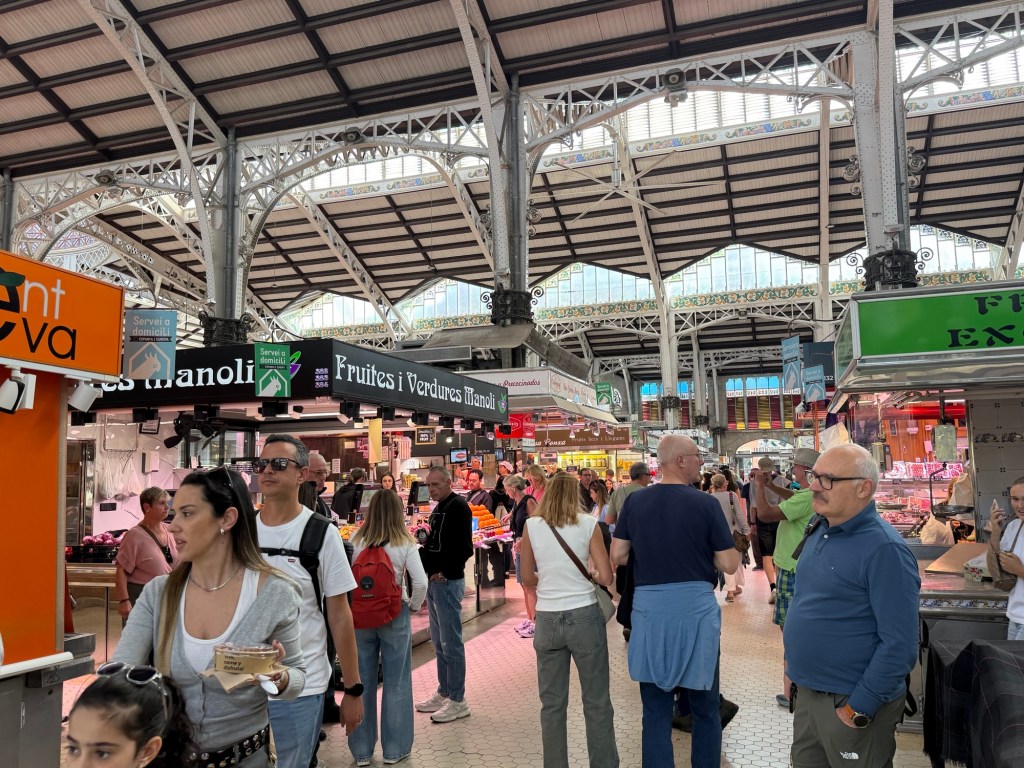
Next: Central Market of Valencia, with over 1,000 stalls it’s ranked amongst the largest indoor food markets in Europe.
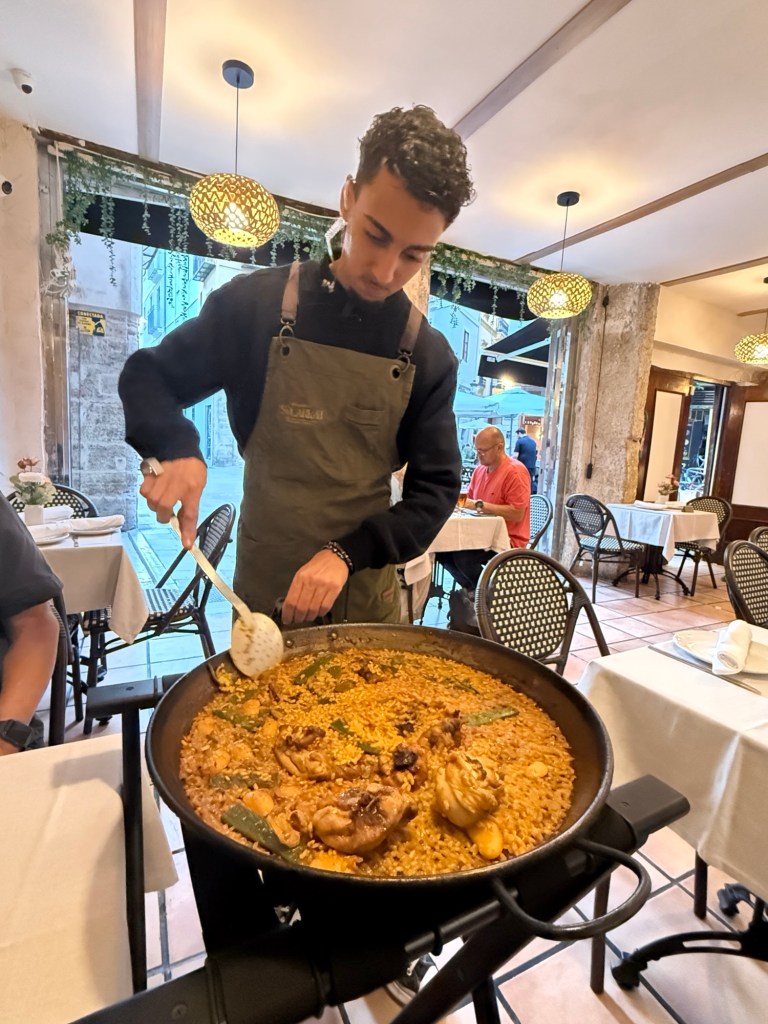
Paella originated in the Valencian Community, specifically in the rural countryside surrounding the Albufera lagoon, just south of the city. It started as a midday meal for farmers and field workers who cooked over open wood fires.
The word paella comes from the Old Valencian and Latin word patella, which means a shallow pan or skillet. Over time, the name of the cooking pan became the name of the dish itself.
Valencia, traditional paella is made with local ingredients such as chicken, rabbit, green beans and garrafó (lima) beans, and many of the best restaurants still cook it over a wood fire.
The Socarrat: Traditional cooking creates a toasted, caramelized crust of rice at the bottom of the pan known as the socarrat.