We spent most of today sightseeing in Cordoba’s Old Town. Our hotel is about a 1.5km walk from the Old Town and we went via the train station this morning to change our train tickets to Seville later this week as our scheduled trip has been cancelled.
I found this great website when planning our itinerary and it addressed so many questions and provided sensible and useful information… it should be used as a template for all cities! https://www.explorecordoba.com/search
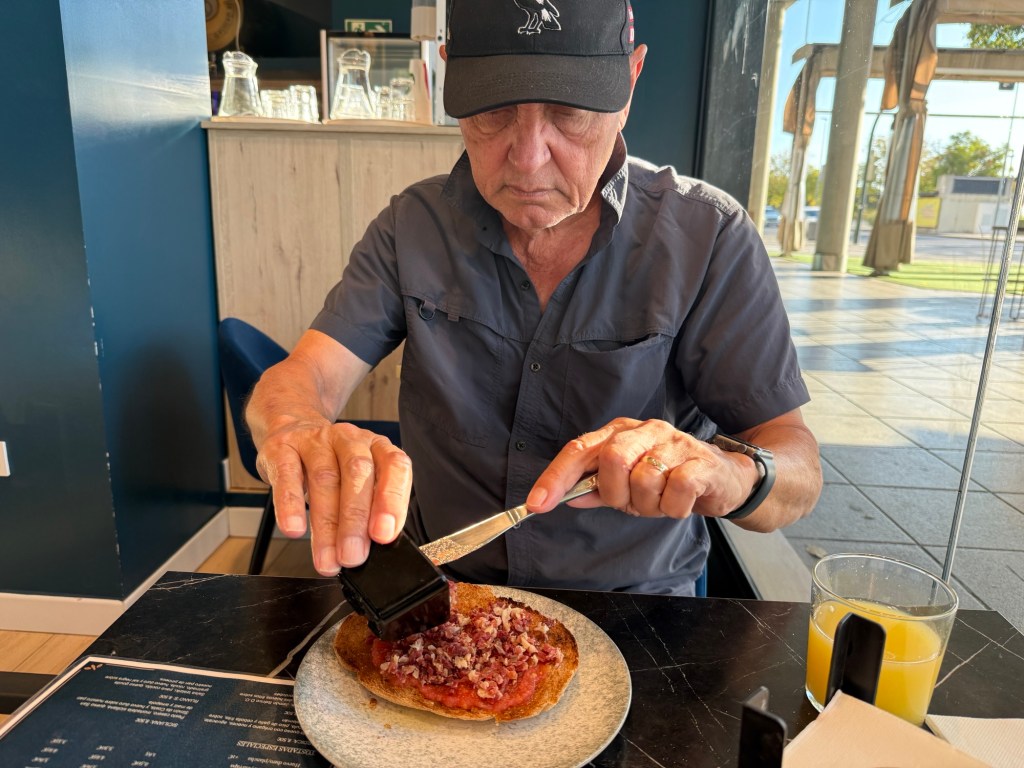
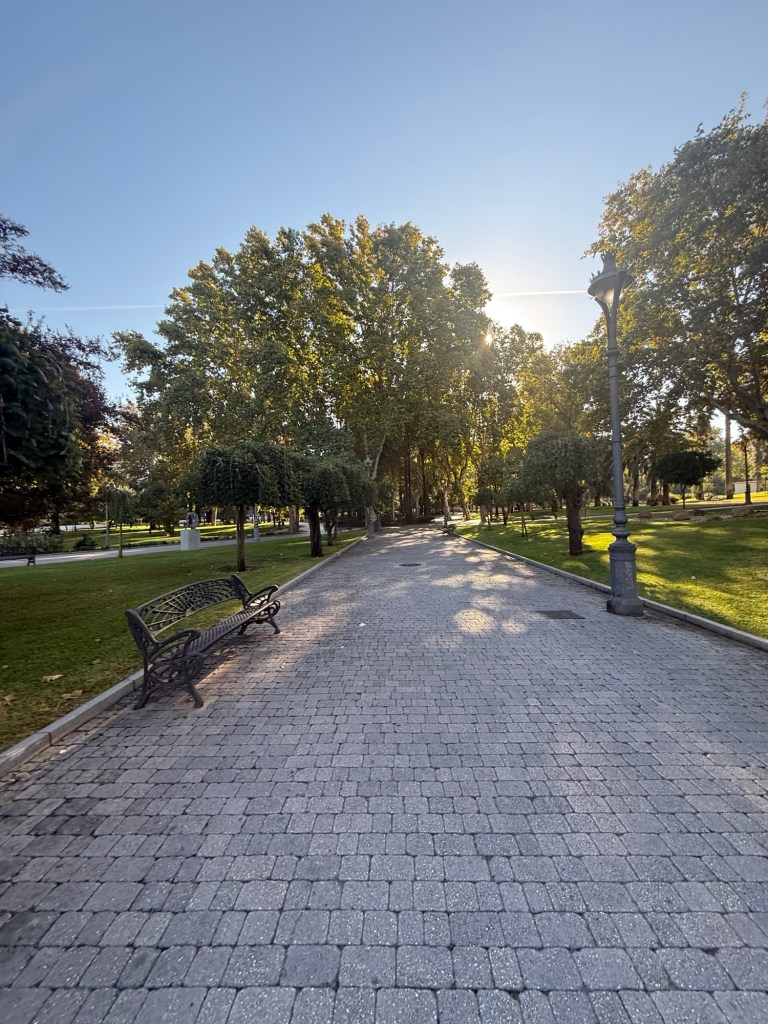
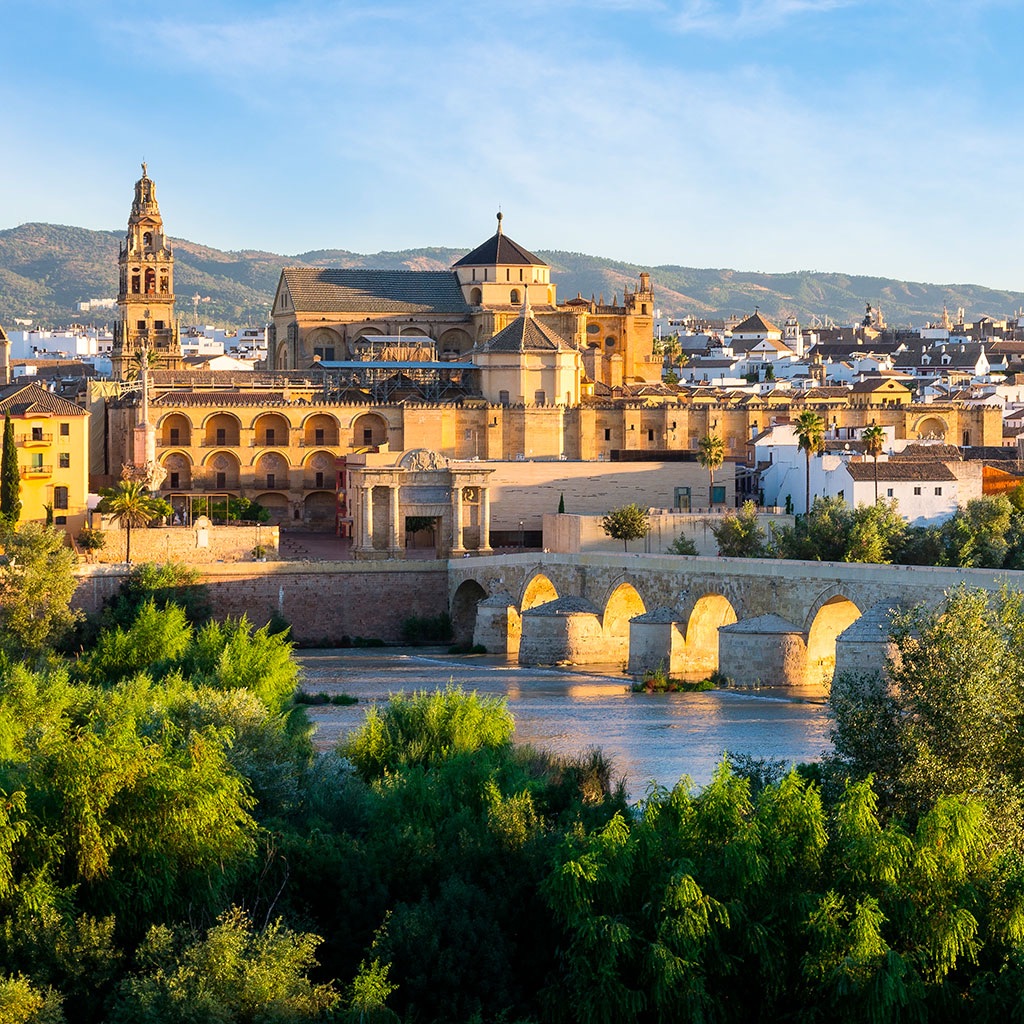
Breakfast… adding his diced jamon to his tosta con tomateTrain tickets sorted we headed to the Old Town via the Jardines de la AgriculturaFirst stop: Mosque-Cathedral Monumental Site of Córdoba (Mezquita-Catedral de Córdoba). Photo thanks to Google because the real one is behind scaffolding due to renovations following a major fire in August 2025 and long-term structural conservation projects.
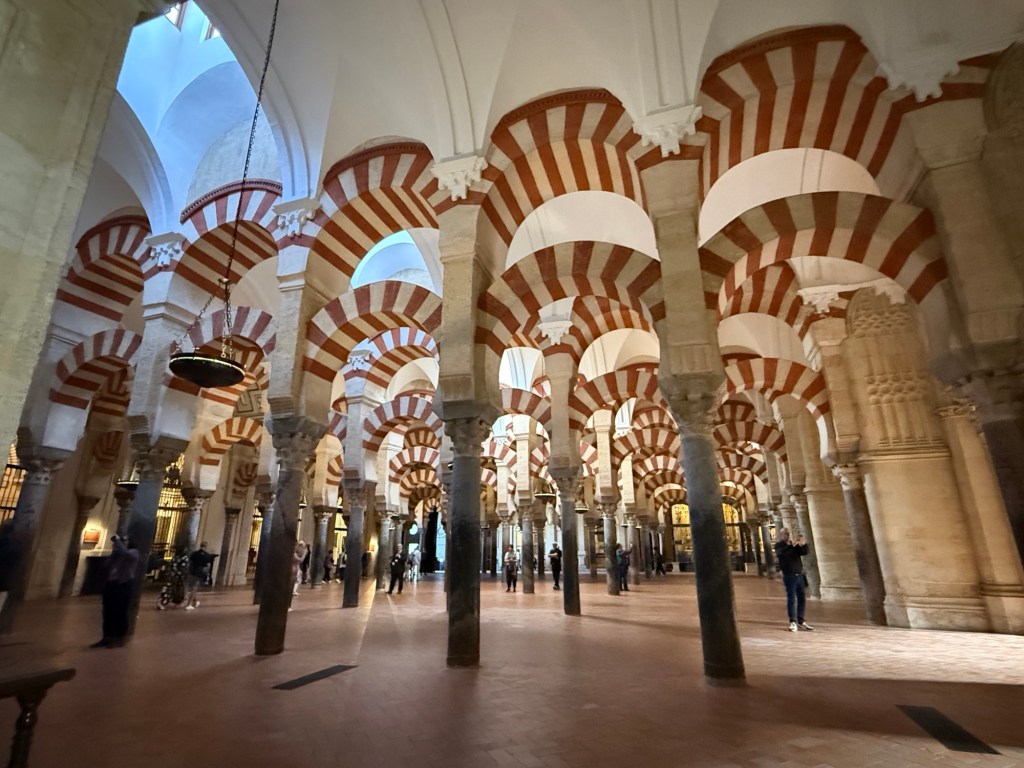
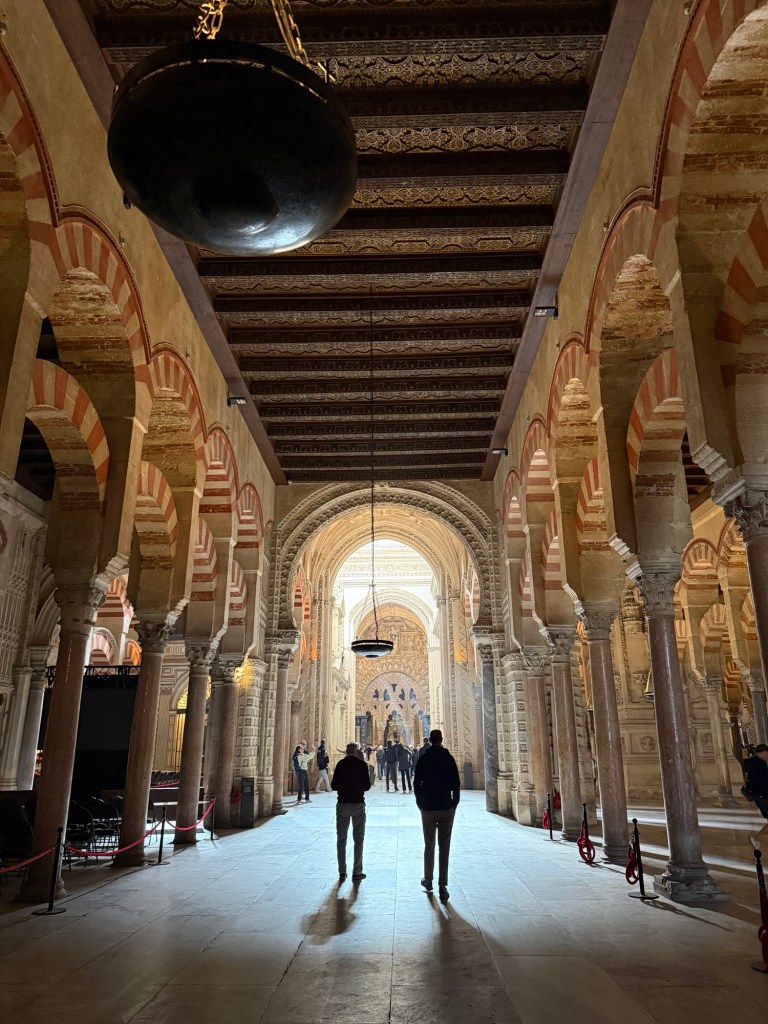
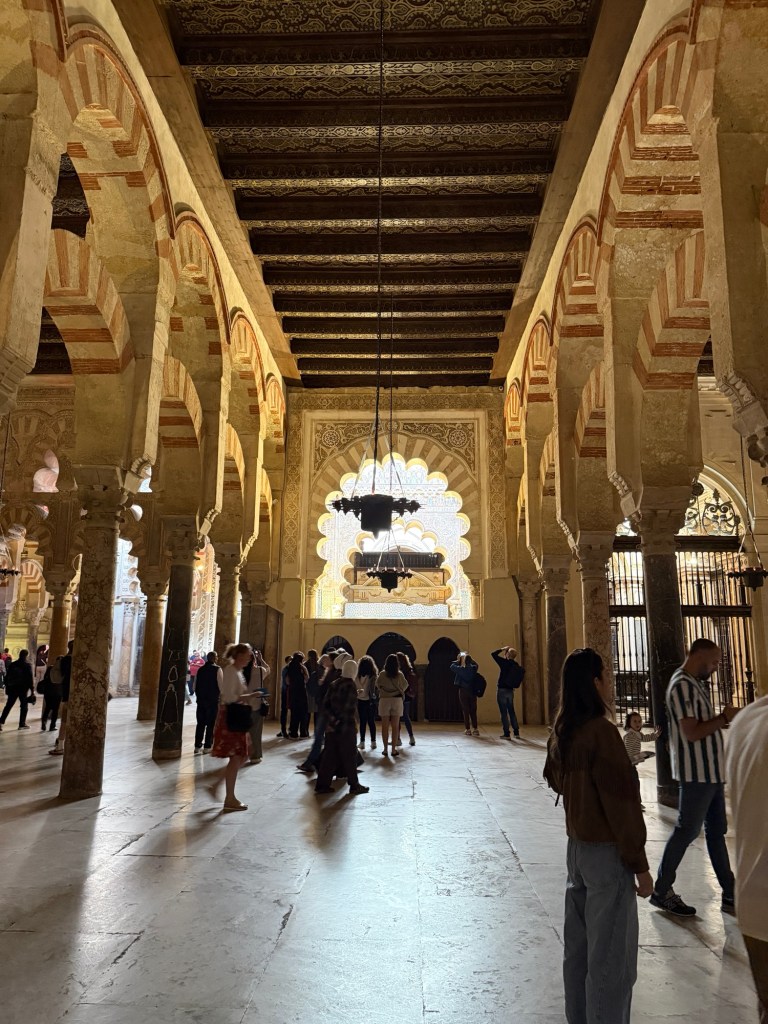
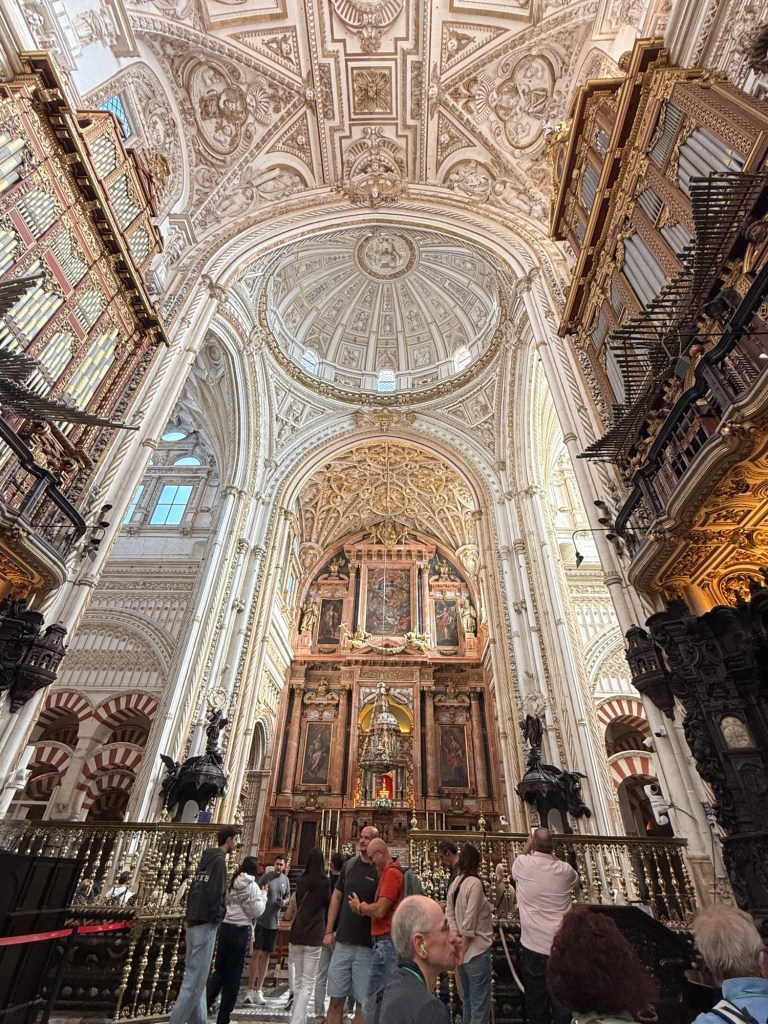
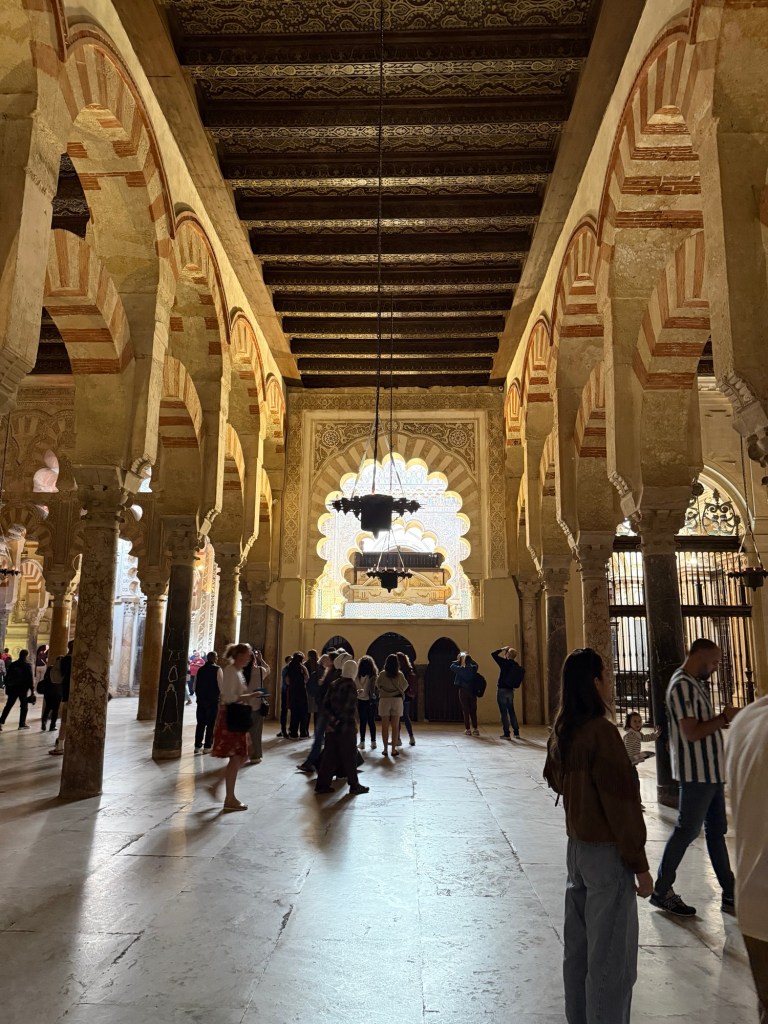
About the Mosque-Cathedral: Abd al-Rahman I began construction in 784 on the site of the Visigoth church of Saint Vincent. Four successive caliphal expansions produced the forest of 856 columns in jasper, marble, and onyx, topped by double arches of alternating red brick and white limestone — the defining visual of Córdoban Moorish style. The Catholic cathedral was inserted into the center in 1523, an intrusion Charles V himself later regretted.
Officially called the Cathedral of Our Lady of the Assumption (Catedral de Nuestra Señora de la Asunción). Due to its status as a former mosque, it is also known as the Mezquita (Spanish for ‘mosque’) and, in a historical sense, as the Great Mosque of Córdoba.
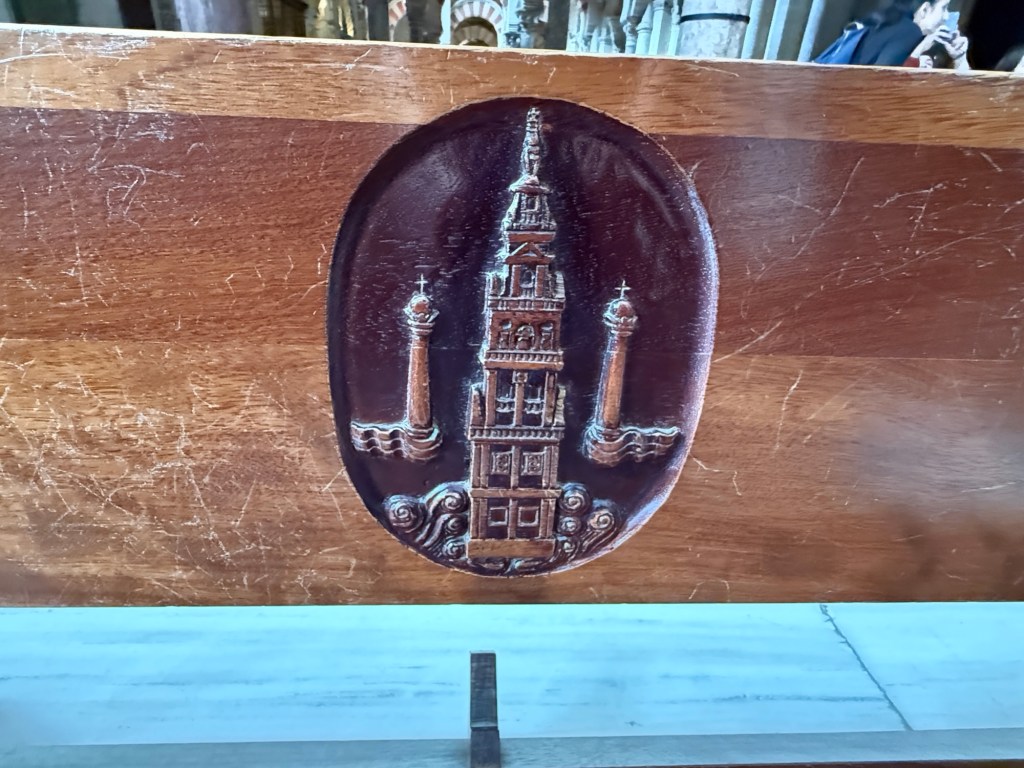
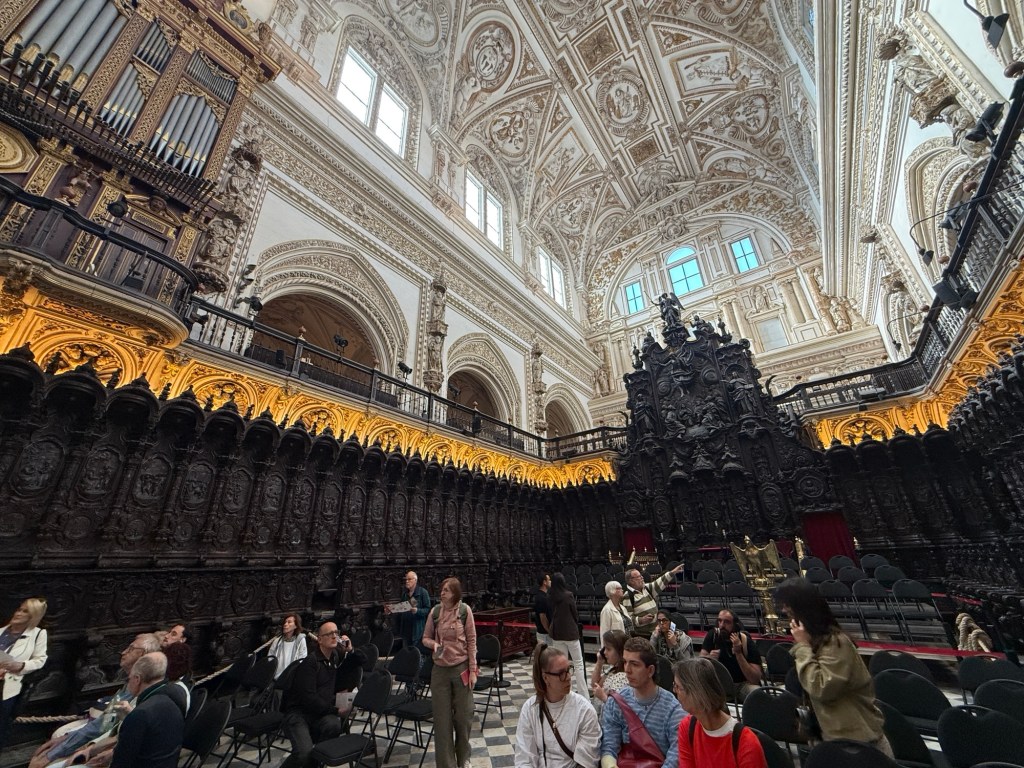
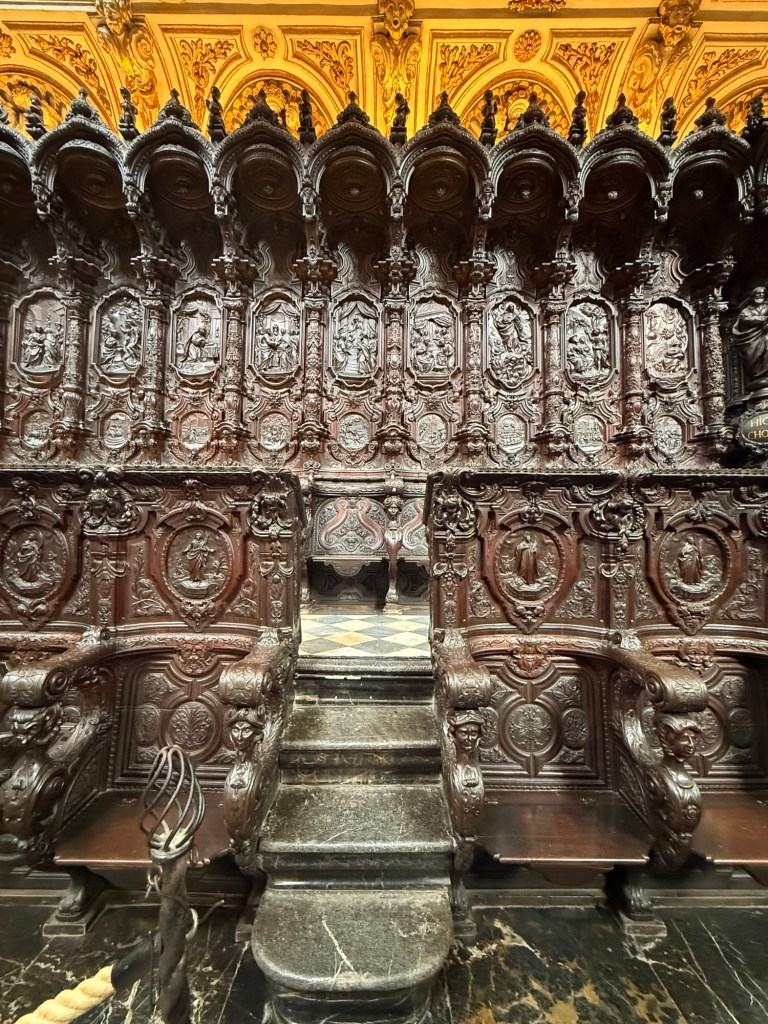
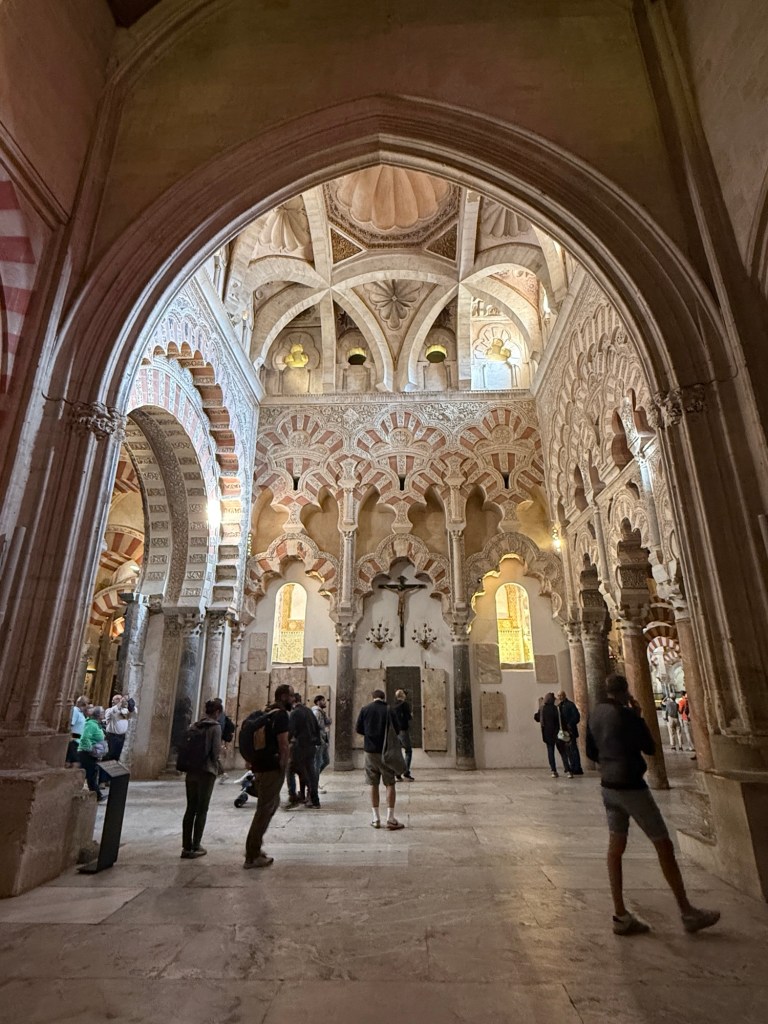
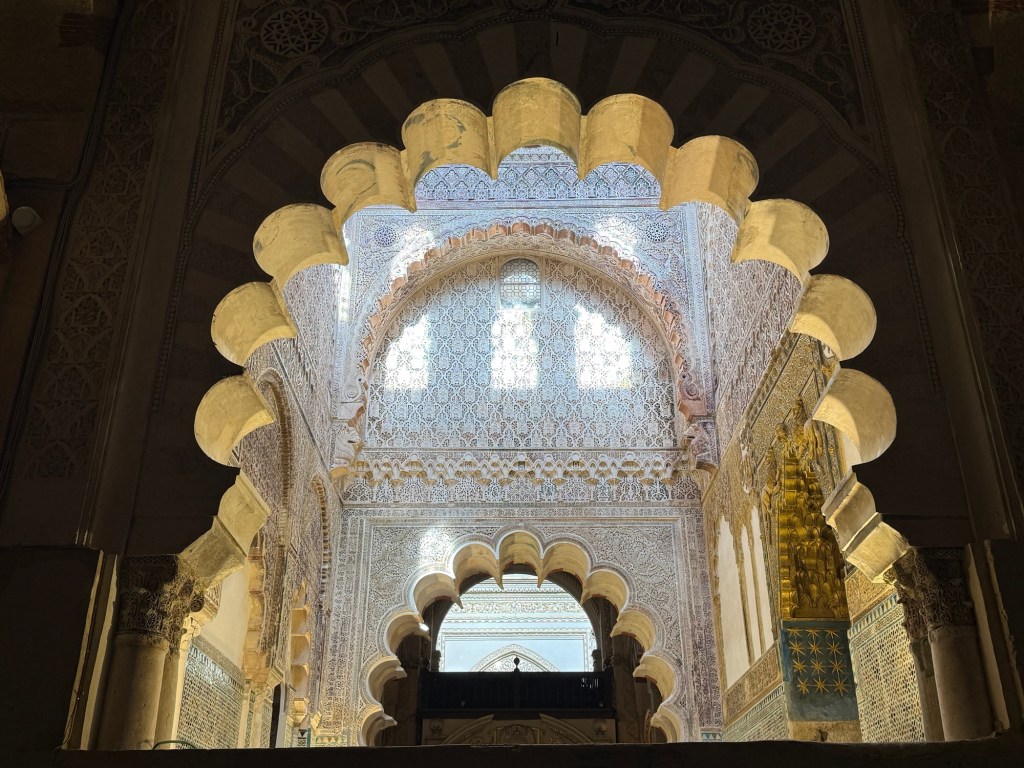
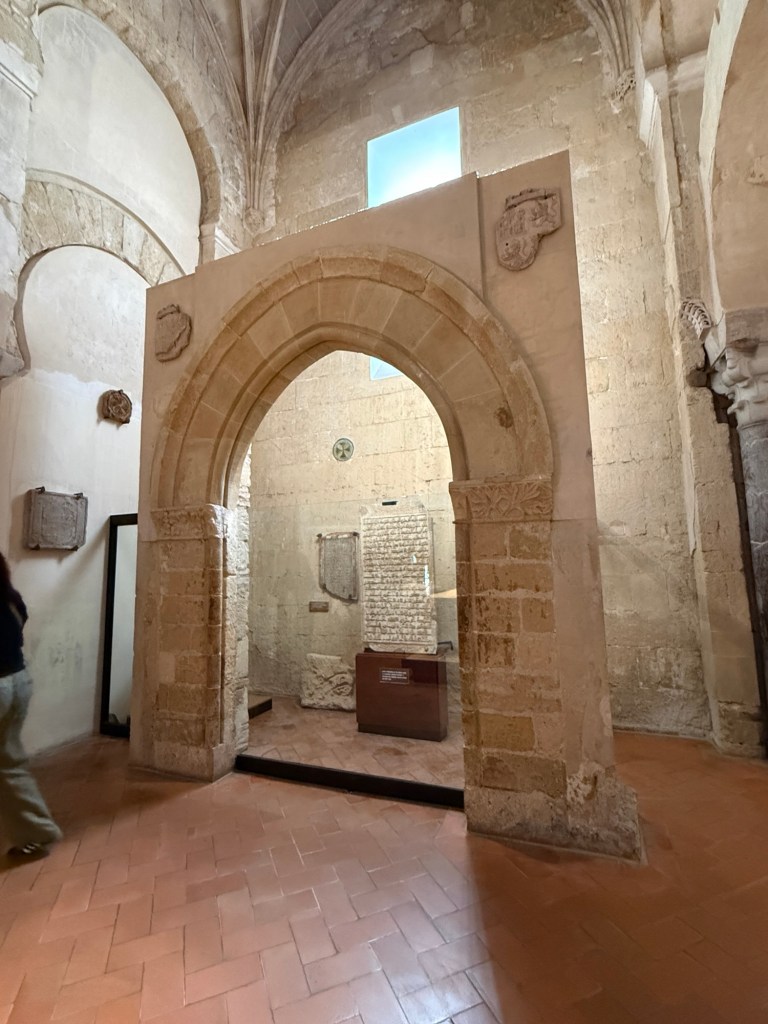
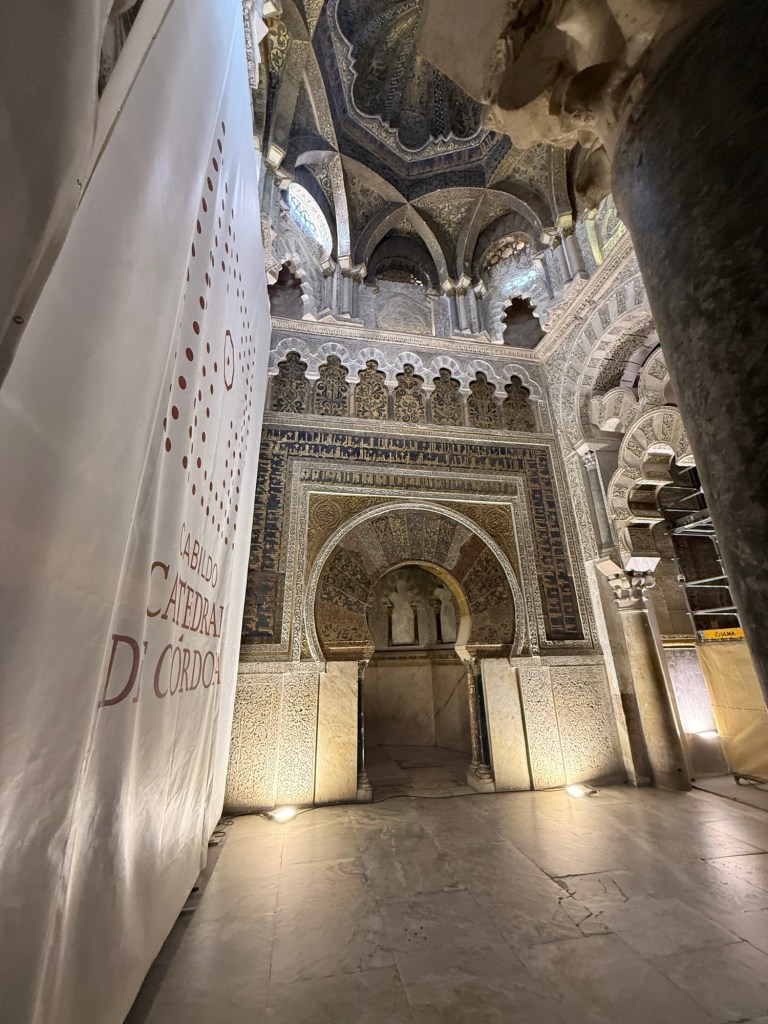
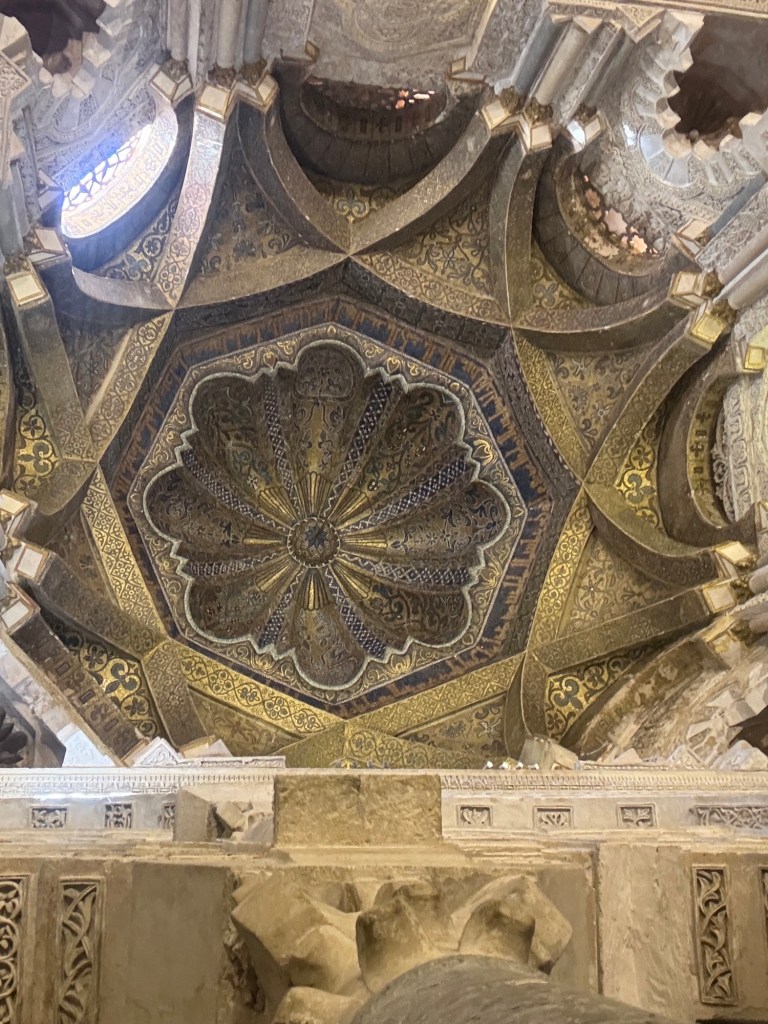
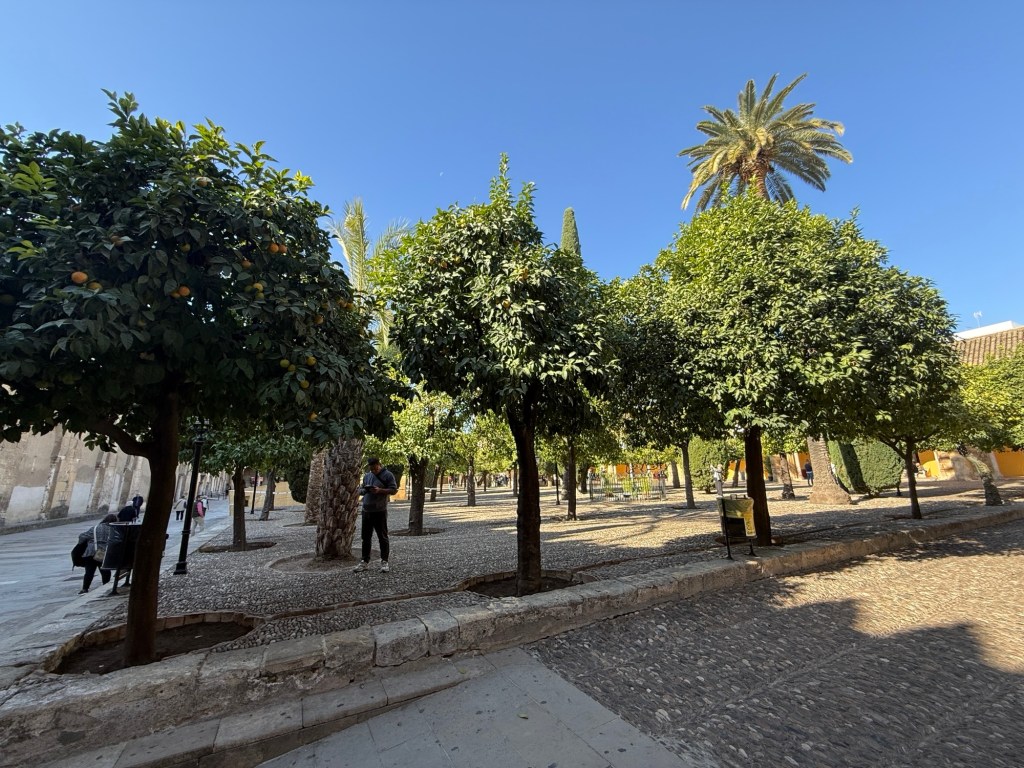
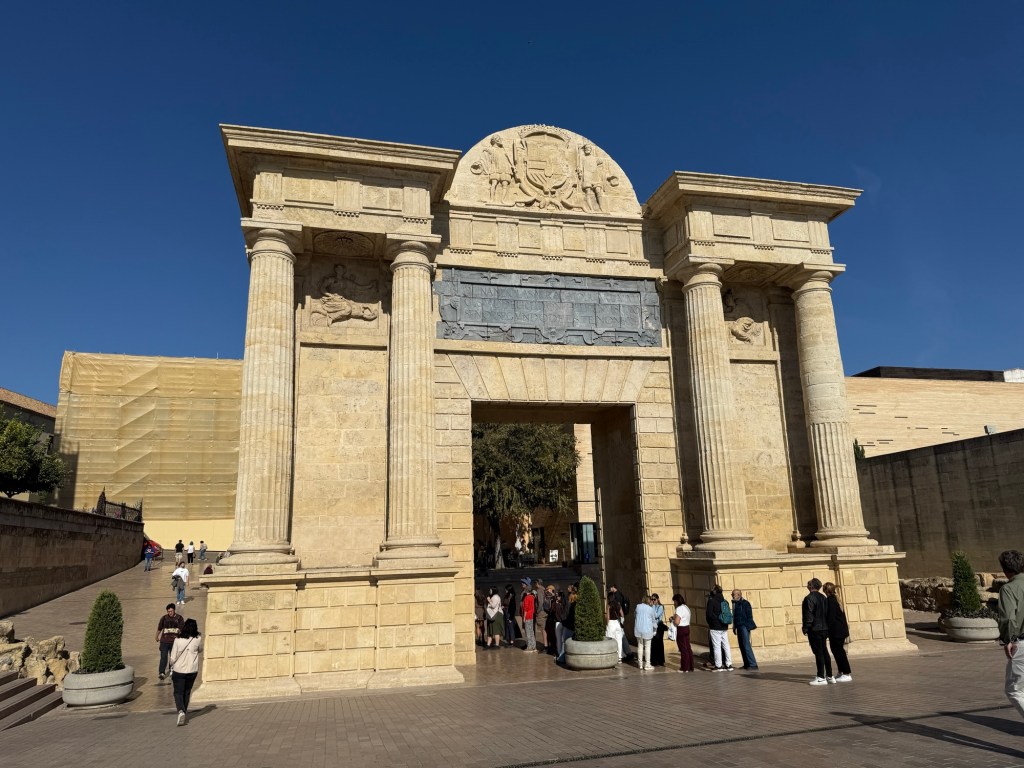
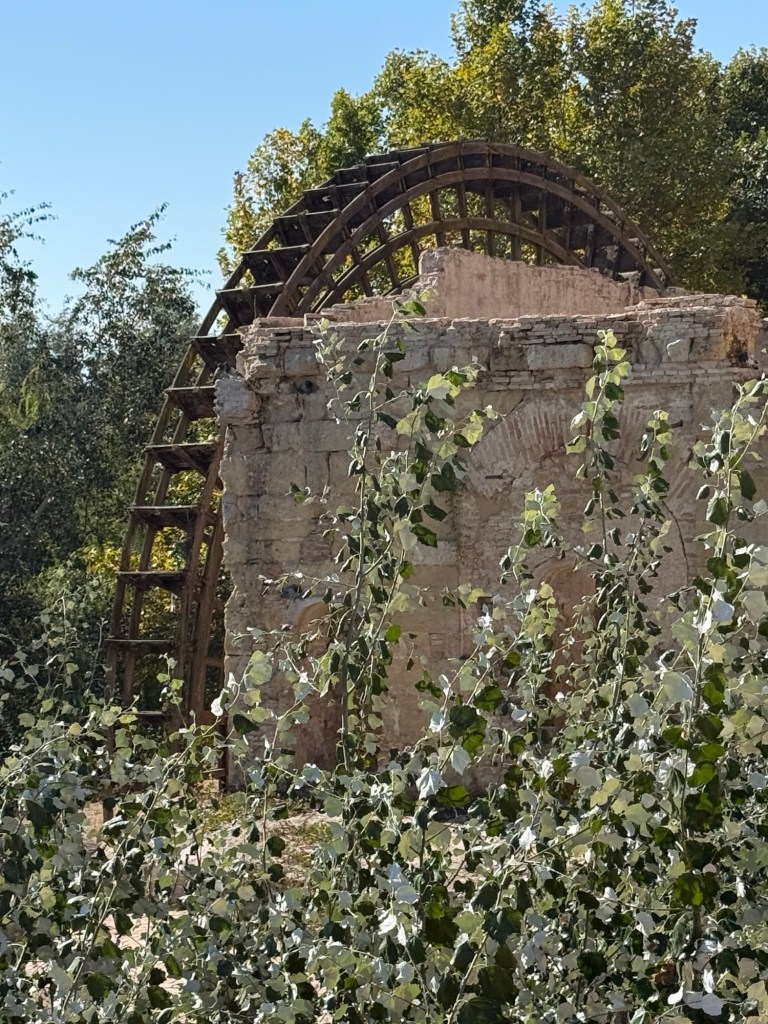
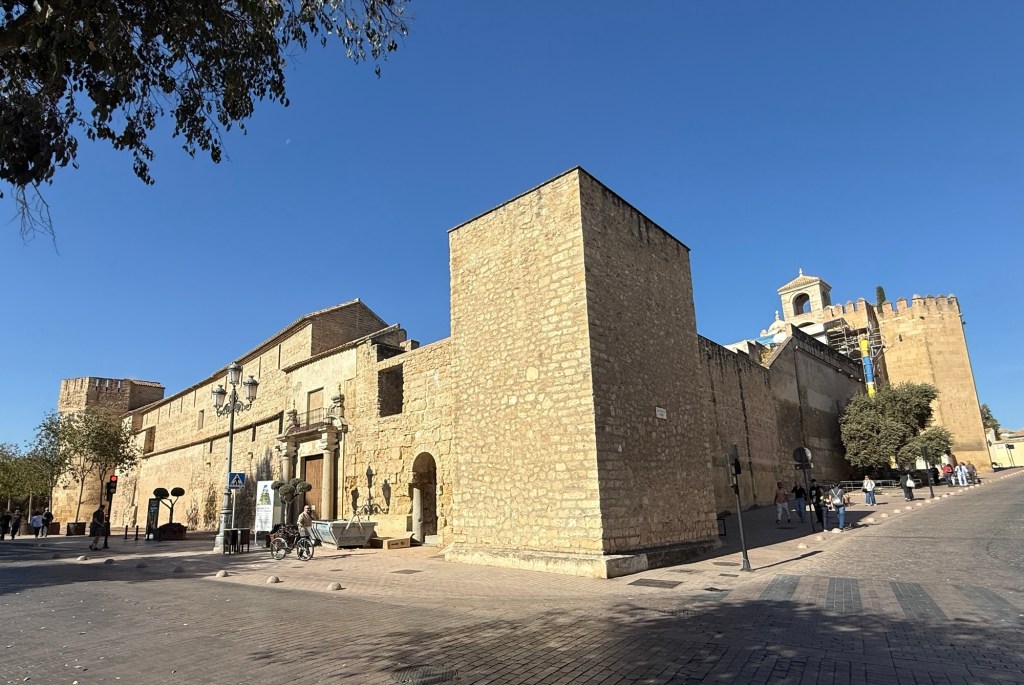
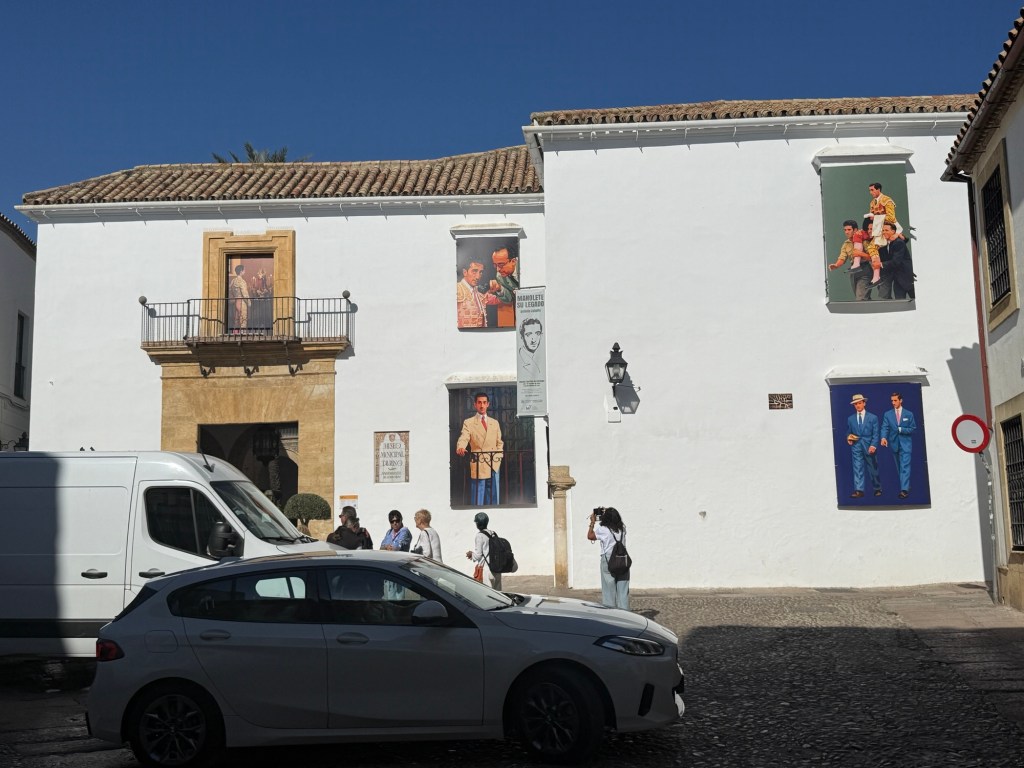
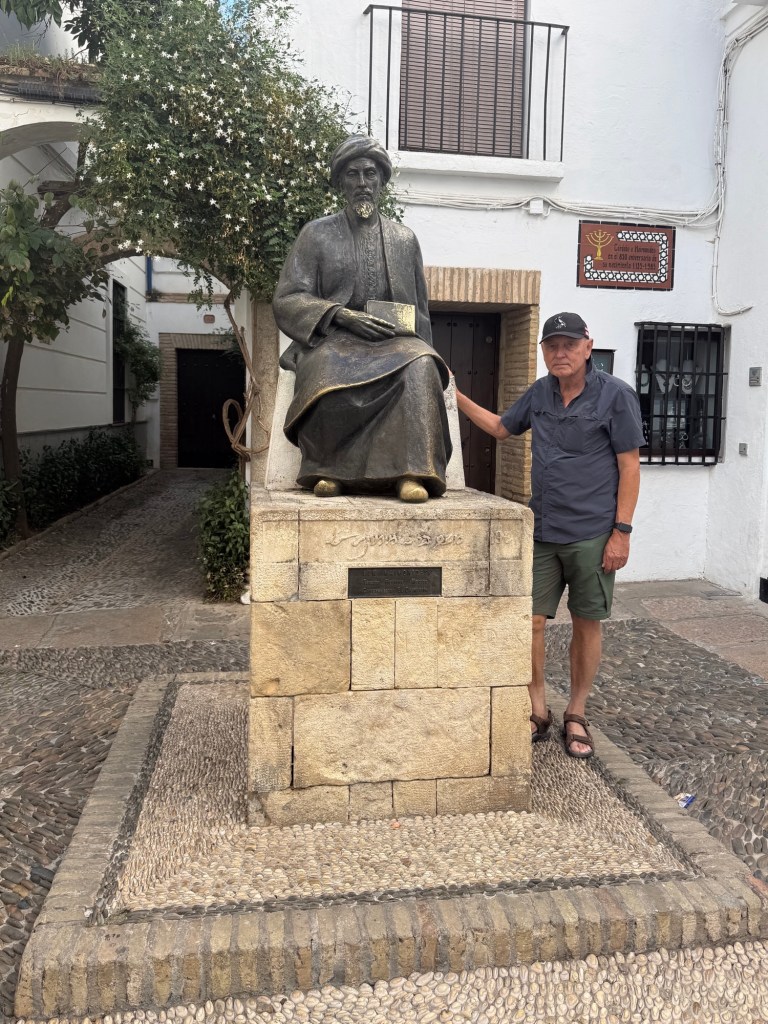
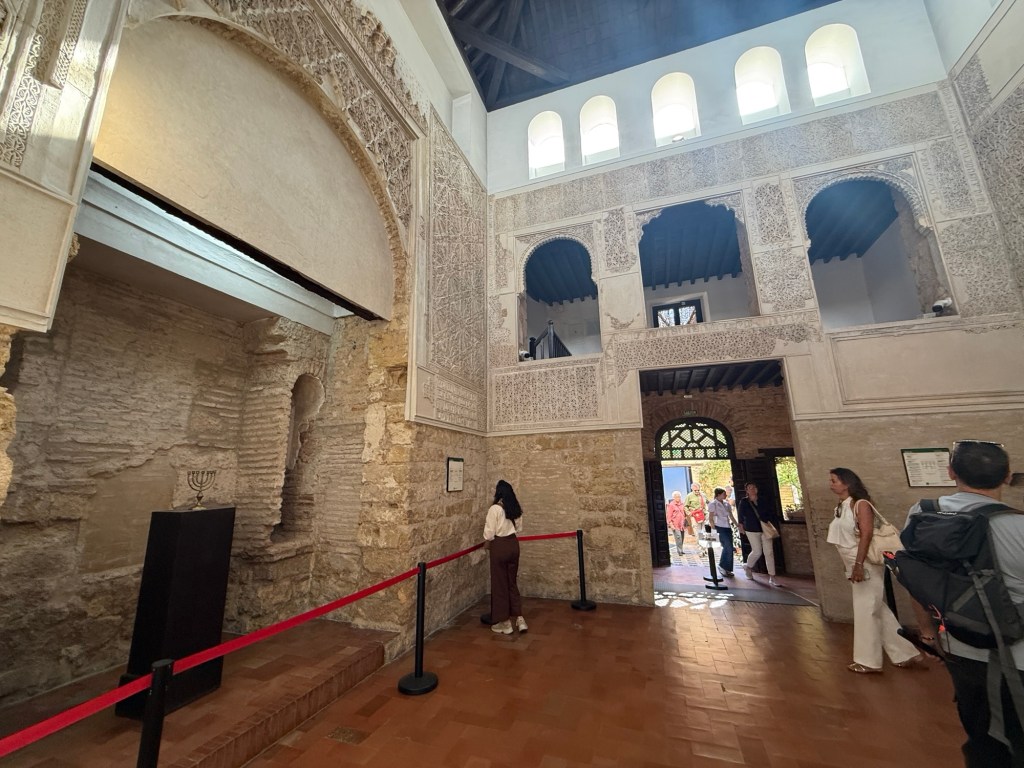
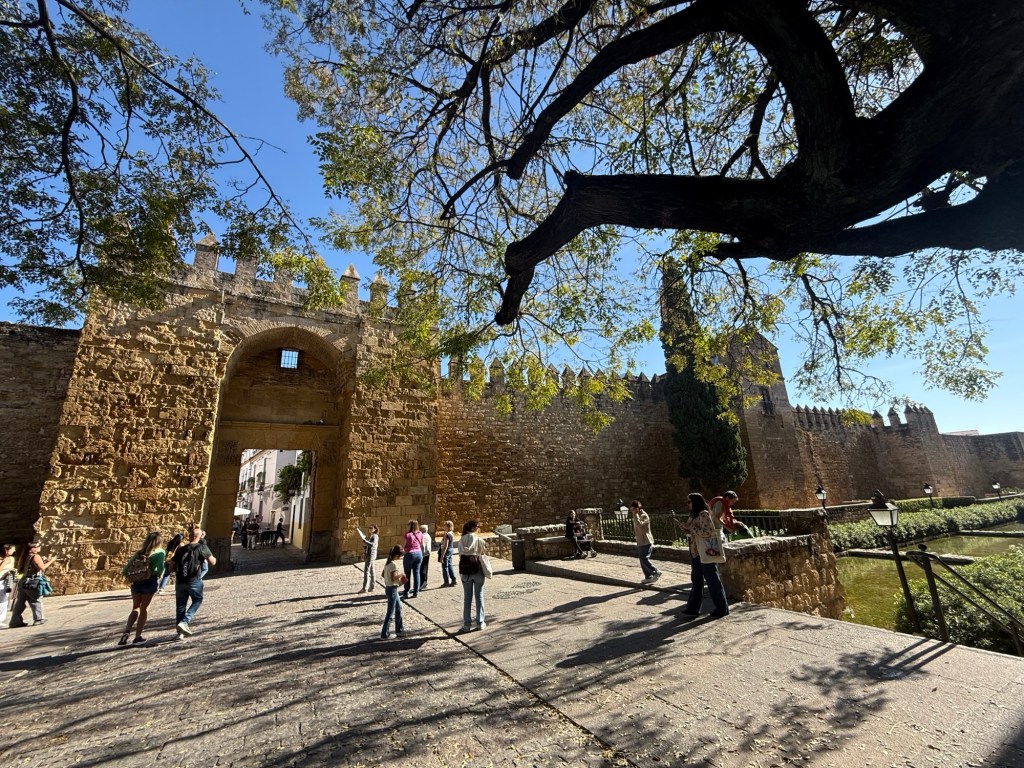
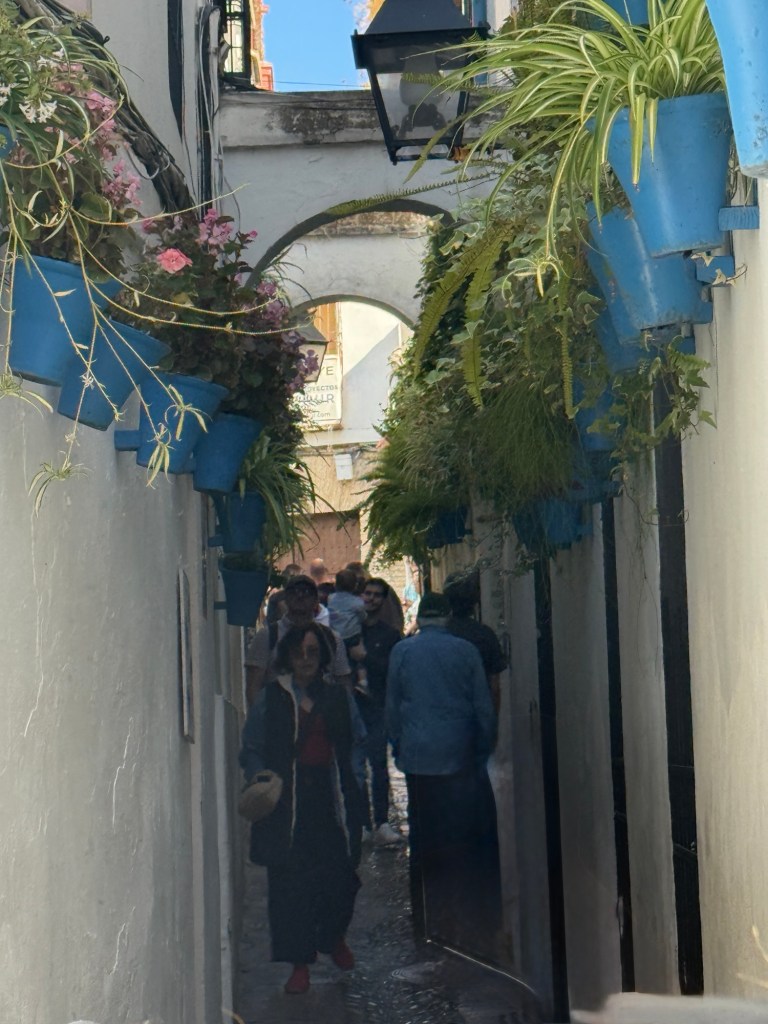
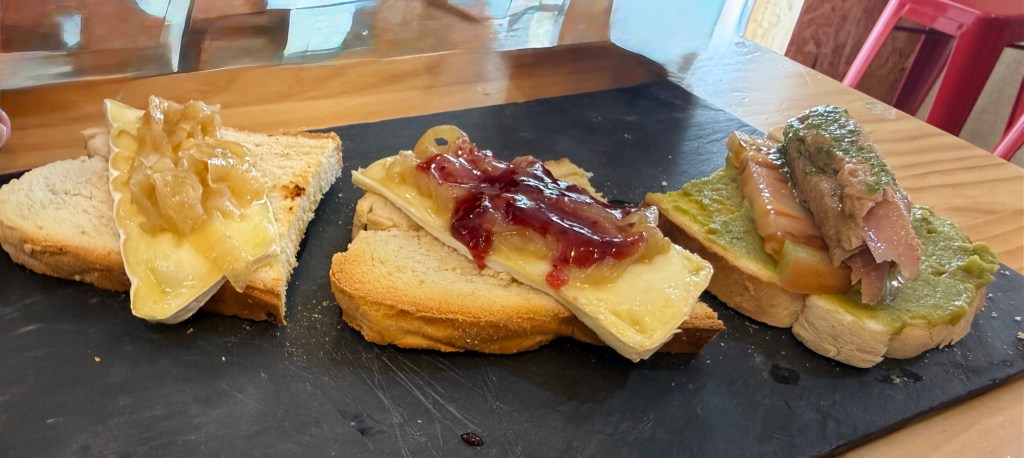
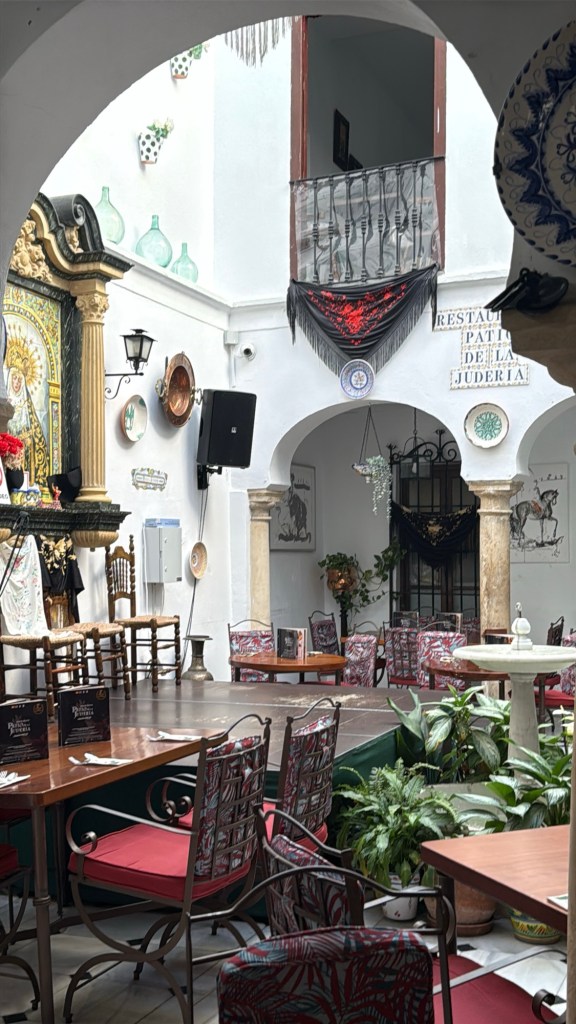
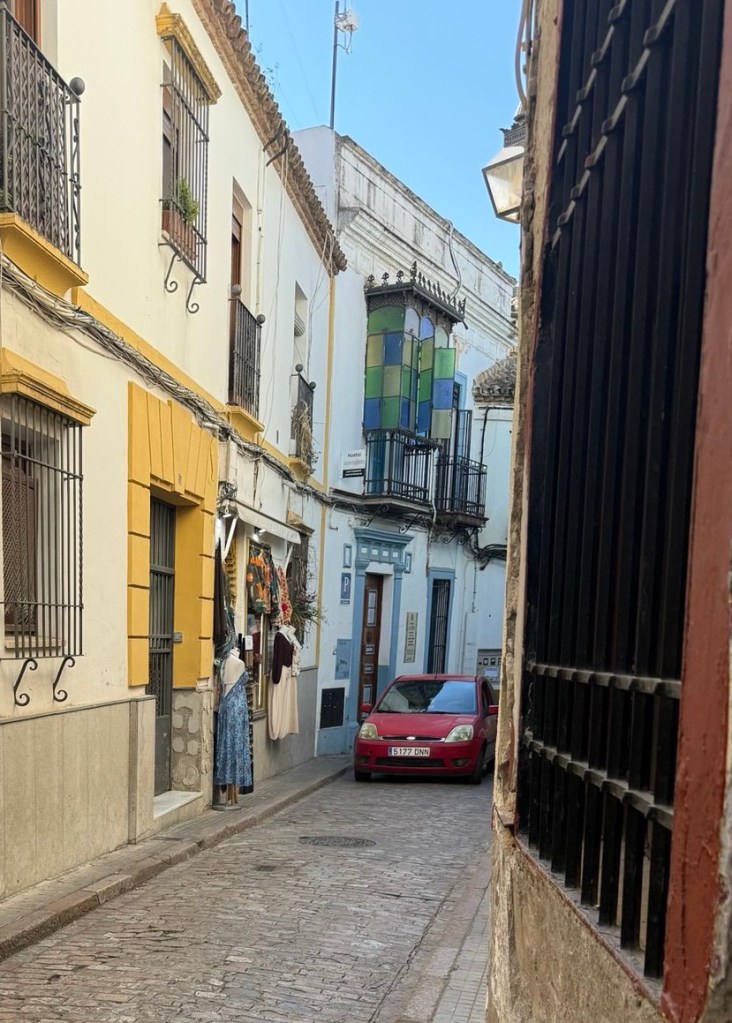
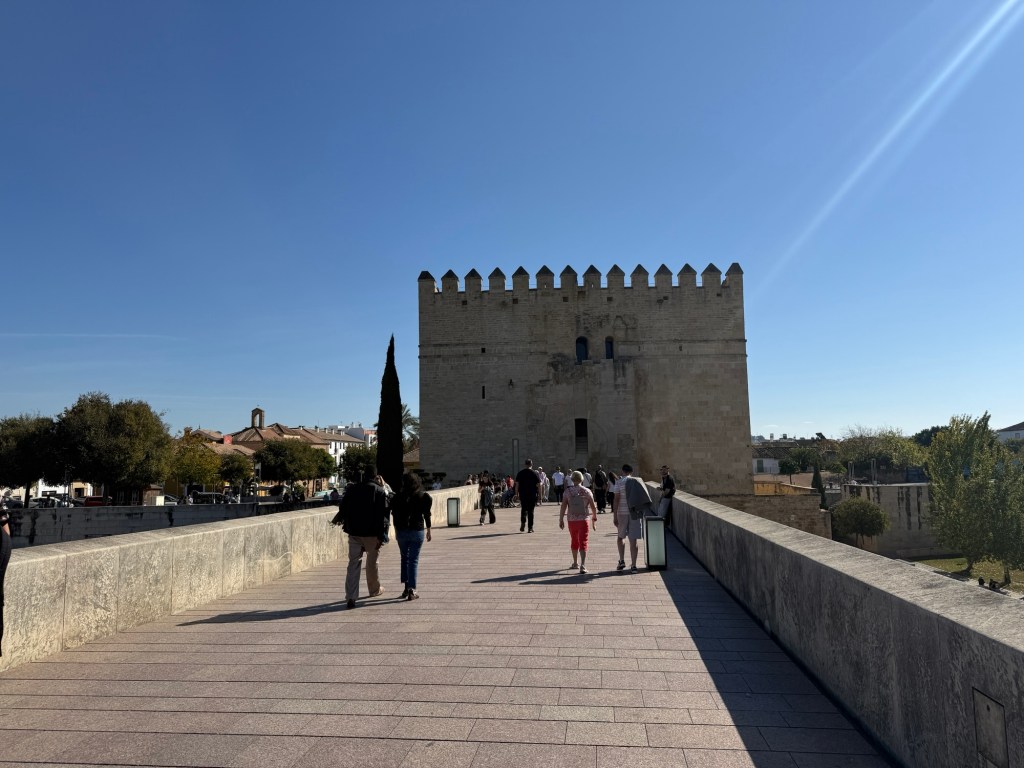
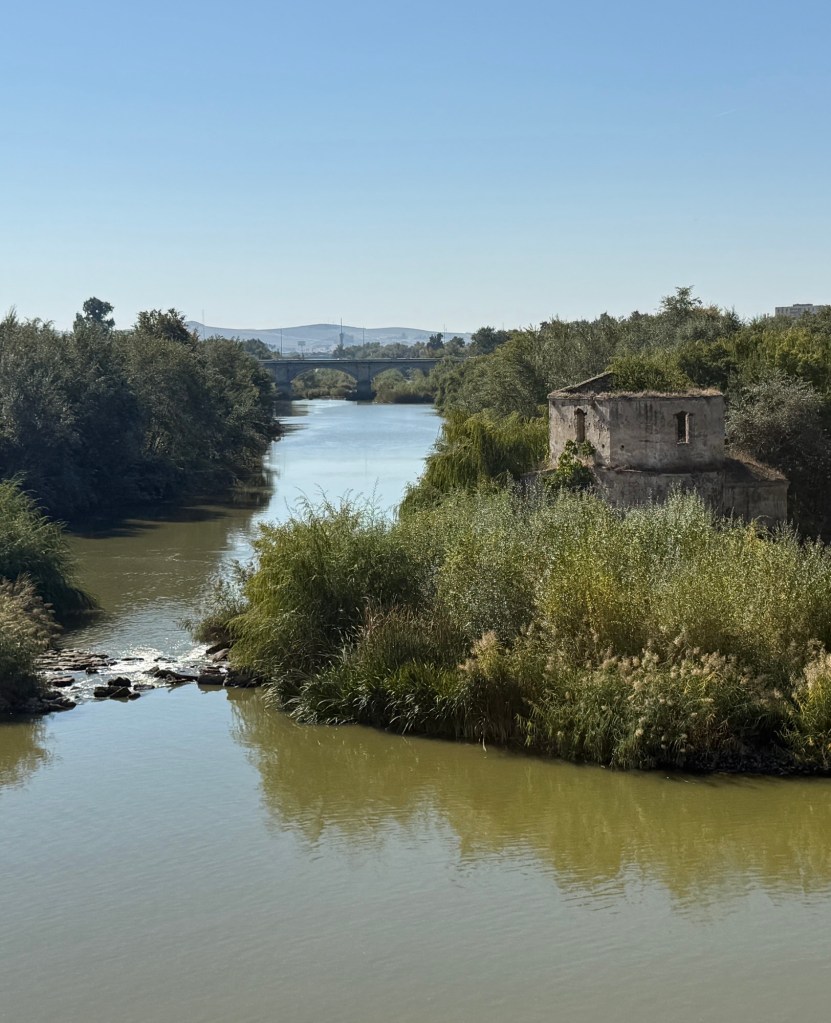
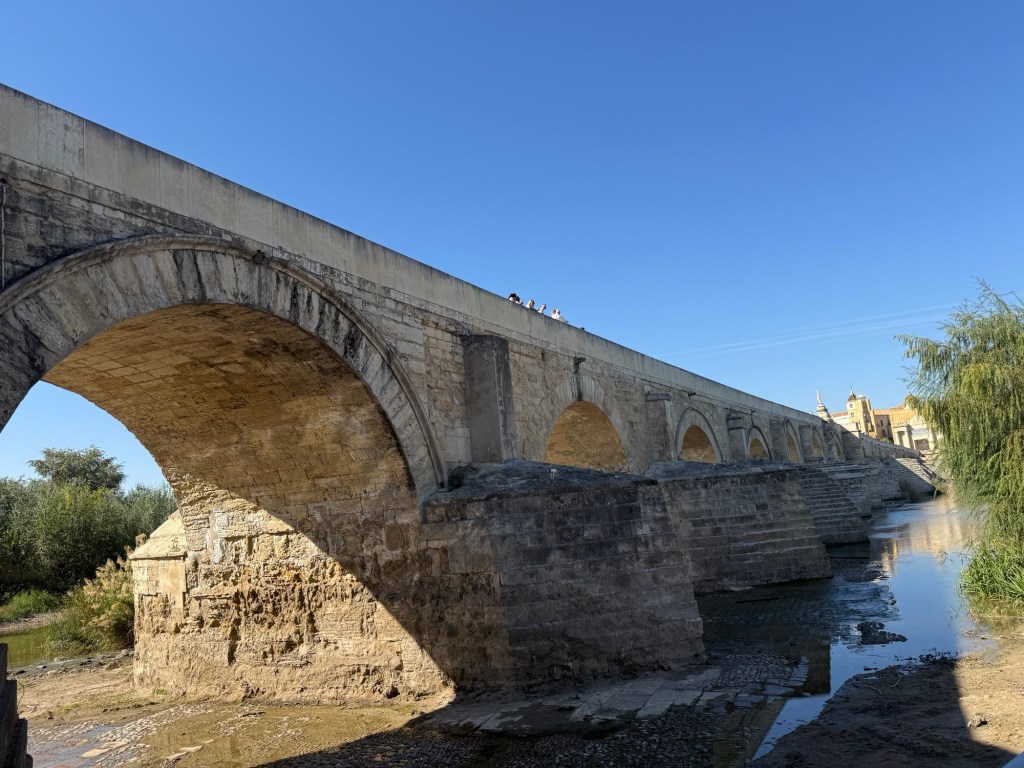
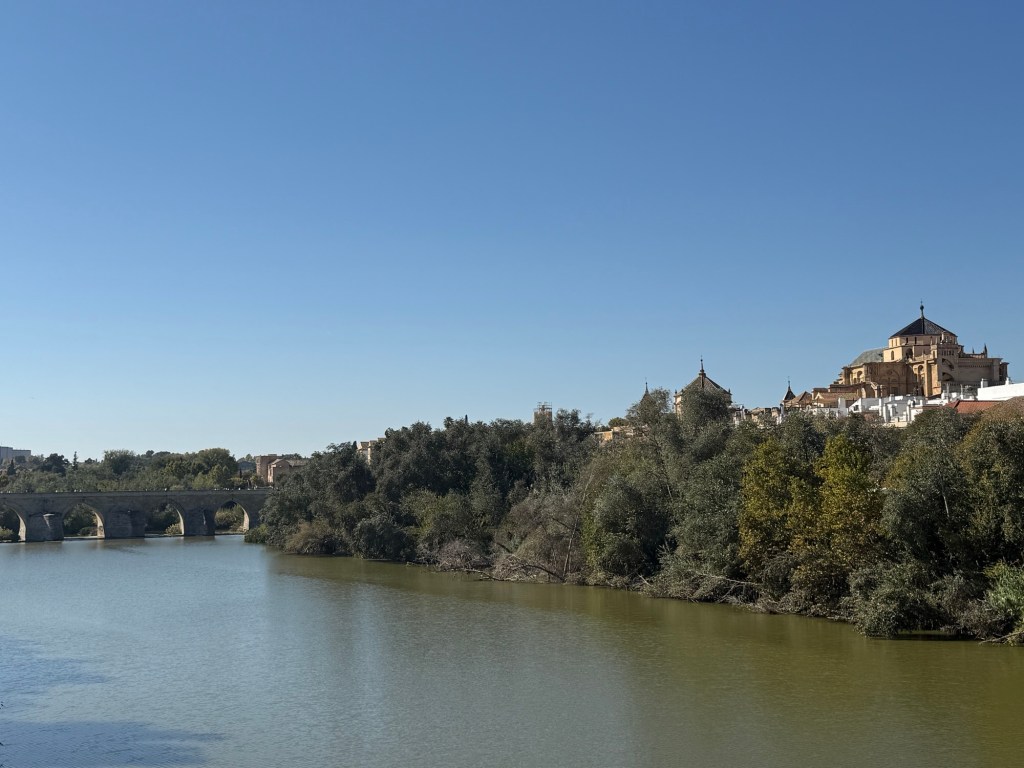
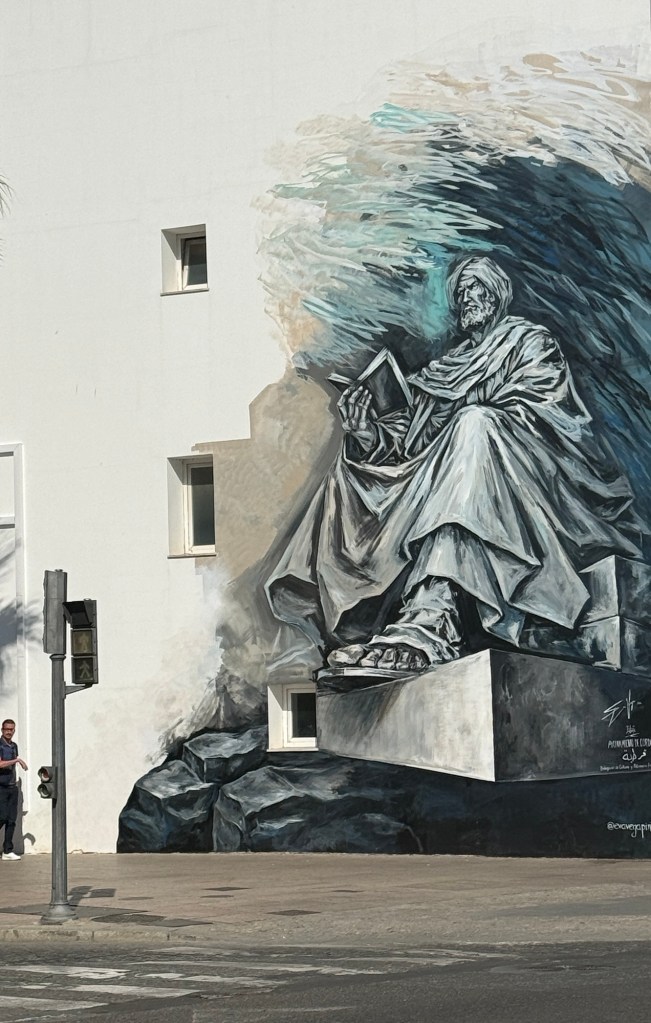
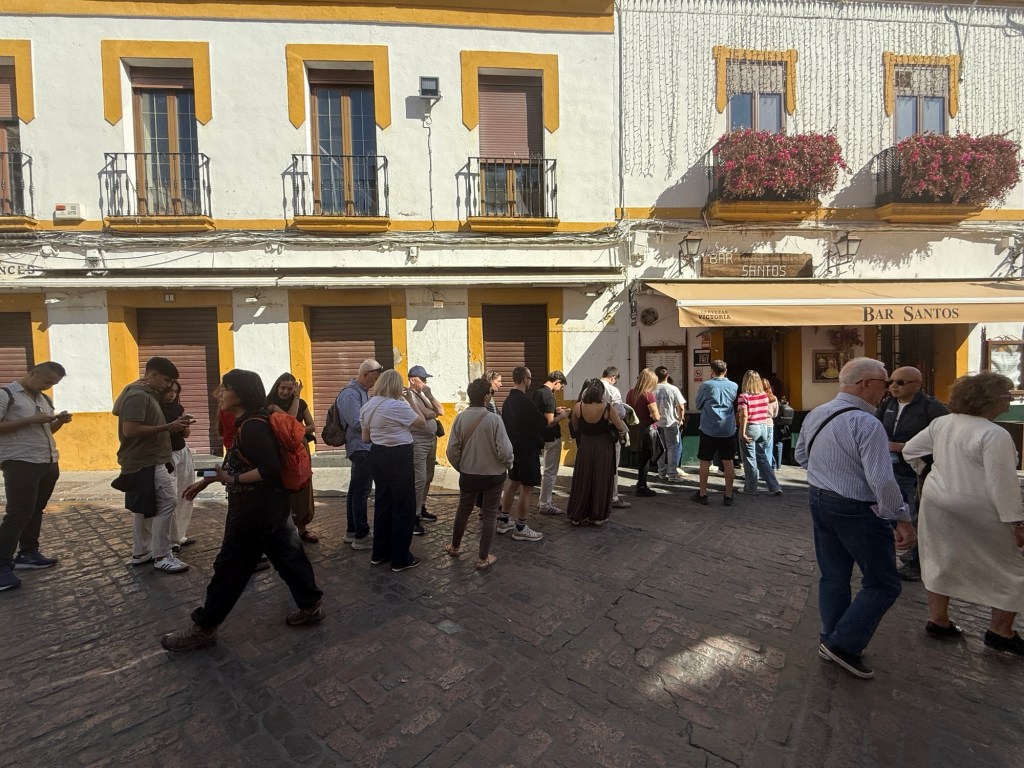
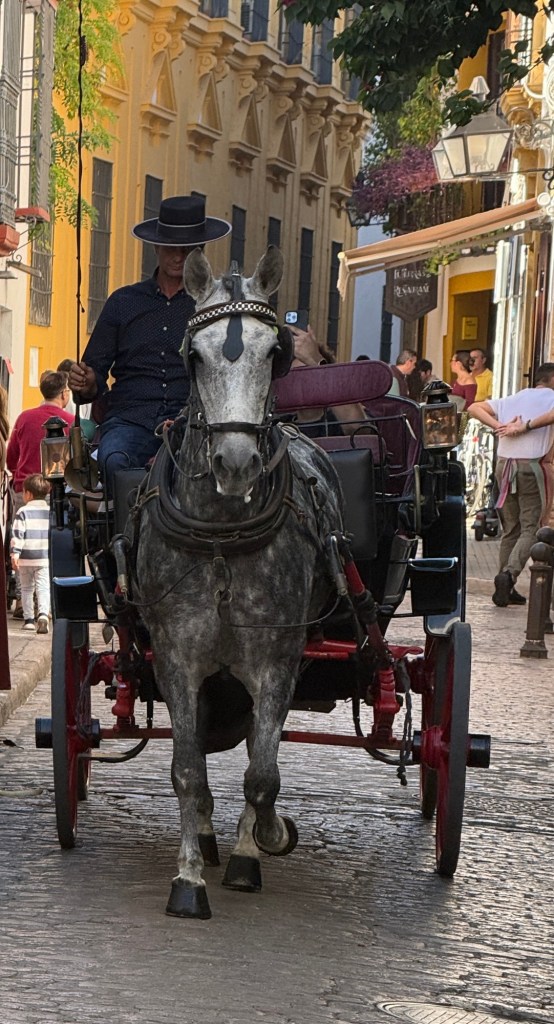
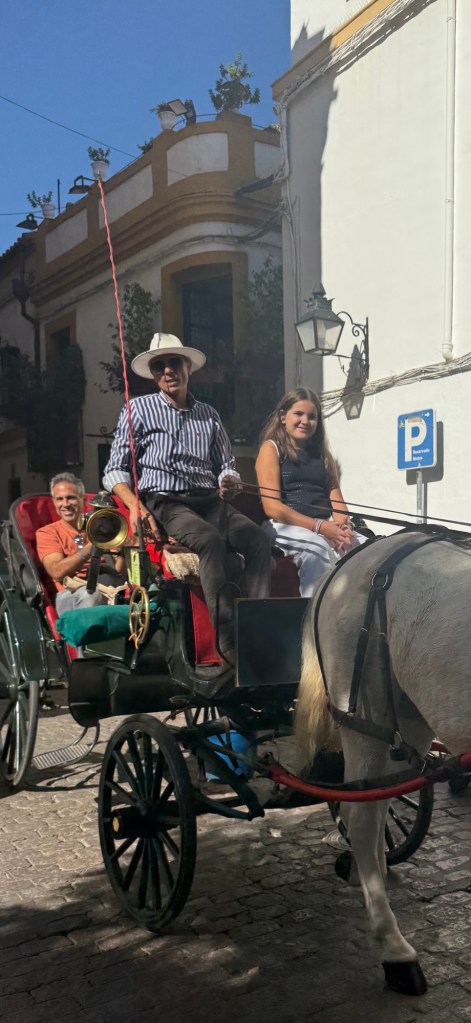
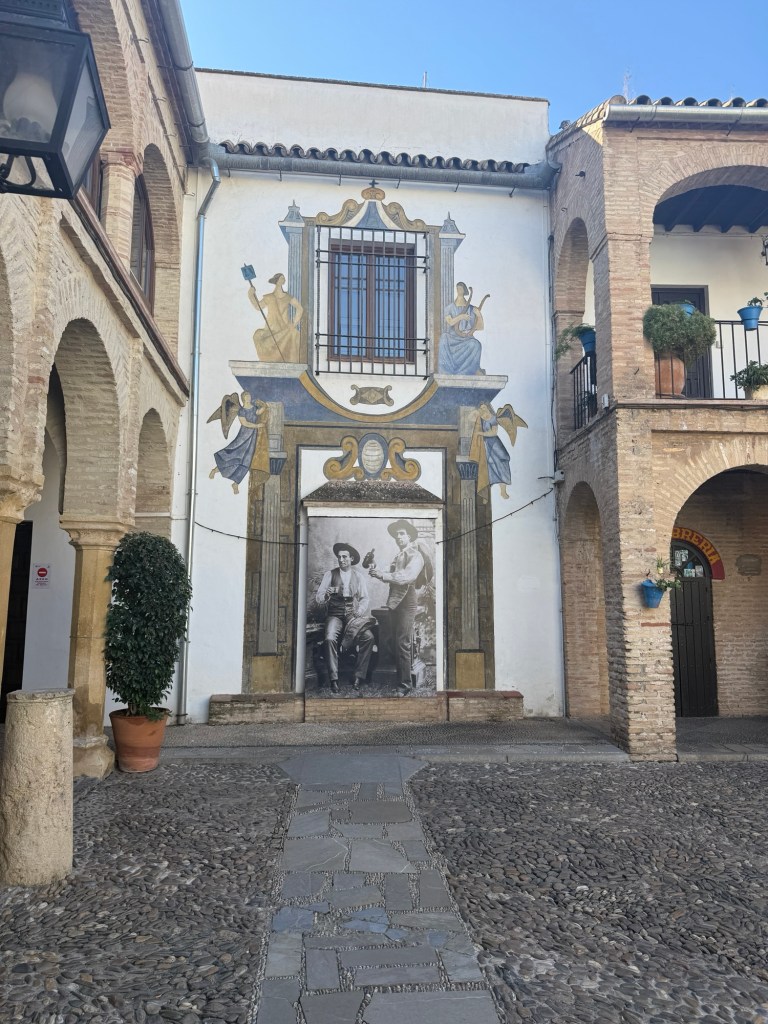
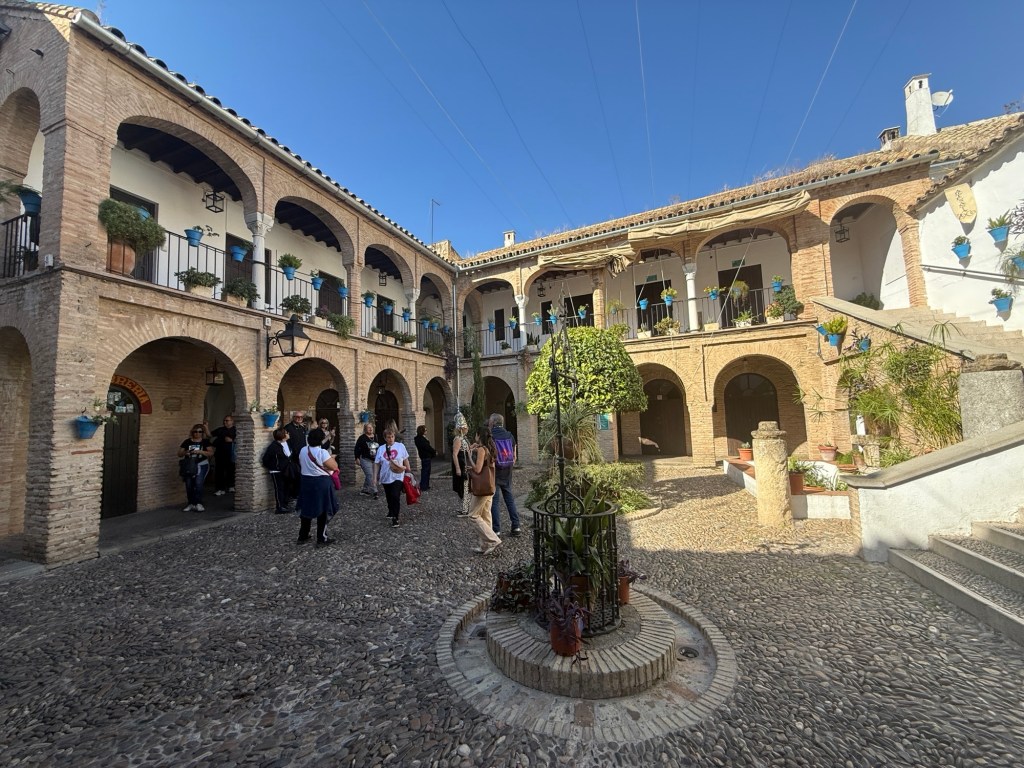
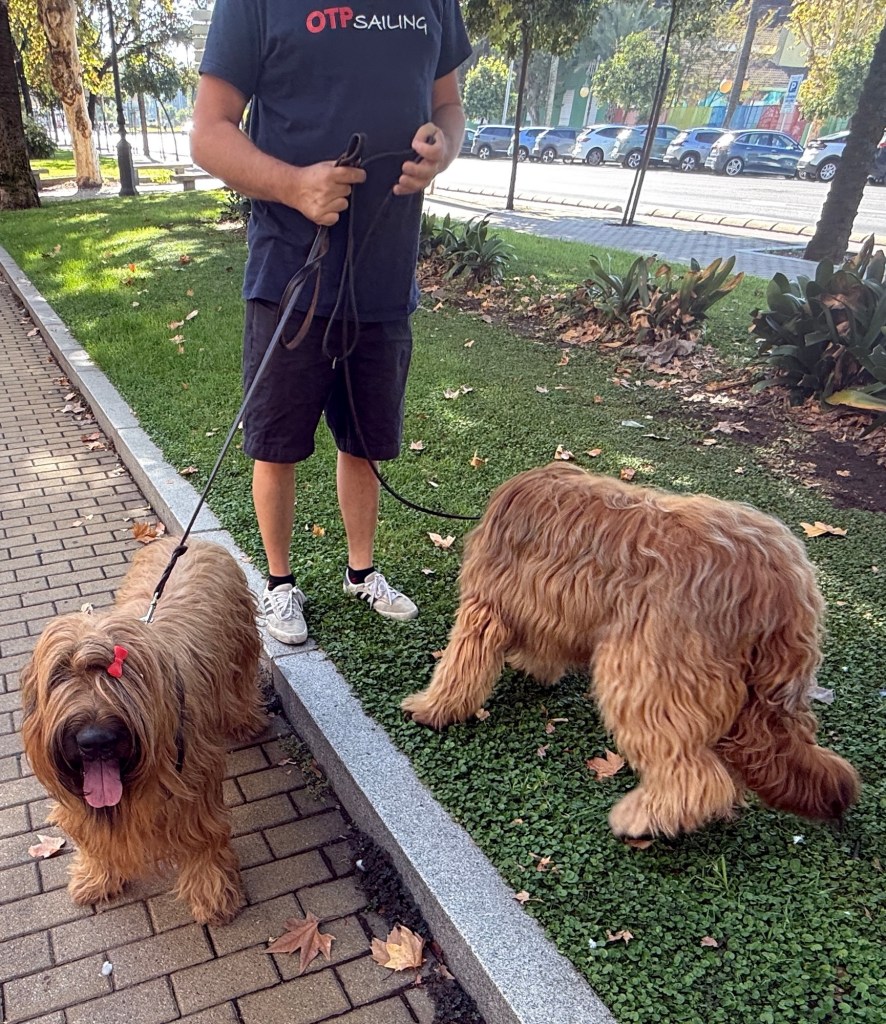
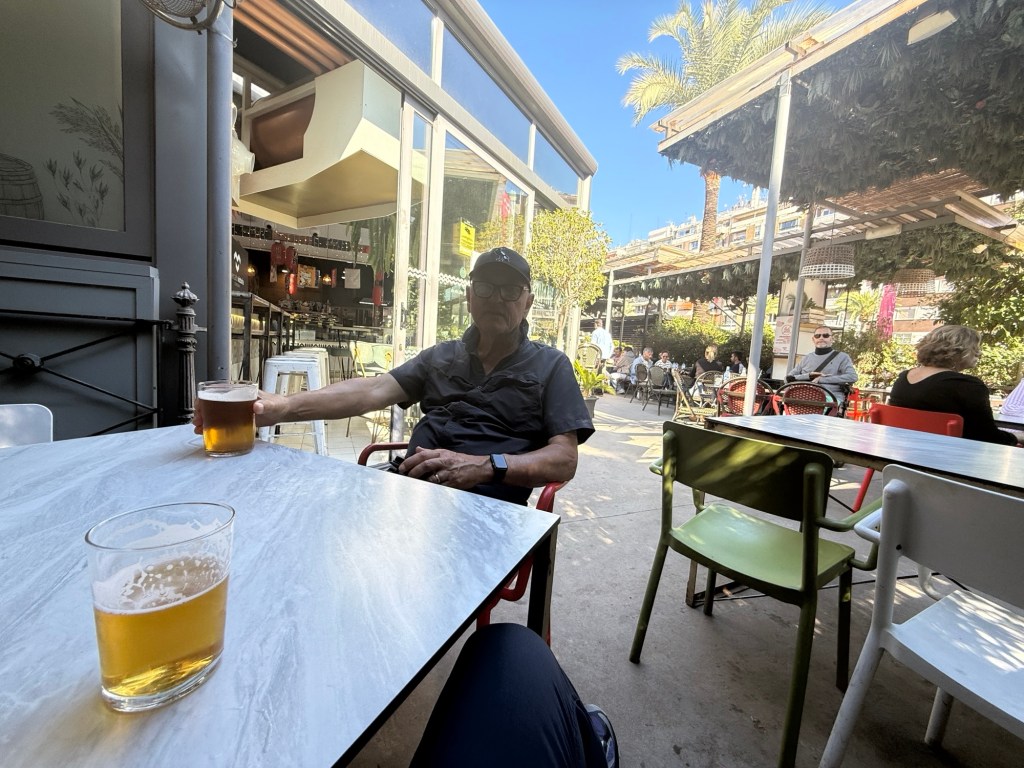
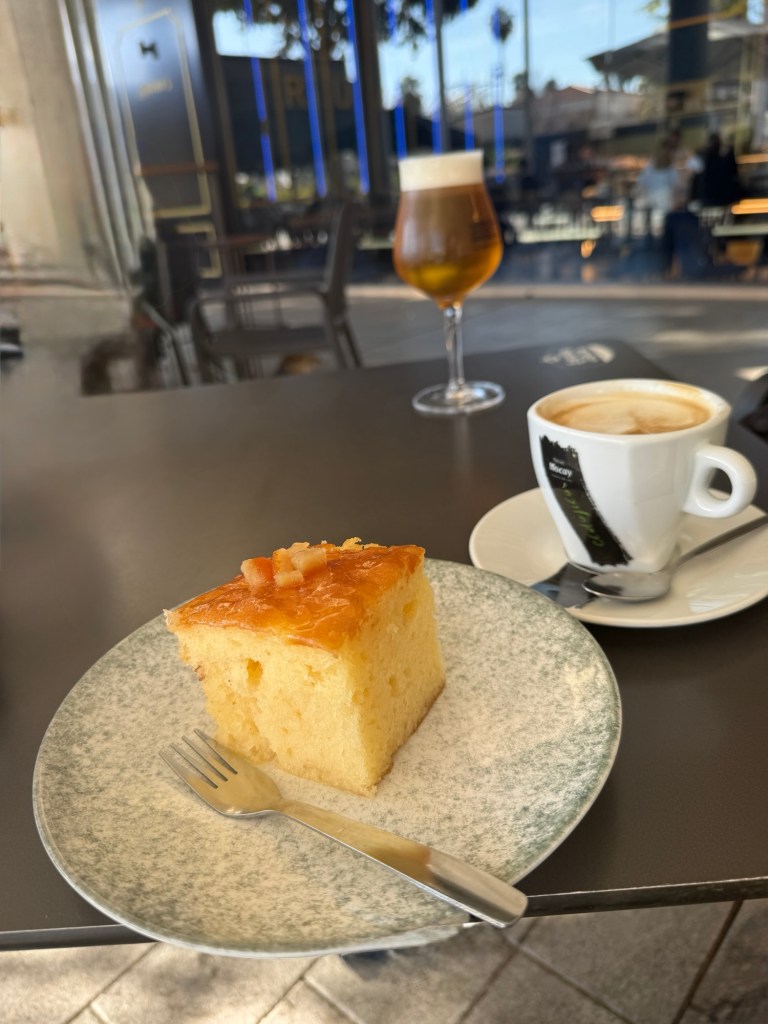
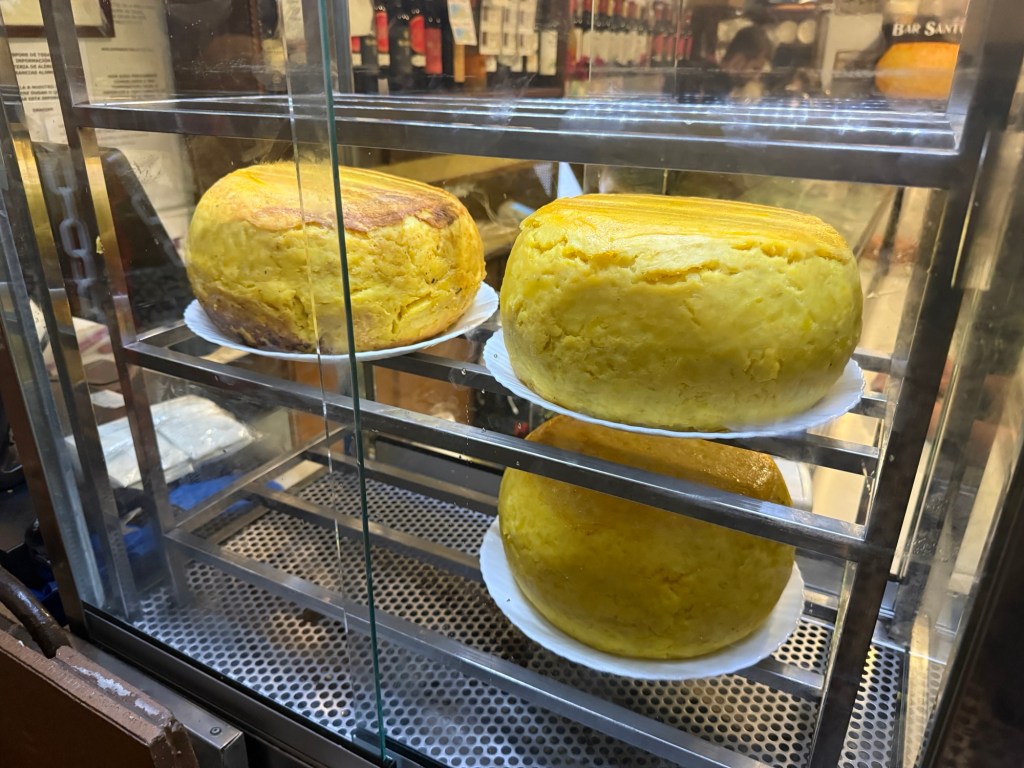
Some of the 856 columns The Renaissance main altar (Capilla Mayor) and cruciform nave inserted into the center of the buildingCarving in the back of the pews in the Capilla MayorThe Capilla Mayor choirCarvings in more detailThe ornate interior of the Capilla de VillaviciosaThe ornate Mudéjar-style multi-lobed and scalloped arches inside the CapillaReal (Royal Chapel)The mediaeval stone archway of the Capilla de San ClementeThe mihrab (the ornate horseshoe-shaped prayer niche that indicates the direction of Mecca (the qibla), decorated with glittering golden Byzantine mosaics sent by the Emperor of Constantinople) and the maqsura (the enclosure area in front of the mihrab built during the 10th-century expansion by Caliph Al-Hakam II) The famous 10th-century ribbed central dome above the maqsura or mihrab. The dome was constructed in the 960s and features an intersecting system of arched, stone ribs that do not meet directly in the center, creating a geometric star pattern that anticipates later Gothic vaulting designs in Europe.The Patio de los Naranjos (Courtyard of the Oranges) within the Mosque-Catedral wallsPuerta de la PuenteThe historic Molina de la Albolafia, a medieval watermill and large wooden noria (water wheel) located on the Guadalquivir River just near the AlcazarAlcazar de los Reyes Cristianos (Castle of the Christian Monarchs) – currently closed for renovations Bullfighting Museum of Córdoba (Museo Taurino de Córdoba),With Maimonides (Rambam) in the historic Jewish Quarter. He was a famous 12th-century Sephardic Jewish philosopher, physician, astronomer, and Torah scholar born in Córdoba.Inside the Synagogue was constructed in 1315and is one of only three surviving medieval, pre-Inquisition synagogues remaining in all of SpainPuerta de Almodóvar (Almodóvar Gate) Lunch: tostas with Brie, caramelised onions and berry jam & avocado, tomato and salmon The interior courtyard stage of the Patio de la Justin restaurant, an example of a traditional Andalusian patio. Architecturally these are in the centre of a home or building, enclosed by walls or arcades to provide privacy from the street and are a cooling oasis and social hub of the household.Very squeezy streets with cars and pedestrians often competing for spaceCrossing the Roman Bridge (in front of Puerta de la Puente) across to the Torre de la Calahorra (Calahorra Tower)Looking west along the Guadalquivir RiverLooking back towards the CathedralWe walked east along the river to cross back over another (new) bridge (Puente de Miraflores)Looking back to the Roman Bridge and Cathedral Impressive street art… I left the traffic light for scale.Part of a very long queue at Bar Santos for their famous giant tortilla – they’re each nearly a metre across!Horse-drawn carriages abound…… and isn’t she chuffed to be sitting up front 😁A classical-style painted mural and a historical photograph inside the Zoco Municipal de Artesanía (Municipal Crafts Market) back in the Jewish quarterOutside the Old Town and heading home… we met Tessa and Odin from Norway. They’re Briards or French ShepherdsAt the Mercado Victoria, the first gastronomic market in Andalusia. The food looked pretty ordinary but the beer was nice and cold.Afternoon tea closer to home… my cafe con leche and bizcochonaranja, a moist orange cake drizzled with syrup and a sticky marmalade topping.
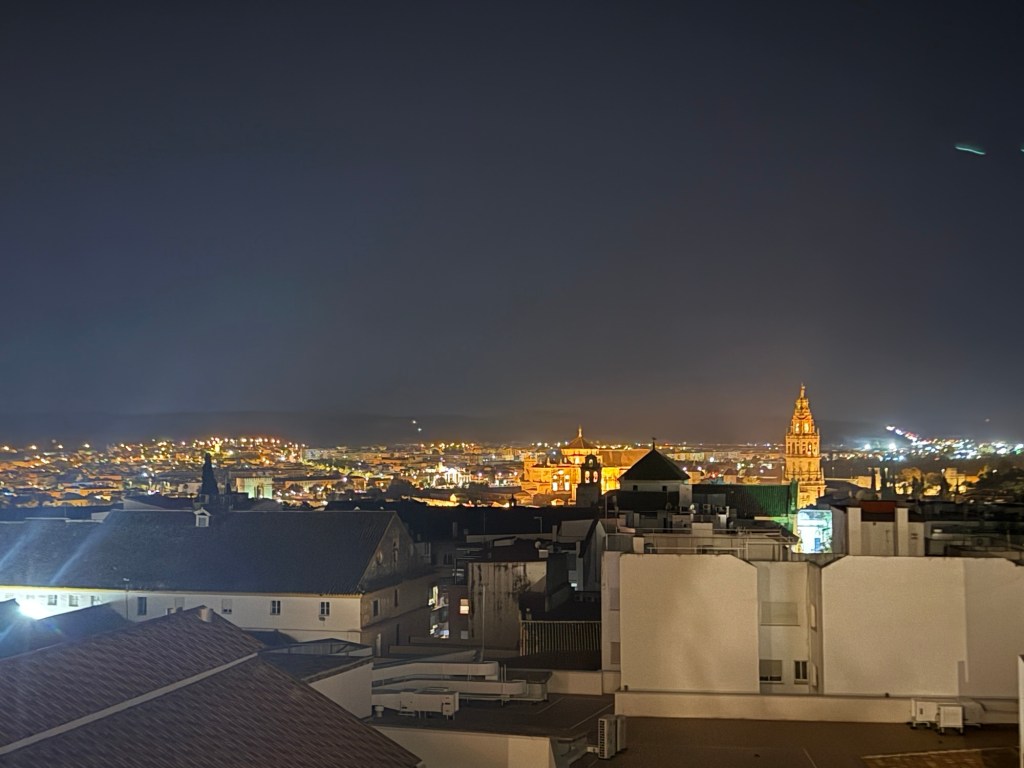
Tonight we did the self guided tapas walking tour … short version! Before we started we had a drink at a roof top bar at the Hotel H10
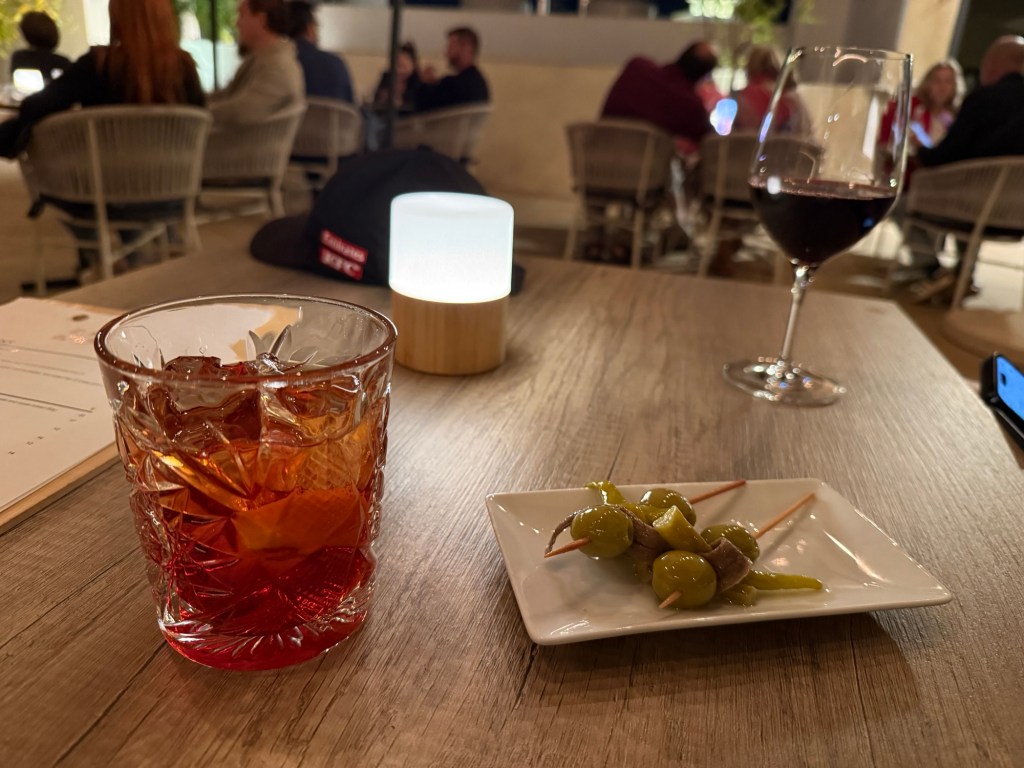
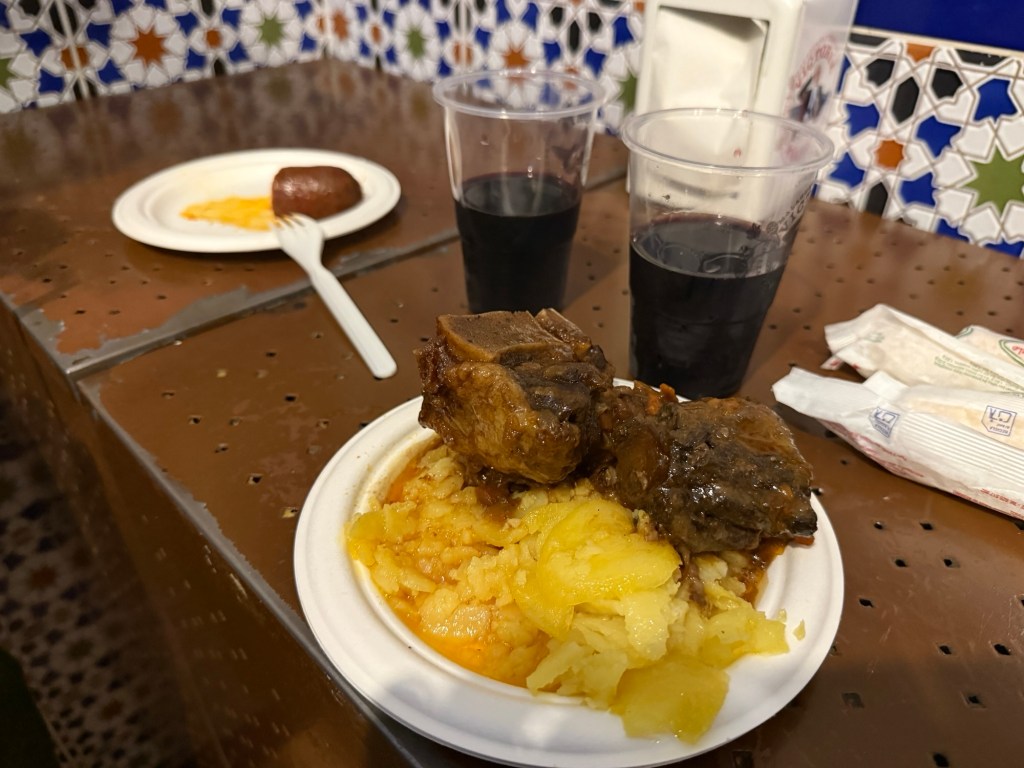
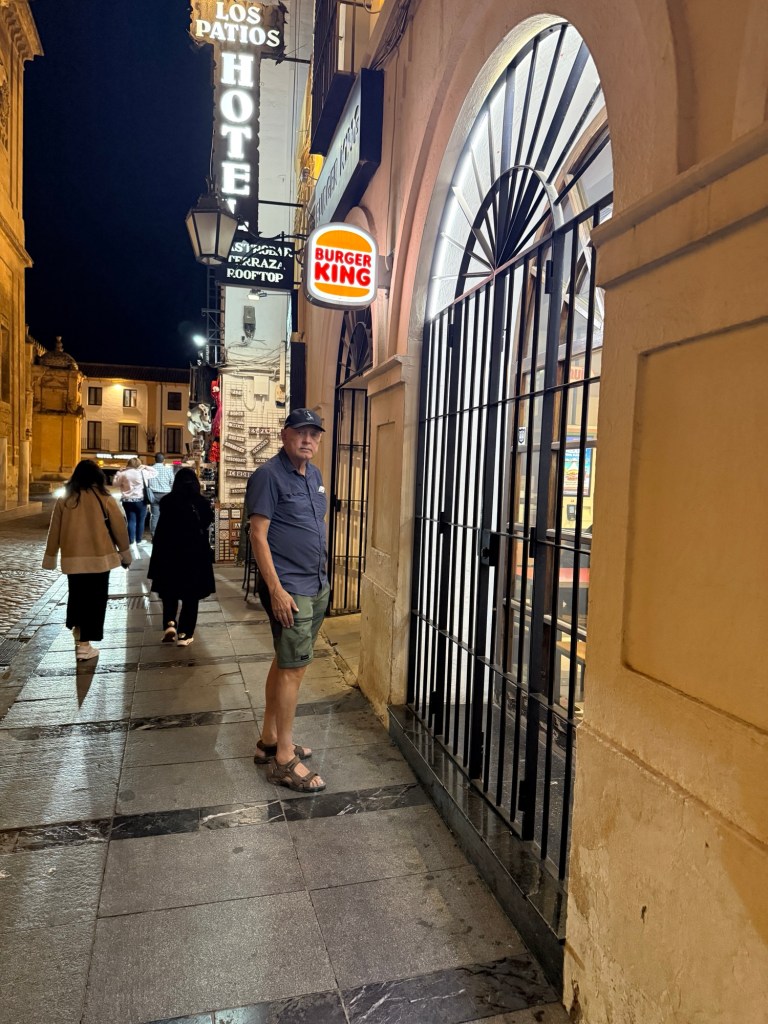
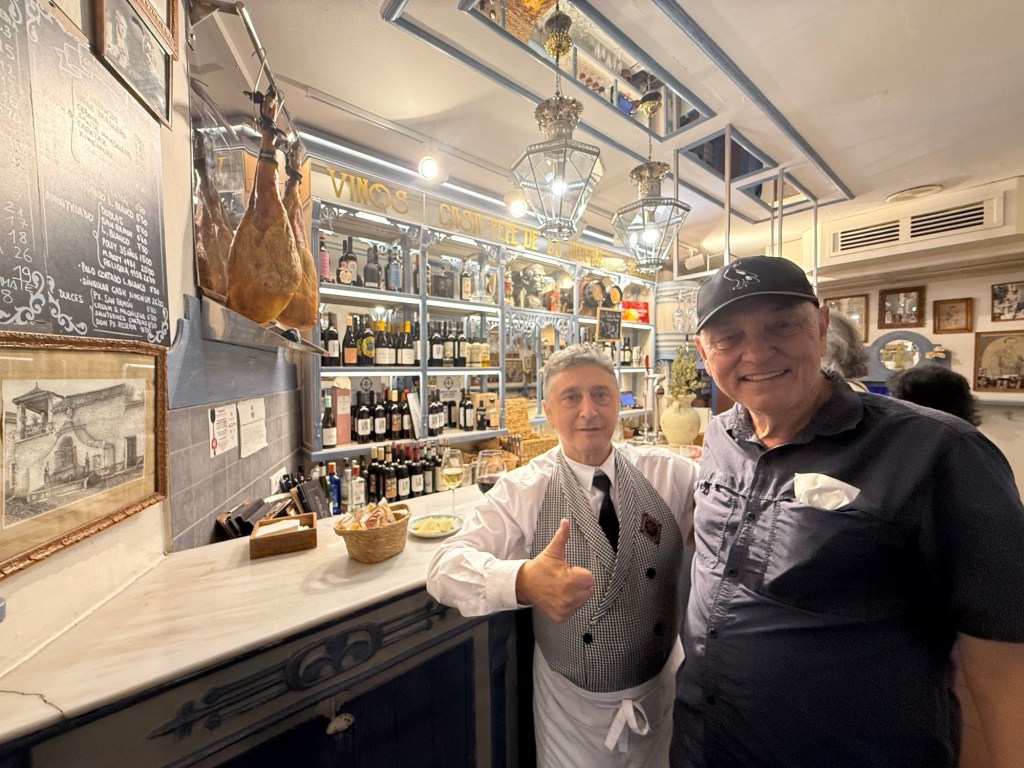
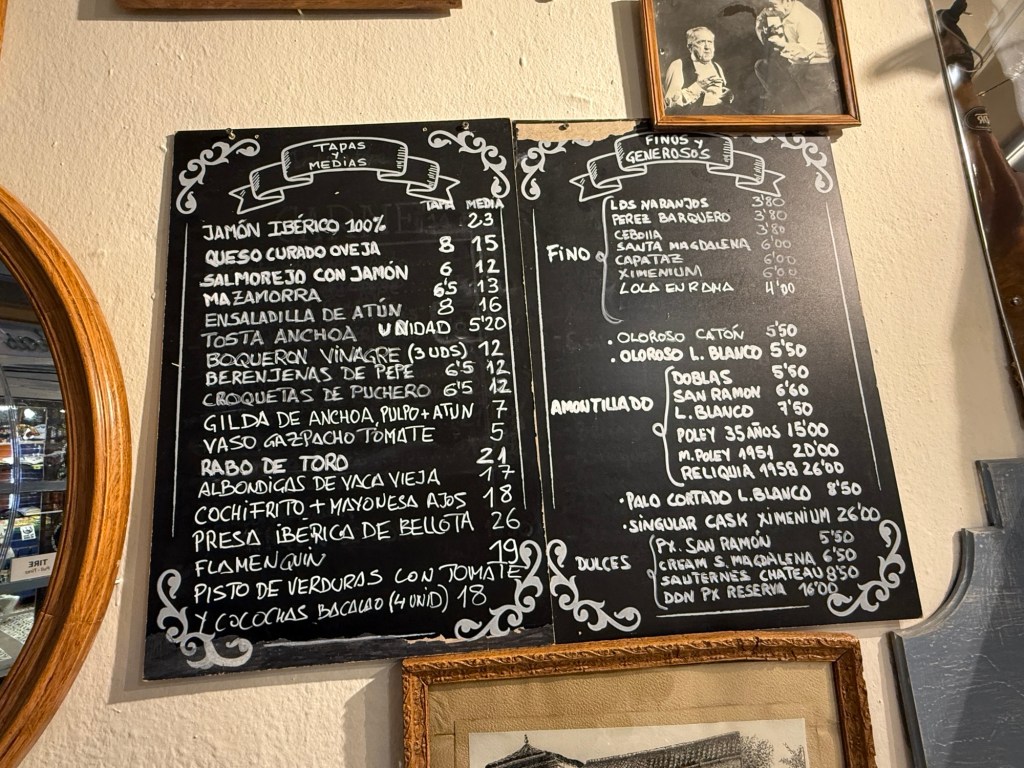
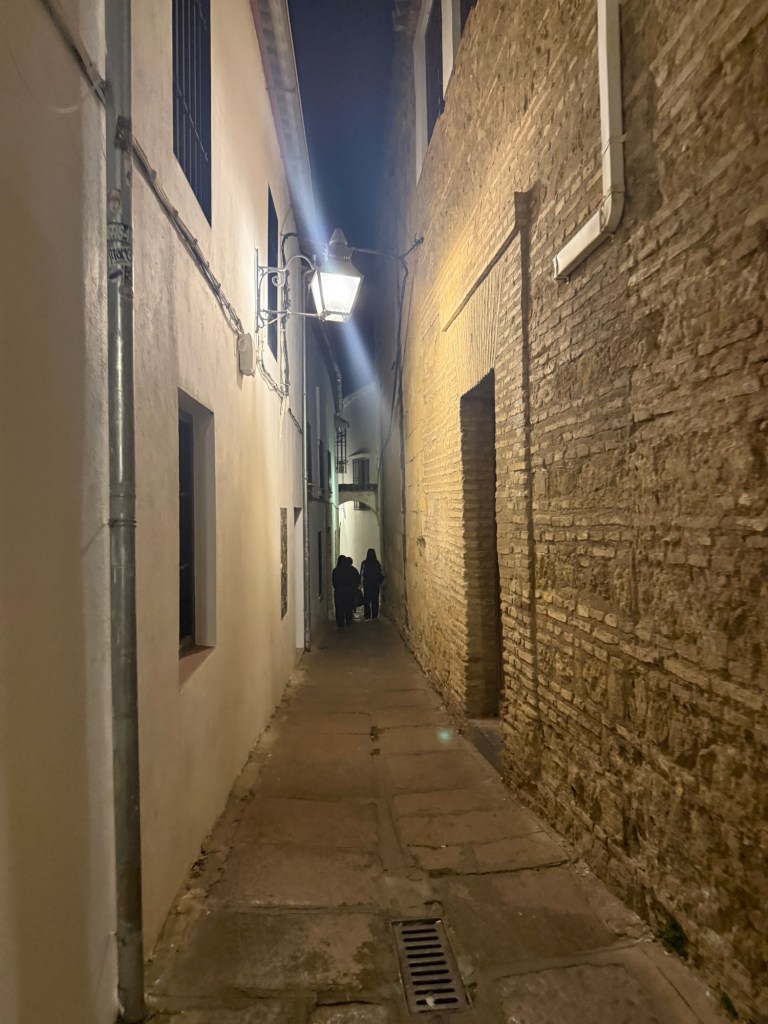
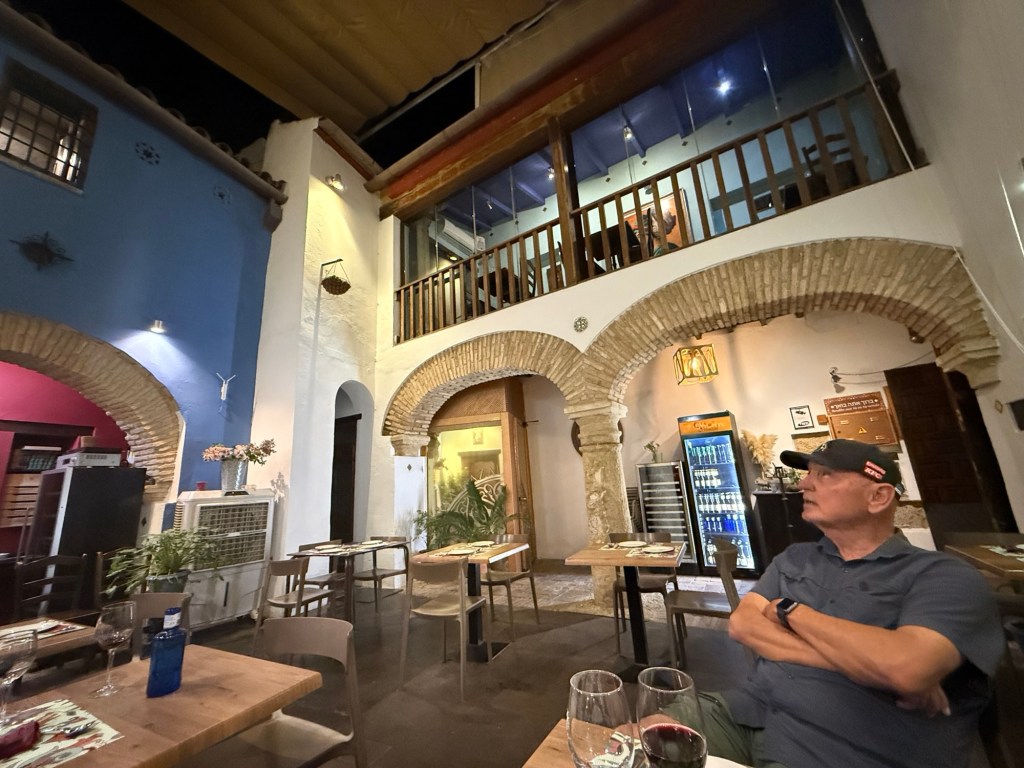
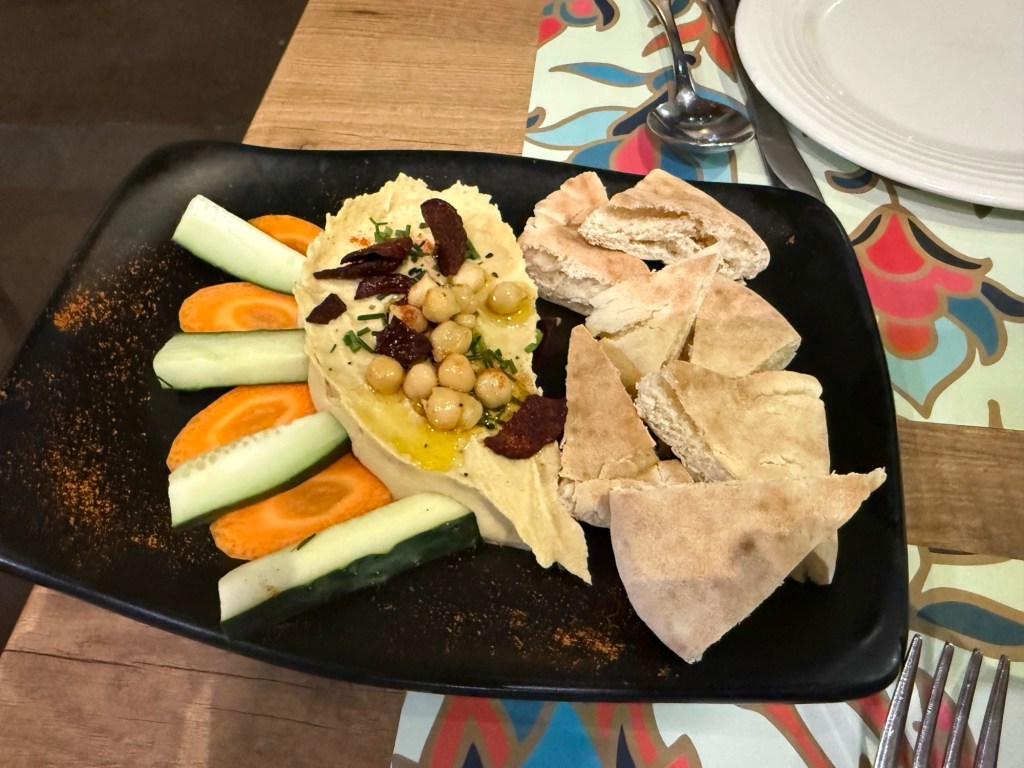
Views over the Old Town Negroni (yum!), Gilda (olives, pepper and anchovy on a stick) and vino tinto (red wine)Stop 1: Bar Santos, home of the famous tortilla… which we didn’t have! … opting instead for chorizo and rabo de toro (oxtail stew) with vino tinto As we walked through the Old Town… this tiny Burger King sign Into Casa Pepe de la Juderia and the fabulously welcoming Jose Luis. Here we had Tinto (him), fino (me): a fortified wine, typical of the Jerez and Montilla-Moriles regions in Andalusia and Queso Curado Oveja (cured sheep’s milk cheese/Manchego)The menu Last stop… down narrow lanes we’d walked previously during the day..,Casa Mazal, which serves Sephardic-Jewish cuisine inside a medieval houseWe opted for hummus, with tinto (him) and agua con gas (me)
A 1.5km walk back to the hotel helped settle our meals, now very ready for bed! 15+kms/9.3 miles today .


What a fantastic day, that cathedral is just spectacular!!
LikeLiked by 1 person